SportRack Vista XL Vs Thule Force XT: Which Cargo Box Wins?
The SportRack Vista XL costs less, while the Thule Force XT offers better access, fit, and long-term refinement.
Choosing between the SportRack Vista XL vs Thule Force XT is not just a matter of cargo space. Both roof boxes can carry luggage, camping gear, skis, and family travel items, but they differ in mounting, shape, security, weight limits, and daily ease of use. After comparing their published specifications and real-world design details, this guide will help you choose the box that fits your vehicle, budget, and travel style.
SportRack Vista XL vs Thule Force XT at a glance
The SportRack Vista XL and Thule Force XT are both large rooftop cargo boxes. Each offers about 18 cubic feet of storage, which is enough for several suitcases, soft bags, or outdoor gear.
The main difference is their design goal. The Vista XL focuses on low cost and basic storage, while the Force XT focuses on convenience, better hardware, and a more polished user experience.
| Feature | SportRack Vista XL | Thule Force XT XL |
|---|---|---|
| Cargo volume | About 18 cu. ft. | About 18 cu. ft. |
| Approximate weight | About 35 lb. | About 47 lb. |
| Typical load limit | About 100 lb. | Up to 165 lb., subject to vehicle limits |
| Opening style | Rear opening | Dual-side opening |
| Mounting system | U-bolts and hardware | PowerClick quick-mount system |
| Best for | Budget buyers and occasional trips | Frequent travelers and premium fit |
| Shape | Shorter and taller | Longer and more streamlined |
| Security | Basic locking system | Integrated lock and improved closing system |
Product specifications can vary by model year and market. Always check the label, manual, and current fit guide before buying.
Design and cargo space
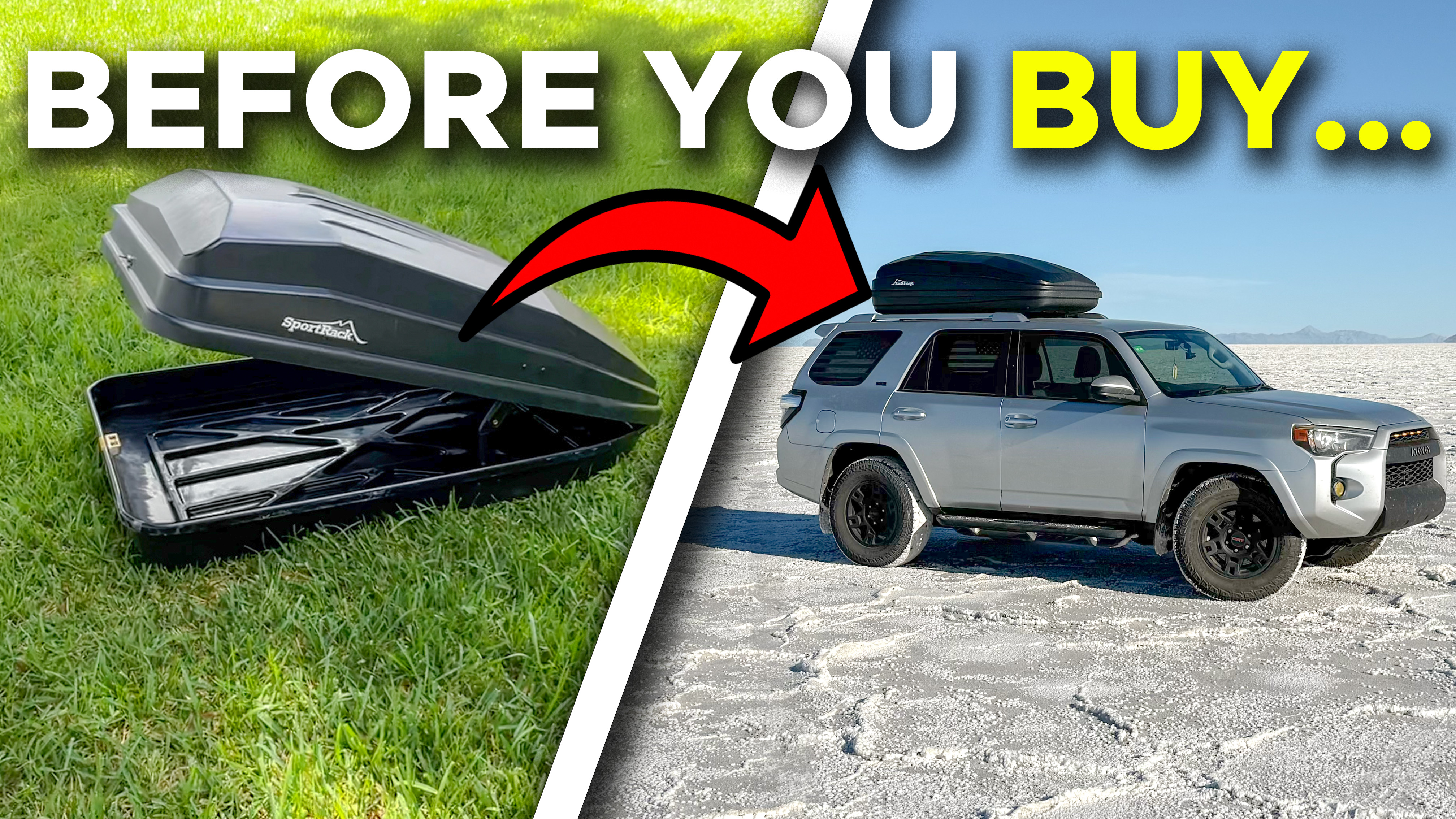
The SportRack Vista XL vs Thule Force XT comparison starts with usable space, not just the number printed on the box. Both models are rated at roughly 18 cubic feet, but their internal shapes are different.
The Vista XL has a shorter body with more height. This shape can work well for bulky items such as duffel bags, pillows, coats, and camping chairs. It may be easier to load when your gear is soft and flexible.
The Thule Force XT XL is longer and lower. Its long floor is better for skis, snowboards, golf clubs, strollers, and long travel bags. The lower profile also gives it a more balanced look on many vehicles.
In daily use, a box with the same volume can still feel very different. Think of it like two closets with the same capacity. One may be tall and narrow, while the other is long and easy to organize.
What fits inside each box?
The SportRack Vista XL can usually hold:
• Several medium duffel bags
• Two or three large suitcases, depending on shape
• Sleeping bags and camping gear
• Coats, boots, and soft travel items
• Smaller plastic storage bins
The Thule Force XT XL is often better for:
• Skis and snowboards
• Long sports equipment
• Strollers and folding travel gear
• Large suitcases placed lengthwise
• A mix of hard and soft luggage
Do not pack by volume alone. Leave room for the lid to close without pressure, and keep heavy items low and near the center of the box.
Mounting and vehicle compatibility
Mounting is one of the clearest differences in the SportRack Vista XL vs Thule Force XT decision. The Vista XL uses a more traditional U-bolt mounting system. It is simple, but installation takes more time and care.
You normally place the box over the crossbars, insert the U-bolts, add the plates, and tighten the knobs from inside. This system can work well, but the bolts must match the crossbar shape and size.
The Force XT uses Thule’s PowerClick mounting system. The clamps attach from inside the box and provide a clear click when they reach the correct tightness. This makes installation faster and reduces the risk of uneven tightening.
Before buying either box, check these points:
• The vehicle has a compatible roof rack or crossbars.
• The bar spread falls within the cargo box range.
• The bars do not exceed the permitted width or height.
• The rear hatch can open without touching the box.
• The roof and rack weight limits are high enough.
• The box does not block a sunroof, antenna, or rear camera view.
A cargo box cannot increase your vehicle’s roof capacity. If your vehicle roof limit is 150 pounds and the box weighs 47 pounds, the remaining cargo limit is lower than 150 pounds.
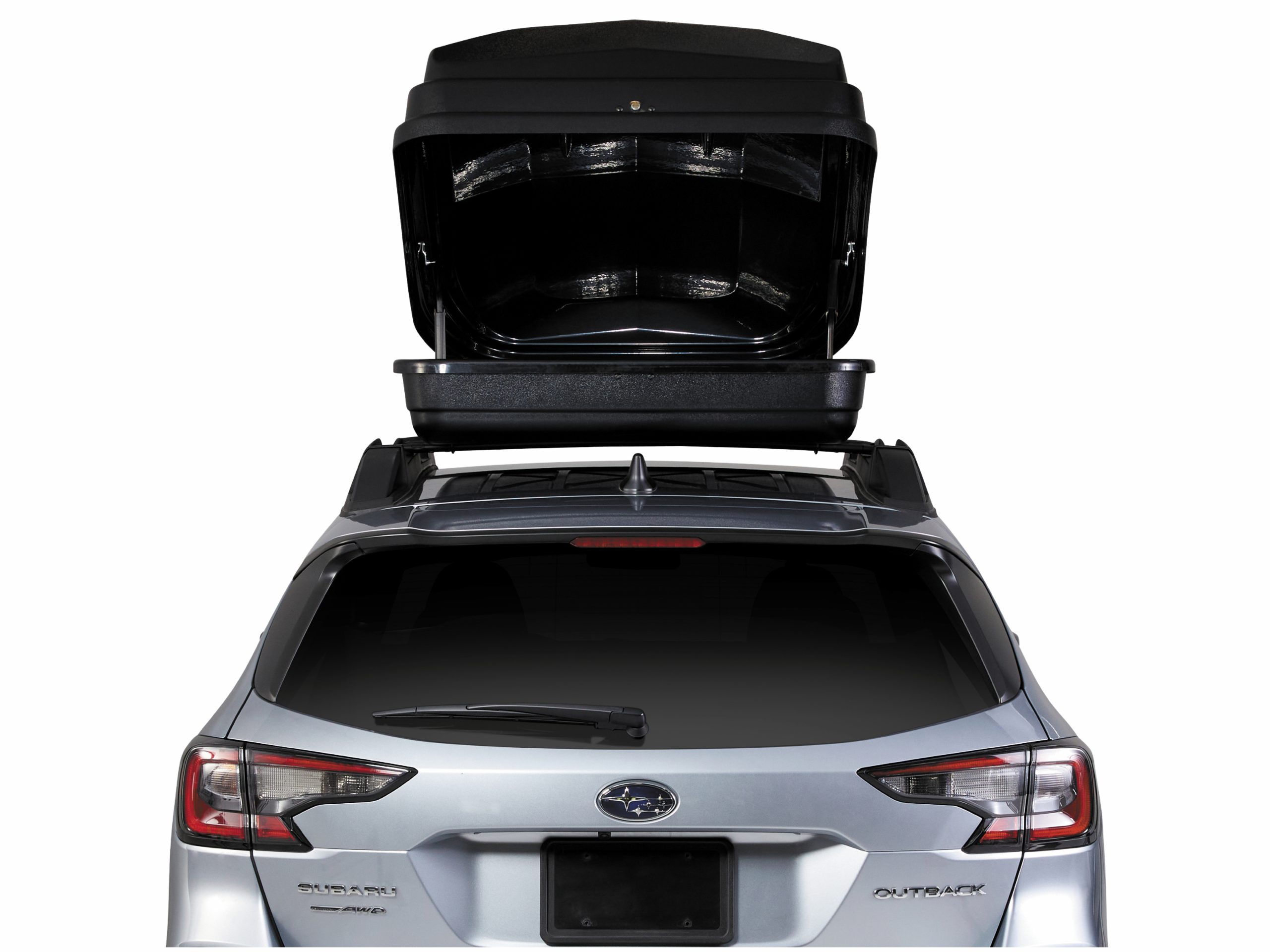
Installation and everyday convenience
For occasional use, the SportRack Vista XL can be a sensible choice. Its hardware is not complex, and many owners can install it with basic tools. However, it may take longer to center and tighten than a premium quick-mount box.
The Thule Force XT is easier to install often. Its clamp system helps center the box, and the tightening indicators make setup more consistent. This matters when you remove the box after a trip and reinstall it before the next one.
One lesson I have learned from comparing rooftop boxes is that installation time changes how often people use them. A box that takes 30 minutes and two people to fit may stay in the garage. A box that mounts quickly is more likely to be used for weekend trips.
Use this simple installation process:
- Clean the crossbars and check for damage.
- Place the box on the rack with help from another person.
- Center it from left to right.
- Check the rear hatch and front clearance.
- Tighten each mount evenly.
- Open and close the lid before loading cargo.
- Recheck the mounts after driving a short distance.
Never guess when tightening roof-box hardware. Follow the torque or tightening instructions in the manual.
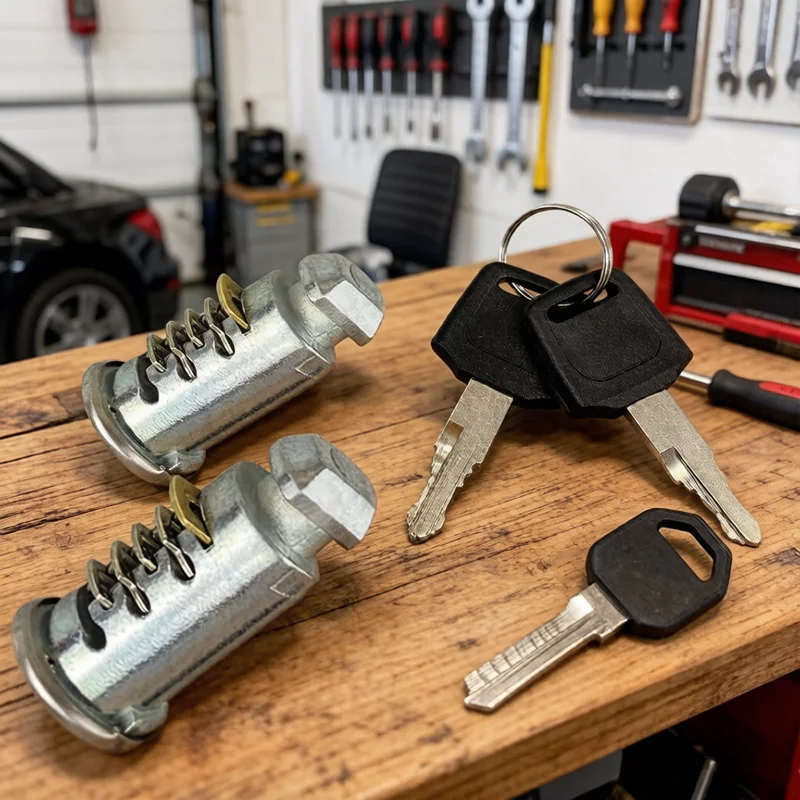
Opening access and loading
The SportRack Vista XL vs Thule Force XT comparison becomes more practical when you are standing beside a full vehicle in rain or snow. The Vista XL generally opens from the rear, so you load it from the back of the vehicle.
Rear opening can be useful when the box sits on a smaller vehicle or when you want one simple lid. Yet it may be less convenient if the box is crowded or if you need to reach an item near the front.
The Thule Force XT opens from both sides. This lets you load from the curb side, driveway side, or passenger side. It also makes it easier to reach gear without walking around the vehicle.
Dual-side opening is especially helpful when:
• The car is parked close to a wall.
• The box is mounted high on an SUV.
• You need to access one small item during a stop.
• Two people are loading from opposite sides.
• Weather makes repeated trips around the vehicle unpleasant.
In my view, side access is one of the features people value more after purchase than before it. It seems small in a store, but it saves time on every trip.
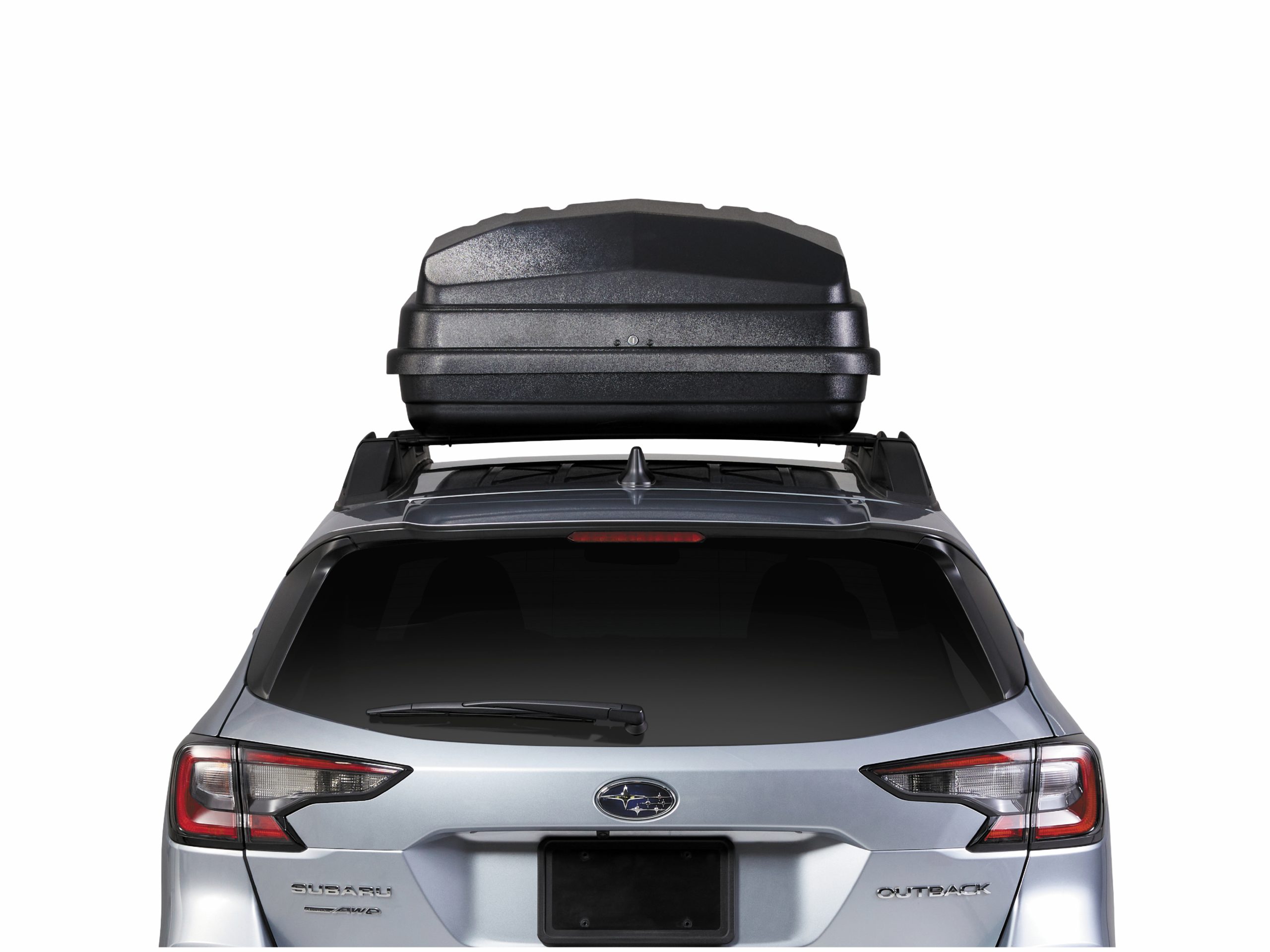
Security and build quality
The Vista XL offers basic protection from weather and casual access. Its lock can help prevent the lid from opening, but a roof box should not be treated like a high-security safe.
The Force XT has a more refined locking and closing system. Thule’s design aims to prevent the key from being removed until the box is properly closed and locked. That is a helpful safety feature because it provides a clear signal that the lid is secure.
Neither box should hold valuable electronics, passports, cash, or other items that need strong security. Roof boxes are exposed to weather, road vibration, and public access.
To protect your cargo:
• Use waterproof bags inside the box.
• Keep heavy items away from the lid.
• Close all zippers before loading soft bags.
• Avoid sharp tools or loose metal objects.
• Check the lid seal before a long trip.
• Lock the box whenever the vehicle is unattended.
The Thule Force XT usually feels stronger and more polished, but careful loading and correct installation matter just as much as brand choice.
Aerodynamics, noise, and fuel use
A rooftop cargo box adds wind resistance. This can increase noise and reduce fuel economy, especially at highway speed. The exact effect depends on the vehicle, crossbars, box position, weather, and load.
The SportRack Vista XL has a taller, shorter shape. It may create more wind noise on some vehicles, especially if it sits close to the front of the roof or if the crossbars are not well aligned.
The Thule Force XT has a longer, lower profile. Its shape is designed to manage airflow more smoothly, though no rooftop box is silent. Some users may notice less noise with the Thule, but results vary by vehicle.
These habits can reduce drag:
• Place the box as far back as possible without blocking the hatch.
• Keep the box centered on the crossbars.
• Remove the box when it is not needed.
• Keep the cargo inside low and evenly distributed.
• Make sure the lid is fully closed.
• Use aerodynamic crossbars when possible.
Do not expect dramatic fuel savings from any roof box. The best savings come from removing it between trips.

Weight limits and safe loading
The SportRack Vista XL vs Thule Force XT choice should always include weight calculations. A box may have a high advertised load limit, but your vehicle may allow much less.
Add these three numbers:
- Cargo box weight
- Cargo weight
- Crossbar and roof-rack weight
The total must stay below the lowest limit listed by the vehicle maker, rack maker, or cargo-box maker.
The Vista XL is lighter, which gives it an advantage when your vehicle has a low roof limit. Its listed cargo limit is commonly around 100 pounds, but the exact rating depends on the model.
The Force XT XL is heavier, but some versions list a much higher maximum cargo rating. That does not mean every car can safely carry 165 pounds in the box. The vehicle’s roof rating still controls the final limit.
A safe packing method is simple:
• Put light, soft items near the top.
• Put heavier items low and near the crossbar area.
• Keep weight balanced from side to side.
• Avoid loose items that can shift during braking.
• Use straps or bags to stop movement.
• Stay below the lowest stated weight limit.
Cargo can shift like water in a bucket. Even if the total weight is safe, movement can affect handling and braking.

SportRack Vista XL vs Thule Force XT: price and value
Price is often the deciding factor in the SportRack Vista XL vs Thule Force XT comparison. The SportRack usually costs less, making it attractive for families that need extra space once or twice each year.
The Thule Force XT costs more because it includes upgraded mounting hardware, dual-side access, a more refined locking system, and a stronger premium finish. Frequent travelers may recover that extra cost through convenience and longer service life.
Choose the SportRack Vista XL when:
• Your budget is limited.
• You need a large box for occasional use.
• Your cargo is mostly soft and bulky.
• You do not mind slower installation.
• Your vehicle benefits from a lighter box.
Choose the Thule Force XT when:
• You travel often.
• You carry skis or long equipment.
• You want access from both sides.
• You install and remove the box regularly.
• You prefer better mounting feedback.
• You want a more polished ownership experience.
A lower price is not always better value. If a feature saves time on every trip, it can be worth paying for. On the other hand, premium features have little value if the box will sit unused most of the year.
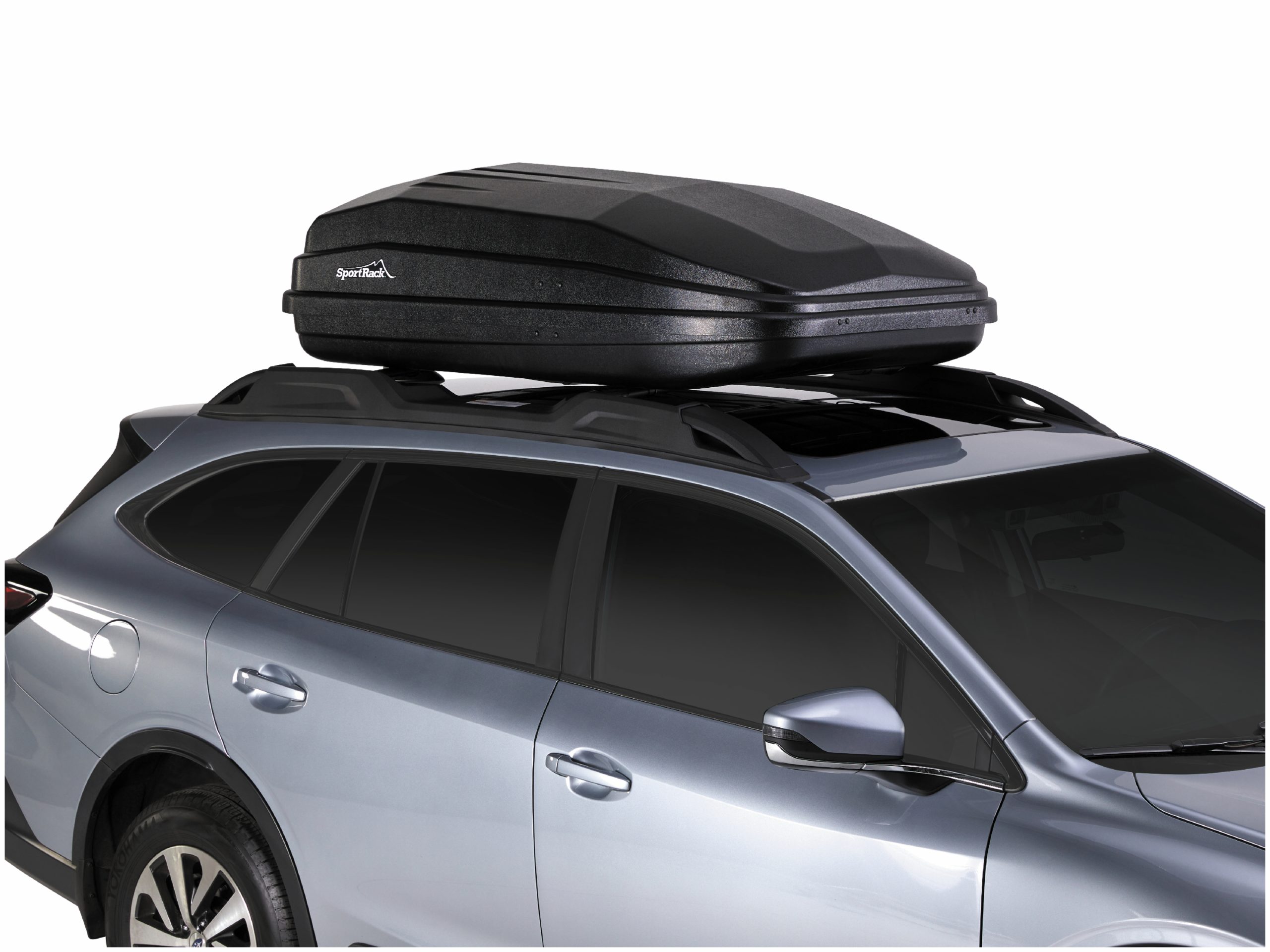
SportRack Vista XL vs Thule Force XT for different vehicles
The best choice can change with the vehicle. A compact sedan may benefit from the lighter SportRack, especially if its roof limit is modest.
A large SUV may have more room for the longer Thule Force XT XL. However, you still need to check hatch clearance. A long box can interfere with the liftgate if the crossbars are too far forward or too close together.
For a small crossover, consider:
• Total roof weight
• Rear hatch movement
• Box height
• Crossbar spread
• Ease of lifting the box into place
For a large SUV, consider:
• Box length
• Garage clearance
• Roof height
• Access from the ground
• Whether the front of the box affects the windshield area
For a wagon or hatchback, rear clearance is often the key concern. Measure before ordering, and do not rely only on photographs of another vehicle.
Common mistakes to avoid
Many cargo-box problems come from fit and loading errors rather than product defects. The SportRack Vista XL vs Thule Force XT decision matters, but correct use matters more.
Avoid these common mistakes:
• Buying before measuring crossbar spread
• Ignoring the vehicle’s roof weight limit
• Loading heavy items at the front or rear
• Tightening one mount fully before the others
• Driving with an unlocked or partly closed lid
• Leaving the box installed all year
• Using a box that blocks the liftgate
• Storing the box in direct sun without protection
One mistake I often see is overpacking soft bags until the lid presses against them. The box may look closed, but the seal can be uneven. Pack with a little space, then check the lock before driving.
Wash road salt and grit from the hardware after winter trips. Dry the box before storage, and keep it supported so the shell does not rest on a sharp edge.
Which one should you buy?
The SportRack Vista XL vs Thule Force XT answer depends on how you travel.
The SportRack Vista XL is the better budget option. It offers a large storage area, a lighter body, and a simple mounting design. It makes sense for occasional family trips, camping weekends, and buyers who want useful space without a premium price.
The Thule Force XT is the better all-around option for frequent use. Its dual-side opening, quick mounting, long shape, and refined lock system make it easier to live with. It is especially appealing to skiers, road trippers, and families who use a cargo box several times each year.
My practical recommendation is this:
• Buy the SportRack Vista XL if cost and low weight come first.
• Buy the Thule Force XT if convenience and repeated use matter most.
• Choose neither until you confirm vehicle fit and roof limits.
• Consider a smaller box if you rarely carry bulky gear.
The right box should make travel feel easier, not add a new problem to every departure.
Frequently Asked Questions: SportRack Vista XL vs Thule Force XT
Is the SportRack Vista XL as large as the Thule Force XT?
Both are commonly rated at about 18 cubic feet, so their advertised capacity is similar. Their shapes differ, with the SportRack being shorter and taller and the Thule being longer and lower.
Which cargo box is easier to install?
The Thule Force XT is generally easier to install because its PowerClick clamps provide quick mounting and tightening feedback. The SportRack Vista XL uses U-bolt hardware, which can work well but usually takes more time to fit and tighten.
Is the SportRack Vista XL better for a low roof weight limit?
Its lighter weight may help when your vehicle has a low roof rating. You must still subtract the box and crossbar weights from the vehicle’s total roof limit before loading cargo.
Does the Thule Force XT make less noise?
Its longer, lower design may reduce wind noise on some vehicles, but noise depends on the car, crossbars, speed, and placement. No rooftop cargo box is completely quiet.
Can either box carry skis and snowboards?
The Thule Force XT XL is usually better for long skis and snowboards because it has a longer internal shape. Check the exact interior length and the manufacturer’s equipment limits before buying.
Is the Thule Force XT worth the higher price?
It can be worth the extra cost for frequent travelers who value dual-side access, fast installation, and better closing feedback. Occasional users may find the SportRack Vista XL offers better value.
Can I leave a cargo box on my vehicle all year?
You can, but removing it when unused may reduce wind noise, fuel use, and exposure to weather. Store it clean and dry, and inspect the mounts before each installation.
Conclusion
The SportRack Vista XL vs Thule Force XT comparison shows two useful but different approaches. The SportRack offers strong basic value, lower weight, and plenty of room for occasional trips. The Thule Force XT adds better access, faster mounting, a longer shape, and a more refined ownership experience.
Measure your vehicle, confirm the roof limit, and think about the gear you carry most often. If you travel a few times each year, the SportRack may be all you need. If the box will support frequent road trips or winter sports, the Thule is the more convenient long-term choice.
Make your decision based on fit and real use, not capacity alone. Explore your vehicle’s rack guide, compare current prices, and share your own cargo-box experience in the comments.