SportRack Vs Thule: Which Roof Rack Is Best?
SportRack costs less, while Thule usually offers better design, fit, durability, and long-term support.
Choosing between SportRack vs Thule can feel like comparing a solid everyday tool with a polished premium tool. Both brands make roof racks, hitch bike racks, cargo boxes, and water-sport carriers, but they target different budgets and needs. This guide explains the key differences in quality, price, safety, installation, warranties, and real-world use so you can choose with confidence.
SportRack vs Thule at a glance
SportRack and Thule are closely related brands. Both are part of the Thule Group family, but they do not serve the same market in the same way. SportRack focuses on practical, lower-cost gear, while Thule places more emphasis on refined design, advanced features, and broad vehicle fit.
The best choice depends on how often you use the rack and what you carry. A driver who takes two bikes to a local trail a few times each summer may be happy with SportRack. A frequent traveler who carries expensive bikes or a roof box every week may prefer Thule.
| Feature | SportRack | Thule |
|---|---|---|
| Typical price | Lower | Higher |
| Main focus | Value and basic function | Premium design and performance |
| Materials | Good for normal use | Often more refined and robust |
| Installation | Usually simple | Simple, with more fit options |
| Security | Basic to moderate, model dependent | Moderate to advanced, model dependent |
| Product range | Smaller | Much broader |
| Best for | Occasional users and budget buyers | Frequent users and demanding trips |
| Replacement parts | May be more limited | Usually easier to find |
The table gives a general view, not a promise for every model. Rack design, vehicle fit, weight limits, and included features can vary by product year.

Brand relationship and product positioning
One of the most important facts in the SportRack vs Thule debate is the brand relationship. SportRack products are associated with the Thule Group, but SportRack is positioned as a more affordable line. That means the two brands may share broad engineering knowledge while still using different designs, materials, features, and support systems.
Thule products often include more adjustment points, smoother locking systems, better finish quality, and wider vehicle compatibility. SportRack products usually keep the design simpler. This can reduce the price and make the rack easier to understand.
Think of the difference like this:
• SportRack is a dependable basic backpack for weekend trips.
• Thule is a technical travel pack with better padding, smarter pockets, and more adjustment.
Both can carry your gear. The right one depends on how much comfort, speed, and refinement you want.
It is also important not to assume that a lower price means poor safety. A properly installed SportRack product can work well within its rated limits. The real risk comes from using the wrong fit, exceeding the weight limit, or skipping installation checks.

Price and overall value
Price is often the main reason shoppers compare SportRack vs Thule. SportRack generally offers a lower entry price, which makes it appealing to families, new cyclists, and people who use a rack only a few times per year.
Thule costs more, but the extra price may bring useful benefits. These can include faster installation, stronger adjustment systems, better locks, improved padding, and easier access to replacement parts. Over several years, those features can save time and reduce frustration.
A simple value test can help:
-
Estimate how many trips you will make each year.
-
Consider the value of the bikes, skis, kayaks, or luggage you will carry.
-
Add the cost of locks, adapters, straps, and replacement parts.
-
Ask whether you plan to keep the rack for one season or many years.
For occasional use, SportRack can offer excellent value. For weekly use, the cost difference with Thule may feel smaller because you use the product often. A rack that takes five minutes less to install can save hours over a full season.
In my practical buying advice, the cheapest rack is rarely the best deal if it does not fit your vehicle or needs an extra adapter. Always compare the complete setup, not just the box price.
Build quality and durability
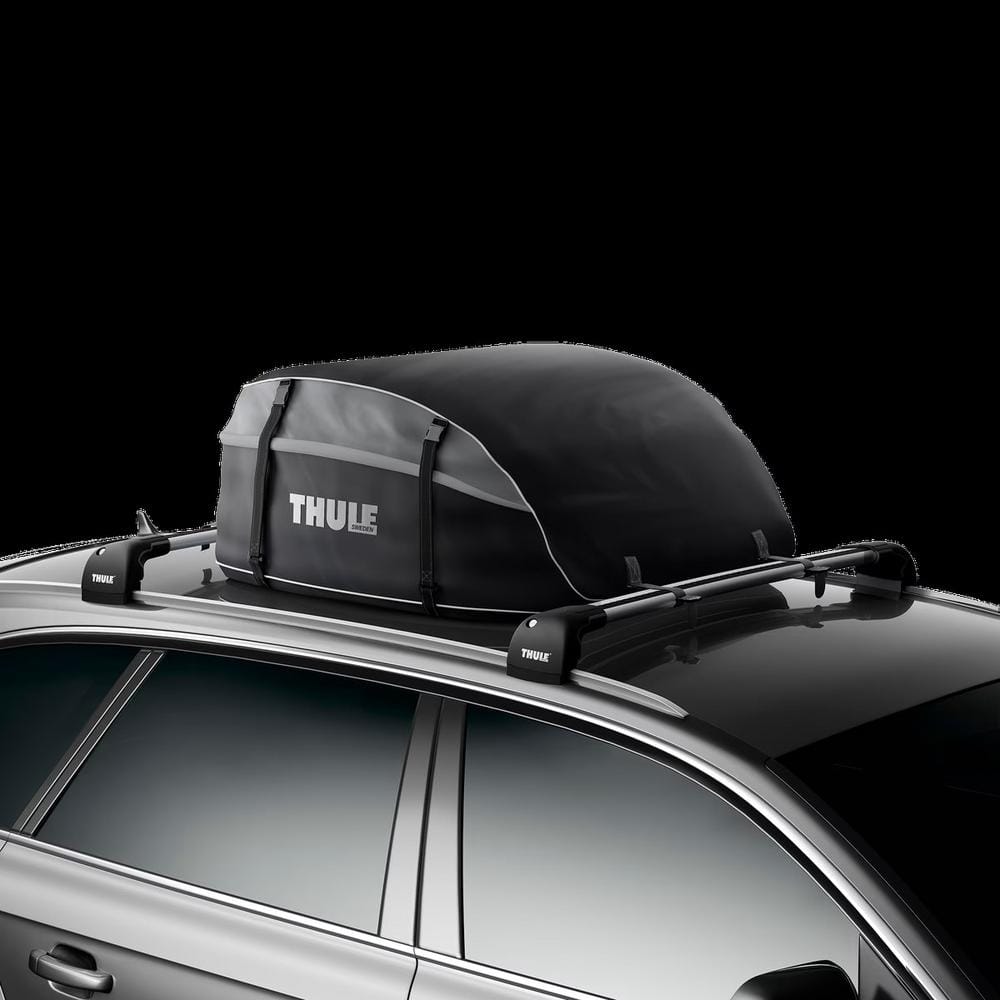
Build quality is a major part of the SportRack vs Thule comparison. Both brands make products for outdoor use, but Thule generally offers a more polished finish and stronger attention to small details.
Thule racks often use molded parts, reinforced frames, smoother hinges, and better cable or frame protection. These details matter when a rack faces rain, road salt, dust, and repeated loading. They can also make the rack feel more stable during long highway trips.
SportRack products can still last for years with careful use. Their simple designs may have fewer parts to fail. However, lower-cost materials or basic hardware may show wear sooner if the rack stays outside all year.
To extend the life of either brand:
• Rinse off road salt and mud after winter trips.
• Dry the rack before storing it.
• Check bolts, straps, pads, and pins before every long drive.
• Lubricate approved moving parts as the manual directs.
• Store the rack indoors when you are not using it.
Durability also depends on the vehicle. A rack used on smooth roads may last much longer than one exposed to gravel, snow, and frequent off-road travel.
Roof racks and crossbars
When comparing SportRack vs Thule roof racks, start with the vehicle roof, not the brand. Your car may have raised rails, flush rails, fixed mounting points, or a bare roof. Each roof type needs a specific fit.
SportRack roof crossbars often provide a cost-effective way to add basic cargo space. They can carry items such as a roof box, bike holder, ski carrier, or kayak carrier, as long as the vehicle and rack weight limits allow it.
Thule offers a wider selection of crossbar shapes and fitting systems. Many Thule bars are designed to reduce wind noise and make accessory changes easier. Premium models may also offer cleaner installation and better control of exposed hardware.
Before buying, check:
• The exact year, make, and model of your vehicle.
• The roof type and factory weight limit.
• The rack’s maximum load rating.
• The weight of the crossbars and accessories.
• Whether the final load blocks the hatch, doors, sunroof, or antenna.
Never treat the rack’s weight limit as the only limit. The vehicle roof may support less weight than the rack. Always follow the lower rating.
Hitch bike racks
For bike owners, the SportRack vs Thule decision often comes down to hitch rack design. SportRack offers practical platform and hanging-style bike racks at a more accessible price. These can work well for casual riders who carry standard bikes.
Thule’s bike racks usually offer more refined loading systems. Many models include better wheel trays, stronger frame support, easier tilt functions, and improved locks. Some are designed to protect carbon frames or fit bikes with unusual geometry.
A platform rack supports the bike by its wheels. It usually offers better stability and less contact with the frame. A hanging rack supports the bike by the top tube and may be lighter and cheaper, but it may not suit every frame shape.
Check these details before purchase:
• Hitch receiver size, such as 1.25 inches or 2 inches.
• Total rack capacity and maximum weight per bike.
• Tire width and wheelbase limits.
• Clearance from the exhaust and rear hatch.
• Compatibility with step-through, carbon-frame, fat-tire, or electric bikes.
Electric bikes need special care. Their batteries may need removal before loading, and many standard racks cannot safely carry their weight. Choose a rack designed for the combined weight of your bikes.
Cargo boxes, ski carriers, and kayak racks
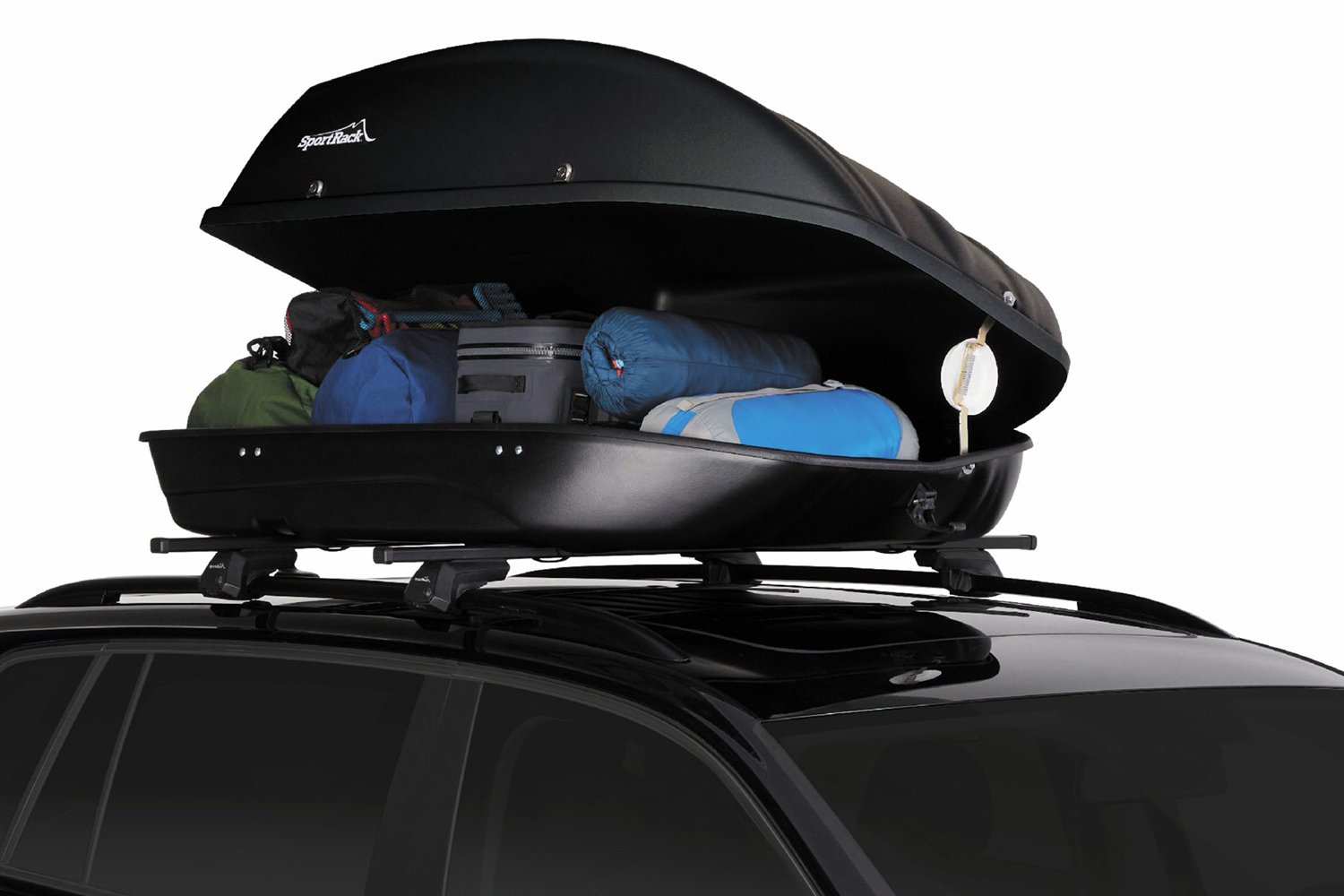
Thule has a wider range of specialty carriers, which is one of its strongest advantages. Its product family covers cargo boxes, ski and snowboard carriers, kayak racks, canoe supports, and bike carriers.
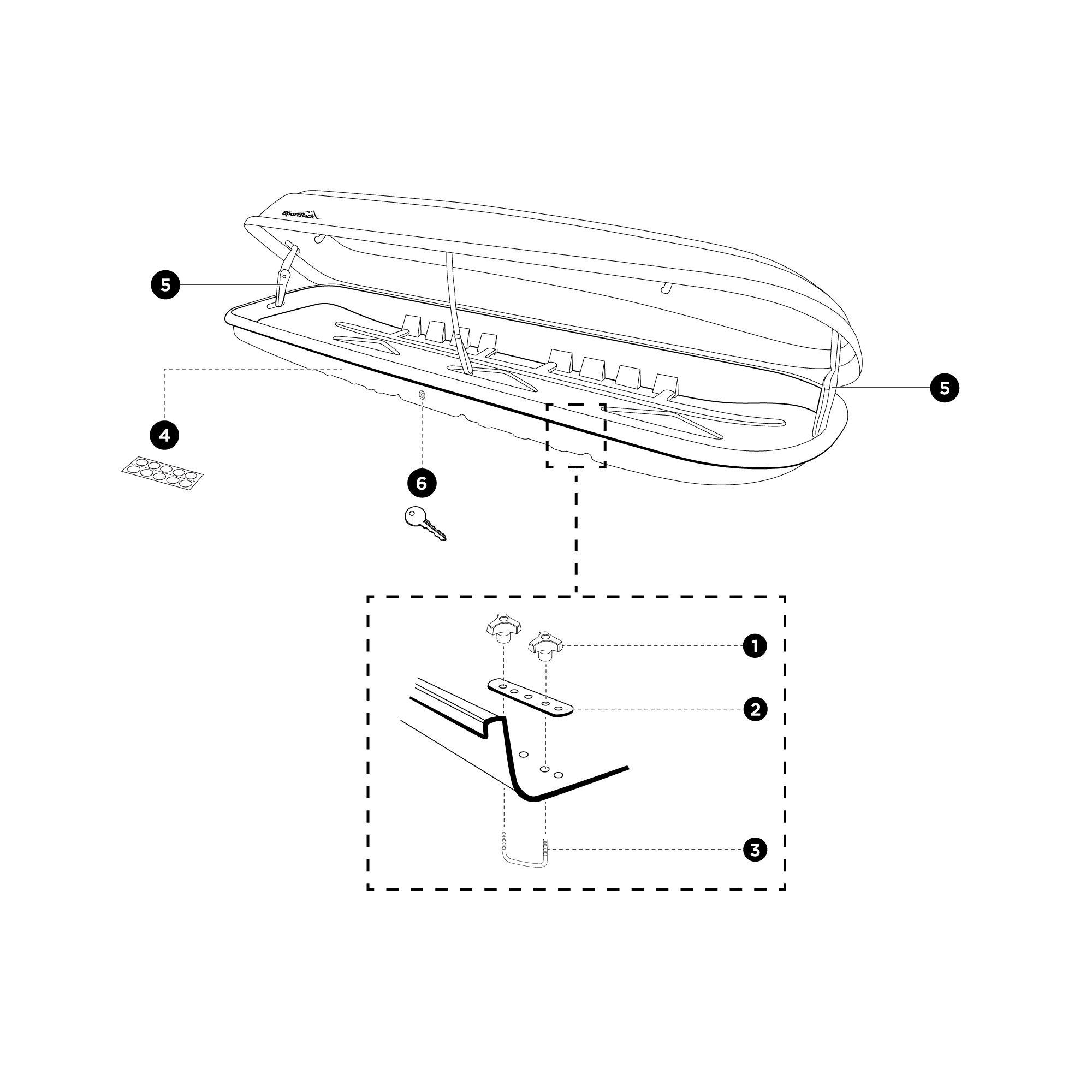
SportRack may be enough for basic seasonal use. A SportRack cargo box or ski carrier can provide useful extra space without the premium price. However, buyers should pay close attention to opening style, internal capacity, mounting hardware, and weather sealing.
For frequent travel, Thule often feels more convenient. Features such as dual-side opening, quick-mount systems, better locks, and improved aerodynamics can make a real difference. These features are not essential for every driver, but they are valuable when the rack stays on the car for months.
A useful example is a family ski trip. If you load gear twice each winter, SportRack may meet your needs. If you drive to the mountains every weekend, a quieter and faster Thule system may justify its higher cost.
Installation and ease of use
Installation is another key difference in SportRack vs Thule products. SportRack systems often use straightforward brackets, knobs, straps, or hitch pins. That simplicity can be helpful for first-time buyers.
Thule systems may have more parts, but they often provide clearer adjustment and a more precise fit. Once installed, many Thule racks are quick to remove or switch between vehicles, depending on the model.
Do not rush the first installation. A common mistake is tightening one side fully before aligning the other side. This can create uneven pressure and a poor fit.
Use this basic process:
-
Read the vehicle and rack manuals together.
-
Lay out every part before starting.
-
Center the rack on the vehicle.
-
Tighten each side in small, even steps.
-
Confirm that doors, hatches, and sunroofs work safely.
-
Test the rack with a light load.
-
Stop after a short drive and inspect all connections.
The rack should not shift, rock, or touch the vehicle body. Some movement is normal in certain hitch designs, but excessive movement is a warning sign.
Safety, security, and weather resistance
A roof or hitch rack adds weight and changes the way your vehicle handles. It can increase wind noise, reduce fuel economy, and affect braking or turning. These effects apply to both SportRack and Thule.
Thule often provides stronger built-in security features, but no rack lock should replace good judgment. A lock may discourage casual theft, yet determined thieves can attack the vehicle, rack, or accessories.
For safer use:
• Keep heavy cargo low and centered.
• Use every required strap and support point.
• Secure loose items inside cargo boxes and baskets.
• Check the load after the first few miles.
• Observe posted speed guidance and the product manual.
• Remove the rack when it is not needed.
• Do not use damaged straps, cracked plastic, or bent metal parts.
Rain and snow can also hide problems. Road salt may corrode fasteners, while freezing water can affect locks and hinges. A quick inspection before each trip is a small habit that protects both your equipment and other drivers.

Warranty, fit, and replacement parts
Warranty coverage varies by product and region, so buyers should read the current terms for the exact model. Thule generally has a stronger dealer and accessory network, which may make support and replacement parts easier to find.
SportRack can still be a sensible choice, but some older or discontinued parts may be harder to locate. This matters if you expect to keep a rack for a decade or move it to several vehicles.
Vehicle fit is more important than brand loyalty. Even an excellent Thule rack is a poor purchase if it does not match your roof, hitch, or vehicle weight rating. The same rule applies to SportRack.
Before ordering, confirm:
• The model number.
• The vehicle fit guide.
• The included adapters.
• The warranty period.
• The return policy.
• The availability of replacement keys, straps, pads, and hardware.
Save the manual and receipt. They can help with warranty claims and future installation.
Which brand should you choose?
The best answer to SportRack vs Thule depends on your use pattern.
Choose SportRack if:
• You want a lower purchase price.
• You use the rack a few times each year.
• You carry standard bikes or light outdoor gear.
• You are comfortable with basic installation.
• You do not need advanced locks or premium adjustment.
Choose Thule if:
• You travel often with outdoor equipment.
• You carry expensive bikes or technical gear.
• You want faster setup and removal.
• You need a wide range of vehicle fit options.
• You value refined design and long-term accessory support.
A middle-ground approach can also work. For example, you might buy a Thule hitch rack for valuable bikes and use a SportRack roof box for occasional family trips. The best setup does not need to come from one brand.
Common mistakes to avoid
Many rack problems come from poor fit or poor loading, not from the brand itself. Avoid these common errors when choosing between SportRack vs Thule.
• Buying by appearance instead of checking vehicle fit.
• Exceeding the rack or vehicle weight limit.
• Forgetting the weight of the rack and accessories.
• Leaving a hitch rack tilted when driving.
• Allowing straps to touch a hot exhaust.
• Carrying bikes without removing loose batteries or bags.
• Failing to check clearance from the hatch or tailgate.
• Assuming a lock makes unattended gear theft-proof.
• Ignoring unusual noise, vibration, or movement.
A short test drive can reveal issues before a long trip. If something feels wrong, pull over and inspect it rather than hoping the problem will disappear.
SportRack vs Thule: Frequently Asked Questions
Is SportRack owned by Thule?
SportRack is associated with the Thule Group and is positioned as a value-focused brand. The exact product design, warranty, and support terms still depend on the model and market.
Is Thule better than SportRack?
Thule is often better for frequent use, advanced features, broad fit options, and premium finish. SportRack can be the better value for occasional use when the product fits your vehicle and stays within its rated limits.
Are SportRack and Thule parts interchangeable?
Some accessories may look similar, but compatibility is not guaranteed. Check the model number, mounting system, bar dimensions, and official fit information before combining parts.
Can a SportRack carry an electric bike?
Only if the specific rack is rated for the bike’s weight, wheel size, frame design, and tire width. Remove the battery when the instructions require it, and never exceed the rack’s per-bike or total load limit.
Which is quieter, SportRack or Thule?
Thule often offers quieter aerodynamic designs, especially in premium crossbars and cargo boxes. Wind noise also depends on vehicle shape, bar position, load size, and installation accuracy.
Which brand is easier to install?
SportRack products often use simple hardware and can be easy to install. Thule systems may offer more precise fitting and quicker adjustment, but the best experience depends on the exact model and vehicle.
Is SportRack good for long-distance travel?
A correctly fitted SportRack can work for long trips when loaded within its limits and checked often. For frequent highway travel, Thule may provide more comfort through improved stability, security, and ease of use.
Conclusion
SportRack vs Thule is not simply a choice between good and bad. SportRack delivers useful gear at a lower price, while Thule offers more refinement, wider compatibility, and stronger appeal for frequent users. Your vehicle fit, load type, travel habits, and budget should guide the decision.
Check the exact model, confirm every weight limit, and inspect the rack before each trip. If you use outdoor gear often, investing in Thule may pay off through convenience and durability. If your needs are simple, SportRack can provide dependable value without overspending.
Compare the current fit guides and product manuals before buying, then share your experience or questions in the comments.