How To Use A Hitch Receiver Adapter: Easy Guide
A hitch receiver adapter lets you fit different hitch sizes, but you must match ratings and install it correctly.
If you have ever tried to mount a bike rack, cargo carrier, or trailer and found the receiver size just off, you already know the value of a hitch receiver adapter. Used the right way, it can solve a common towing mismatch fast. Used the wrong way, it can reduce clearance, add wobble, and even lower your safe towing capacity. I’ve seen both outcomes in real use, so in this guide I’ll walk you through how to use a hitch receiver adapter the right way, what to check before you install it, and the mistakes that can turn a simple fix into a headache.
What a hitch receiver adapter does
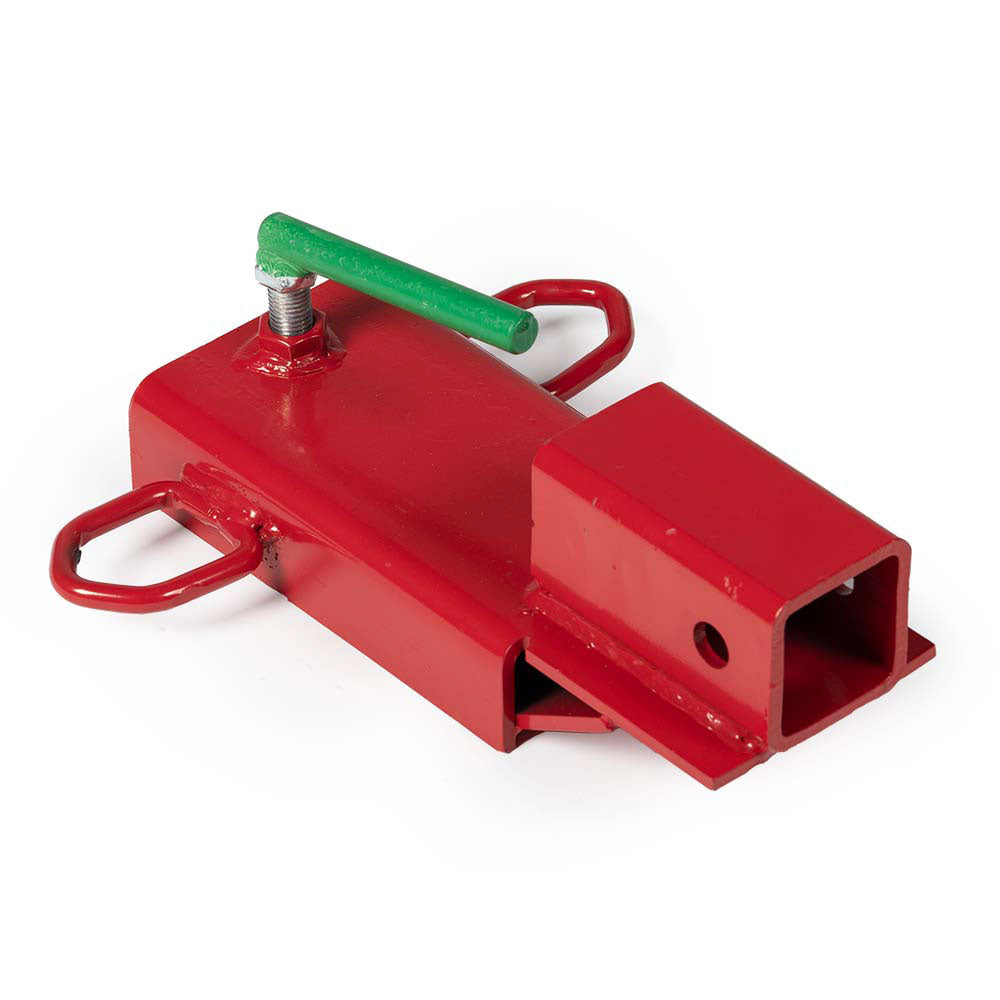
A hitch receiver adapter changes the size of your hitch opening so different accessories can fit. The most common setup is a 2-inch accessory being used in a 1.25-inch receiver, or the other way around with a reducer sleeve. In simple terms, it is a bridge between your vehicle’s hitch and the gear you want to carry or tow.
People use a hitch receiver adapter for several reasons:
- To fit a bike rack or cargo carrier to a smaller hitch
- To use a trailer ball mount with a different shank size
- To match an accessory made for a 2-inch receiver
- To get more flexibility from one vehicle setup
The key thing to remember is that a hitch receiver adapter does not magically increase strength. It only changes size. Your final towing setup is still limited by the lowest-rated part in the chain, which may be the receiver, the adapter, the pin, or the accessory itself.
How to use a hitch receiver adapter step by step
Using a hitch receiver adapter is usually simple, but the details matter. A clean install helps reduce movement, noise, and wear. I always tell people to treat the adapter like a precision fit, not just a loose piece of steel.
Follow these steps:
-
Check your hitch class and receiver size
Look at the hitch opening on your vehicle. Most are 1.25-inch or 2-inch, and that size determines what adapter you need. -
Confirm the accessory shank size
Measure the part that slides into the receiver. Match the adapter to both the receiver and the accessory, not just one side. -
Review the weight ratings
Read the tongue weight rating and towing limit for your hitch, adapter, and accessory. The lowest number wins. -
Insert the hitch receiver adapter
Slide the adapter into the receiver until the pin holes line up. It should fit snugly without forcing it. -
Secure it with a hitch pin or locking pin
Use the proper pin or lock to hold the adapter in place. If the adapter came with a stabilizer, use it too. -
Attach the accessory
Slide in the bike rack, cargo carrier, or ball mount. Then pin or lock that part as well. -
Test for movement
Shake the setup by hand. A little play is normal, but too much wobble means you may need a anti-rattle device or a better-fitting adapter. -
Recheck after driving a short distance
Stop after a few miles and inspect everything again. Heat, vibration, and road bumps can loosen parts during the first trip.
I once helped a friend mount a cargo carrier on a 1.25-inch hitch using an adapter. The fit looked fine in the driveway, but on the highway it rattled enough to sound like loose tools in a bucket. A simple anti-rattle clamp solved it, which taught me that fit and stability are not the same thing.
Choosing the right hitch receiver adapter
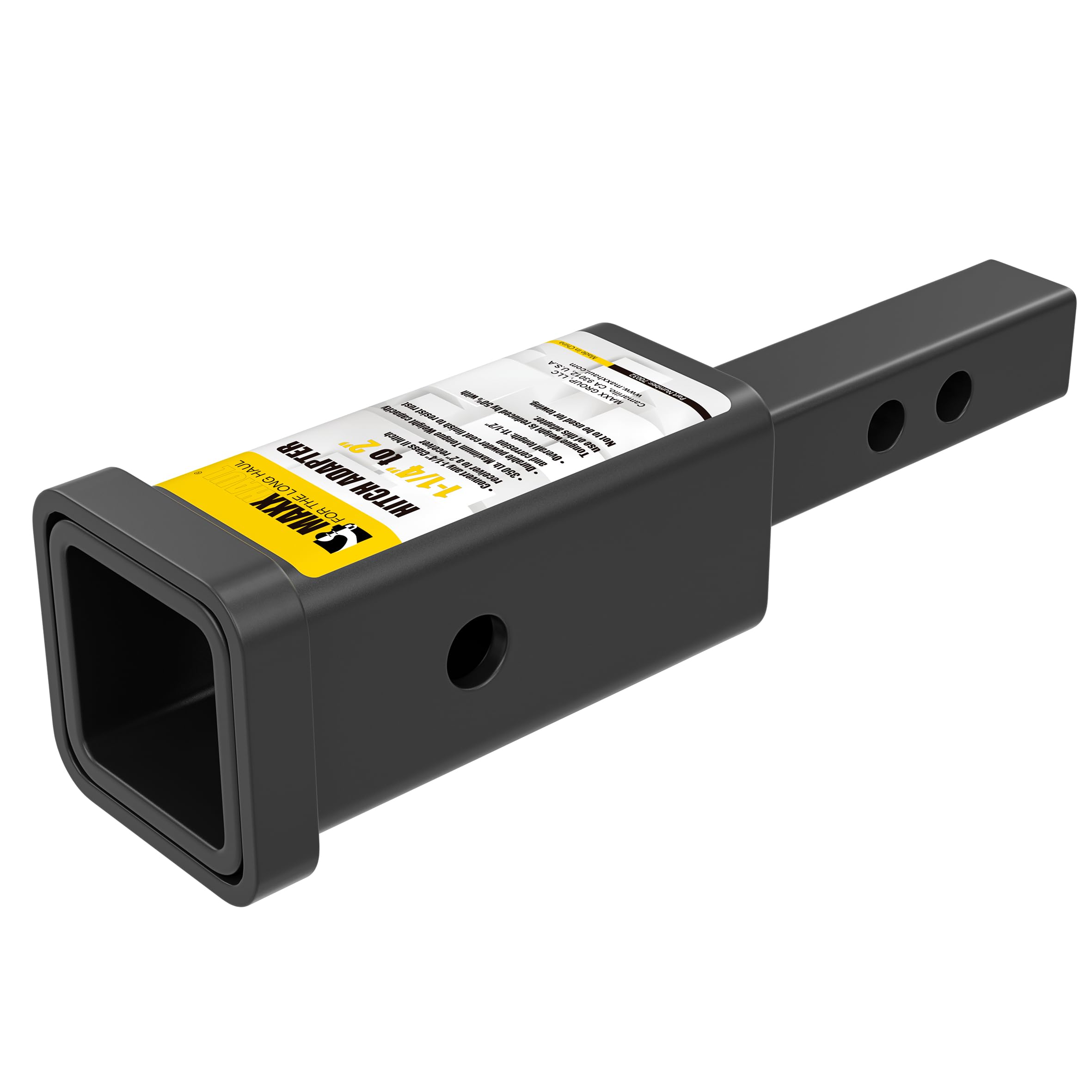
Not every hitch receiver adapter works for every job. Some are made for light accessories, while others are built for heavier loads. Picking the wrong one can cause poor fit, excess sway, or stress on the hitch.
Here’s what to check before buying:
- Receiver size, such as 1.25-inch to 2-inch or 2-inch to 1.25-inch
- Accessory size, including bike rack shanks and ball mount shanks
- Weight rating, including tongue weight and gross trailer weight
- Material quality, such as steel construction and corrosion resistance
- Length, since longer adapters can increase leverage and movement
- Compatibility with hitch pins, locks, and anti-rattle devices
A common mistake is assuming all adapters are equal. They are not. A short, heavy-duty adapter usually performs better than a long, cheap one because extra length creates more leverage. That leverage can make the rear of the vehicle feel less stable, especially with trailers or heavier carriers.
Safety tips when using a hitch receiver adapter
Safety is where the details really count. A hitch receiver adapter may look like a small part, but it affects the whole towing chain. Think of it like a small link in a bike chain: if it slips, the whole system suffers.
Keep these safety tips in mind:
- Never exceed the lowest weight rating in the system
- Do not use an adapter to tow beyond your vehicle’s limits
- Use a locking pin if theft is a concern
- Check for rust, cracks, or bent edges before every trip
- Use an anti-rattle device if the setup moves too much
- Make sure the hitch pin hole is fully aligned before inserting the pin
- Verify clearance around the exhaust, bumper, and rear hatch
You should also watch how the adapter changes distance from the vehicle. Even a few extra inches can affect turning, backing up, and rear door access. If you carry a bike rack, for example, a longer adapter may let the rack tilt clear of the hatch, but it can also add bounce on rough roads.
Common mistakes to avoid
I’ve seen a lot of people use a hitch receiver adapter in ways that create avoidable problems. Most mistakes come from rushing or assuming the adapter solves every fit issue.
Avoid these common errors:
- Using the wrong size adapter
- Ignoring the weight rating
- Skipping the hitch pin or lock
- Overlooking wobble and rattle
- Adding a long adapter to a heavy load
- Forgetting that hitch accessories can block lights or the license plate
- Using a damaged or rusted adapter
One mistake that comes up often is buying a hitch receiver adapter just to “make it work” for towing. That is risky if the trailer is heavy. For trailers, you need to confirm both the class of hitch and the adapter’s rating. For light accessories like bike racks, the rules are still important, but the risk profile is usually lower.
Hitch receiver adapter vs hitch extender
These two parts are often confused, but they are not the same thing. A hitch receiver adapter changes the receiver size. A hitch extender increases the distance between the vehicle and the accessory.
That difference matters a lot:
- A hitch receiver adapter helps fit sizes together
- A hitch extender creates more clearance
- Both can affect weight capacity
- Both can increase wobble if the fit is loose
If your goal is just to fit a 2-inch accessory into a 1.25-inch receiver, use a hitch receiver adapter. If your goal is to move a bike rack farther from the bumper or spare tire, an extender may be the better choice. The wrong part can make the setup awkward or unsafe, so it pays to match the tool to the job.
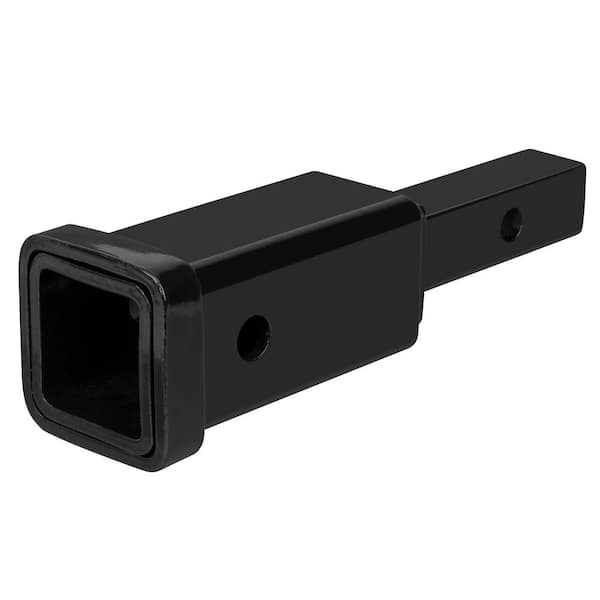
Real-world examples of when an adapter makes sense
A hitch receiver adapter is most useful when you want flexibility without replacing the whole hitch setup. That is why many drivers keep one in the garage. It solves everyday compatibility problems in a practical way.
Common examples include:
- Using a 2-inch bike rack on a vehicle with a 1.25-inch hitch
- Fitting a smaller shank accessory into a larger receiver with a reducer
- Switching between a cargo carrier and a ball mount
- Sharing one accessory between two vehicles with different receiver sizes
From my own experience, the best use case is light to moderate-duty accessories where you need a secure fit, not a big change in towing strength. It is like using the right adapter for your phone charger: it helps the connection, but it does not change the power source itself.
Maintenance and inspection
A hitch receiver adapter works best when you keep it clean and checked. Dirt, road salt, and moisture can build up over time, especially if you use it in winter or near the coast. I’ve seen rust start in the pin holes first, so those spots deserve extra attention.
Good maintenance habits include:
- Wiping off dirt after use
- Checking for surface rust
- Applying a light protectant if the manufacturer allows it
- Inspecting the pin holes for wear
- Replacing bent pins, locks, or damaged parts
- Storing the adapter indoors when possible
If the adapter starts to stick, scrape, or rattle more than usual, inspect it before the next trip. Small wear can become a bigger issue once vibration and load are added. A five-minute check now is much easier than dealing with a failed connection later.
Frequently Asked Questions
Can I use a hitch receiver adapter for towing?
Yes, but only if the adapter and every part of the setup are rated for towing. Always follow the lowest weight rating in the chain, including the vehicle hitch, adapter, ball mount, and trailer.
Does a hitch receiver adapter reduce towing capacity?
It can, depending on the design and the parts involved. The adapter does not boost capacity, and in some setups it can effectively reduce usable capacity because of extra leverage and movement.
Why does my hitch receiver adapter wobble?
Wobble usually comes from size mismatch, loose pin fit, or a lack of an anti-rattle device. A snug fit and proper stabilizing hardware can make a big difference.
Can I use a hitch receiver adapter with a bike rack?
Yes, and that is one of the most common uses. Just make sure the adapter is rated for the rack’s weight and that the rack still has enough clearance from the vehicle.
Do I need a special pin for a hitch receiver adapter?
You need the correct hitch pin or locking pin for the adapter’s hole size. Many adapters use standard pin sizes, but it is smart to confirm the fit before driving.
Conclusion
Using a hitch receiver adapter is simple once you know the basics: match the sizes, respect the ratings, secure the fit, and inspect the setup before every trip. When you treat it as a real part of the towing system, not just a quick fix, it becomes a useful tool that adds flexibility without adding risk.
If you are setting up a bike rack, cargo carrier, or light towing rig, take a few extra minutes to choose the right adapter and install it the right way. That small effort can save you from noise, wear, and safety problems later. If this guide helped, explore more towing tips, share your experience in the comments, or subscribe for more practical vehicle advice.