How To Use A Weight Distribution Hitch: Easy Setup Guide
A weight distribution hitch levels your trailer, reduces sway, and helps your tow vehicle steer and brake safely.
If you tow a travel trailer, toy hauler, or heavy camper, learning how to use a weight distribution hitch can make a huge difference in control and comfort. I’ve seen plenty of first-time towers assume the hitch is just “extra hardware,” then realize on the road that it changes everything from ride height to braking feel. Used the right way, a weight distribution hitch is less like an accessory and more like a smart tool that helps your truck and trailer work together as one stable unit.
What a weight distribution hitch does
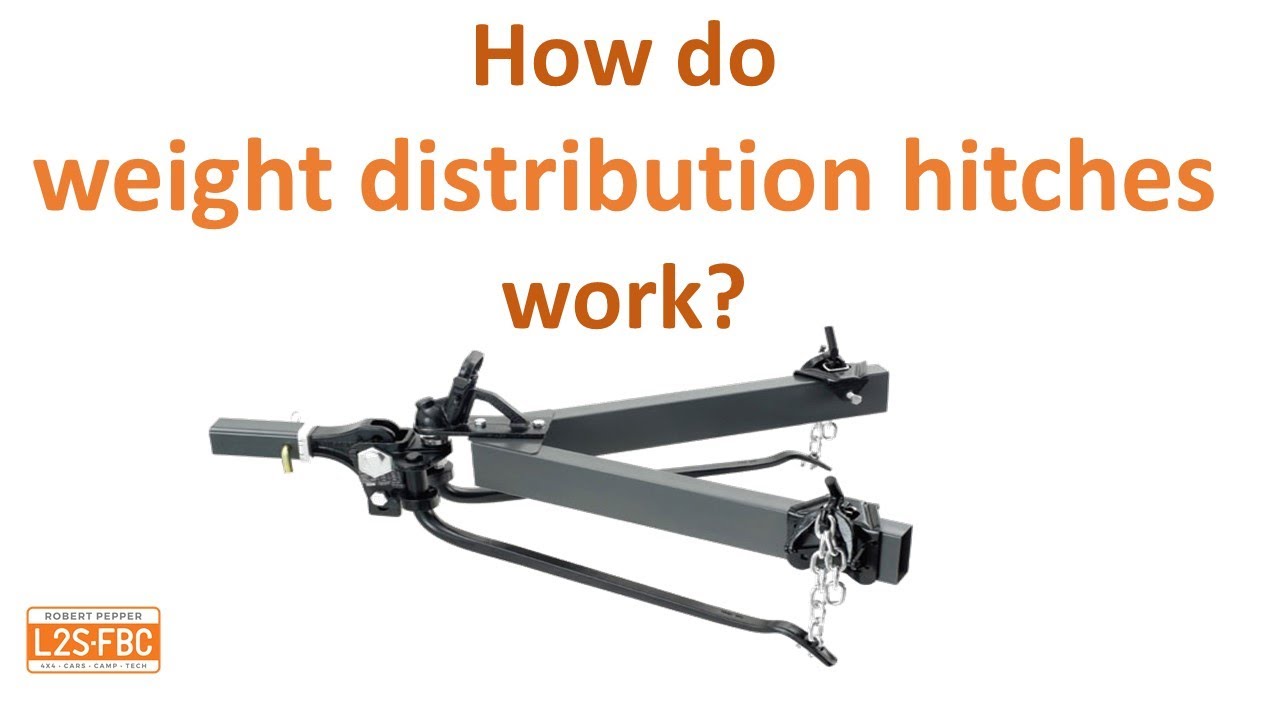
A weight distribution hitch, often called a WDH, is designed to spread trailer tongue weight more evenly across your tow vehicle and trailer axles. Instead of letting the rear of the tow vehicle sag and the front end lift, it shifts some of that load forward. That helps keep steering, braking, and headlight aim closer to normal.
This matters because too much tongue weight on the rear axle can make towing feel loose or unsteady. On one trip years ago, I noticed my steering got vague after hooking up a camper that was a little too heavy on the tongue. Once I set up the weight distribution hitch properly, the truck felt planted again, almost like it took a deep breath and stood up straight.
A WDH is especially useful when:
- Your trailer is near the upper limit of your tow vehicle’s rating
- The rear of the tow vehicle sags after hitching
- The steering feels light or floaty
- You want better braking and sway control
- Your trailer has enough tongue weight to need load transfer
It is important to know that a weight distribution hitch does not magically increase towing capacity. It improves weight balance and control, but you still need to stay within the vehicle’s gross vehicle weight rating, gross combined weight rating, and the hitch and trailer limits.
How to use a weight distribution hitch step by step
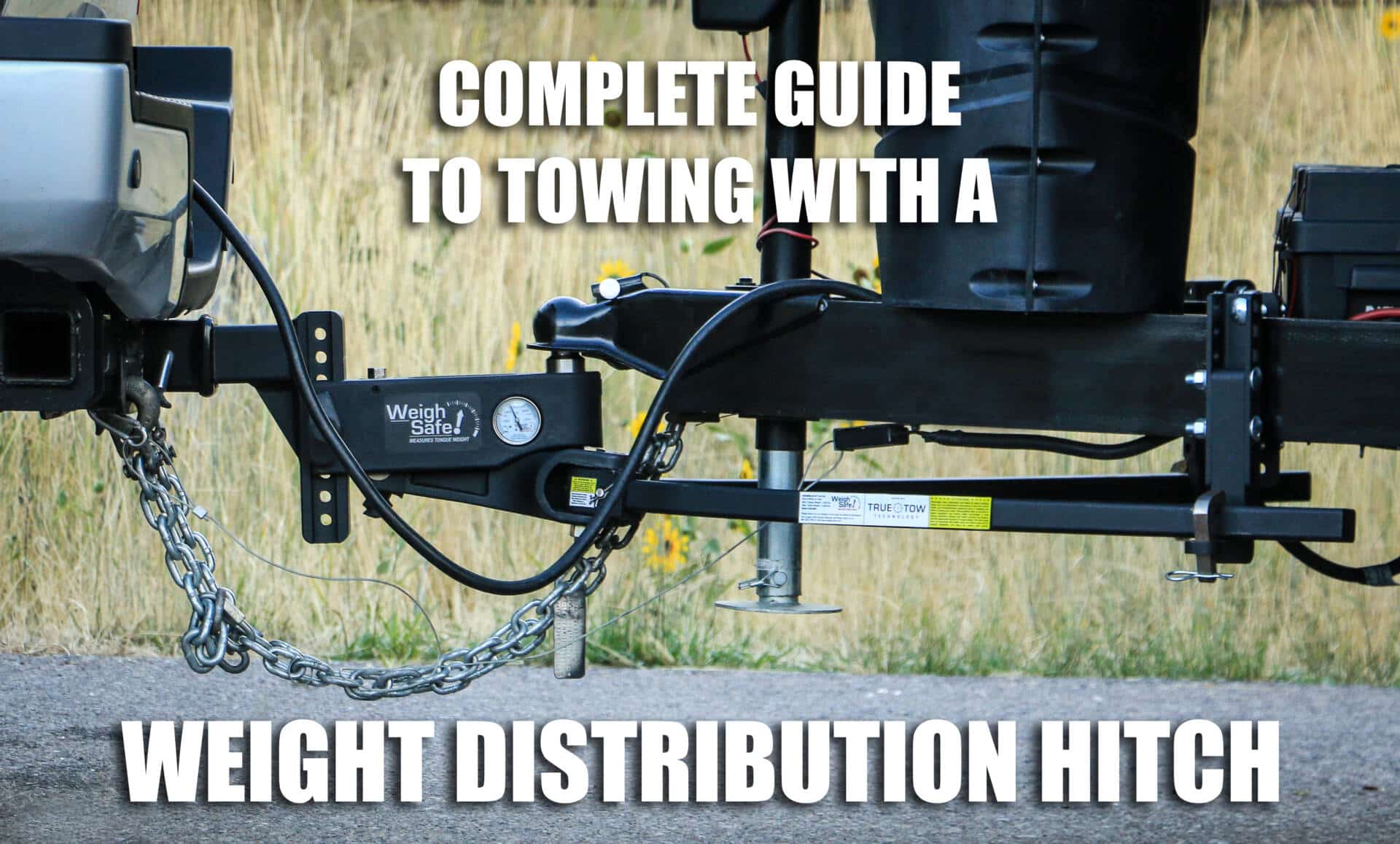
Using a weight distribution hitch is not hard, but it does need careful setup. The goal is to match the hitch to your trailer, then adjust it so the trailer sits level and the tow vehicle carries weight safely.
1. Confirm that your trailer needs one
Check the trailer tongue weight and the tow vehicle rating first. Many travel trailers with tongue weights above a few hundred pounds benefit from a WDH, especially if the trailer is long or the tow vehicle has a softer rear suspension.
A good rule is to follow the trailer and hitch manufacturer guidance, then compare that with your vehicle manual. If the numbers do not line up, the manual wins.
2. Park on level ground
Set up the hitch on a flat surface if possible. This makes measurements more accurate and helps you adjust the hitch correctly. I have made the mistake of setting one up on a sloped driveway, and the first test drive felt off because the measurements were misleading from the start.
3. Measure the tow vehicle before hitching
Before attaching the trailer, measure the front and rear wheel well height of the tow vehicle. Write these numbers down. These baseline measurements help you see how much the trailer changes the vehicle’s stance.
4. Attach the trailer to the hitch ball
Back up the tow vehicle, lower the coupler onto the hitch ball, and lock it in place. Make sure the coupler latch is secure and that the safety pin or lock is installed. Then connect the safety chains and the trailer wiring harness.
5. Raise the trailer and tow vehicle slightly
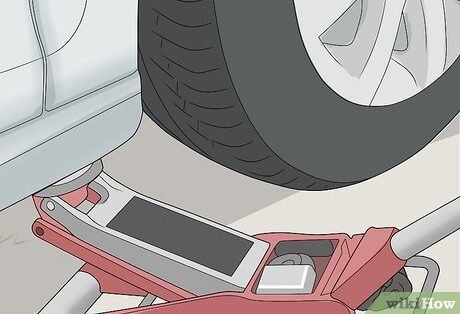
Use the tongue jack to lift the trailer and rear of the tow vehicle a little. This step reduces spring bar tension, which makes it easier and safer to connect the bars. It also protects your hands and makes the process smoother.
6. Install the spring bars
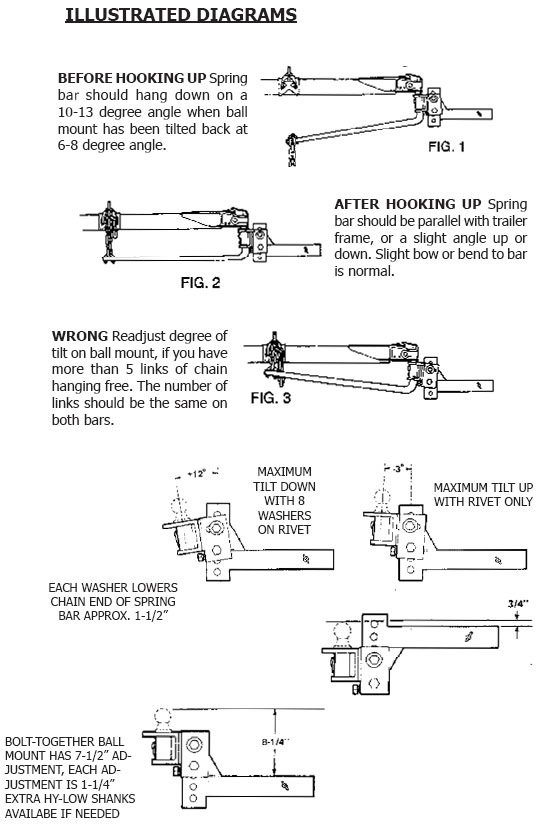
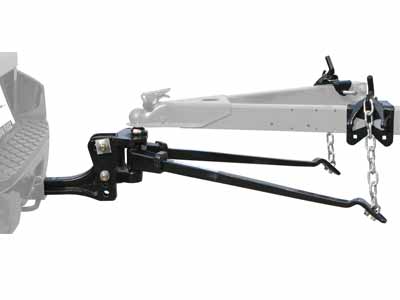
Insert the spring bars into the hitch head or brackets, depending on the system you have. Then engage them using the chain links, snap-up brackets, or trunnion style hardware. This is the part that actually transfers weight.
The bars should sit evenly and be matched side to side. If one bar is set differently, the trailer can pull unevenly and the ride may feel strange.
7. Lower the tongue jack and recheck ride height
Once the bars are engaged, lower the tongue jack fully so the weight transfer is working. Then measure the tow vehicle again at the front and rear wheel wells. The front end should come back down close to its unhitched height, or to the manufacturer’s recommended setting.
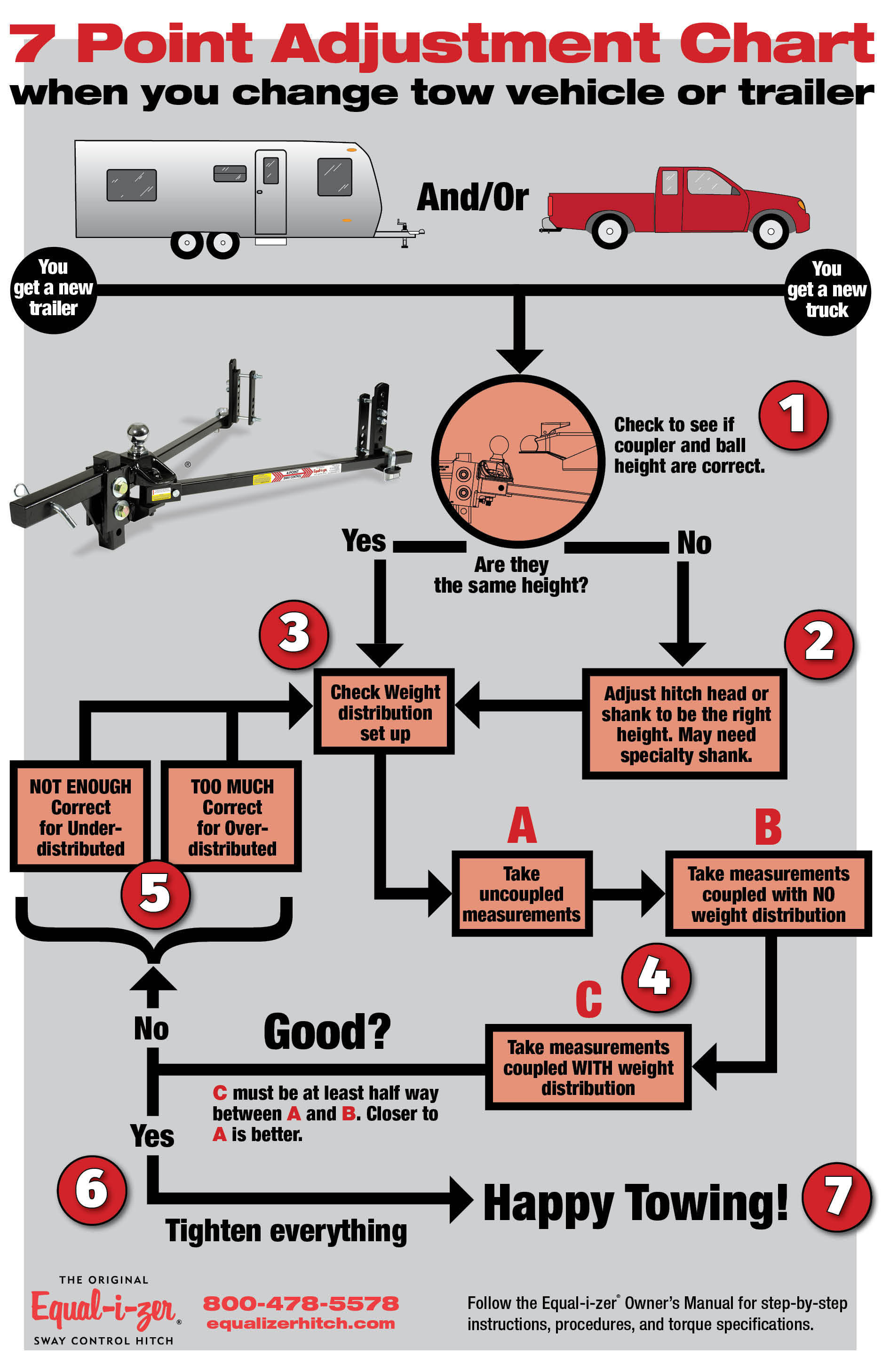
8. Fine-tune the setup
If the rear is still sagging too much, increase tension. If the front is pushed too low or the trailer nose looks too high, back off slightly. Small changes matter here. A single link or one hole position can make a noticeable difference.
9. Test drive carefully
Take a short drive on local roads first. Pay attention to steering feel, braking, and trailer sway. A properly adjusted weight distribution hitch should feel stable, not harsh or stiff.
10. Recheck after loading changes
If you add bikes, water, coolers, or extra cargo, recheck the setup. Trailer loading changes tongue weight, and that can affect how the hitch performs. I always tell people: treat hitch setup like tire pressure. It should be checked, not guessed.

How to adjust a weight distribution hitch correctly
Adjusting a weight distribution hitch is where good towing turns into great towing. The main idea is to restore balance, not just make the trailer sit level at any cost.
Start by looking at the tow vehicle’s front axle height. Many manufacturers want the front end to be returned close to its unhitched height after the hitch is engaged. That helps maintain steering and braking feel.
Here are the main adjustment points:
- Hitch head tilt: Changes how much force the spring bars apply
- Chain link count: More tension usually means more weight transfer
- Bracket position: Affects the leverage and distribution
- Ball mount height: Helps level the trailer properly
A common mistake is chasing a perfectly level trailer while ignoring the tow vehicle. I’ve seen setups that looked great from the side but still handled poorly because the front axle was not restored enough. Safe towing is about balance, not just appearance.
If your system uses sway control, adjust that too according to the instructions. Some integrated sway systems are built into the hitch head or spring bar design, while others use separate friction components.
Safety checks before every trip
A weight distribution hitch works best when you inspect it before rolling out. It takes only a few minutes and can prevent a long, stressful day on the road.
Before towing, check:
- Hitch ball and coupler are locked
- Spring bars are seated correctly
- Safety chains are crossed and attached
- Breakaway cable is connected
- Pin clips and hardware are secure
- Trailer lights are working
- Tongue jack is fully raised
- Tire pressure is set correctly on both tow vehicle and trailer
Also look for unusual wear. Bent brackets, worn chain links, or loose bolts can mean the system is not working as intended. If something feels off, stop and inspect it before driving farther.
Common mistakes when using a weight distribution hitch
Even experienced towers make mistakes with a WDH. The good news is most of them are easy to avoid once you know what to look for.
Common mistakes include:
- Guessing at setup instead of measuring
- Using the wrong hitch rating for the trailer
- Forgetting to level the trailer before adjustment
- Hitching on uneven ground without checking measurements
- Over-tightening the system and making the ride harsh
- Ignoring changing cargo loads
- Skipping torque checks on bolts and fasteners
One of the biggest lessons I learned is that “close enough” is not good enough with towing gear. A small setup error can show up as sway, poor braking, or uneven tire wear. It is much easier to spend 20 extra minutes in the driveway than to fight a bad setup for 200 miles.
Benefits of using a weight distribution hitch
A properly used weight distribution hitch gives you more than just a level trailer. It improves the whole towing experience.
Main benefits include:
- Better steering control
- Improved braking balance
- Reduced rear-end sag
- More stable ride quality
- Less trailer sway in many setups
- Better headlight aim at night
- Less stress on suspension components
These benefits are especially noticeable with midsize SUVs and half-ton trucks towing near their limits. The difference can feel like swapping a wobbly shopping cart for one with straight wheels. It still moves, but now it tracks the way it should.
When a weight distribution hitch may not be enough
A WDH is helpful, but it has limits. If your trailer is overloaded, tongue weight is too high, or the tow vehicle is below the needed rating, no hitch can fix that safely.
You may need a different towing setup if:
- The trailer exceeds your vehicle’s ratings
- The trailer is too heavy for the hitch class
- The load is badly balanced
- The sway is caused by speed, wind, or tire issues
- The trailer brakes are not adjusted correctly
If you are unsure, weigh the rig at a certified scale. That gives you real numbers instead of estimates. In my experience, scale tickets answer more questions than any guess ever will.
Maintenance tips for long-term reliability
Like any towing equipment, a weight distribution hitch needs care. A little maintenance keeps it working smoothly and safely.
Keep these habits in mind:
- Grease moving parts if the manufacturer allows it
- Inspect spring bars for cracks or bending
- Check bolts for proper torque
- Store the hitch clean and dry
- Replace worn pins, clips, and bushings
- Watch for rust on brackets and hardware
After long trips, I like to do a full walk-around and touch every major connection point. It is simple, but it helps catch loose hardware before it turns into a roadside problem.
Frequently Asked Questions of How to use a weight distribution hitch
How do I know if my weight distribution hitch is set correctly?
A good sign is that the tow vehicle sits close to its original front ride height and the trailer tracks straight. The ride should feel stable, not bouncy or overly stiff.
Can I tow without a weight distribution hitch?
Yes, but only if your vehicle, trailer, and hitch ratings allow it and the setup is safe. For many larger travel trailers, a WDH is strongly recommended because it improves balance and control.
Does a weight distribution hitch stop trailer sway?
It can help reduce sway, but it does not cure every cause of sway. Tire issues, poor loading, high speed, and strong crosswinds can still create instability.
How tight should the spring bars be?
They should be tensioned according to the hitch manufacturer’s instructions and your vehicle’s measured ride height. Too little tension limits weight transfer, while too much can make the ride harsh.
Do I need to adjust the hitch every time I tow?
Not always, but you should check it whenever the trailer load changes. If you add water, cargo, or bikes, the tongue weight can change enough to affect performance.
What is the difference between a weight distribution hitch and sway control?
A weight distribution hitch spreads tongue weight across the axles. Sway control reduces side-to-side movement, and some systems combine both functions in one setup.
Conclusion
Using a weight distribution hitch the right way is one of the best things you can do for safer, calmer towing. It helps balance tongue weight, improves steering and braking, and makes the whole rig feel more controlled on the road. The key is to set it up carefully, measure your vehicle height, and keep checking it as your load changes.
If you tow often, take the time to learn your hitch, follow the manufacturer instructions, and confirm your numbers with a scale when needed. That extra effort pays off every mile. If this guide helped, explore more towing tips, share your own setup experience, or leave a comment with the hitch you use and how it performs.