How To Use A Recovery Shackle: Safe Winching Guide
Use a recovery shackle by matching the load, threading it properly, and securing it before recovery.
A recovery shackle looks simple, but using one the right way can mean the difference between a safe pull and a costly mistake. If you have ever seen a stuck vehicle come free in mud, sand, or snow, you already know how much trust people place in this small piece of hardware. In this guide, I’ll walk you through how to use a recovery shackle with care, confidence, and the kind of real-world detail that helps you do it safely.
What a recovery shackle is and why it matters
A recovery shackle is a strong connection point used in vehicle recovery. It links a recovery strap, winch line, or other recovery gear to a rated recovery point on a vehicle. Most people use a bow shackle or soft shackle, depending on the recovery setup and the weight involved.
The job is simple, but the stakes are high. When a vehicle is stuck, forces can spike fast. That is why using a recovery shackle the correct way is so important. It helps keep the load secure and reduces the chance of gear failure.
In my own off-road use, I learned early that the shackle is not just “something to clip on.” It is part of the load path. If you treat it like a random hook, you are asking for trouble. If you respect the rating and the setup, it becomes one of the most useful tools in a recovery kit.

Types of recovery shackles
Not all recovery shackles work the same way. The two most common types are metal shackles and soft shackles. Each has its place, and the best choice depends on the recovery job.
Bow shackle
A bow shackle has a rounded body and a removable pin. It is usually made from steel or alloy steel and is often powder-coated or galvanized. It is popular because it is strong, durable, and easy to inspect.
Soft shackle
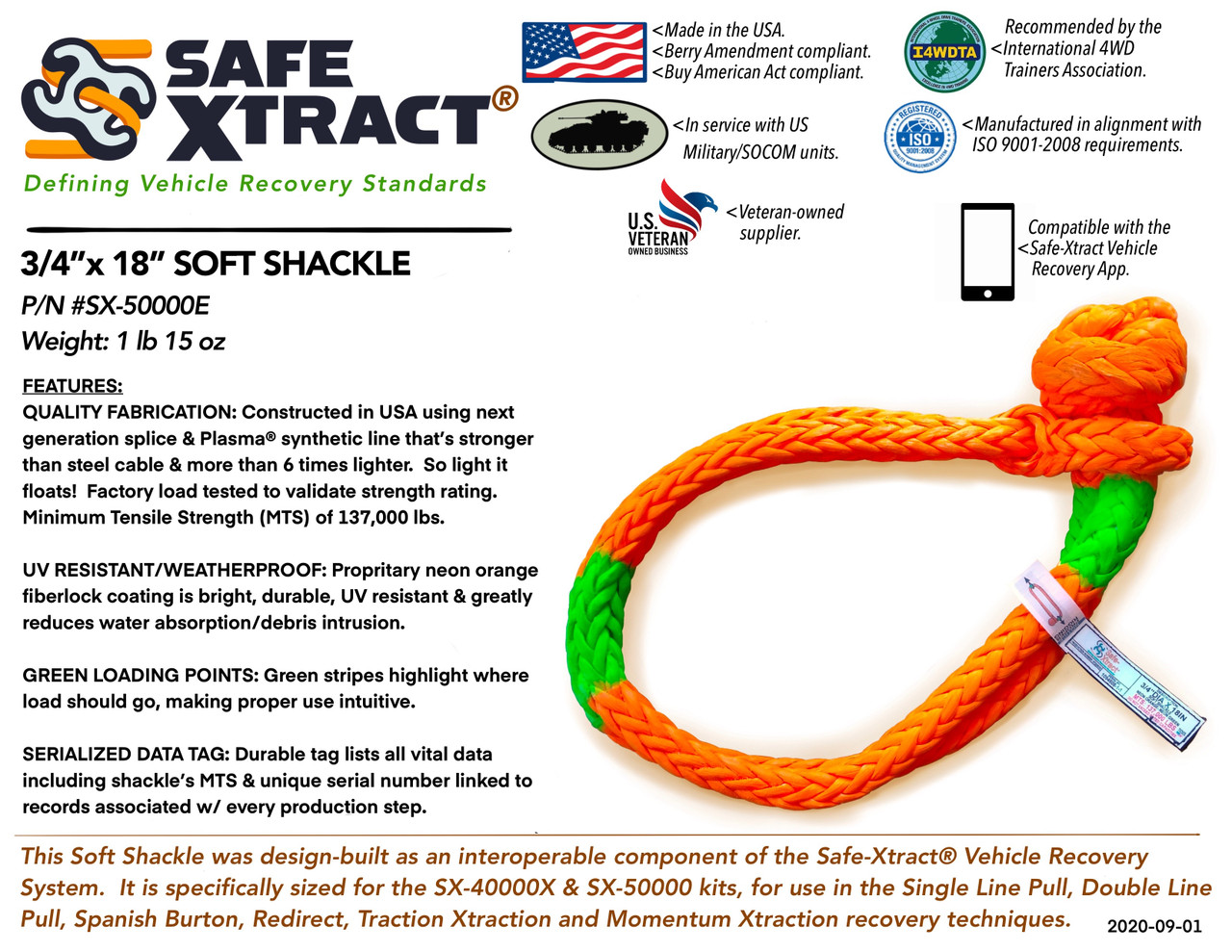
A soft shackle is made from high-strength synthetic rope, often Dyneema or a similar fiber. It is lightweight, easy to store, and less likely to become a dangerous projectile if it fails. Many recovery drivers like it for trail use because it is simple and friendly to vehicle finishes.
Why type matters
The right shackle depends on:
- The weight of the vehicle
- The type of recovery strap or winch line
- The recovery point on the vehicle
- The environment, such as mud, water, or sand
- The need for speed, ease, or reduced risk of recoil
If you are new to recovery gear, the safest mindset is this: use the shackle that matches the system, not the one that looks toughest.
How to use a recovery shackle step by step
Using a recovery shackle correctly is mostly about setup, not force. Think of it like checking a climbing knot before a climb. The gear may be strong, but the setup has to be right.
1. Inspect the shackle before use
Start by checking the shackle for damage. Look for bent metal, cracked coatings, deep rust, frayed fibers on a soft shackle, or a pin that does not thread smoothly.
Do not use a shackle with visible damage. I have seen people try to “get one more pull” out of worn gear, and that usually ends badly. A damaged shackle is not a bargain. It is a risk.
2. Check the working load limit
Every quality recovery shackle should have a rated working load limit or WLL. Make sure the shackle rating is appropriate for the recovery task and vehicle weight. The recovery point, strap, and other hardware should also be rated.
A strong shackle does not make an unsafe recovery point safe. The whole system is only as strong as its weakest part. That is a basic rule in recovery and one worth repeating.
3. Connect it to a proper recovery point
Attach the shackle to a rated recovery point on the vehicle. Do not connect it to tie-down points, suspension parts, tow balls, or random brackets. Those parts are not designed for recovery loads and can fail suddenly.
A proper recovery point is built to take pulling forces. It is mounted and rated for that job. That small detail matters a lot more than most people realize.
4. Thread the strap or rope through the shackle correctly
Place the recovery strap, bridle, or rope in the shackle bow, not around the pin. The load should sit in the rounded body of the shackle so the force is spread evenly.
For a bow shackle:
- Put the strap eye or rope loop in the bow
- Thread the pin through the recovery point
- Tighten the pin by hand
- Back it off slightly if your gear maker recommends it for dynamic loads
For a soft shackle:
- Open the loop carefully
- Pass it through the recovery point
- Feed the knot end through the loop
- Pull it snug so it locks into place
Never let a recovery strap ride on the pin if you can avoid it. That creates side loading and can damage the shackle or reduce its strength.
5. Align the setup to avoid side loading
A recovery shackle works best when the pull is straight. Side loading happens when force is applied at an angle. That can put extra stress on the shackle and make failure more likely.
Before you pull, look at the angle:
- The shackle should sit flat and natural
- The strap should not twist hard
- The vehicle should be lined up as much as possible
- The recovery point should not be forced sideways
This is one of those details people skip when they are in a hurry. It is also one of the most common mistakes I see in real recoveries.
6. Tighten and secure the connection
For a metal shackle, thread the pin in until snug. Hand-tight is usually enough for most recoveries. Some setups may call for a little looseness depending on the gear maker’s guidance, but the pin should never be left wobbly or halfway engaged.
For a soft shackle, make sure the knot is seated properly and the loop is locked. If the knot looks off-center or the rope is twisted badly, reset it before pulling.
7. Clear the area before the pull
Before any recovery, make sure no one is standing near the line of pull. This is one of the biggest safety rules in off-road recovery. If a shackle, strap, or point fails, the stored energy can release fast.
Use these basic safety habits:
- Keep people well away from the recovery zone
- Stand to the side, not in line with the pull
- Use a dampener if appropriate for the setup
- Communicate clearly between drivers and spotters
I always tell people this: the gear is important, but distance is cheap insurance.

Safety rules you should never skip
A recovery shackle is only safe when used as part of a full recovery plan. It is not a standalone solution. The more dynamic the pull, the more careful you need to be.
Use rated gear only
Every part of the system should have a proper rating. That includes the shackle, recovery strap, bridle, and recovery points. If one piece is homemade, worn out, or unmarked, the whole setup becomes harder to trust.
Never use a tow ball for recovery
This point is worth saying again because it has caused serious injuries. Tow balls are for towing trailers, not vehicle recovery. They can shear off under load and become dangerous projectiles.
Avoid shock loading
Do not yank hard on the shackle. Sudden force creates shock loading, which can multiply stress through the system. Smooth, controlled pulls are safer and often work better.
Replace damaged gear
If a shackle is bent, cracked, heavily corroded, or frayed, retire it. Gear failure in recovery is usually not random. It often starts with wear that someone ignored.
Match the shackle to the job
A small shackle may be fine for a light pull, but not for a heavy SUV buried in mud. Choose gear with enough margin for the task. Safety margin matters more than bragging rights.
Common mistakes people make with recovery shackles
I have seen the same mistakes happen over and over, especially with newer drivers. The good news is that most of them are easy to avoid once you know what to watch for.
- Using the wrong attachment point
- Leaving the pin loose or cross-threaded
- Side loading the shackle
- Using damaged or rusty gear
- Standing too close during recovery
- Mixing rated and unrated equipment
- Overlooking the angle of the pull
- Assuming “bigger” means “safer” without checking the full system
One lesson I learned the hard way was this: if something feels rushed, stop and reset. Recovery is not the moment to wing it. A calm two-minute check can save a very expensive mistake.
Recovery shackle best practices for off-road use
If you recover vehicles often, a few habits will make your setup safer and easier to use. These are the same habits experienced off-road drivers tend to rely on.
- Keep shackles clean and dry when stored
- Inspect gear before every trip
- Carry a spare shackle if you travel off-road often
- Use gloves when handling muddy or pinched hardware
- Store soft shackles away from sharp edges and heat
- Learn your gear’s load ratings before heading out
A good recovery kit should feel organized, not improvised. When the trail gets messy, simple habits make a big difference.
When to choose a soft shackle vs a metal shackle
Both types have benefits, and neither is perfect for every job. The best choice depends on your recovery style and environment.
Choose a soft shackle if you want:
- Lower weight
- Easier handling
- Less risk of metal recoil
- Good performance with synthetic winch rope
Choose a metal shackle if you want:
- High durability
- Strong performance in rugged conditions
- Better resistance to abrasion and heat
- A traditional option for many towing and recovery setups
From a practical standpoint, many drivers carry both. That gives flexibility for different situations. I have found that having options matters more than trying to force one tool to do every job.

Frequently Asked Questions
How do you know if a recovery shackle is rated?
A rated recovery shackle usually has markings for load capacity or working load limit. If the shackle has no clear rating, do not assume it is safe for vehicle recovery. Always use gear that is clearly labeled and matched to the task.
Can you use a recovery shackle on a tow strap?
Yes, but only if the strap and shackle are both rated for recovery and properly connected to rated recovery points. The strap should sit in the bow of the shackle, not around the pin. That helps keep the load centered and safer.
Should a recovery shackle be tight or loose?
For most bow shackle setups, the pin should be snug and properly seated. Follow the manufacturer’s guidance, since some recovery systems allow a small amount of adjustment. The main goal is secure engagement without cross-threading or side stress.
Are soft shackles strong enough for recovery?
Yes, many soft shackles are strong enough for vehicle recovery when used correctly and within their rating. They are popular because they are lightweight and reduce metal recoil risk. Still, they must be protected from sharp edges and heat damage.
How often should you replace a recovery shackle?
Replace it as soon as you see damage, wear, or deformation. There is no magic date that fits every shackle, because use, storage, and environment all matter. If you are unsure about its condition, it is safer to replace it.
Conclusion
Using a recovery shackle the right way is not complicated, but it does require care. Inspect the gear, match the rating, connect to a proper recovery point, keep the pull straight, and clear everyone out of the danger zone. Those simple habits turn a risky recovery into a controlled one.
If you remember nothing else, remember this: the safest recovery is the one that respects the gear and the forces involved. Take your time, check your setup, and build the habit of doing it right every single time. If this guide helped, explore more recovery safety tips and share your own experience in the comments.