Can An Obd2 Scanner Diagnose Fuel System Issues: Expert Guide
Yes, an OBD2 scanner can diagnose many fuel system issues, but not every problem with full accuracy.
If you have ever watched a check engine light turn on and wondered whether your OBD2 scanner can point you to a fuel problem, you are not alone. In my own hands-on work with scan tools, I have seen them quickly narrow down fuel trim issues, injector faults, fuel pressure clues, and lean or rich running conditions, while also showing where a deeper test is still needed. This guide breaks down what an OBD2 scanner can really tell you about fuel system issues, what it cannot, and how to use the data the smart way.
How an OBD2 scanner helps with fuel system problems
An OBD2 scanner is one of the best starting points for fuel diagnosis. It reads trouble codes, live data, and freeze frame data from the vehicle’s engine control module. That gives you a map of what the engine is seeing, even if it does not give you the full picture.
When the fuel system is acting up, the engine usually reacts in a few clear ways. It may run lean, run rich, misfire, hesitate, stall, or burn more fuel than normal. An OBD2 scanner can often point you toward the cause by showing codes and data that match those symptoms.
Here is what it can help you spot:
- Lean fuel conditions, often shown by codes like P0171 or P0174
- Rich fuel conditions, often shown by codes like P0172 or P0175
- Fuel trim problems that suggest the engine is adding or removing too much fuel
- Misfire codes that can be tied to poor fuel delivery
- Sensor data that hints at pressure, airflow, or injector-related issues
In real-world use, this is where the scanner shines. It helps you stop guessing and start testing the right part of the system first.
 problems”
style=”max-width: 100%; height: auto; border: 2px solid black; border-radius: 10px; display: block; margin: 0 auto;”
loading=”lazy”
/>
What fuel system issues an OBD2 scanner can detect
An OBD2 scanner does not directly “see” fuel like a fuel pressure gauge does. Instead, it sees the results of fuel system behavior through engine data. That is still very useful, because the engine control module is constantly adjusting fuel delivery.
Common fuel-related issues a scanner may help identify include:
- Low fuel pressure symptoms
- Weak fuel pump performance
- Dirty or clogged fuel injectors
- Leaking injectors
- Faulty fuel pressure sensor readings
- Air leaks that cause a lean condition
- Bad mass air flow sensor data that mimics fuel issues
- Restricted fuel delivery under load
The scanner can also reveal patterns in fuel trim. Short-term fuel trim and long-term fuel trim are especially useful. If the engine keeps adding fuel, that often means it is running lean. If it keeps pulling fuel away, it may be running rich.
I have found fuel trim data to be one of the most useful tools in basic diagnosis. It is like reading the engine’s diary. You are not seeing the whole event, but you are seeing how the engine keeps reacting to it.
Common OBD2 codes tied to fuel system issues
Some codes show up again and again when fuel problems are involved. These codes do not always mean the fuel system is the only cause, but they are strong clues.
Common examples include:
- P0171: System too lean, bank 1
- P0174: System too lean, bank 2
- P0172: System too rich, bank 1
- P0175: System too rich, bank 2
- P0087: Fuel rail/system pressure too low
- P0088: Fuel rail/system pressure too high
- P0200: Injector circuit fault
- P0300: Random misfire
- P0301 to P0308: Cylinder-specific misfires
A code is not the full answer. It is more like a signpost. For example, a lean code may come from low fuel pressure, but it can also come from a vacuum leak, bad sensor data, or an exhaust leak ahead of the oxygen sensor.
That is why a scanner should be used as part of a diagnostic process, not as the final word.
Live data that matters most
If you want to get the most from an OBD2 scanner, live data is where the real value lives. This is where you can watch the engine respond in real time.
The most useful fuel-related data items are:
- Short-term fuel trim
- Long-term fuel trim
- Oxygen sensor readings
- Air-fuel ratio sensor readings
- Engine load
- Mass air flow readings
- Intake air temperature
- Coolant temperature
- Fuel rail pressure, if supported
- Injector pulse width, if supported
A healthy engine usually keeps fuel trims near zero, though some variation is normal. Large positive trims often mean the engine is adding fuel to make up for a lean condition. Large negative trims often mean it is removing fuel because the mixture is too rich.
One mistake I made early on was focusing too much on codes and not enough on live data. A code may tell you the engine is unhappy. Live data tells you why.
What an OBD2 scanner cannot do
This is the part many drivers overlook. An OBD2 scanner is helpful, but it has limits.
It usually cannot:
- Measure actual fuel pressure unless the vehicle reports it
- Find a weak pump with certainty on its own
- Prove an injector is clogged
- Detect every mechanical fuel leak
- Replace pressure testing or smoke testing
- Diagnose wiring damage without further inspection
Think of the scanner as a smart translator, not a mechanic in a box. It reads the symptoms the car is reporting. It does not physically test every component.
For example, if your fuel pump is weak, the scanner may show lean trims and a lean code. But that same pattern could also come from a vacuum leak or a bad sensor. You still need follow-up tests to confirm the cause.
Best way to use an OBD2 scanner for fuel diagnosis
A good diagnosis works best when you follow a simple order. That keeps you from replacing parts too early.
Use this process:
-
Read the codes and freeze frame data
This tells you what the engine was doing when the fault happened. -
Check fuel trims at idle and under load
A lean condition that gets worse under load can point to fuel delivery problems. -
Look at oxygen sensor behavior
Slow or strange readings can support what the trims are showing. -
Compare sensor data to normal values
Bad airflow or temperature readings can mimic fuel issues. -
Confirm with physical testing
Use a fuel pressure gauge, smoke machine, or electrical test if needed.
This process saves time and money. I have seen people replace pumps, sensors, and injectors just because of one code. A better habit is to use the scan tool to narrow the field first, then test the likely cause.
Real-world examples of fuel system diagnosis
Here are a few examples that show how an OBD2 scanner can help in practice.
A lean code on a high-mileage car:
The scanner showed P0171 and fuel trims were high at idle. Smoke testing later found a small intake leak. The scanner did not find the leak by itself, but it pointed us in the right direction fast.
A weak fuel pump:
The vehicle had hesitation under acceleration. The scanner showed lean trims getting worse with throttle, and fuel pressure data was low on supported models. A pressure test confirmed the pump was failing.
A clogged injector:
The engine had a rough idle and one cylinder kept misfiring. The scanner showed a cylinder-specific misfire code and long-term trim issues. After injector balance testing, one injector was found to be restricted.
These cases show the same lesson. The OBD2 scanner is powerful, but it works best as part of a full diagnostic process.
When you need more than a scanner
Sometimes the scanner gives you a clue, but not the final answer. That is normal.
You may need additional tools if you see:
- Lean codes with no clear cause
- Misfires that keep coming back
- Fuel pressure data that looks normal but the engine still runs badly
- Intermittent stalling
- Hard starts with no strong code pattern
Tools that help beyond the scanner include:
- Fuel pressure gauge
- Smoke machine
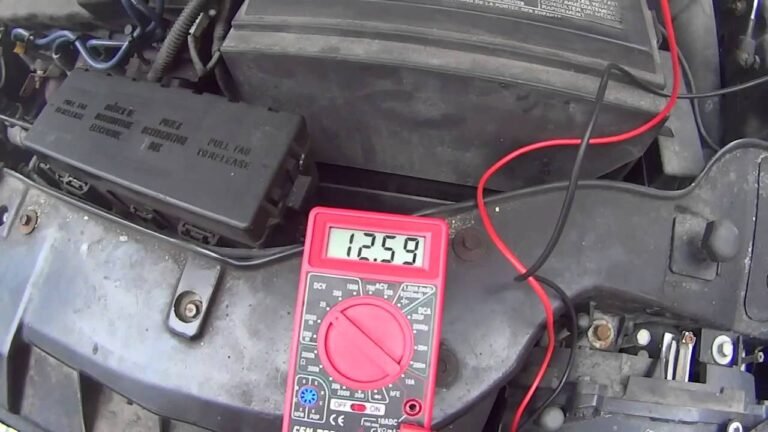
- Multimeter
- Noid light
- Injector balance tester
- Vacuum gauge
A scanner is the first step. These tools help prove the fault. That combination is what leads to confident repairs instead of guesswork.
Benefits of using an OBD2 scanner for fuel issues
There are several clear benefits to using a scanner before opening the hood.
- Faster diagnosis
- Less guessing
- Lower repair costs
- Better understanding of engine behavior
- Helpful data for intermittent problems
- Easier communication with a mechanic
For everyday drivers, that can be a big deal. Even a basic scan tool can tell you whether the problem looks serious or whether the car should be checked soon. For DIY owners, it can prevent expensive part swapping.
Limits and common mistakes to avoid
A scanner is useful, but it is easy to misuse it. The biggest mistake is treating a code like a diagnosis.
Avoid these common errors:
- Replacing parts before checking live data
- Ignoring vacuum leaks on lean codes
- Assuming one code means one failed part
- Forgetting that sensor data can be misleading
- Overlooking wiring and connector problems
Another mistake is not checking whether the scanner supports enhanced data for your vehicle. Some basic scan tools show only generic codes and limited live data. That can be enough for a rough check, but not for deep fuel system work.
I have learned that patience matters here. Good diagnosis is often slow, but it is still faster than doing the same repair twice.
What makes an OBD2 scanner worth buying for fuel diagnosis
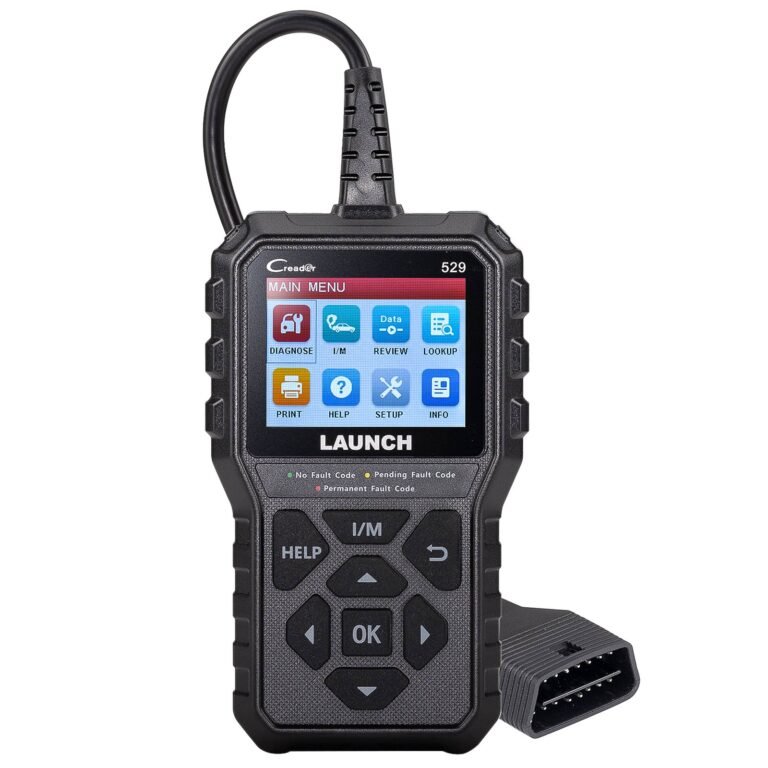
If you want to diagnose fuel issues more confidently, look for a scanner with useful live data and graphing.
Helpful features include:
- Live fuel trim data
- Oxygen sensor graphs
- Freeze frame access
- Enhanced manufacturer data
- Fuel rail pressure support
- Misfire data
- Bi-directional controls, on higher-end tools
A basic code reader can help you spot a problem. A better scanner helps you understand it. If you work on cars often, the upgrade is usually worth it.
Frequently Asked Questions of Can an OBD2 scanner diagnose fuel system issues?
Can an OBD2 scanner tell if my fuel pump is bad?
It can point to signs of a weak fuel pump, such as lean fuel trims or low fuel pressure codes. But it usually cannot confirm a bad pump by itself unless the vehicle provides pressure data.
Can an OBD2 scanner detect a clogged fuel injector?
It can suggest injector trouble through misfire codes, lean trims, or rough running data. To confirm a clogged injector, you usually need further tests like injector balance testing or component inspection.
Will a scan tool show fuel pressure problems?
Some vehicles and advanced scanners can show fuel rail pressure data. If your scanner and vehicle support it, that data can be very helpful for spotting pressure issues.
Can a scanner diagnose a fuel leak?
Not directly in most cases. A scanner may show fuel trim changes or rich running conditions, but a physical inspection or pressure test is usually needed to find the leak.
Is a basic OBD2 scanner enough for fuel diagnostics?
A basic scanner can help you read codes and sometimes view simple live data. For deeper fuel system diagnosis, a scanner with better live data, graphing, and manufacturer support is much more useful.
What is the most useful data for fuel diagnosis?
Fuel trims are often the most useful starting point. Short-term and long-term fuel trim can quickly show whether the engine is adding or removing fuel to stay balanced.
Conclusion
An OBD2 scanner can diagnose many fuel system issues, but it works best as a guide, not a final answer. It can reveal lean or rich conditions, misfire patterns, trim changes, and pressure clues that lead you toward the real problem. When you pair scan data with basic testing, you get a much clearer picture and avoid costly guesswork.
If your check engine light is on or your engine is running rough, start with the scanner, then confirm what it tells you with the right test. That approach saves time, money, and frustration. If you found this helpful, keep learning about live data and fuel trims, and feel free to leave a comment or explore more diagnostic guides.