How To Use A Sunshade For Your Car: Easy Tips
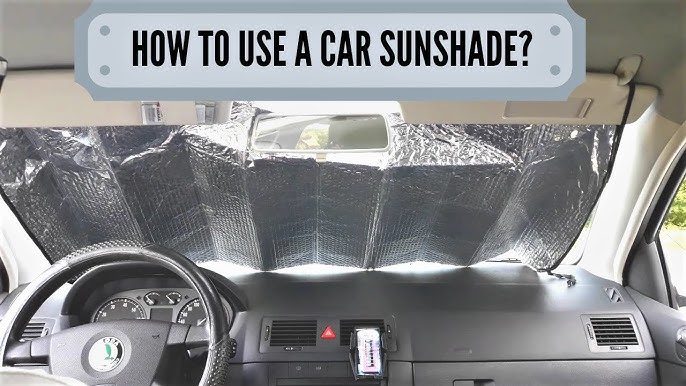
Use a sunshade by placing it snugly against the windshield, then secure it so it blocks direct sunlight.
A good sunshade can make a huge difference in your car’s comfort, especially on hot days when the cabin feels like an oven. I’ve used plenty over the years, from foldable reflective shades to custom-fit ones, and the biggest lesson is simple: the right sunshade works best when it is installed the right way. In this guide, I’ll walk you through how to use a sunshade for your car, what type to choose, common mistakes to avoid, and how to get the most heat protection with less hassle.

What a sunshade does for your car
A car sunshade is a barrier that helps block sunlight from entering through the windshield or side windows. Its main job is to reduce heat buildup, protect your dashboard, and keep the steering wheel, seats, and interior trim cooler.
Sunshades also help limit UV exposure. Over time, sunlight can fade upholstery, crack leather, and wear out plastic surfaces. In warm climates, I’ve noticed that a solid windshield sunshade can cut the “blast furnace” feeling when you first open the door.
Using a sunshade is not just about comfort. It is also about slowing down interior damage and making your car easier to live with every day. If you park outside often, this small tool can make a real difference.
How to use a sunshade for your car step by step
Using a sunshade is easy, but a few small details matter. When I first started using one, I assumed any placement would do. It didn’t. A loose shade lets heat sneak in around the edges, which cuts down the benefit.
Follow these simple steps:
-
Choose the right side for the sunshade
Most windshield sunshades have a reflective side and a softer side. The reflective side should face outward toward the sun so it can bounce light away. -
Open or unfold the shade fully
Many shades come folded or rolled up. Open it completely so it covers as much glass as possible. -
Place it against the inside of the windshield
Push the shade up close to the glass. The better it fits the windshield shape, the better it works. -
Secure it in place
Use the rearview mirror, sun visors, or included tabs if the shade has them. Some custom-fit models hold themselves in place more firmly. -
Check for gaps
Look around the edges. Small gaps let in more heat, so adjust the shade if needed. -
Remove and store it when you drive
Always take the shade down before hitting the road. Fold it neatly so it lasts longer and is easier to use next time.
If your car sits in the sun for hours, installing the shade correctly can make a big difference. The goal is not just coverage. The goal is tight, even coverage.
Types of car sunshades and how to choose one
Not all sunshades work the same way. The best one for your car depends on your windshield size, climate, and how often you use it.
Here are the most common types:
- Accordion-style reflective shades: These are popular because they are easy to fold and usually affordable. They work well for many daily drivers.
- Custom-fit sunshades: These are made for a specific vehicle model. They usually fit better and block more sunlight around the edges.
- Pop-up sunshades: These spring open quickly and are great if you want speed and convenience.
- Side window shades: These help protect passengers, children, and rear-seat areas from harsh sun.
- Mesh shades: These reduce glare and sunlight while still allowing some visibility. They are often used for side or rear windows.
When choosing a sunshade, think about fit first. A shade that covers your windshield well will usually perform better than a cheaper one that leaves big gaps. Also look at material quality, since thicker reflective material often holds up better in strong sun.
If you live somewhere very hot, a custom-fit windshield sunshade is often worth it. I learned that the hard way after buying a bargain shade that looked fine but left the corners exposed. Those corners mattered more than I expected.
Best way to install a sunshade for maximum heat protection
To get the best results, don’t just toss the shade up and call it done. Think of it like closing curtains in a room. The tighter the fit, the better the protection.
A few best practices help a lot:
- Position the reflective side toward the outside.
- Cover the entire windshield, including the top corners.
- Use the sun visors to hold the shade if needed.
- Park with the windshield facing away from the strongest sun when possible.
- Pair the sunshade with tinted windows if your local laws allow it.
If your car has an oversized windshield, you may need a larger shade or a custom-fit one. For vehicles with sensors, cameras, or rearview mirrors mounted high, choose a design that works around those features without forcing the shade too hard.
I’ve found that careful placement before you leave the car saves time later. A shade that takes 10 extra seconds to set up can save you a lot of sweat when you return.
Common mistakes to avoid when using a sunshade
A sunshade is simple, but people still use it the wrong way. Most problems come from poor fit, bad storage, or skipping setup steps.
Avoid these mistakes:
- Using the wrong size: A shade that is too small leaves gaps and weakens protection.
- Putting the reflective side inward: That reduces the shade’s ability to reflect sunlight.
- Leaving it loose: A loose shade slips down and exposes part of the windshield.
- Forcing a large shade into a small space: This can damage the shade or make it hard to install.
- Storing it carelessly: Folding it badly can crease or weaken the material over time.
I once left a sunshade crumpled behind a seat for weeks. It looked harmless, but the folds weakened the frame, and it stopped sitting flat. A little care goes a long way with these things.
How a sunshade helps with heat, UV, and interior wear
The biggest reason people use a sunshade is heat control. Direct sunlight through the windshield can raise cabin temperatures fast, especially on summer afternoons. A sunshade helps reduce that greenhouse effect by blocking or reflecting a lot of the incoming light.
It also helps protect against UV rays. According to auto and materials experts, long-term UV exposure can fade fabrics, dry out plastics, and age leather faster. A good sunshade helps slow that damage, especially for dashboards and steering wheels.
You should still expect the car to get warm. A sunshade does not make your vehicle cold. What it does is reduce the intensity of the heat and protect the interior from repeated sun exposure.
That matters over time. The difference shows up not only in comfort, but also in how your cabin looks after years of use.

Tips for using a sunshade in different weather and parking situations
Your parking habits affect how well a sunshade performs. If you park outside every day, your shade may take more wear than someone who only uses it on road trips or weekend errands.
Here are a few practical tips:
- For all-day parking: Use a thicker reflective sunshade for stronger heat control.
- For quick stops: A pop-up shade may be easiest to deploy and remove.
- For windy areas: Choose a snug custom-fit style or one with strong support.
- For SUVs and trucks: Measure carefully, since larger windshields need bigger shades.
- For side windows: Use mesh or cling shades to help protect passengers and reduce glare.
If you often park under trees, watch for sap, leaves, and debris. They can stain the shade or make it harder to fold cleanly. I’ve also noticed that shades last longer when they are stored out of direct sun after use, instead of being left on the dashboard for hours.
Maintenance and storage tips
A sunshade lasts longer when you treat it like a useful tool instead of a throwaway accessory. The material can wear out if it is bent the wrong way too often or left in extreme heat all the time.
Keep it in good shape with these habits:
- Fold it along the original creases if possible.
- Store it in a pouch or under a seat.
- Wipe it clean with a soft cloth if it gets dusty.
- Avoid sharp bends that can crack the frame.
- Replace it if the reflective surface peels or the frame weakens.
Custom-fit shades often cost more, but they can also last longer if stored properly. Cheap shades may save money up front, but if they warp or collapse quickly, they become a false bargain.
Are sunshades worth it?
For most drivers, yes. A sunshade is one of the cheapest and easiest ways to improve cabin comfort and reduce sun damage. It does not require installation tools, and it works immediately.
The value is highest if you park outdoors often, live in a hot region, or want to protect a newer vehicle. Even older cars benefit, since cracked dashboards and faded seats are expensive to fix. From my own experience, the first few times you step into a cooler cabin, the purchase already feels worth it.
That said, a sunshade is not magic. It works best as part of a bigger plan that may include window tint, parking in shade, and using a windshield cover consistently. Think of it as one smart layer of defense.
Frequently Asked Questions of How to use a sunshade for your car
How do I know which side of the sunshade faces out?
In most cases, the reflective or shiny side should face the sun. That side helps bounce heat and light away from the windshield, while the inner side faces the cabin.
Can I leave a sunshade in my car all the time?
You can, but it is better to remove and store it after each use. Leaving it out constantly can cause extra wear, and some shades may block your view if they shift while driving.
Do sunshades really lower car temperature?
Yes, they can lower the cabin temperature compared with an unshaded car, but they will not make it cool. Their main job is to reduce heat buildup and keep the interior more comfortable.
Will a sunshade damage my dashboard or windshield?
No, a properly used sunshade should not damage either surface. In fact, it often helps protect the dashboard from UV fading and cracking.
What is better: a custom-fit shade or a universal one?
A custom-fit shade usually performs better because it covers the windshield more closely. A universal shade is still useful, though, especially if you want a cheaper and more flexible option.
Conclusion
Using a sunshade for your car is one of the simplest habits you can build for better comfort and interior protection. The key is to choose the right type, place it snugly against the windshield, and store it properly after use. When used well, a sunshade can reduce heat, limit UV damage, and make every drive start on a more comfortable note.
If your car spends a lot of time in the sun, this small upgrade is absolutely worth it. Try one that fits your vehicle well, use it consistently, and notice the difference for yourself. If you found this guide helpful, explore more car care tips and share your own sunshade experience in the comments.