
How To Use A Car Cover: Easy Steps For Protection
A car cover works best when it fits right, stays clean, and is used on a clean, dry vehicle.
If you want to protect your paint, trim, and glass from dust, sun, bird droppings, and light scratches, learning how to use a car cover the right way makes a big difference. I’ve seen covers help keep daily drivers and weekend cars in far better shape, but I’ve also seen simple mistakes cause swirl marks and trapped moisture. In this guide, I’ll walk you through how to use a car cover properly, what to avoid, and how to get the most protection from it.
What a Car Cover Does and Why It Matters
A car cover is a protective layer that shields your vehicle from the environment. It can help block UV rays, dust, tree sap, pollen, rain, and light debris. For people who park outside often, it can also reduce fading and keep the finish cleaner between washes.
But a cover is not magic. If you use it the wrong way, it can trap dirt and rub against the paint. That is why how to use a car cover matters just as much as which cover you buy.
In my own experience, the biggest difference came from simple prep. A clean car and a clean cover always performed better than an expensive cover thrown on a dusty car. That lesson alone saved me from a lot of avoidable fine scratches.
Choose the Right Car Cover First
Before you learn how to use a car cover, you need the right one for your vehicle and parking conditions. The best cover for an indoor garage is not always the best one for outdoor use. Material, fit, and breathability all matter.
Here are the main types to know:
• Indoor covers: These are usually soft and lightweight. They help keep dust off and are great for garage storage.
• Outdoor covers: These are made for sun, rain, and debris. They are often more durable and weather resistant.
• Custom fit covers: These match your car’s shape more closely. They usually stay in place better and reduce flapping.
• Universal fit covers: These are cheaper and more flexible. They can work, but they may not fit as snugly.
A cover should breathe. That means moisture can escape instead of sitting under the fabric. According to common automotive care guidance, breathable materials are important because trapped moisture can lead to mildew, corrosion, and paint issues over time.
Prepare Your Car Before Covering It
This step is one of the most important parts of how to use a car cover correctly. Never place a cover on a dirty car if you can avoid it. Dirt and grit can act like sandpaper when the cover shifts.
Follow these steps before covering your car:
- Wash the car if it is dusty, muddy, or covered in bird droppings.
- Dry the car fully, especially around mirrors, trims, and seams.
- Remove sharp items like antennas if the cover requires it.
- Fold in mirrors or adjust them if needed to avoid snags.
- Check for hot surfaces if the car was just driven.
A clean surface protects the paint better and helps the cover fit smoothly. I learned this the hard way after covering a car that still had road dust on it. The result was a few light marks that could have been avoided with a five-minute rinse.
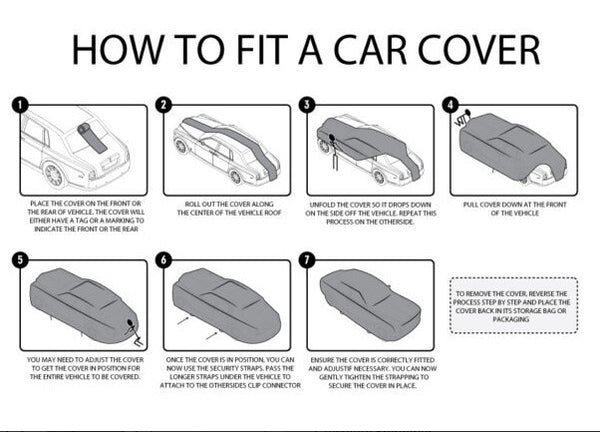
How to Use a Car Cover Step by Step
Using a car cover is simple once you know the process. The goal is to lower the cover gently, line it up correctly, and secure it so wind does not move it around.
Step 1: Unfold the cover carefully
Lay the cover out and find the front and back. Most covers have tags, labels, or mirror pockets to help with orientation. Taking a minute to sort that out makes the rest much easier.
Step 2: Place it over the roof first
Start at the top of the car and work down from there. This helps the cover settle evenly and keeps it from dragging on the sides. Avoid throwing it over the car like a blanket if the surface is dusty.
Step 3: Align the mirror pockets and corners
If your cover has mirror pockets, line them up before pulling the rest down. Proper alignment helps the cover sit snugly and reduces movement in the wind. A good fit also makes the cover easier to remove later.
Step 4: Pull the cover down over the sides
Work your way around the car and smooth the fabric as you go. Make sure the cover reaches the lower edges of the body. If it stops too high, wind can get underneath and loosen it.
Step 5: Secure the straps or elastic hems
Many car covers come with buckles, straps, or elastic edges. Use them so the cover stays in place during storms or windy days. A loose cover can rub the paint or blow off completely.
Step 6: Check for tight spots
Look for areas where the fabric is pulling too hard on antennas, spoilers, wipers, or sharp edges. These pressure points can wear out the material faster. If needed, make small adjustments before leaving the car covered.
Best Practices for Using a Car Cover Outdoors
Outdoor use is where how to use a car cover really matters. Sun, rain, wind, and debris all create more stress on the cover and the vehicle underneath. A few habits can improve protection a lot.
• Use a weather-rated outdoor cover for full sun or rain exposure.
• Make sure the cover is secure before storms or windy days.
• Check the car and cover often for trapped moisture.
• Remove leaves, dirt, and sap quickly so they do not stain the fabric.
• Reinstall the cover only after the car is clean and dry.
I usually recommend checking the cover after a big weather change. A breezy afternoon, a rain shower, or a night of falling leaves can shift the cover more than people expect. A quick inspection can save a lot of trouble.
Best Practices for Using a Car Cover Indoors
Indoor use is usually easier, but it still needs care. Many people think a garage cover can be used carelessly because the car is already protected. That is not always true.
• Keep the car and the cover clean before use.
• Choose a soft cover made for indoor dust protection.
• Avoid putting the cover on a damp car after washing it.
• Fold and store the cover neatly so it stays clean.
• Use it regularly if the car sits for long periods.
Indoor covers are great for collector cars, seasonal cars, and vehicles parked in dusty garages. They can also help protect the interior by reducing sun exposure through windows, even in enclosed spaces with strong daylight.
Mistakes to Avoid When Using a Car Cover
A lot of problems come from small mistakes, not bad products. If you want to master how to use a car cover, these are the common errors to avoid.
• Covering a dirty car: Dirt trapped under the fabric can scratch paint.
• Using the wrong size: A loose cover flaps and a tight cover can strain seams.
• Skipping breathability: Non-breathable materials can trap moisture.
• Leaving a wet car covered: This can encourage mildew and odors.
• Ignoring sharp accessories: Antennas, roof racks, and spoilers can tear the material.
• Not checking the fit after wind: Movement can create wear over time.
I once saw a cover fail because it was stretched over a roof antenna with no clearance. It tore from the inside out. That’s a good reminder that a cover should protect the car, not fight against it.
How to Store a Car Cover Properly
Proper storage is part of learning how to use a car cover well. A dirty or damp cover can become musty and less effective. It can also drag grime back onto your vehicle next time you use it.
• Shake off dust and leaves before folding.
• Let the cover dry fully after rain or washing.
• Fold it loosely to avoid deep creases.
• Store it in the supplied bag or a clean bin.
• Keep it away from oil, chemicals, and sharp tools.
If you plan to reuse the cover often, having a clean storage spot matters. A cover stored on a garage shelf near chemicals can pick up smells or residue. That is not what you want touching your paint.
How to Clean a Car Cover
Cleaning the cover is just as important as cleaning the car. Over time, dirt, pollen, and pollution build up on the fabric. If you do not clean it, those particles can transfer back to your vehicle.
Most car covers can be cleaned by hand with mild soap and water. Always check the care label first. Some are machine washable, but others can shrink or lose shape if washed the wrong way.
Follow this simple routine:
- Shake off loose dirt outdoors.
- Rinse with cool or lukewarm water.
- Use mild soap if needed.
- Rinse thoroughly to remove all residue.
- Air dry completely before folding.
Avoid bleach, harsh scrubbers, and high heat unless the manufacturer says otherwise. Those can damage coatings and reduce the life of the cover.
When a Car Cover Is Most Useful
A car cover is not needed for every situation, but it can be very helpful in the right setting. It is especially useful if you park outdoors often or store a car for long periods.
It is a smart choice if you:
• Park under trees with sap and bird droppings
• Keep a car in a dusty garage
• Own a classic or seasonal vehicle
• Want extra UV protection in strong sunlight
• Need light protection from minor debris
For daily commuters, a cover can still help, but it may not be practical to use it several times a day. For that reason, many drivers use them mainly at home, not at work or while running errands.
Benefits of Using a Car Cover Correctly
When used properly, a car cover offers a lot of value. It can extend the look and life of your vehicle’s exterior. It also helps reduce the time you spend washing and detailing.
Key benefits include:
• Less dust buildup
• Better UV protection
• Reduced bird droppings and sap damage
• Lower chance of light scratches from debris
• Cleaner paint and glass over time
A good car cover is like a lightweight shield. It does not make the car invincible, but it can take the first hit so your paint does not have to.
Limitations You Should Know
Even the best car cover has limits. It will not stop deep scratches, hail damage, or theft. It also cannot fix poor fit or bad habits.
Here are a few limits to keep in mind:
• Strong wind can still move the cover if it is not secured.
• Water can collect if the cover is not breathable or fitted well.
• Dirt under the cover can still scratch the finish.
• Extreme weather may require more than just a cover.
Being honest about these limits helps you use the product wisely. A car cover is a protection tool, not a replacement for good parking, regular cleaning, and common sense.

Frequently Asked Questions of How to use a car cover
How do I know if my car cover fits correctly?
A good fit should cover the full body without hanging too loosely or pulling too tight. It should stay in place with the wind straps or elastic hem, and it should not rub hard against sharp edges.
Can I put a car cover on a wet car?
It is better not to. Covering a wet car can trap moisture and lead to mildew, odors, or surface issues over time.
Do car covers scratch paint?
They can if the car or cover is dirty, or if the cover moves too much in the wind. A clean, well-fitted, breathable cover used on a clean car is much safer.
How often should I clean my car cover?
Clean it whenever it becomes dirty, dusty, or stained, especially after outdoor use. A clean cover protects better and is less likely to transfer grime back onto the vehicle.
Is a car cover good for long-term storage?
Yes, as long as the car and cover stay clean and dry, and the cover is breathable. For long-term storage, check the car regularly for moisture, pests, or trapped dirt.
Conclusion
Using a car cover the right way is simple, but the details matter. A clean car, a clean cover, the right fit, and proper storage all work together to protect your paint and keep your vehicle looking better for longer. Once you get into the habit, how to use a car cover becomes second nature.
If you want the best results, treat the cover like part of your car care routine, not an afterthought. Try the steps above the next time you cover your vehicle, and pay attention to the difference it makes. If you found this guide helpful, explore more car care tips and leave a comment with your own experience.