Can An Obd2 Scanner Diagnose Evap Leaks: Find Out
Yes, an OBD2 scanner can detect EVAP leak codes, but it usually cannot pinpoint the exact leak location.
If you have ever seen a check engine light and wondered whether your OBD2 scanner can actually tell you what is wrong with the EVAP system, you are not alone. The EVAP system is one of those parts of a car that hides in plain sight, quietly controlling fuel vapors until a tiny leak turns into a frustrating warning light. In this guide, I’ll break down what an OBD2 scanner can and cannot do, how EVAP leak diagnosis really works, and what to do next when the code appears.
What the EVAP system does
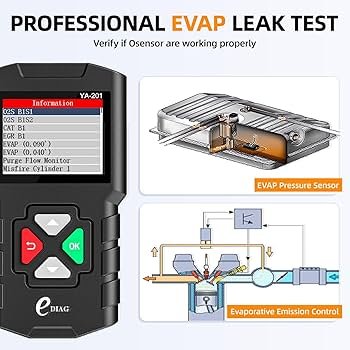
The EVAP system, short for evaporative emission control system, keeps fuel vapors from escaping into the air. Instead of letting fumes leak from the fuel tank, gas cap, or hoses, the system stores and burns them later in the engine.
That matters for two reasons.
• It helps lower emissions.
• It also helps keep your fuel system sealed and efficient.
In simple terms, the EVAP system is like a sealed lunch container. If the lid is cracked, the smell gets out. The car notices that pressure change and may turn on the check engine light.

Can an OBD2 scanner diagnose EVAP leaks?
An OBD2 scanner can identify EVAP-related trouble codes and tell you that the system has failed a leak test. It can often point you toward a small leak, a large leak, a purge valve issue, or a vent valve problem.
But here is the key point: a basic OBD2 scanner usually cannot tell you exactly where the leak is. It gives you the clue, not the full map.
From real-world experience, I can say this is where many people get stuck. They scan the car, see a code like P0442 or P0455, replace the gas cap, clear the code, and hope for the best. Sometimes that works. Other times, the real problem is a cracked hose, a stuck purge valve, or a faulty vent solenoid hiding deeper in the system.
Common EVAP leak codes an OBD2 scanner may show
Most scanners can read generic powertrain codes tied to EVAP faults. Some advanced scanners can also access manufacturer-specific data and live test results.
Common EVAP codes include:
• P0440: General EVAP system malfunction
• P0441: Incorrect purge flow
• P0442: Small EVAP leak detected
• P0446: Vent control system issue
• P0455: Large EVAP leak detected
• P0456: Very small EVAP leak detected
These codes help narrow the problem. A large leak code often means something obvious is wrong, while a small leak code can be much harder to track down.
What an OBD2 scanner can do well
A scanner is still very useful for EVAP problems. It can save time, guide testing, and help you avoid random part swapping.
Here is what it can do well:
• Read and clear EVAP codes
• Show freeze frame data, which captures what the car was doing when the fault happened
• Display live sensor data on better scanners
• Confirm whether the fault comes back after a repair
• Help you monitor purge and vent valve commands on advanced tools
In practice, freeze frame data is often underrated. If I see a code and notice it happened right after refueling, that can be a big clue. It may point to a venting issue, a loose cap, or a purge flow problem.
What an OBD2 scanner cannot do by itself
This is where expectations need to stay realistic. Even a good scanner does not physically inspect the EVAP system.
It cannot:
• See cracked hoses hidden above the fuel tank
• Detect a loose gas cap seal directly
• Find a pinhole leak on its own
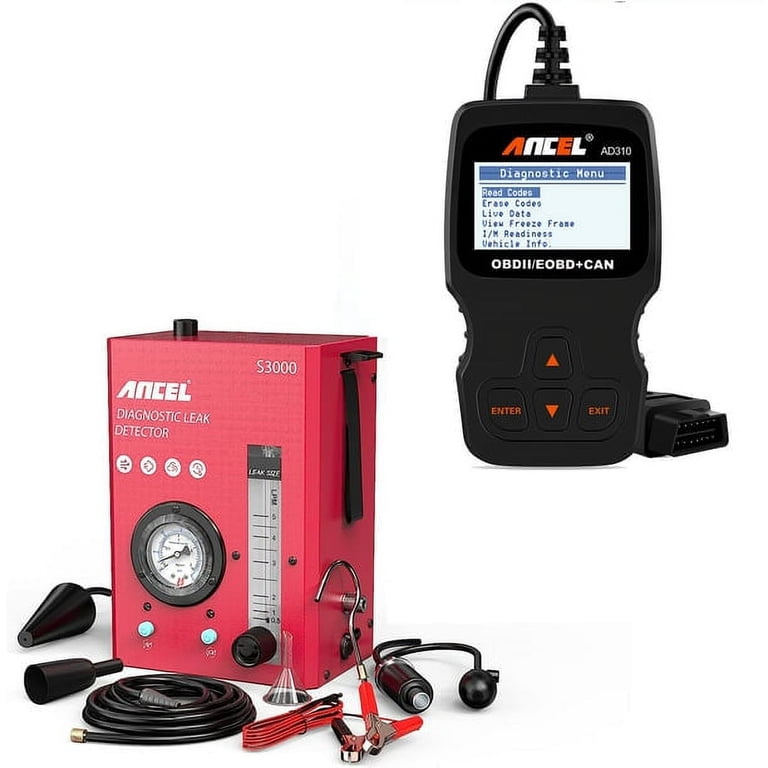
• Smoke-test the system
• Replace hands-on diagnosis
That is why EVAP diagnosis often needs more than code reading. The scanner says, “something is wrong.” The technician still has to ask, “where?”
How EVAP leaks are actually diagnosed
A proper EVAP diagnosis usually combines scanner data with physical testing. The scanner is the first step, not always the final step.
Common diagnostic steps include:
-
Read the code and freeze frame data
-
Inspect the gas cap, filler neck, and visible hoses
-
Check purge and vent valve operation
-
Use a smoke machine to find escaping vapor
-
Test the system after repairs to confirm the fix
A smoke test is especially helpful. Smoke is pushed through the EVAP system, and any leak lets smoke escape. It is one of the fastest ways to locate small leaks that a scanner alone cannot reveal.
Why EVAP leaks are tricky
EVAP leaks are tricky because they are often tiny, intermittent, and hidden. The system may pass tests one day and fail the next.
Some common causes include:
• Loose or damaged gas cap
• Cracked rubber hoses
• Faulty purge valve
• Bad vent valve
• Damaged charcoal canister
• Rusted fuel filler neck
• Worn seals or connectors
A small leak can feel like a big mystery. It is a lot like hearing a faint drip in the middle of the night and not knowing if it is from the sink, the roof, or somewhere behind the wall.
When a simple OBD2 scanner is enough
A basic scanner may be enough if you are trying to confirm the presence of an EVAP-related issue before deciding on the next step.
It works well when you want to:
• Verify the check engine light code
• Check whether the issue is EVAP-related
• Clear the code after a simple repair
• Decide if the car needs a deeper diagnosis
For many DIY owners, that is already helpful. If the code is just a loose gas cap problem, a scanner can confirm the fault and help you verify that the repair worked.
When you need a better scanner or extra tools
Sometimes a basic code reader is not enough. If the EVAP code keeps returning, you may need a scan tool with live data, bidirectional controls, or access to manufacturer data.
You may need more tools if:
• The code returns after replacing the gas cap
• The car has multiple EVAP codes
• The leak is intermittent
• The scanner only shows generic codes
• You want to test purge and vent solenoids
In my experience, a better scanner can save a lot of guesswork. The difference is like using a flashlight versus using a headlamp and a mirror. You can still work with the flashlight, but the better tool shows you more.
Can you diagnose an EVAP leak at home?
Yes, you can often start the diagnosis at home, especially if the issue is simple. Many EVAP problems begin with the gas cap, and that is easy to inspect.
Here is a smart home checklist:
• Tighten the gas cap until it clicks
• Check the rubber seal for cracks or flattening
• Look at visible vacuum hoses for damage
• Inspect the fuel filler area for rust or dents
• Clear the code and drive normally to see if it returns
If the code comes back, the problem may need professional testing. That does not mean the car is failing badly. It just means the leak is hiding deeper in the system.
Best practices before replacing parts
It is tempting to start replacing EVAP parts as soon as the light comes on. I have seen that lead to wasted time and money more than once.
Before buying parts, try this:
• Confirm the code with the scanner
• Record freeze frame data
• Inspect the gas cap first
• Check for damaged hoses or loose connectors
• Avoid replacing the charcoal canister unless testing supports it
This approach is usually cheaper and smarter. EVAP parts can be expensive, and the wrong replacement often does not solve the issue.

What a professional shop may do differently
A repair shop usually has tools that go beyond a basic reader. They may use a smoke machine, a bidirectional scan tool, and pressure testing equipment.
That allows them to:
• Command purge and vent valves open or closed
• Watch EVAP system response in real time
• Find tiny leaks faster
• Confirm repair success more accurately
Professional testing is especially useful for stubborn codes like P0456, where the leak may be too small to find by eye.
Benefits of using an OBD2 scanner for EVAP problems
Even though it has limits, an OBD2 scanner is still one of the best first tools for EVAP diagnosis.
Main benefits include:
• Fast code identification
• Lower diagnostic cost
• Better repair planning
• Clearer understanding of the fault
• Easy confirmation after repairs
It turns guesswork into direction. You may not get the exact leak spot, but you do get a solid starting point.
Limitations to keep in mind
The biggest limitation is that an OBD2 scanner reports symptoms, not physical damage. It can tell you that the EVAP system failed a test, but not always why it failed.
Other limitations include:
• Some cheap scanners only read basic codes
• Not all scanners show live EVAP data
• Intermittent leaks may not appear every time
• Codes can be caused by electrical faults, not just leaks
That is why the scanner should be viewed as a guide, not a final judge.
Practical example from real-world diagnosis
A common case I have seen is a car with code P0455 after refueling. The owner assumes the gas cap is bad and replaces it. The light stays on.
After scanning and checking freeze frame data, the issue turns out to be a cracked purge hose near the intake. The scanner helped identify the EVAP fault, but the actual leak needed a closer look and a smoke test.
That is the real value of an OBD2 scanner. It points you in the right direction so you do not waste time chasing the wrong area.
Frequently Asked Questions of Can an OBD2 scanner diagnose EVAP leaks?
Can a basic OBD2 scanner find an EVAP leak?
A basic OBD2 scanner can read EVAP trouble codes, but it usually cannot find the exact leak location. It tells you there is a problem in the EVAP system, which is useful for narrowing down the diagnosis.
What EVAP code usually means a leak?
Codes like P0442, P0455, and P0456 often point to EVAP leaks. P0455 usually suggests a large leak, while P0442 and P0456 usually indicate smaller leaks.
Will a loose gas cap trigger an EVAP code?
Yes, a loose or damaged gas cap can trigger an EVAP code. It is one of the most common and easiest issues to check first.
Do I need a smoke test if I have an OBD2 scanner?
If the code keeps returning after simple checks, a smoke test is often the best next step. The scanner can identify the problem area, but smoke testing is what usually finds the exact leak.
Can I drive with an EVAP leak code?
Usually, yes, but it is not a good idea to ignore it for long. EVAP leaks can affect emissions, fuel vapor control, and inspection results, and some related faults may cause drivability issues over time.
How do I clear an EVAP code after fixing the issue?
You can clear the code with an OBD2 scanner after the repair is complete. If the problem is truly fixed, the code should not return after the car completes its self-test cycle.
Conclusion
An OBD2 scanner is a very useful first step for diagnosing EVAP leaks, but it is not the whole story. It can read the fault code, show clues from freeze frame data, and help you confirm whether the EVAP system is the problem, yet it usually cannot locate the exact leak on its own.
The smartest approach is to use the scanner as a guide, then inspect the gas cap, hoses, valves, and related parts with care. If the code keeps coming back, a smoke test or professional diagnosis may save you time and money.
If you are dealing with an EVAP code now, start with the scan data, keep your checks simple, and avoid guessing. Learn the signs, fix the root cause, and if you found this guide helpful, share it, bookmark it, or leave a comment with your EVAP question.