Rhino-Rack Vs Yakima: Best Roof Rack Comparison Guide
Rhino-Rack often wins for rugged value, while Yakima leads in polished design and broad vehicle fit.
Choosing between Rhino-Rack vs Yakima depends on your vehicle, load, budget, and travel plans. Both brands make strong roof racks, cargo boxes, bike racks, kayak carriers, and awning systems, but they take different approaches to design and use. This guide compares real-world fit, noise, strength, installation, price, warranty, and long-term value so you can choose with confidence.
Rhino-Rack vs Yakima: At a Glance
Rhino-Rack is known for tough, adventure-focused gear. Its products suit drivers who carry kayaks, bikes, rooftop tents, recovery tools, or camping equipment. The brand has a strong presence in Australia and North America.
Yakima focuses on simple use, clean design, and broad vehicle coverage. Its racks often look more refined and blend well with modern cars, crossovers, and SUVs.
Here is the short comparison:
| Category | Rhino-Rack | Yakima |
|---|---|---|
| Best for | Serious outdoor use and rugged trips | Daily use and polished design |
| Product feel | Tough and utility focused | Refined and user friendly |
| Price | Often competitive | Often mid to premium |
| Installation | Can be simple, but some systems need care | Usually clear and easy |
| Noise | Depends on bar style and fairing | Often quiet with the right setup |
| Vehicle fit | Strong fit range | Very broad fit range |
| Accessories | Excellent for overlanding and work use | Excellent for bikes, skis, boats, and cargo |
| Design | Functional and durable | Sleek and modern |
The Rhino-Rack vs Yakima choice is not about finding one universal winner. It is about matching the rack to the way you drive and the gear you carry.
Brand Differences and Design Philosophy
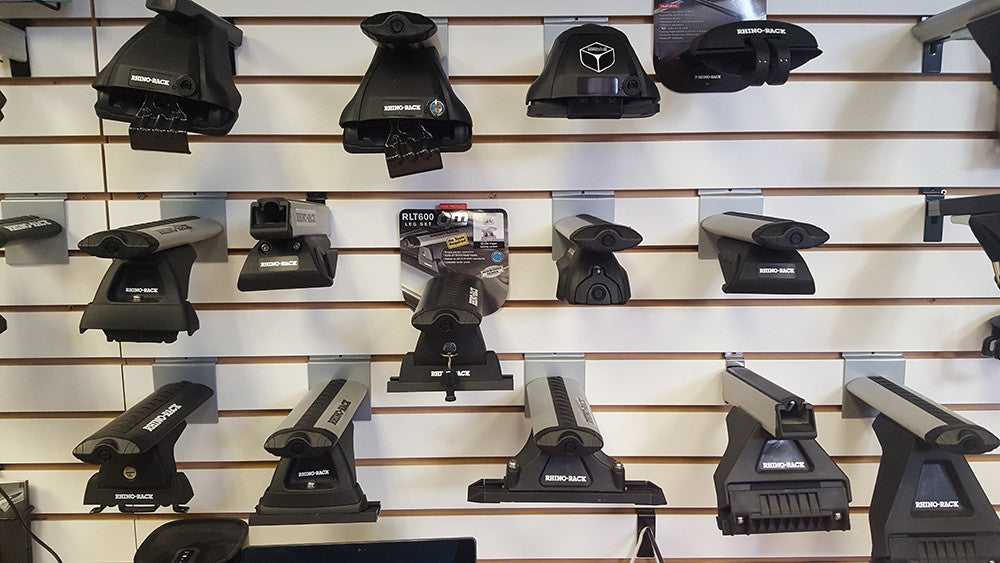
Rhino-Rack builds much of its reputation around hard use. Its platform racks, crossbars, awnings, and mounting systems are popular with campers, tradespeople, and off-road travelers. The brand often gives you many ways to mount equipment.
Yakima takes a more lifestyle-focused path. Its products are designed for quick setup, clean lines, and everyday use. A Yakima roof rack may feel at home on a city crossover during the week and carry a bike or surfboard on the weekend.
Think of Rhino-Rack as a durable toolbox. Think of Yakima as a well-designed travel bag. Both can carry your gear, but the better choice depends on how much abuse and flexibility you need.
Rhino-Rack strengths
• Rugged construction for outdoor and work use
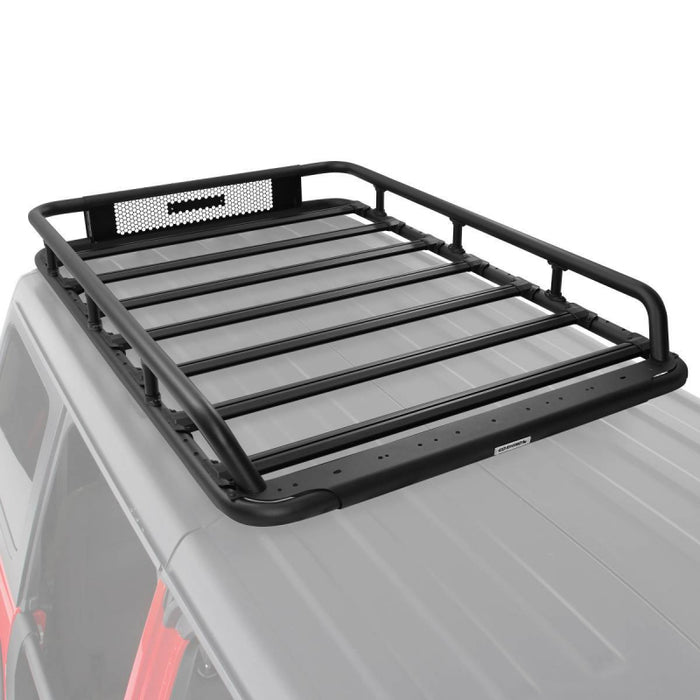
• Strong platform rack and basket options
• Wide range of awnings and overlanding accessories
• Useful mounting choices for unusual gear
• Good value in many heavy-duty setups
Yakima strengths
• Clean styling on cars and SUVs
• Easy-to-use bike, ski, kayak, and cargo products
• Strong vehicle fit guides
• Helpful user-focused features
• Broad accessory ecosystem for recreational travel
The Rhino-Rack vs Yakima difference is most visible when you compare a basic crossbar system with a full platform setup. Rhino-Rack often feels more modular, while Yakima often feels more streamlined.

Roof Rack Compatibility and Vehicle Fit
A roof rack is only safe when every part fits your vehicle. You need the correct towers, crossbars, landing pads, clips, locks, and accessories. A rack that looks strong can still be wrong if the feet do not match your roof.
Yakima has a detailed fit process for many vehicles. This helps owners select parts for naked roofs, fixed mounting points, raised rails, flush rails, and factory crossbars. The brand also offers many vehicle-specific components.
Rhino-Rack also provides fit information for a wide range of cars, trucks, vans, and SUVs. It is especially strong for vehicles used in outdoor work, camping, and overlanding. Still, some systems may require more careful part matching.
Before buying, check these details:
• The exact year, make, and model of your vehicle
• Roof type and factory mounting points
• Maximum dynamic roof load
• Maximum static roof load, if using a tent
• Crossbar length and overhang
• Accessory clamp or channel compatibility
• Whether the vehicle has a sunroof or roof antenna
Vehicle fit can change between model years. Never assume that a rack for a 2022 model will fit a 2024 model. Always confirm the current fit guide and installation instructions.
In the Rhino-Rack vs Yakima comparison, Yakima may feel easier for first-time buyers. Rhino-Rack can be just as effective, but its larger range of parts makes careful selection more important.
Strength, Load Limits, and Safety
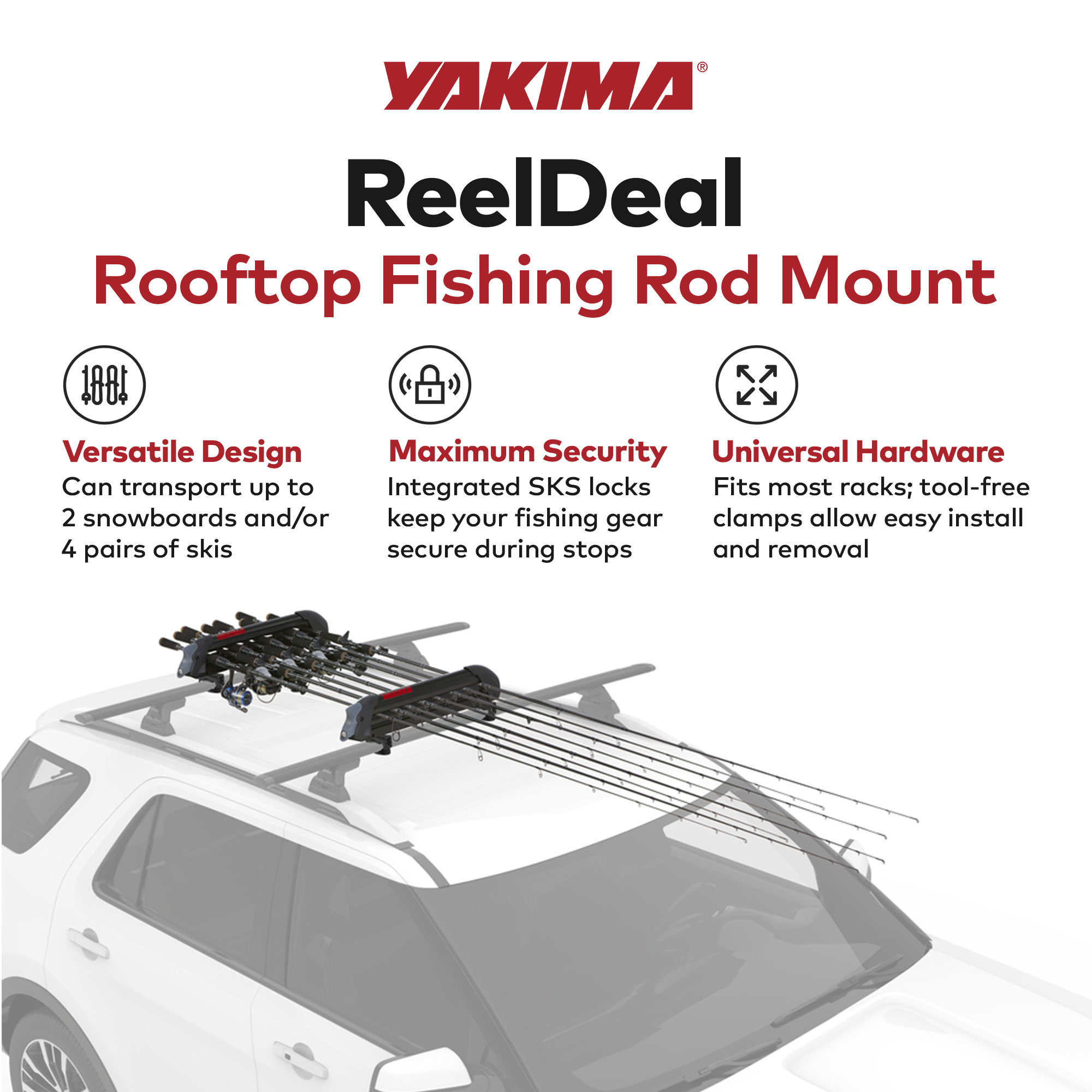
Both Rhino-Rack and Yakima make strong products, but the rack itself is only one part of the safety system. The vehicle roof, mounting points, crossbars, and accessory all have their own limits.
Dynamic load means the weight your roof can carry while driving. Static load means the weight it can support while parked. A rooftop tent may be safe when the vehicle is still but exceed the moving load limit when packed with bedding and equipment.
Use the lowest rated limit in the system. For example, if your vehicle allows 165 pounds but your crossbars allow 110 pounds, the working limit is 110 pounds. This includes the rack, box, tent, bikes, and other gear.
Good loading habits include:
-
Read the vehicle owner’s manual first.
-
Check the rack and accessory weight limits.
-
Place heavy gear low and near the center.
-
Spread weight across the approved mounting points.
-
Secure every item with the correct straps or hardware.
-
Recheck bolts and clamps after the first short drive.
-
Inspect the system before every long trip.
Rhino-Rack often appeals to people who need a strong platform for bulky equipment. Yakima performs well for common recreational loads, such as bikes, skis, kayaks, and cargo boxes.
Neither brand gives you permission to exceed your vehicle’s roof limit. In the Rhino-Rack vs Yakima debate, safe installation matters more than brand loyalty.

Installation and Ease of Use
Installation time depends on the vehicle and the rack style. A basic crossbar system may take less than an hour. A platform rack, custom track, or large awning can take much longer.
Yakima products often focus on simple assembly. Clear labels and tool storage can make the process less stressful. Many owners like the way the towers attach and adjust.
Rhino-Rack systems also offer practical installation features. Some products use channels that let you slide accessories into place without drilling. However, platform systems can feel more involved because they have more parts and more possible mounting positions.
A common mistake is tightening everything before checking alignment. This can make the bars sit unevenly or cause accessories to bind. Install each part loosely, measure both sides, then tighten in stages.
From a practical Rhino-Rack vs Yakima viewpoint:
• Choose Yakima if quick setup and simple daily use matter most.
• Choose Rhino-Rack if you want a more adaptable platform or heavy-duty layout.
• Ask a rack shop for help if your roof has unusual rails or mounting points.
• Keep the instruction sheet in the vehicle for future adjustments.
A careful installation is quieter, safer, and less likely to damage the paint or roof trim.
Wind Noise, Fuel Use, and Driving Comfort
Every roof rack creates some air resistance. Crossbar shape, bar spacing, fairings, cargo boxes, and accessory position all affect noise and fuel use.
Yakima often performs well for drivers who want a quiet, clean setup. Aero-style bars and a fairing can reduce the whistle caused by air moving across the bar.
Rhino-Rack also offers aerodynamic bar designs. Yet a wide platform, basket, shovel mount, or awning can create more wind noise than a basic crossbar. This is not a defect. More equipment creates more air resistance.
You may notice:
• A low hum at highway speed
• More fuel use during long trips
• Wind noise when the bars sit too far forward
• Extra noise from empty bike or kayak mounts
• Less noise when unused accessories are removed
One useful lesson from comparing roof racks is that accessory layout matters as much as the bar brand. Move the bars to the approved positions, tighten all covers, and remove unused mounts before a long drive.
If silence is a top goal, Yakima may have a slight edge for a simple road setup. If your vehicle carries a full adventure platform, Rhino-Rack may be the better functional choice despite added noise.

Cargo Boxes, Bike Racks, and Outdoor Accessories
The best rack brand may change based on what you carry. A bike rider may value easy loading, while a camper may value mounting space and strength.
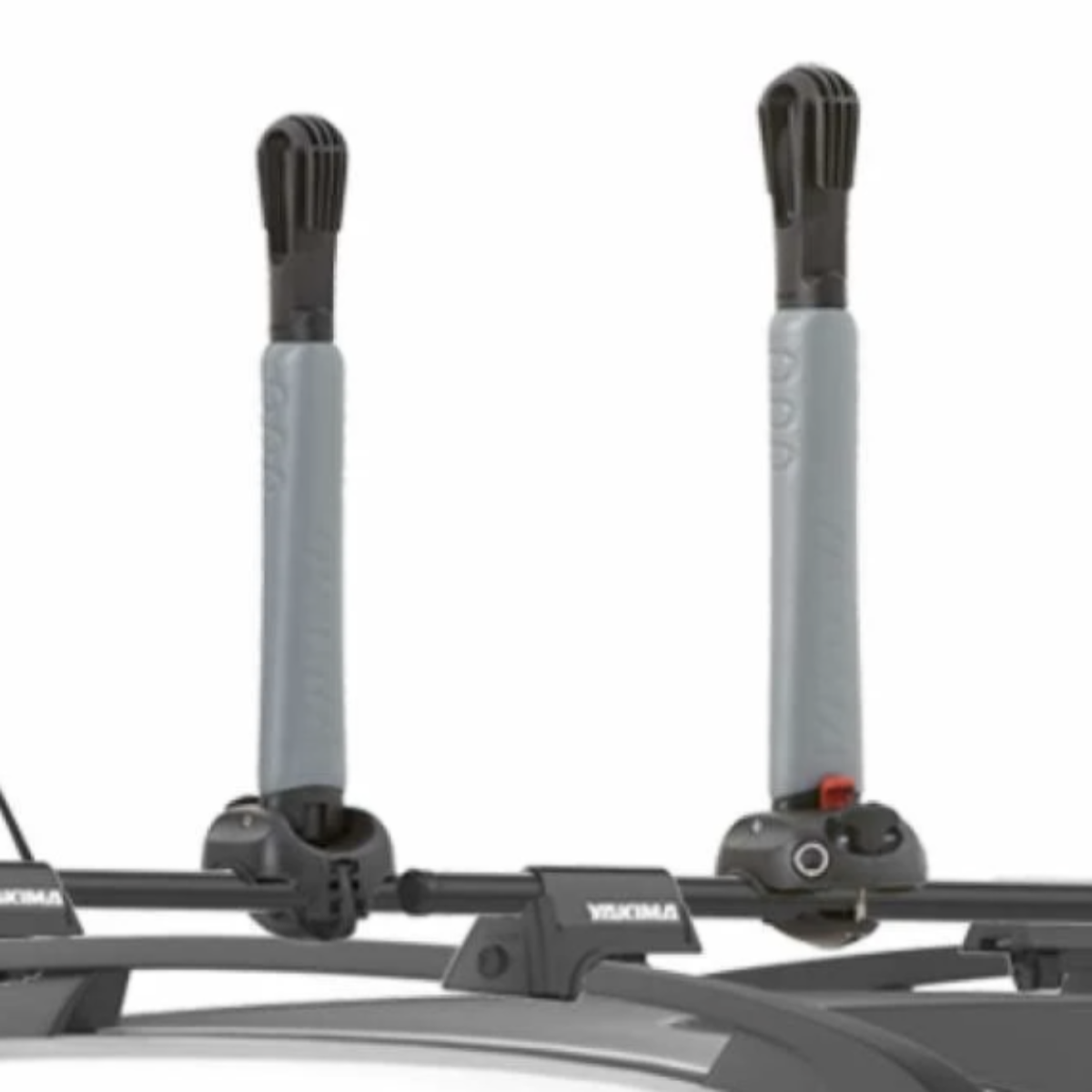
Yakima has a strong range of bike racks, ski racks, kayak carriers, cargo boxes, and hitch products. Its bike rack designs often focus on quick loading and secure adjustment. This makes Yakima popular with families and weekend riders.
Rhino-Rack offers many of the same categories, along with a strong selection of platform accessories. Its systems work well for recovery boards, awnings, rooftop tents, water containers, jerry cans, and outdoor tools.
Choose based on your main load:
• Bikes: Compare frame contact, wheel size support, weight limits, and hitch access.
• Kayaks: Check boat width, carrier height, loading method, and tie-down points.
• Skis and snowboards: Look for lockable clamps and space for bindings.
• Cargo: Compare box volume, opening direction, locks, and crossbar spread.
• Camping gear: Consider platform size, tent rating, awning mounts, and access.
• Work equipment: Look for durability, load rating, and theft protection.
The Rhino-Rack vs Yakima comparison becomes clearer when you list your real gear. Do not buy a rack based on an imaginary future load. Start with the bike, kayak, box, or tent you use most.
Price and Long-Term Value
Rack pricing includes more than the crossbars. You may need towers, fit kits, locks, adapters, trays, straps, and installation. A low starting price can become much higher after adding these parts.
Rhino-Rack often offers strong value for drivers who want a platform or adventure setup. Its system may cost more than a basic bar kit but offer more mounting flexibility.
Yakima can cost more in some categories, especially when you add premium towers, cargo boxes, or several sports accessories. Its value comes from polished design, easy use, and a wide product range.
Compare the complete system:
-
Crossbars or platform
-
Towers and vehicle-specific clips
-
Locks
-
Main accessory
-
Tie-down straps
-
Fairing or wind control
-
Installation cost
-
Replacement parts
A rack that lasts for many years can be cheaper than a cheaper rack that needs replacement. Also consider resale value, warranty terms, spare parts, and whether you can move the rack to another vehicle.
For budget-minded overlanders, Rhino-Rack may offer better value. For a driver who wants a neat, easy sports setup, Yakima may justify its price.
Warranty, Support, and Replacement Parts
Warranty terms can change by product and region. Read the current policy before purchase rather than relying on a general brand reputation.
Look for coverage related to:
• Manufacturing defects
• Hardware failure
• Finish and corrosion
• Replacement keys
• Missing installation parts
• Product registration
• Approved use and load limits
Support also matters. A good fit guide can prevent a costly mistake. A local rack dealer can help with unusual roofs, older vehicles, and complex platform builds.
Yakima has strong retail visibility in the United States, which can make local advice and replacement parts easier to find. Rhino-Rack also has dealer and online support, especially for its growing adventure product range.
Keep your receipt, part numbers, and installation instructions. Take photos of the installed rack before a long trip. These simple steps help if you need support later.
Which Brand Is Better for Different Drivers?
There is no single winner in the Rhino-Rack vs Yakima matchup. The right choice depends on your use case.
Best for daily drivers
Yakima is often the better fit for a driver who carries a bike, skis, or a cargo box a few times each month. Its clean look and simple handling suit daily use.
Best for overlanding
Rhino-Rack often makes more sense for overlanding. Platform space, awnings, recovery gear, and flexible mounts can simplify a longer trip.
Best for families
Yakima may appeal to families who need a cargo box, bike rack, or kayak carrier that is easy to use. Simple loading can matter more than extreme modularity.
Best for work trucks and vans
Rhino-Rack is a strong option for tradespeople and fleet users. Its utility-focused systems can carry tools and equipment when installed within the vehicle’s limits.
Best for a low-profile look
Yakima may have the advantage when appearance matters. Its bars and towers often create a smooth, modern profile.
Best for maximum flexibility
Rhino-Rack usually stands out when you want to keep adding mounts and changing your setup. Its platform systems act like a blank canvas for outdoor gear.
The best Rhino-Rack vs Yakima decision starts with your next trip, not with a brand logo.
Common Buying Mistakes to Avoid
Even a high-quality rack can cause problems when the wrong parts are selected. Most issues come from fit, weight, or installation errors.
Avoid these mistakes:
• Buying by bar length alone
• Ignoring the vehicle roof limit
• Mixing parts without checking compatibility
• Forgetting the weight of the rack itself
• Leaving unused mounts attached
• Using worn or damaged straps
• Placing a rooftop tent on an unsuitable roof
• Failing to recheck hardware after driving
• Assuming a used rack includes every fit part
• Skipping a test drive before a long journey
One mistake I often see in rack comparisons is treating “maximum load” as a universal number. It is not. The vehicle, rack, accessory, and mounting method all affect the safe limit.
A short test drive can reveal movement, noise, or poor clearance. Check the hatch, sunroof, antenna, rear liftgate, and side clearance before loading expensive gear.
How to Choose Between Rhino-Rack and Yakima
Use this simple process before you buy:
-
Write down your vehicle’s exact year, model, and roof type.
-
List the gear you carry now.
-
Add the loaded weight of each item.
-
Check the vehicle’s dynamic and static roof limits.
-
Decide whether you need crossbars or a platform.
-
Compare the full installed price.
-
Read the current fit and installation information.
-
Check warranty and replacement part access.
-
Test the rack after installation.
-
Recheck all hardware before every major trip.
If you mainly want quiet crossbars and a bike carrier, Yakima may be the easier path. If you want an expandable camping platform, Rhino-Rack may deliver more value.
When comparing Rhino-Rack vs Yakima, do not focus only on the first purchase. Think about how the system will work after two years of use, several road trips, and a change of outdoor hobbies.
Frequently Asked Questions About Rhino-Rack vs Yakima
Is Rhino-Rack better than Yakima?
Rhino-Rack is often better for rugged travel, platform racks, and heavy outdoor use. Yakima may be better for simple installation, sleek design, and everyday sports equipment.
Is Yakima quieter than Rhino-Rack?
A basic Yakima aero-bar setup may be quieter than a large Rhino-Rack platform with several mounts. Noise depends on bar shape, fairing use, spacing, and attached accessories.
Can Rhino-Rack and Yakima parts be mixed?
Some accessories may fit another brand’s crossbars, but compatibility is not automatic. Check the channel size, clamp design, bar shape, weight rating, and manufacturer guidance before mixing parts.
Which brand is better for rooftop tents?
Rhino-Rack is popular for rooftop tent and overlanding setups because it offers strong platform options. However, the vehicle roof limit and the tent’s loaded weight matter more than the brand name.
Which is more affordable, Rhino-Rack or Yakima?
Rhino-Rack can offer better value for platform and adventure systems, while Yakima prices vary across its recreational products. Compare the complete system, including towers, locks, fit kits, and accessories.
Does a roof rack reduce gas mileage?
Yes, any roof rack can increase air resistance and fuel use, especially with a box, basket, kayak, or platform attached. Removing unused accessories and using aerodynamic bars can help reduce the effect.
How often should I check a roof rack?
Check the rack before every long trip and after the first short drive following installation. Look for loose hardware, worn straps, cracks, movement, and changes in bar position.
Conclusion
Rhino-Rack and Yakima both make reliable roof rack systems, but they serve different priorities. Rhino-Rack is a strong choice for rugged travel, platforms, work gear, and overlanding. Yakima is often the better match for clean design, easy use, and regular bike, ski, kayak, or cargo trips.
The smartest Rhino-Rack vs Yakima choice comes from your vehicle fit, load limits, gear, budget, and driving habits. Check the complete system before buying, install it with care, and inspect it before every trip. Explore the current fit guides, compare your full setup, and share your rack experience in the comments.