Rhino-Rack Vs Thule Roof Rack: Best Choice Guide
Rhino-Rack suits rugged loads and value, while Thule favors refined design, easy fitting, and broad urban appeal.
Choosing between Rhino-Rack vs Thule Roof Rack is not just a brand decision. It affects safety, noise, cargo space, fuel use, and how easy your trips feel. After comparing rack systems, mounting styles, load ratings, accessories, and real-world use, this guide will help you pick the right setup for your vehicle and lifestyle.
Rhino-Rack vs Thule Roof Rack: Main Differences
Rhino-Rack and Thule both make strong, reliable roof rack systems. The biggest difference is their design focus.
Rhino-Rack often appeals to drivers who want a tough rack for camping, off-road travel, kayaks, bikes, and large cargo. Thule often attracts buyers who want clean design, simple installation, and a polished system for daily driving.
Here is a simple overview:
| Feature | Rhino-Rack | Thule |
|---|---|---|
| Main appeal | Adventure and heavy use | Ease, design, and daily use |
| Typical style | Rugged and practical | Sleek and refined |
| Product range | Strong outdoor focus | Broad lifestyle and travel range |
| Installation | Can be simple, but varies by system | Often highly user-friendly |
| Noise control | Good, depending on bar style | Often very good with aerodynamic bars |
| Price | Frequently competitive | Often mid-range to premium |
| Off-road appeal | Excellent | Good, depending on the system |
| Accessories | Strong outdoor selection | Wide accessory ecosystem |
| Best for | Camping, overlanding, active use | Commuting, travel, bikes, and family use |
The best Rhino-Rack vs Thule Roof Rack choice depends on your car, roof type, cargo, and budget. A rack that works well on a Jeep may be a poor fit for a sedan.
Rhino-Rack Roof Rack Overview
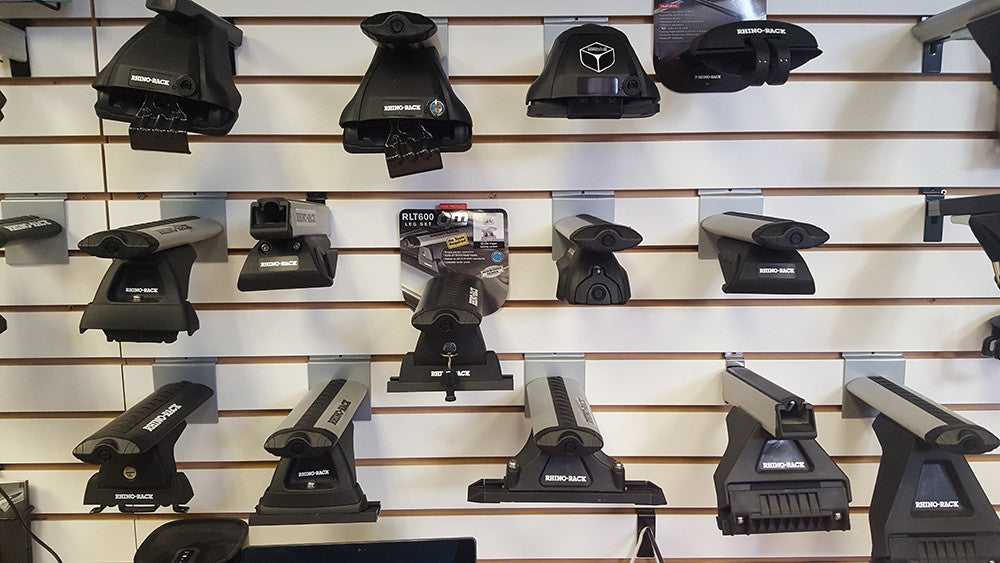
Rhino-Rack began with a strong focus on outdoor travel and utility. Its products are common on SUVs, trucks, vans, and vehicles used for camping or overlanding.
Many Rhino-Rack systems use aluminum crossbars, steel parts, or platform-style designs. Some systems are made for standard crossbars, while others use a full platform for tents, recovery gear, storage boxes, and other equipment.
Where Rhino-Rack stands out
Rhino-Rack is a strong choice for people who need a working roof system rather than a rack that only looks good.
Key benefits include:
• Strong support for outdoor gear
• Many options for platform roof racks
• Good compatibility with tents, awnings, and recovery equipment
• Useful designs for trucks, SUVs, and vans
• Competitive pricing in many product categories
• A rugged look that suits adventure vehicles
Rhino-Rack also offers systems for vehicles with factory mounting points, bare roofs, tracks, and fixed points. Still, the exact fit depends on the vehicle year, roof shape, bar length, and mounting kit.
Limits to consider
Some Rhino-Rack systems look more industrial than Thule products. That may not matter on a lifted SUV, but it can feel less refined on a small sedan.
Platform systems may also add more weight and height. Before buying, check the rack weight, the cargo weight, and your vehicle’s roof limit. These three numbers are not always the same.

Thule Roof Rack Overview
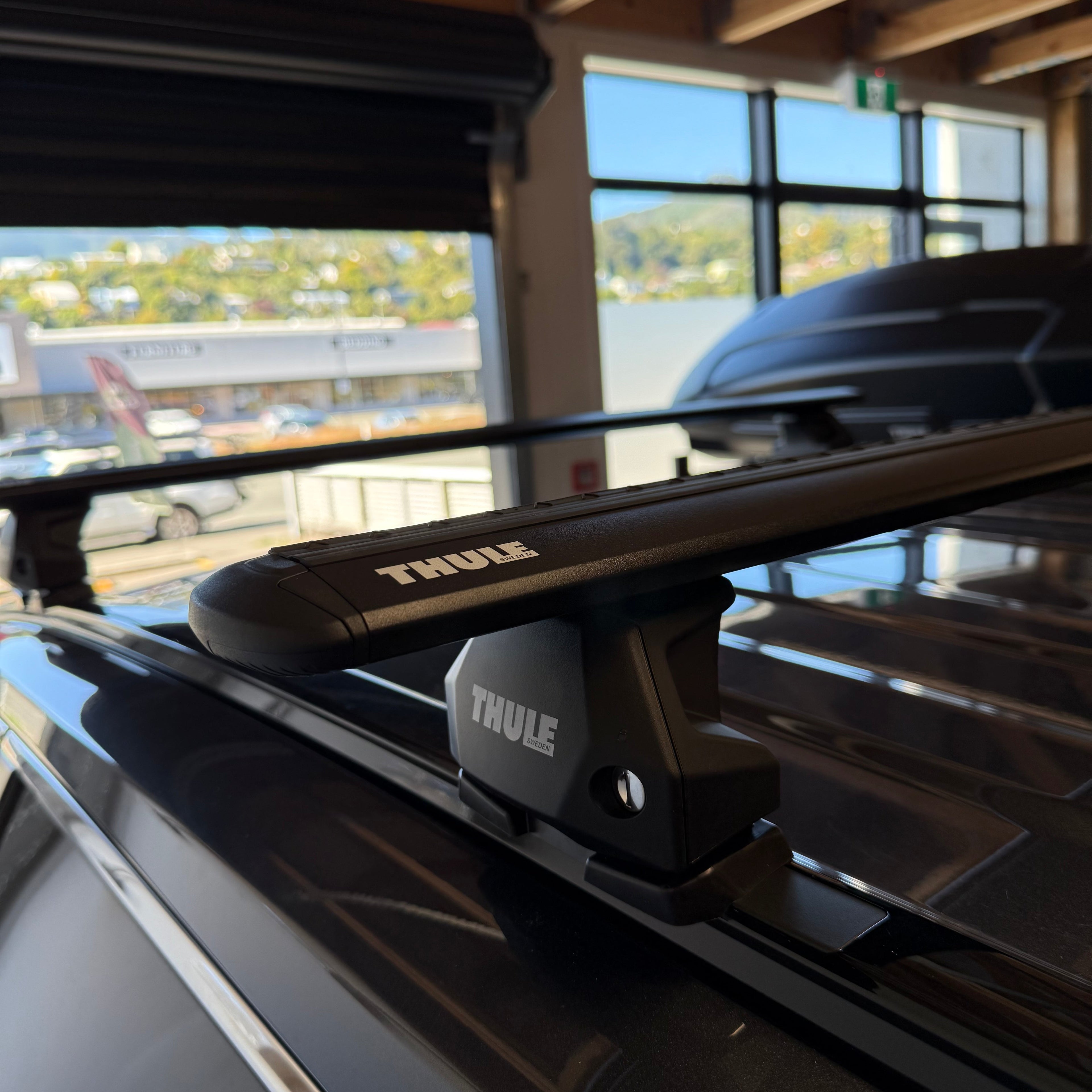
Thule is known for roof racks, bike carriers, ski carriers, cargo boxes, kayak carriers, and other travel products. Its systems often focus on quiet driving, clean design, and simple use.
Thule roof racks are popular with families, cyclists, skiers, paddlers, and people who need extra cargo space for road trips. Many products use aerodynamic bars that help lower wind noise compared with older square bars.
Where Thule stands out
Thule’s main strength is its polished system design. The parts often work together in a clear and simple way.
Common benefits include:
• Sleek and modern appearance
• Easy-to-follow installation systems
• Strong range of bike, ski, kayak, and cargo box accessories
• Good wind noise control with aerodynamic bars
• Convenient locks and quick-release features
• Strong support for daily and travel use
Thule also has a wide fit system for many cars. However, a wide range does not mean every Thule rack fits every vehicle. The correct foot pack, bar length, and fit kit still matter.
Limits to consider
Thule can cost more than similar systems, especially after adding locks, adapters, and vehicle-specific parts. A full setup may become expensive if you need several accessories.
Some Thule systems are also less suited to extreme off-road use. They can carry outdoor gear, but your choice should match the way you drive and the loads you plan to carry.
Rhino-Rack vs Thule Roof Rack: Build Quality
Both brands make quality products, but quality also depends on the specific model. A basic crossbar system and a heavy-duty platform should not be judged by the same standard.
Rhino-Rack often gives its products a tough, utility-focused feel. This can be helpful when the rack sees dirt, sun, mud, and repeated use. Platform systems are especially useful when you want to spread gear across the roof.
Thule often gives more attention to finish, fit, and small details. Covers, locks, trim, and adjustment parts may feel more refined. This is useful when you remove the rack often or use it on a daily driver.
No roof rack is indestructible. Salt, dust, loose bolts, and poor loading can cause problems with any brand. Inspect the bars and mounts often, and follow the torque values in the installation guide.
Rhino-Rack vs Thule Roof Rack: Installation
Installation can be easy with either brand when the vehicle has factory mounting points. A bare roof usually takes more time because the rack needs door clamps, pads, and careful alignment.
Thule often has a smooth installation process. Many kits use clear measurements and simple adjustment steps. This makes Thule attractive to drivers who want to install the rack at home.
Rhino-Rack installation varies more by product. A basic crossbar kit may be simple, while a platform or track system can require more planning. Some setups may need extra tools or more time to align.
Installation tips
Use these steps for either Rhino-Rack vs Thule Roof Rack:
-
Confirm the exact vehicle year and body style.
-
Check whether the vehicle has flush rails, raised rails, fixed points, tracks, or a bare roof.
-
Read the fit guide before opening the box.
-
Clean the roof and mounting points.
-
Measure both sides so the bars sit evenly.
-
Tighten all parts to the stated torque.
-
Test the rack with light pressure before adding cargo.
-
Recheck the fasteners after the first drive.
A common mistake is buying crossbars first and checking the feet later. The feet and vehicle fit kit are often just as important as the bars.
Load Capacity and Safety
The roof rack’s load limit is only one part of the safety equation. You must also follow the vehicle’s roof limit and the accessory’s limit.
For example, if your vehicle allows 165 pounds on the roof but the rack allows 150 pounds, the lower rack rating controls. If your vehicle allows only 100 pounds, you must stay below 100 pounds, even if the rack can hold more.
Remember that roof load usually includes:
• Crossbars or platform weight
• Mounting feet and brackets
• Cargo boxes and carriers
• Roof tents and mounting hardware
• Bikes, kayaks, skis, or luggage
• Any straps or attached accessories
Dynamic load means the weight the roof can carry while driving. Static load means the weight it can support while parked. These values can differ, especially with roof tents. Never assume a high static rating makes a vehicle safe for a heavy moving load.
Use straps made for the cargo. Keep heavy items low and centered. Do not place sharp edges against the bars or allow loose straps to flap in the wind.

Wind Noise, Fuel Use, and Driving Comfort
Every roof rack can create some wind noise. The amount depends on the bar shape, vehicle roof, speed, fairing, cargo, and installation.
Thule aerodynamic bars often perform well for quiet daily driving. Rhino-Rack aerodynamic bars can also be quiet, but a platform or wide accessory may create more sound. Square bars and exposed slots tend to make more noise than smooth, covered bars.
A roof rack can also increase drag. The effect may be small with empty aerodynamic bars and larger with a cargo box, kayak, bike, or roof tent. Fuel use can rise because the vehicle must push more air.
In my experience helping drivers compare roof systems, noise often comes from a small issue rather than a bad brand. A loose cover, open T-slot, uneven bar, or loose strap can whistle like a tiny flute. Check those parts before replacing the whole rack.
Remove the rack when you do not need it for long periods. This can reduce noise, drag, and exposure to weather.

Rhino-Rack vs Thule Roof Rack for Different Uses
The right rack depends on the job. A parent carrying a stroller and luggage has different needs from a camper carrying a tent and recovery boards.
For camping and overlanding
Rhino-Rack often has the advantage for rugged travel. Its platform systems and outdoor accessories suit tents, awnings, storage cases, and trail equipment.
Thule can still work well for camping, especially with a cargo box or simple crossbars. It may be the better choice if you camp occasionally and also want a clean system for daily use.
For bicycles
Both brands offer bike carriers for road bikes, mountain bikes, and some heavier bicycles. Check the carrier’s weight limit, tire width range, frame contact points, and locking system.
For carbon frames, use a carrier that avoids pressure on the frame unless the carrier maker approves that use. Electric bikes often need a stronger carrier and may require removing the battery before loading.
For kayaks and paddleboards
Both brands make kayak and water-sport carriers. Thule may appeal to users who want quick loading and smooth hardware. Rhino-Rack often appeals to paddlers who want a tougher setup for frequent outdoor use.
Measure the kayak width and weight. Also check how far the boat extends beyond the vehicle. Use bow and stern lines when the equipment is long or heavy.
For skis and snowboards
Thule has a strong reputation in winter sports carriers. Its ski racks often focus on easy opening, padding, and simple loading.
Rhino-Rack also offers useful snow gear options. Your choice should depend on bar fit, glove-friendly controls, ski width, and whether you carry skis or snowboards.
For cargo boxes
Thule cargo boxes are popular for their shape, finish, and simple mounting. Rhino-Rack also offers cargo storage choices for people who prefer a more utility-focused setup.
Check hatch clearance before buying. Open the rear hatch slowly after installation. A box that sits too far forward may touch the hatch or interfere with a roof antenna.
Price and Long-Term Value
The purchase price is only the start. A complete roof rack setup may include:
• Crossbars or a platform
• Mounting feet
• Vehicle-specific fit kits
• Locks
• Fairings
• Bike, kayak, ski, or cargo carriers
• Tie-down straps
Rhino-Rack may offer better value for buyers who want a rugged platform or outdoor setup. Thule may offer better value for buyers who care about quick use, low noise, and a wide accessory system.
A cheaper rack is not always cheaper over time. If a system is hard to install, noisy, or poorly suited to your gear, you may replace it later. Buying the correct setup once can save money.
Look for replacement parts and accessory support. A rack should serve you for years, not only for one vacation.
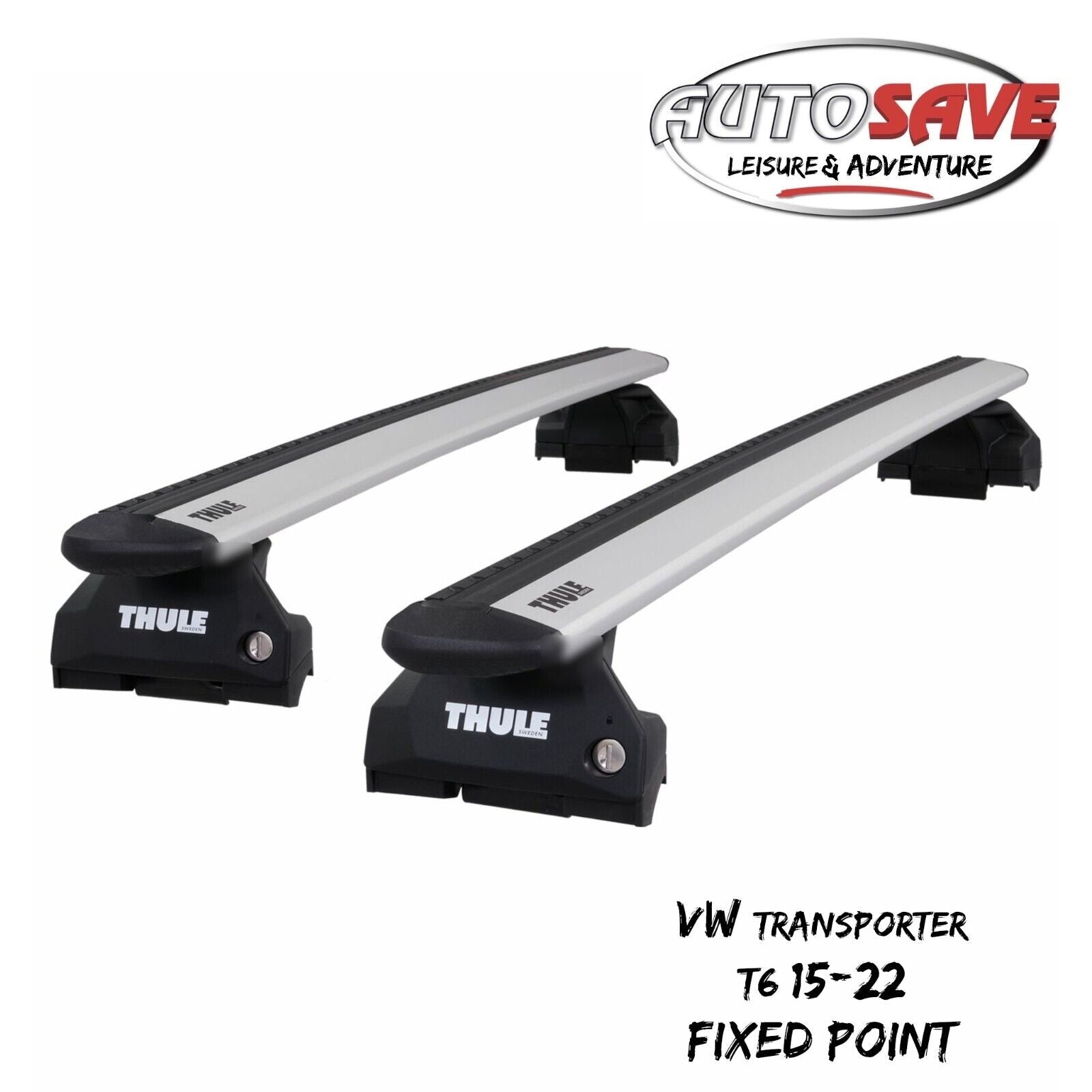
Which Roof Rack Is Easier to Use?
Thule often wins for quick daily use. Its accessories commonly include simple locks, levers, and release systems. This matters when you load bikes before work or remove the rack after a weekend trip.
Rhino-Rack can also be easy to use, but some adventure systems require more setup. A platform may take longer to install, yet it can offer more mounting freedom once it is ready.
Think about your routine:
• Do you install the rack once and leave it on?
• Do you remove it every week?
• Do you carry one bike or several?
• Do you need space for a roof tent?
• Do you drive on rough trails?
• Do you want a low-profile look?
The answer often makes the choice clear. Rhino-Rack vs Thule Roof Rack is less about finding one universal winner and more about matching the rack to your habits.
Common Mistakes to Avoid
A roof rack is easy to underestimate. It looks simple, but small errors can cause noise, damage, or lost cargo.
Avoid these mistakes:
• Using a rack without checking the vehicle fit guide
• Exceeding the vehicle’s roof weight limit
• Counting only the cargo and forgetting rack weight
• Leaving bolts loose after installation
• Using damaged or worn straps
• Placing heavy gear on one side
• Ignoring rear hatch clearance
• Carrying a bike without checking the carrier lock
• Driving through an automatic car wash with the rack installed
• Forgetting the extra vehicle height
I have seen drivers measure the garage height but forget the cargo box. That mistake can turn a normal parking visit into an expensive repair. Write the total vehicle height on a small card and keep it near the steering wheel.
How to Choose Between Rhino-Rack and Thule
Use this simple buying process before you place an order.
Step 1: Start with the vehicle
Identify the vehicle make, model, year, roof type, and factory mounting points. A rack for a 2020 SUV may not fit the same model after a redesign.
Step 2: List your cargo
Write down what you carry now and what you may carry later. Include bikes, kayaks, skis, boards, luggage, boxes, and camping gear.
Step 3: Check the limits
Compare the vehicle roof limit, rack limit, and accessory limit. Always use the lowest rating.
Step 4: Choose the rack style
Choose standard crossbars for simple loads. Choose a platform for flexible outdoor mounting. Choose a cargo box for weather protection and extra luggage space.
Step 5: Consider noise and removal
Aerodynamic bars may suit daily driving. A removable setup may be better if you use the rack only on trips.
Step 6: Compare the full price
Add feet, fit kits, locks, accessories, and shipping. The lowest bar price may not create the lowest total cost.
Step 7: Check support
Look for clear instructions, replacement parts, warranty terms, and a reliable fit guide. These details matter after the sale.
Rhino-Rack vs Thule Roof Rack: Final Verdict
Rhino-Rack is often the better match for:
• Frequent camping
• Overlanding and off-road travel
• Roof tents and awnings
• Large outdoor loads
• Platform-style setups
• Buyers who want strong value
Thule is often the better match for:
• Daily driving
• Family road trips
• Bike and ski carriers
• Quiet highway travel
• Sleek vehicle styling
• Buyers who want simple handling
Neither brand wins every category. The best Rhino-Rack vs Thule Roof Rack decision comes from fit, load needs, installation, and use. A carefully chosen Thule rack can handle serious outdoor travel, while a Rhino-Rack system can work very well on a daily driver.
For most buyers, the vehicle fit guide should come before brand loyalty. A correctly fitted mid-range rack is safer and more useful than a premium rack with the wrong mounting parts.
Frequently Asked Questions About Rhino-Rack vs Thule Roof Rack
Is Rhino-Rack better than Thule?
Rhino-Rack may be better for rugged outdoor use, platforms, roof tents, and overlanding. Thule may be better for quiet daily driving, simple installation, and polished accessories.
Is Thule quieter than Rhino-Rack?
Thule aerodynamic bars often produce low wind noise, but the result depends on the vehicle and setup. Rhino-Rack can also be quiet when installed correctly with aerodynamic bars, covers, and no loose straps.
Can Rhino-Rack and Thule accessories fit each other?
Some accessories may fit crossbars with compatible channels or clamps, but compatibility is not guaranteed. Check the bar shape, slot size, clamp range, weight rating, and manufacturer instructions before mixing brands.
Which brand is better for a roof tent?
Rhino-Rack is often popular for roof tents because of its platform and heavy-duty outdoor systems. The vehicle’s dynamic and static roof limits must still be checked before installation.
Which roof rack is best for a kayak?
Both brands offer strong kayak carriers. Choose based on kayak weight, bar spread, loading height, carrier padding, tie-down points, and how often you transport the kayak.
Does a roof rack reduce gas mileage?
Yes, a roof rack can increase drag and reduce fuel economy. The change is usually greater with a cargo box, bike, kayak, or roof tent than with empty aerodynamic bars.
Can I leave my roof rack on all year?
You can leave many systems installed if the manufacturer allows it and you inspect them often. Removing the rack when it is not needed may reduce noise, drag, weather exposure, and the chance of corrosion.
Conclusion
Rhino-Rack vs Thule Roof Rack is a close comparison because both brands offer dependable systems for different types of drivers. Rhino-Rack tends to shine in rugged outdoor use and platform setups, while Thule often leads in refined design, easy handling, and daily comfort.
Start with your vehicle fit, cargo type, roof limit, and driving habits. Then compare the full system price, not just the crossbar cost. Choose carefully, install every part correctly, and inspect the rack before each trip. Your next step is simple: check the official fit guide for your vehicle, compare two complete setups, and choose the one that fits your real needs.