DeWalt Vs Flex Polisher: Best Choice For Detailers
DeWalt offers strong cordless value, while Flex delivers smoother control and premium polishing performance.
Choosing between a DeWalt vs Flex Polisher depends on your work, finish goals, battery system, and budget. DeWalt is often the practical choice for mobile users who already own 20V MAX batteries. Flex is usually better for detailers and body shops that want refined speed control, low vibration, and excellent finish quality.
This guide compares both brands by power, control, ergonomics, battery life, pad size, noise, price, and real-world use. It also explains which polisher fits beginners, professionals, cars, boats, furniture, and paint correction.
DeWalt vs Flex Polisher: The Main Difference
The biggest difference is simple: DeWalt focuses on cordless convenience and job-site value, while Flex focuses on polishing control and professional refinement.
DeWalt’s best-known cordless rotary polisher is the 20V MAX XR model, commonly identified as DCM848. It uses a 5/8-inch spindle and accepts common rotary pads. Its cordless design helps users work far from outlets and avoid dragging a power cord across a vehicle.
Flex makes several types of polishers. Its lineup includes forced-rotation dual-action polishers, free-spinning dual-action polishers, cordless polishers, rotary machines, and compact spot polishers. This wider range makes the Flex name less about one tool and more about a complete polishing system.
Here is the short comparison:
| Feature | DeWalt | Flex |
|---|---|---|
| Main strength | Cordless value and mobility | Finish quality and control |
| Typical user | Contractors, DIY users, mobile workers | Detailers, body shops, serious hobbyists |
| Power source | Mostly 20V MAX batteries or corded models | Corded and cordless options |
| Learning curve | Moderate, especially with rotary models | Varies by model |
| Paint safety | Depends heavily on operator skill | Often easier to control with dual-action models |
| Price | Usually more accessible | Often more expensive |
| Best advantage | Uses a popular battery platform | Smooth operation and premium design |
A key point matters here: comparing a DeWalt rotary polisher with a Flex dual-action polisher is not a fair one-to-one test. A rotary polisher spins the pad directly. A dual-action polisher both spins and moves the pad in an orbit. These motions create different results and require different techniques.
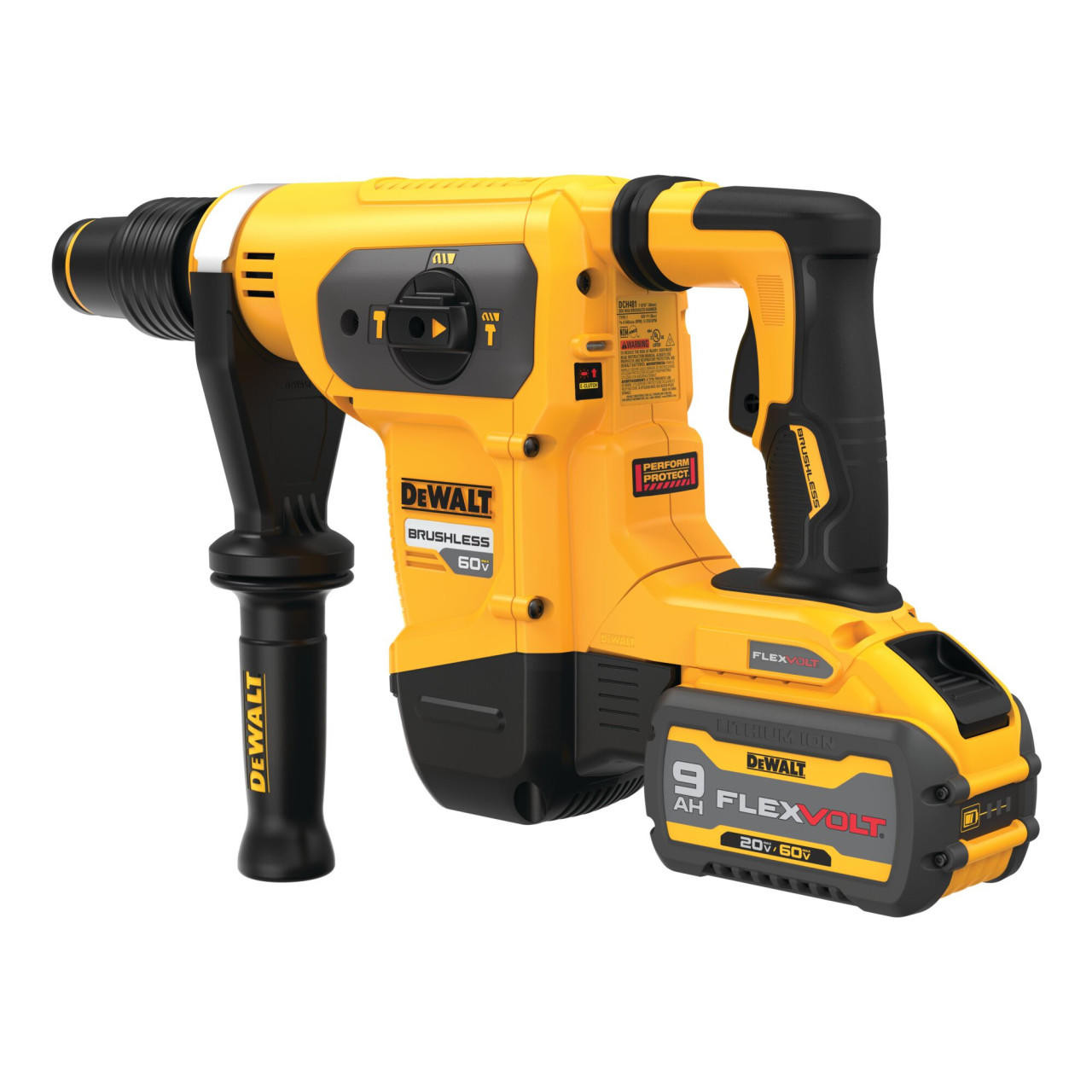
DeWalt Polisher Overview
DeWalt polishers appeal to users who want a reliable tool that works with an existing battery platform. The DCM848 20V MAX XR cordless rotary polisher is designed for polishing and finishing tasks where portability matters.
A rotary polisher can remove defects quickly. It can level oxidation, reduce heavy scratches, and restore dull paint faster than many dual-action tools. However, rotary action also creates more heat and can leave swirl marks if the user applies too much pressure or uses the wrong pad.
DeWalt polisher strengths
• Cordless operation makes vehicle work easier in driveways and outdoor areas.
• Existing 20V MAX batteries can reduce the cost of entering the system.
• Rotary action offers strong correction power.
• The tool is useful for automotive paint, metal, marine surfaces, and some industrial finishes.
• A variable-speed trigger helps users adjust speed during the job.
• DeWalt tools are widely available through hardware stores and online dealers.
DeWalt polisher limitations
• A rotary polisher demands more skill than a modern dual-action polisher.
• Battery weight can make the tool feel heavier during long sessions.
• Runtime depends on battery size, pad pressure, speed, surface condition, and battery age.
• Rotary polishing can create holograms or burn edges when used carelessly.
• The DeWalt platform may not offer the same fine balance as a dedicated detailing tool.
The DeWalt polisher is like a powerful kitchen knife. It can do serious work, but the result depends on how you hold and guide it. A new user should practice on an old panel before polishing a valuable vehicle.
Flex Polisher Overview
Flex has a long history in professional polishing equipment. Its polishers are known for smooth operation, strong correction ability, balanced bodies, and detailed speed control.
Flex offers several tool types. The FLEX XFE series uses free-spinning dual-action movement. The FLEX XFE 7-15 is a larger dual-action machine for broad panels and fast correction. The FLEX PXE 80 is a compact system for tight areas, spot repair, headlights, pillars, and small paint defects. Some Flex rotary models provide direct-drive power for heavy correction.
Because Flex has many models, buyers should identify the tool type before comparing prices. A compact cordless Flex tool is not designed for the same work as a full-size corded Flex polisher.
Flex polisher strengths
• Dual-action models are often more forgiving for beginners.
• Smooth movement helps reduce the risk of severe holograms.
• Ergonomic designs can feel comfortable during long detailing sessions.
• Many models offer strong speed control and steady power.
• Compact systems can reach narrow areas that full-size polishers cannot.
• Professional users can choose from rotary, free-spinning, forced-rotation, and cordless tools.
Flex polisher limitations
• Flex tools often cost more than comparable DeWalt options.
• Batteries, chargers, pads, and accessories can increase the total price.
• The large model range may confuse first-time buyers.
• Some corded models are less convenient for outdoor work.
• A dual-action Flex polisher may correct heavy defects more slowly than a rotary tool.
Flex is not automatically better for every task. A premium tool cannot replace clean pads, proper compound, safe paint thickness, and good technique. The machine helps, but the operator still controls the finish.

DeWalt vs Flex Polisher: Power and Correction Ability
For heavy paint correction, both brands can perform well, but their results depend on the machine type.
A DeWalt rotary polisher can cut quickly. It is useful when a surface has deep oxidation, sanding marks, hard clear coat, or severe defects. Experienced users often prefer rotary polishers for fast correction because the pad receives direct rotation.
Flex offers both rotary and dual-action machines. A Flex rotary polisher can deliver strong correction similar to other professional rotary tools. A Flex forced-rotation dual-action model also provides high cutting power while adding orbital movement.
This difference matters in practice:
• Rotary tools usually correct defects faster.
• Free-spinning dual-action tools are more forgiving.
• Forced-rotation dual-action tools balance correction and control.
• Small polishers work best on narrow or curved areas.
• Large pads cover broad panels faster but may feel less precise.
For a badly faded work truck, a DeWalt rotary may save time. For a newer car with light swirls, a Flex dual-action tool may produce a safer and more consistent result.
The best test is not the brand label. It is the combination of machine, pad, polish, speed, pressure, and surface temperature.
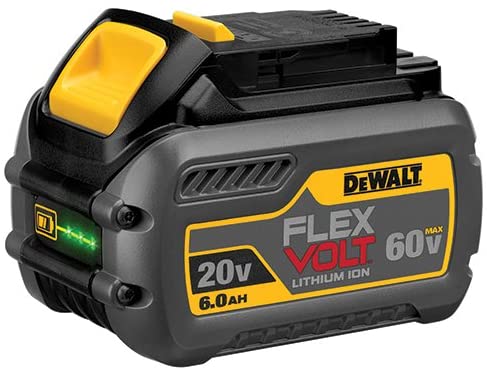
DeWalt vs Flex Polisher: Finish Quality and Paint Safety
Finish quality is where many buyers notice the largest difference.
A rotary DeWalt polisher can leave an excellent finish in skilled hands. Still, rotary tools may create holograms, also called rotary swirls. These are fine patterns that appear under direct sunlight or strong inspection lights.
A Flex dual-action polisher often makes final finishing easier. Its orbital movement changes the pad’s path across the paint. This can reduce the risk of visible rotary trails, especially when paired with a soft foam pad and finishing polish.
That does not mean Flex cannot damage paint. Any polisher can create problems when used with:
• Excessive pressure
• High speed
• A dry or dirty pad
• A harsh compound
• A hot panel
• An edge held in one place
• Too many passes over thin paint
Before polishing, wash and dry the vehicle. Remove bonded contamination with a suitable clay product. Tape delicate trim, inspect the panel, and begin with the least aggressive combination that may solve the problem.
Professional detailers often use a paint thickness gauge when correction work is serious. Clear coat is limited. Removing paint to chase every scratch may shorten the life of the finish.

DeWalt vs Flex Polisher: Ergonomics and Handling
A polisher can look impressive on a workbench but feel very different after two hours in your hands.
DeWalt cordless models offer freedom from power cords. That freedom is valuable around large vehicles, boats, trailers, and outdoor projects. However, the battery adds weight at the rear of the tool. A large battery can also change the balance.
Flex polishers often feel more purpose-built for long detailing sessions. Their handles, grips, switches, and body shapes are designed around controlled movement. The exact feel still varies by model.
When comparing handling, check:
• Total weight with the battery or backing plate attached
• Handle position
• Trigger or speed-dial placement
• Vibration at low and high speeds
• Balance near the pad
• Ease of changing pads
• Heat around the motor housing
• Comfort when working on vertical panels
A simple test helps. Hold the tool as if you are polishing a door. Keep your wrists straight and your shoulders relaxed. If the tool pulls hard to one side, it may become tiring during a full vehicle correction.

Battery Life, Charging, and Work Area
Battery life is one of the strongest reasons to consider DeWalt. Users who already own several 20V MAX batteries can move from drilling or cutting to polishing without buying another battery ecosystem.
Runtime is not fixed. A compact battery may feel light but run for a shorter time. A high-capacity battery can provide longer work time but adds weight. High speed, heavy pressure, thick compound, and dense pads also increase energy use.
Flex cordless polishers offer similar freedom, but their batteries and chargers may belong to a separate platform. The cost can be higher if you are starting from zero.
Choose cordless when:
• You often work outside.
• Your shop has limited outlets.
• You detail cars at customer homes.
• You already own compatible batteries.
• You value fast setup.
Choose corded when:
• You polish for many hours at a time.
• You work inside a dedicated shop.
• You need steady power with no battery changes.
• Tool weight matters more than cable convenience.
Use a proper extension cord for corded models. A thin or very long cord can cause voltage loss and may increase heat. Follow the tool manual and local electrical safety rules.
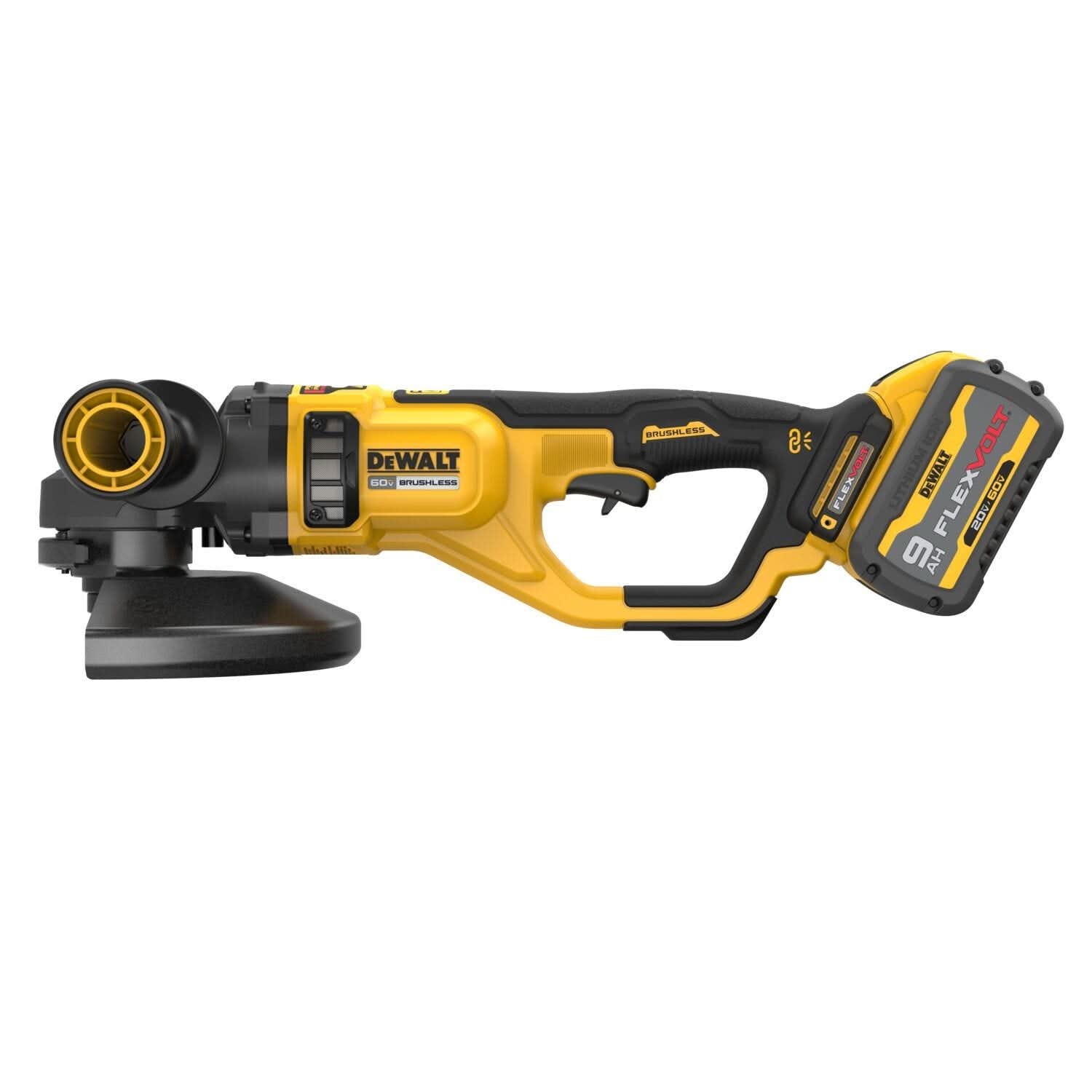
Which Polisher Is Easier for Beginners?
For most beginners, a free-spinning dual-action Flex polisher is easier to learn than a DeWalt rotary polisher.
The reason is motion. A dual-action machine is less likely to create severe holograms when the user keeps the pad flat and moves at a steady pace. It still requires care, but it gives beginners a larger safety margin.
A DeWalt rotary polisher can also be a good first tool if the user learns slowly. Start at a low speed. Use a medium foam pad and a light polish. Work on a small area. Keep the tool moving and avoid sharp edges.
A safe beginner process looks like this:
-
Wash and dry the surface.
-
Inspect the paint in bright light.
-
Tape rubber, plastic, badges, and sharp edges.
-
Test one small section.
-
Use the least aggressive pad and compound first.
-
Make slow, overlapping passes.
-
Wipe the area and inspect the result.
-
Increase cutting strength only when needed.
Never learn on the hood of a customer’s expensive vehicle. Practice on a spare panel or an older vehicle. This small step prevents costly mistakes.

Which One Is Better for Professional Detailers?
Professional detailers should choose based on workflow, not brand loyalty.
A Flex dual-action polisher is a strong choice for shops that perform paint correction, ceramic coating preparation, and finishing work. Its smooth control can help produce repeatable results across many vehicles.
A DeWalt rotary polisher may suit a mobile detailer who already carries DeWalt batteries. It can provide quick correction without needing a nearby outlet. For heavy defects, that speed may improve productivity.
Many professional shops use more than one machine:
• A rotary polisher for fast heavy correction
• A large dual-action polisher for open panels
• A compact polisher for bumpers, pillars, and tight spaces
• A finishing machine for gloss and final refinement
This mixed approach is often better than asking one polisher to do everything. Think of the tools as different paintbrushes. A wide brush covers a wall, while a small brush reaches the corners.
DeWalt vs Flex Polisher: Price and Value
DeWalt usually offers better value for users already invested in the 20V MAX battery system. The tool cost may be only part of the purchase. Include batteries, chargers, backing plates, pads, compounds, extension cords, and safety equipment.
Flex often costs more at the start. Its value comes from refined handling, model choice, professional features, and long-term polishing performance. A busy detailer may recover the higher cost through faster work and more consistent results.
Compare total ownership cost:
• Tool body
• Battery and charger
• Backing plates
• Foam and microfiber pads
• Compounds and finishing polish
• Replacement brushes or service parts
• Extension cords for corded machines
• Storage and transport
A low-priced polisher is not always the least expensive option. If it causes fatigue, poor results, or damaged paint, the real cost can be much higher.
Common Mistakes to Avoid
New users often blame the polisher when the real issue is technique or preparation.
The most common mistakes include:
• Using one dirty pad for an entire vehicle
• Pressing too hard
• Working on hot paint
• Choosing an aggressive compound too soon
• Holding the pad on an edge
• Moving too fast across the panel
• Skipping a test spot
• Using too much product
• Ignoring paint thickness
Clean or replace pads often. A saturated pad creates heat and reduces cutting control. Keep several pads ready so the work stays consistent.
Another mistake is chasing every deep scratch. If a scratch reaches the base coat or metal, polishing may not remove it safely. The better choice may be to soften its appearance rather than remove too much clear coat.
DeWalt vs Flex Polisher: My Practical Buying Advice
A useful buying method is to start with your most common job.
Choose DeWalt if:
• You already own DeWalt 20V MAX batteries.
• You need cordless mobility.
• You perform occasional correction work.
• You want strong rotary cutting power.
• You also work on metal, boats, trailers, or equipment.
Choose Flex if:
• You detail vehicles often.
• You want refined control and low fatigue.
• You prefer a dual-action design.
• You need compact and full-size polishing options.
• You want a tool made mainly for professional finishing.
If you are new to paint correction, a Flex free-spinning dual-action model is often the safer starting point. If you are experienced and need fast correction, a DeWalt rotary can be a practical workhorse.
Before ordering, confirm the exact model, pad diameter, spindle thread, battery requirements, speed range, warranty, and included accessories. Product names can look similar, but their designs may be very different.
Safety Tips for Using Any Polisher
Polishing tools are safer when treated like power tools, not household appliances.
Wear safety glasses during polishing. Use hearing protection when working for long periods. Keep loose clothing, hair, and cords away from the spinning pad.
Follow these habits:
• Inspect the backing plate before use.
• Do not use damaged pads.
• Disconnect the battery or unplug the tool before changing accessories.
• Keep the pad flat when possible.
• Avoid polishing near exposed clips and sharp edges.
• Let the panel cool before applying more compound.
• Use ventilation when products create dust or fumes.
• Follow the tool and chemical manufacturer instructions.
For automotive work, remember that compound dust can irritate the lungs and eyes. A clean work area, proper ventilation, and suitable personal protective equipment make the job more comfortable and safer.
Frequently Asked Questions About DeWalt vs Flex Polisher
Is Flex better than DeWalt for car detailing?
Flex is often better for frequent car detailing because it offers more dual-action options, refined handling, and strong finishing control. DeWalt can still perform very well, especially when cordless mobility and rotary correction are priorities.
Is the DeWalt cordless polisher good for beginners?
The DeWalt cordless rotary polisher can work for beginners, but it requires careful technique. A new user should practice on a test panel, start at a low speed, keep the pad moving, and avoid sharp edges.
Which polisher removes scratches faster?
A rotary polisher usually removes defects faster than a free-spinning dual-action polisher. However, deep scratches may extend beyond the clear coat, so faster cutting does not always mean safer or better correction.
Can I use DeWalt batteries in a Flex polisher?
Usually, no. DeWalt and Flex cordless tools use different battery platforms and electronic systems. Use only the battery and charger approved for the specific polisher.
Which polisher is better for polishing headlights?
A compact Flex polisher is often more convenient for headlights and small areas. A DeWalt rotary can also work, but its larger size and direct rotation require extra care around edges.
Does Flex make rotary polishers?
Yes. Flex offers rotary polishers as well as free-spinning and forced-rotation dual-action models. Check the exact model before buying because each design has a different motion and learning curve.
Can one polisher remove every paint defect?
No. A single polisher cannot safely remove every defect. Results depend on paint thickness, pad type, compound strength, defect depth, and the condition of the surface.
Conclusion
The DeWalt vs Flex Polisher comparison has no single winner for every user. DeWalt stands out for cordless value, battery convenience, and strong rotary correction. Flex leads when smooth control, ergonomic design, dual-action options, and professional finishing matter most.
Choose DeWalt when mobility and platform compatibility come first. Choose Flex when you want a dedicated detailing tool with a wider range of controlled polishing options. Whichever brand you select, learn the machine, test a small area, use clean pads, and protect the paint before chasing perfection.
Compare the exact models before you buy, then share your polishing experience or questions in the comments.