How To Use A Windshield Cleaning Tool: Easy Guide
A windshield cleaning tool helps remove grime, streaks, and film so your glass stays clear and safe.
A clean windshield is one of those small things that makes a big difference on the road. When you know how to use a windshield cleaning tool the right way, you get better visibility, less glare, and a safer drive in rain, dust, or bright sun. I’ve used these tools in everything from quick morning cleanups to deep detailing jobs, and the difference between “good enough” and truly clear glass usually comes down to technique, not effort.
What a windshield cleaning tool does
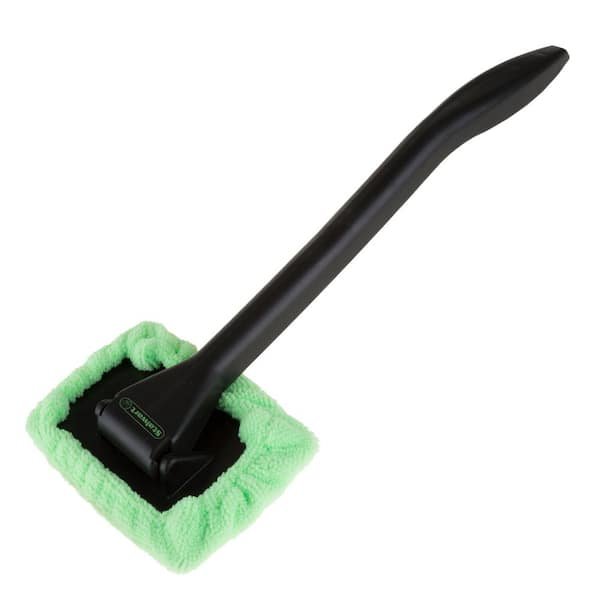
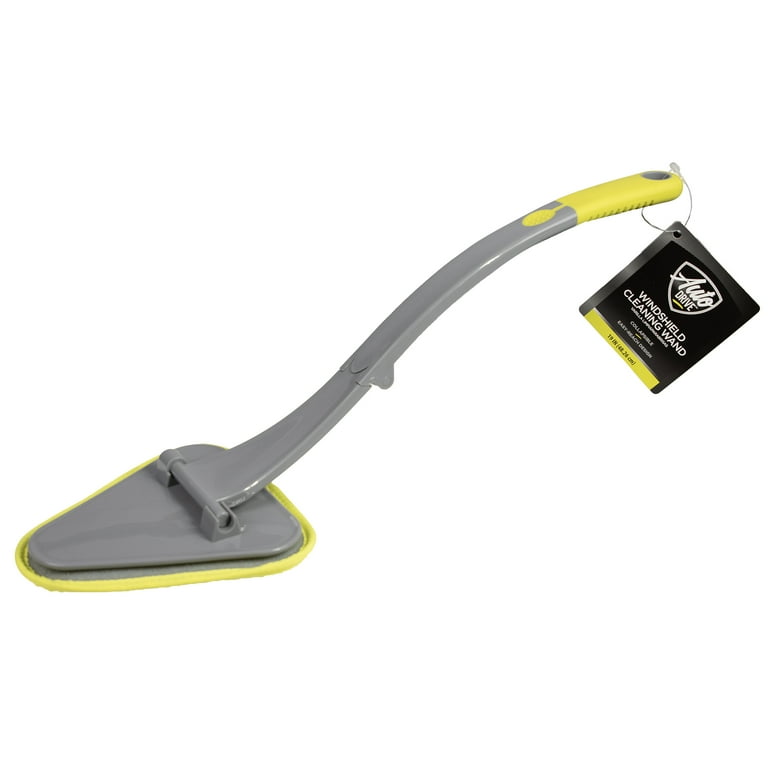
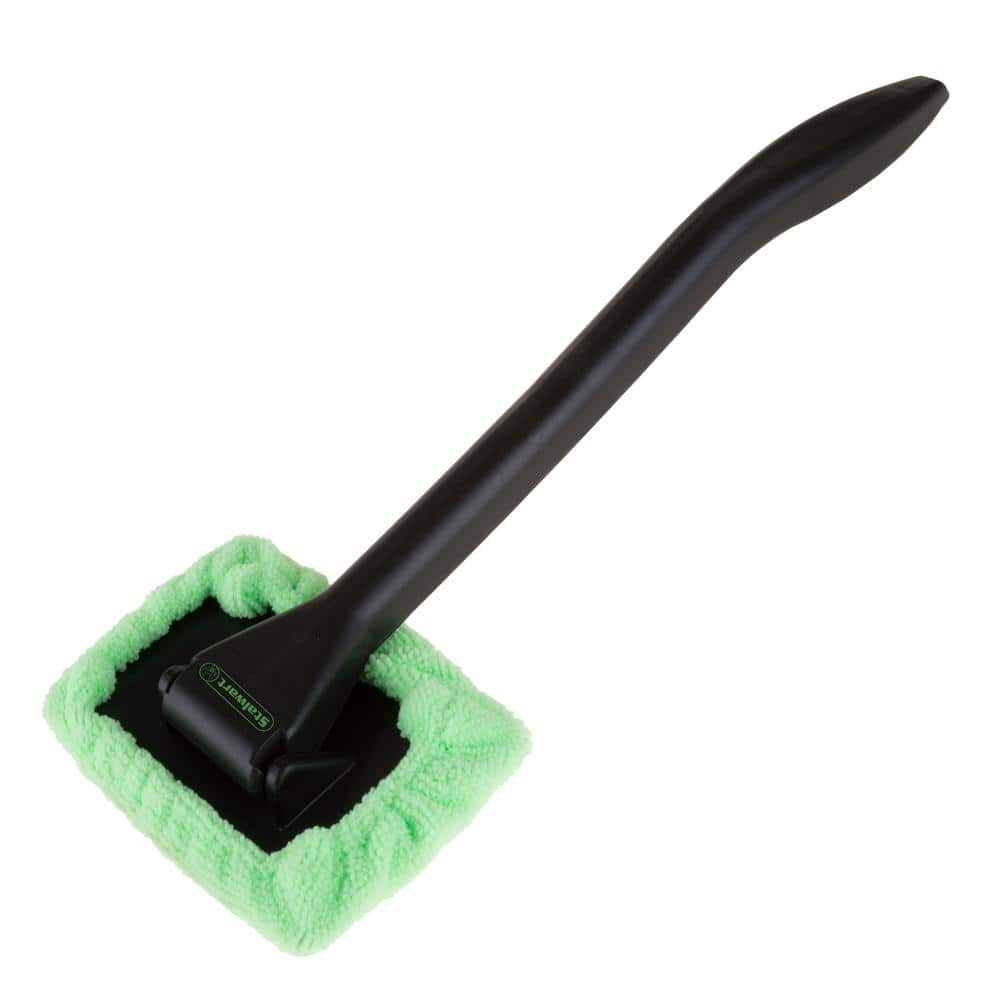
A windshield cleaning tool is designed to reach, wipe, scrub, or polish glass surfaces that are hard to clean by hand. Some tools have long handles, pivoting heads, microfiber pads, or built-in spray features. Others are simple handheld cleaners made for fast jobs inside the car.
The main job is to lift away dirt, road film, fingerprints, smoke haze, and water spots. When used correctly, a windshield cleaning tool saves time and helps reduce streaks. That matters because even a small smear can catch sunlight and make driving annoying or unsafe.
Here’s what these tools usually help with:
- Interior glass film from dust, plastic off-gassing, or smoking
- Exterior dirt, bugs, and road salt
- Streaks from old wipers or poor cleaning products
- Hard-to-reach corners near the dashboard
- Foggy-looking glass that affects night driving

Choosing the right windshield cleaning tool
Not every windshield cleaning tool works the same way. The best one depends on whether you need to clean the inside, outside, or both. I’ve seen people buy a tool that looks impressive but ends up being awkward on curved glass.
A good choice is one that fits your car, your hand, and your cleaning style. If the tool is too stiff, it can miss corners. If the pad is too rough, it can leave lint or marks.
Common types of windshield cleaning tools
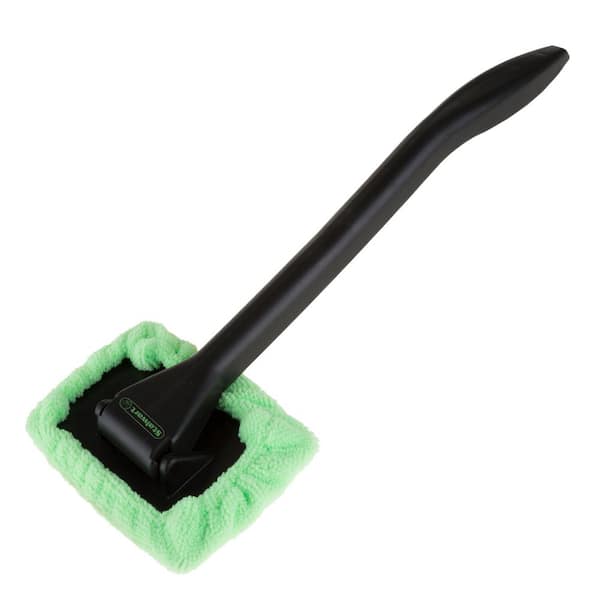
- Microfiber wand tools: Great for interior glass and tight areas
- Pivot-head tools: Good for curved windshields and wide coverage
- Spray-and-wipe tools: Useful for fast cleaning with less setup
- Extendable handle tools: Helpful for larger vehicles like SUVs and trucks
- Tool-and-pad kits: Best for people who want control over products and technique
What to look for before buying
- A soft, lint-free cleaning pad
- A handle that reaches the center of the windshield
- A head that moves easily without wobbling
- Pads that can be washed and reused
- A design that works on both dry dust and wet cleaning
In my experience, the best windshield cleaning tool is the one you’ll actually use often. A simple, well-made tool usually beats a fancy one that sits in the trunk.
How to use a windshield cleaning tool step by step
Using a windshield cleaning tool is simple, but the order matters. Think of it like dusting a shelf before polishing it. If you rush, you just spread the mess around.
1. Park in a shaded area
Heat makes glass cleaner dry too fast. That can cause streaks before you finish wiping.
A cool windshield gives you more working time and better results. If you can’t park in shade, clean the glass early in the morning or later in the day.
2. Remove loose dirt first
Before using the windshield cleaning tool, brush away loose dust or debris. This helps prevent scratching. For the outside, a quick rinse with water is useful if the glass is very dirty.
For the inside, use a dry microfiber cloth or a soft brush around the dashboard edge. This keeps grit from getting dragged across the glass.
3. Apply the right cleaner
Use a glass cleaner made for automotive use or a product that leaves no residue. Avoid heavy ammonia-based products on tinted windows unless the label says they are safe. A little goes a long way.
Spray the cleaner on the tool pad or cloth, not directly on every part of the windshield. That gives you better control and helps reduce drips onto the dashboard.
4. Wipe in overlapping strokes
Use smooth, even passes. Start at the top and work downward. Overlapping strokes help you cover the whole surface without missing spots.
For the inside windshield, move side to side or in straight lines. For the outside, vertical passes can help you spot streaks more easily afterward.
5. Pay attention to corners and edges
Corners collect a lot of dust, especially near the dashboard and A-pillars. Use the narrow edge of the windshield cleaning tool to reach those areas. If needed, switch to a smaller microfiber cloth for detail work.
This step is where a lot of people stop too soon. But the edges are often the first places your eye notices when sunlight hits the glass.
6. Buff with a dry microfiber towel
After cleaning, use a dry, clean microfiber towel to remove any leftover moisture. This is the part that turns “pretty clean” into “crystal clear.” If the towel is dirty or damp, it can undo your work.
I learned this the hard way on a humid day when I skipped the final buff. The glass looked fine at first, then dried into faint streaks that showed up every time headlights hit it.

How to clean the inside windshield without streaks
The inside windshield can be harder than the outside. That’s because interior glass gets a film from dust, vents, and off-gassing from plastics. It often looks clean until sunlight or night glare exposes the smear.
A windshield cleaning tool makes the job easier, but technique still matters. Use light pressure and don’t overload the pad with cleaner.
Follow these tips:
- Use a low-lint microfiber pad or cloth
- Spray cleaner lightly instead of soaking the glass
- Clean in small sections
- Turn the tool often so you use a fresh side
- Finish with a dry towel for a clear shine
If your windshield keeps fogging or looking hazy, check your cabin air filter and interior dust levels too. Sometimes the glass is not the only problem.
How to clean the outside windshield effectively
The outside windshield usually has bugs, sap, rain spots, and road grime. A windshield cleaning tool can handle most of that, but heavy buildup may need a rinse first. If the glass feels rough, don’t scrub hard right away.
I usually start with a wash or at least a quick wet wipe. Then I use the windshield cleaning tool with a glass-safe cleaner. This two-step approach works better than trying to force everything off in one pass.
Best outside cleaning habits:
- Rinse off grit before wiping
- Clean after the car cools down
- Use fresh microfiber pads
- Reapply cleaner only as needed
- Check the glass from different angles for missed spots
If water spots are stubborn, a glass polish or water spot remover may help. Just test it on a small area first.
Mistakes to avoid when using a windshield cleaning tool
Even a good windshield cleaning tool can give bad results if you use it the wrong way. Most problems come from too much cleaner, dirty cloths, or rushing the final wipe. These are small mistakes that create big streaks.
Common mistakes include:
- Using a dirty pad that already holds grit
- Spraying too much cleaner on the glass
- Cleaning in direct sun and letting the product dry too fast
- Using paper towels that leave lint behind
- Forgetting the final dry buff
- Pressing too hard and missing the corners
One mistake I see often is people assuming more pressure means better cleaning. It usually does the opposite. Gentle, steady movement works better and is safer for the glass.
Benefits of using a windshield cleaning tool
A windshield cleaning tool is more than a convenience item. It improves visibility and makes regular upkeep easier. That matters whether you drive every day or only on weekends.
The biggest benefits include:
- Better visibility in sunlight and at night
- Less glare from smudges and film
- Faster cleaning with less effort
- Easier access to the center and corners of the windshield
- Better maintenance of tinted glass and delicate surfaces
- Cleaner-looking interior and exterior glass
Clean glass can also reduce eye strain. When your windshield is dirty, your eyes work harder to focus. That can make long drives feel more tiring than they should.
How often should you use a windshield cleaning tool
How often you use a windshield cleaning tool depends on your driving conditions. If you drive in dusty areas, near construction, or on salted winter roads, you may need it weekly. In milder conditions, every two to four weeks may be enough.
A simple rule helps: clean it whenever you notice haze, glare, or streaks. If the glass looks dirty in one light but not another, it still needs attention. Sunlight and headlights are honest testers.
For many drivers, a quick interior wipe once a week and a deeper exterior clean every couple of weeks works well. That routine keeps the windshield from getting to the point where heavy scrubbing is needed.
Maintenance tips for your windshield cleaning tool
A windshield cleaning tool lasts longer and works better when you take care of it. The pad is the part that does the real work, so keeping it clean is important. A worn or dirty tool can turn into a streak machine.
Good maintenance habits include:
- Rinse microfiber pads after use
- Wash pads without fabric softener
- Let them air dry
- Store the tool in a clean, dry place
- Replace pads when they start to roughen or shed fibers
- Keep one tool for glass only, if possible
I like to keep one microfiber pad just for interior glass. That way it never picks up wax, grime, or tire dressing from other cleaning jobs.

When a windshield cleaning tool is not enough
Sometimes a windshield cleaning tool can only do part of the job. Deep scratches, etched water spots, heavy smoke residue, or damaged wiper marks may need stronger treatment. If the problem keeps coming back, there may be a deeper cause.
You may need extra help if:
- The windshield has hard mineral deposits
- The glass feels rough after cleaning
- Streaks return immediately after wiping
- The inside glass stays cloudy due to poor ventilation
- Wiper blades are leaving marks on the glass
In those cases, replacing worn wipers, changing cleaners, or using a glass polish may solve the issue. If the glass is damaged, a professional detailer or glass technician can advise you on the next step.
FAQ
What is the best way to use a windshield cleaning tool?
Use light pressure, clean in sections, and finish with a dry microfiber towel. Start with loose dirt removed so you do not drag grit across the glass.
Can I use a windshield cleaning tool on tinted windows?
Yes, but use a glass cleaner that is safe for tint. Avoid harsh products that may damage the film or leave residue.
Why does my windshield still streak after cleaning?
Streaks usually come from too much cleaner, a dirty pad, or a wet final wipe. Switching to a clean microfiber towel often fixes the problem fast.
How do I clean the inside windshield near the dashboard?
Use a windshield cleaning tool with a slim or pivoting head. Work in small sections and use a smaller cloth for the tight lower edge if needed.
Are windshield cleaning tools better than regular cloths?
They often are, especially for hard-to-reach areas and larger glass surfaces. A good tool gives you more reach and better control, which can make cleaning faster and more even.
Conclusion
Using a windshield cleaning tool the right way makes a real difference in comfort and safety. When you choose the right tool, clean in the right order, and finish with a dry buff, your glass stays clearer for longer. That means less glare, less strain, and a better view of the road ahead.
The best part is that it does not take a lot of time once you build the habit. Start with a simple routine, avoid the common mistakes, and pay attention to the inside and outside of the glass. Try these steps on your next wash day, and if you found this guide helpful, explore more car care tips or leave a comment with your own cleaning routine.