Thule Force XT Vs Yakima SkyBox: Best Cargo Box
Thule Force XT offers easier daily use, while Yakima SkyBox brings strong value and practical cargo space.
Choosing between the Thule Force XT vs Yakima SkyBox can feel like picking between two well-built travel tools. Both roof boxes add secure storage for skis, camping gear, luggage, and family trips. Yet their shape, mounting systems, opening design, price, and fit can change which one feels right on your vehicle.
This guide compares the Thule Force XT vs Yakima SkyBox in clear, practical terms. It also covers size, capacity, installation, security, road noise, fuel use, weather protection, and the mistakes that can make a roof box frustrating.
Thule Force XT vs Yakima SkyBox: Quick Comparison
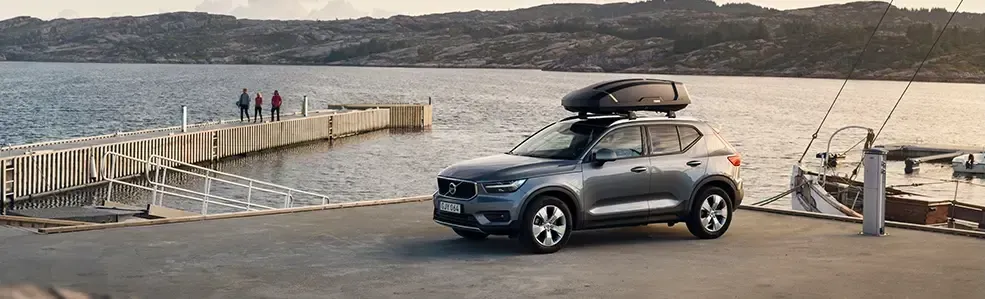
The Thule Force XT and Yakima SkyBox are hard-shell rooftop cargo boxes made from durable plastic. They protect gear from rain, snow, road spray, and flying dust while freeing space inside your vehicle.
The best choice depends less on the logo and more on how you travel. A skier may care about length and loading height. A family may care more about access from both sides. A daily user may focus on fast installation and low noise.
| Feature | Thule Force XT | Yakima SkyBox |
|---|---|---|
| Main strength | Easy mounting and polished daily use | Strong value and useful interior space |
| Common sizes | Medium, Large, and XL options | Common 12, 16, and 18-cubic-foot options |
| Access | Dual-side opening on many models | Dual-side opening on many models |
| Mounting | PowerClick quick-mount system | SuperLatch mounting system |
| Security | Central locking system | SKS-compatible locking system on many models |
| Best for | Frequent travelers and simple installation | Families, outdoor users, and value shoppers |
| Main concern | Higher price in many markets | Some models may feel bulkier or louder |
Model names can change by year and market. Always check the exact product page, dimensions, weight, and fit guide before buying.

Design and Build Quality
The Thule Force XT uses a modern, textured shell with a broad, useful shape. It looks clean on many SUVs, wagons, and crossover vehicles. The plastic shell feels sturdy, but it still needs care when loading sharp or heavy items.
The Yakima SkyBox also uses a hard plastic shell built for outdoor travel. Its design often places more focus on usable interior room and simple access. Some SkyBox models have a slightly more rugged look, which many outdoor users prefer.
In the Thule Force XT vs Yakima SkyBox comparison, both brands offer a good level of weather protection when the lid closes correctly. Neither box is a substitute for a dry bag when carrying items that cannot get wet.
A practical lesson from fitting rooftop boxes is simple: the shell is only one part of durability. Hinges, locks, mounting clamps, and lid alignment matter just as much. A box that is forced shut every trip will wear faster than one that is loaded with care.
Cargo Capacity and Interior Space
Roof box capacity is measured in cubic feet. A 16-cubic-foot box can hold a useful amount of family luggage, soft bags, coats, and camping items. It may also hold several pairs of skis, depending on ski length and the box’s internal shape.
Typical options include:
• Thule Force XT L: about 16 cubic feet
• Thule Force XT XL: about 18 cubic feet
• Yakima SkyBox 16: about 16 cubic feet
• Yakima SkyBox 18: about 18 cubic feet
These numbers describe volume, not guaranteed packing space. A low, wide box may fit suitcases well. A longer box may carry skis or snowboards more easily. A bulky stroller or cooler can also waste space inside a box that looks large on paper.
For the Thule Force XT vs Yakima SkyBox decision, think about your largest item first. Measure that item, then check the box’s internal length and opening width. Do not rely only on the exterior dimensions.
Soft duffel bags usually use rooftop space better than hard suitcases. They bend into corners and leave fewer empty gaps. Packing cubes can also help keep small items from moving around during sharp turns or sudden stops.

Size Options: Which Box Fits Your Needs?
A small roof box works well for one or two people. It can carry coats, small bags, and weekend gear without adding as much height or weight.
A medium or 16-cubic-foot box is often the best all-around choice. It suits many families and gives enough room for road trips without becoming too large for everyday use.
An XL or 18-cubic-foot box makes sense when you travel with several people or carry long outdoor gear. However, a larger box can create more wind resistance and may be harder to lift onto the roof.
Use this simple guide:
• Choose a small box for light travel, city driving, and compact cars.
• Choose a 16-cubic-foot box for most family road trips.
• Choose an 18-cubic-foot box for large families, camping loads, and extra luggage.
• Choose a long box when ski or snowboard length is the main concern.
The Thule Force XT vs Yakima SkyBox size choice should also match your roof. A large box may extend too far over the windshield or rear hatch. Check clearance with the hatch fully open before your first trip.

Mounting and Installation
Thule’s PowerClick system is one of the Force XT line’s main selling points. The clamps tighten inside the box, and an audible click helps show when the pressure is correct. This can make installation feel less like guesswork.
Yakima SkyBox models commonly use the SuperLatch system. It also aims to provide fast attachment and a clear sense that the box is secure. The exact clamp design can vary between generations, so read the manual for your model.
Neither box should be mounted directly to a bare vehicle roof. You need compatible crossbars and enough bar spread. The crossbars must also support the combined weight of the box and its contents.
A safe installation process looks like this:
-
Check the vehicle owner’s manual for the roof weight limit.
-
Confirm that the crossbars match the box’s mounting system.
-
Center the box from side to side.
-
Keep enough room for the rear hatch to open.
-
Tighten each clamp evenly.
-
Shake the box gently to check for movement.
-
Recheck the mounts after a short drive.
One common mistake is tightening one clamp fully before the others. That can pull the box to one side. Tighten all clamps gradually so the box stays centered.

Roof Weight Limits and Safe Loading
Your vehicle’s roof limit includes more than the cargo. It usually includes the crossbars, the roof box, and everything inside it.
For example, if your vehicle allows 165 pounds while driving, you must subtract the weight of the crossbars and box. A 45-pound box and 15-pound crossbar system leave about 105 pounds for cargo.
The manufacturer’s box limit may be higher than your vehicle’s limit. The lower number always wins.
Follow these loading rules:
• Put heavier items near the center of the box.
• Keep weight low and spread it across the base.
• Place light clothing and soft bags around harder items.
• Do not pack loose objects that can shift.
• Stay below the box’s maximum load rating.
• Close the lid without forcing it.
In the Thule Force XT vs Yakima SkyBox comparison, safe loading matters more than a small difference in advertised capacity. An overloaded box can affect steering, braking, handling, and fuel use.

Opening, Access, and Everyday Convenience
Both product lines commonly offer access from both sides. This is helpful in a parking lot because you do not need to walk into traffic to reach your gear. It also helps when another vehicle is parked close to one side.
The Thule Force XT often feels refined in daily use. Its lid opens smoothly when the box is installed and packed correctly. The PowerClick indicators can also make setup less stressful.
The Yakima SkyBox offers practical access and a wide opening on many versions. Its handle and latch design are easy to understand, which helps when several family members use the box.
A small but important point is parking height. A rooftop box can make a vehicle too tall for some garages, parking decks, ferry entrances, and drive-through lanes. Measure the full vehicle height with the box installed, then write it on a card inside the cabin.

Security and Locks
A roof box can slow down casual theft, but it is not a bank vault. Both Thule and Yakima use locking systems designed to secure the lid and discourage quick access.
The Thule Force XT uses a central locking approach on many models. The key may not release until the lid is fully closed and locked. This helps prevent a partially secured box from being driven away.
Yakima SkyBox models often use Yakima’s SKS lock system. Some products may share the same key code as other Yakima accessories, which can be convenient for owners with matching equipment.
The Thule Force XT vs Yakima SkyBox security difference is usually less important than user habits. Do not leave expensive electronics, passports, or other high-value items in a roof box overnight. Lock the box when the vehicle is unattended, and park in a bright, secure area.
Weather Protection and Durability
A good roof box should keep normal rain and road spray away from your gear. Both Thule Force XT and Yakima SkyBox models use overlapping lid edges and seals to reduce water entry.
Still, no rooftop cargo box is perfectly waterproof in every storm. Water can enter if the lid is overfilled, a bag blocks the seal, or the box is not fully latched. Dust can also enter through small gaps during long highway trips.
For better protection:
• Use waterproof bags for clothing and electronics.
• Keep the seal clean.
• Remove leaves, sand, and ice before closing the lid.
• Do not place hard items across the seal.
• Check the lid after loading from both sides.
UV exposure and heat can affect plastic over many years. Store the box indoors or under cover when possible. If that is not practical, keep it empty, clean, and locked in a safe place.
Road Noise and Fuel Economy
Any rooftop cargo box adds wind resistance. The size, shape, crossbar type, vehicle height, and driving speed all affect noise and fuel use.
The Thule Force XT often has a smooth shape that performs quietly for many drivers. The Yakima SkyBox can also be quiet, especially when centered correctly and paired with aerodynamic crossbars. However, user reports can differ because vehicles and bar systems are not the same.
Do not expect an exact fuel economy result before testing your own vehicle. Highway speed has a large effect. Driving at 75 mph with a full box will usually create more drag than driving at 60 mph with a light load.
To reduce noise:
• Center the box carefully.
• Use aerodynamic crossbars.
• Keep the box closed and latched.
• Avoid loose straps near the bars.
• Remove the box when you do not need it.
The Thule Force XT vs Yakima SkyBox fuel economy difference is usually smaller than the difference between correct and poor installation.
Ski and Snowboard Use
Skiers should focus on internal length, not just cubic feet. A short, wide box may offer excellent luggage space but fail to hold longer skis diagonally.
The Thule Force XT comes in versions suited to different loads, but you must check the internal length for the exact model. The Yakima SkyBox range also includes shapes that work well for winter gear, yet the same measurement rule applies.
Before buying, measure:
• The longest skis or snowboard.
• The height of bindings.
• The width of the board.
• The clearance needed for boots and poles.
Keep skis and boards in protective sleeves. Bindings can scratch the box interior, while wet snow can leave water inside. Dry winter gear before storing it for a long period.
Price and Overall Value
The Thule Force XT often costs more than a comparable Yakima SkyBox. That higher price may reflect its finish, mounting system, brand support, and refined daily operation.
The Yakima SkyBox can offer strong value when its size and fit match your vehicle. It is a good choice for buyers who want useful cargo space without paying for every premium feature.
Price should include the full setup:
• Roof box
• Crossbars
• Locks or replacement keys
• Installation parts
• Protective storage
• Possible dealer installation
In the Thule Force XT vs Yakima SkyBox comparison, the cheaper box is not always the better deal. A box that fits your car, opens fully, and meets your cargo needs is worth more than a discounted model that creates daily problems.
Thule Force XT vs Yakima SkyBox: Main Pros and Cons
Thule Force XT advantages
• Quick and clear PowerClick installation.
• Clean design and smooth everyday operation.
• Strong range of sizes.
• Good access from both sides on many models.
• Helpful lock and latch feedback.
Thule Force XT limitations
• Often costs more than similar Yakima models.
• Large versions may be heavy to lift.
• Interior shape may not suit every bulky item.
• Vehicle fit still requires careful measurement.
Yakima SkyBox advantages
• Practical cargo space for road trips and outdoor use.
• Strong value in many sizes.
• Simple access and familiar mounting design.
• SKS lock compatibility on many versions.
• Useful options for families and active users.
Yakima SkyBox limitations
• Model features can vary by year.
• Some versions may create more wind noise on certain vehicles.
• A wide box can interfere with hatch or roof accessories.
• The mounting system may feel different between generations.
This list shows why the Thule Force XT vs Yakima SkyBox decision has no universal winner. The better box is the one that fits your vehicle and your normal load.
Which One Should You Buy?
Choose the Thule Force XT if:
• You want fast, simple installation.
• You use a roof box often.
• You prefer a polished design.
• You value clear clamp feedback.
• You are comfortable paying more for convenience.
Choose the Yakima SkyBox if:
• You want strong cargo space for the price.
• You already own Yakima crossbars or SKS locks.
• You prefer a practical outdoor design.
• You want several size options.
• You are willing to compare model details carefully.
For most families, a 16-cubic-foot box is a sensible starting point. It gives useful room without the bulk of the largest models. For skis, snowboards, and long camping items, prioritize length and shape over volume.
How to Choose the Correct Size
Use this five-step method before ordering:
-
Measure your longest item. Include cases and bindings.
-
Measure the distance from the front crossbar to the open rear hatch.
-
Check the crossbar spread required by the box.
-
Add the box weight to your vehicle’s roof limit.
-
Compare the interior shape, not only cubic-foot capacity.
Also check sunroofs, antennas, rear spoilers, and factory roof rails. A box may fit the crossbars but still create a clearance issue with the hatch or roof opening.
When comparing the Thule Force XT vs Yakima SkyBox, the fit guide is one of the most valuable tools you can use. It prevents the expensive mistake of buying a box that technically mounts but does not work well.
Installation Mistakes to Avoid
Many roof box problems come from setup, not product quality. A few minutes of careful work can prevent noise, leaks, and damage.
Avoid these mistakes:
• Installing the box too far forward.
• Blocking the rear hatch.
• Leaving clamps unevenly tightened.
• Exceeding the roof weight limit.
• Placing sharp tools against the shell.
• Driving with an unlatched lid.
• Forgetting the added vehicle height.
• Leaving the box mounted all year.
After installation, drive slowly for the first few minutes and listen for unusual movement. Stop in a safe place and inspect the mounts. Recheck them again after the first long trip.
Care and Storage Tips
Clean the box with mild soap and water. Avoid harsh solvents because they may dull or weaken some plastic surfaces.
Lubricate locks and hinges only with products recommended by the manufacturer. Do not use excessive oil near seals, fabric, or the interior.
Store the box on its side only if the manual allows it. The safest option is usually a dry, supported space where the shell will not bend. A wall hoist or box lift can make seasonal storage much easier.
A simple care routine includes:
• Washing road salt away after winter trips.
• Drying the interior before storage.
• Checking bolts, clamps, locks, and seals.
• Removing stickers that hide cracks or damage.
• Inspecting the shell after contact with low ceilings.
These steps help either product last longer. Good care also keeps the Thule Force XT vs Yakima SkyBox performance close to its original condition.
Frequently Asked Questions About Thule Force XT vs Yakima SkyBox
Is Thule Force XT better than Yakima SkyBox?
Neither is best for every driver. Thule Force XT is often the better choice for quick mounting and polished daily use, while Yakima SkyBox can provide strong value and practical cargo space.
Which roof box is quieter, Thule Force XT or Yakima SkyBox?
Noise depends on the vehicle, crossbars, box position, speed, and load. Both can be reasonably quiet when centered correctly and paired with aerodynamic crossbars.
Can a roof box fit on any car?
No. The vehicle needs compatible crossbars, suitable bar spread, enough roof capacity, and proper hatch clearance. Always check the box manufacturer’s fit guide and the vehicle owner’s manual.
How much fuel does a roof box use?
Fuel use varies with speed, box size, vehicle shape, wind, and cargo weight. Removing the box when it is not needed usually reduces drag and may improve fuel economy.
Can I leave a Thule Force XT or Yakima SkyBox on all year?
You can, but seasonal removal is often better. It reduces wind exposure, saves fuel, limits weather wear, and lowers the chance of hitting a low garage or parking structure.
Is a 16-cubic-foot roof box large enough for a family?
A 16-cubic-foot box is enough for many family road trips with soft bags, coats, and outdoor gear. It may not be enough for several hard suitcases, large strollers, or very long winter equipment.
Do roof boxes keep everything completely dry?
They provide strong protection from normal rain and road spray, but they are not guaranteed to be perfectly waterproof in every condition. Use sealed bags for electronics, documents, and other moisture-sensitive items.
Conclusion
The Thule Force XT vs Yakima SkyBox choice comes down to fit, access, size, price, and the way you travel. Thule Force XT stands out for simple mounting and refined daily use. Yakima SkyBox remains a practical option with useful space and strong value.
Before buying, measure your gear, check your vehicle’s roof limit, confirm hatch clearance, and compare the exact model. A properly fitted 16-cubic-foot box will serve many drivers better than an oversized box that is hard to load or store.
Use this guide to narrow your options, then review the latest fit details from the manufacturer. If you have used either roof box, share your experience and setup in the comments.