How To Use A Creeper Seat: Easy Step-By-Step Guide
A creeper seat lets you roll, slide, and work under a vehicle without straining your back.
If you have ever spent time under a car, truck, or mower, you already know how fast the job can get uncomfortable. Learning how to use a creeper seat the right way can make maintenance safer, smoother, and a lot less exhausting. I have used them in tight garage spaces and on longer repair days, and the difference between “just getting by” and working comfortably is huge. In this guide, I’ll walk you through how to use a creeper seat, what to look for, and the small habits that make a big difference in real use.

What a creeper seat is and why it helps
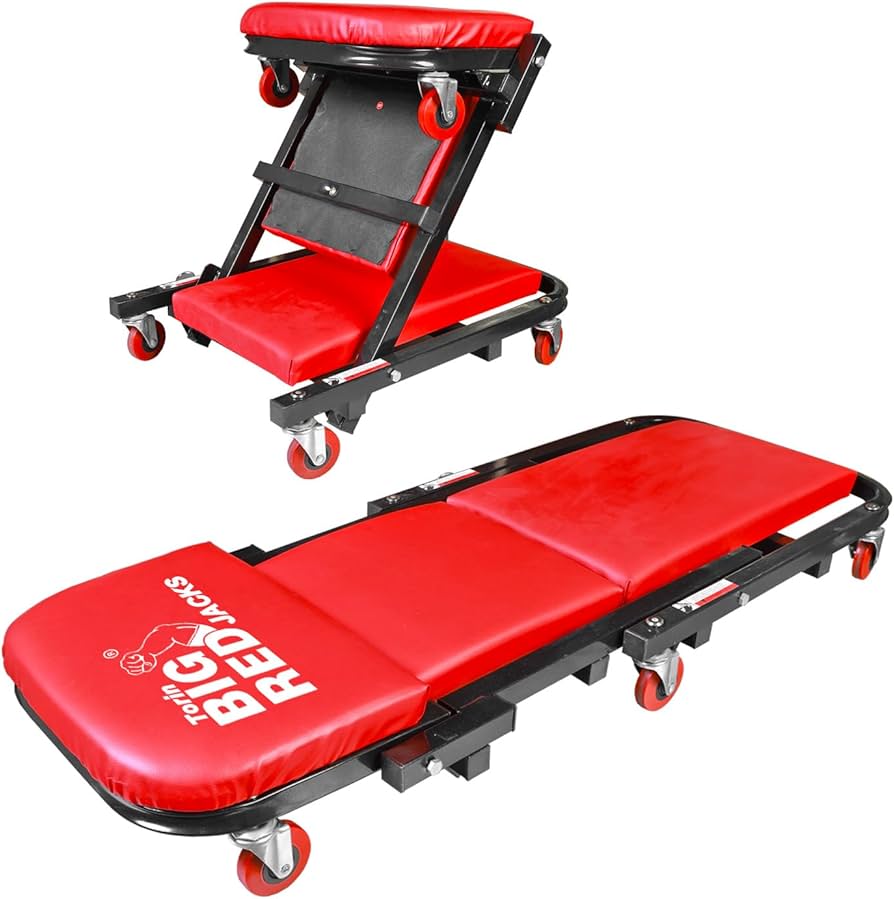
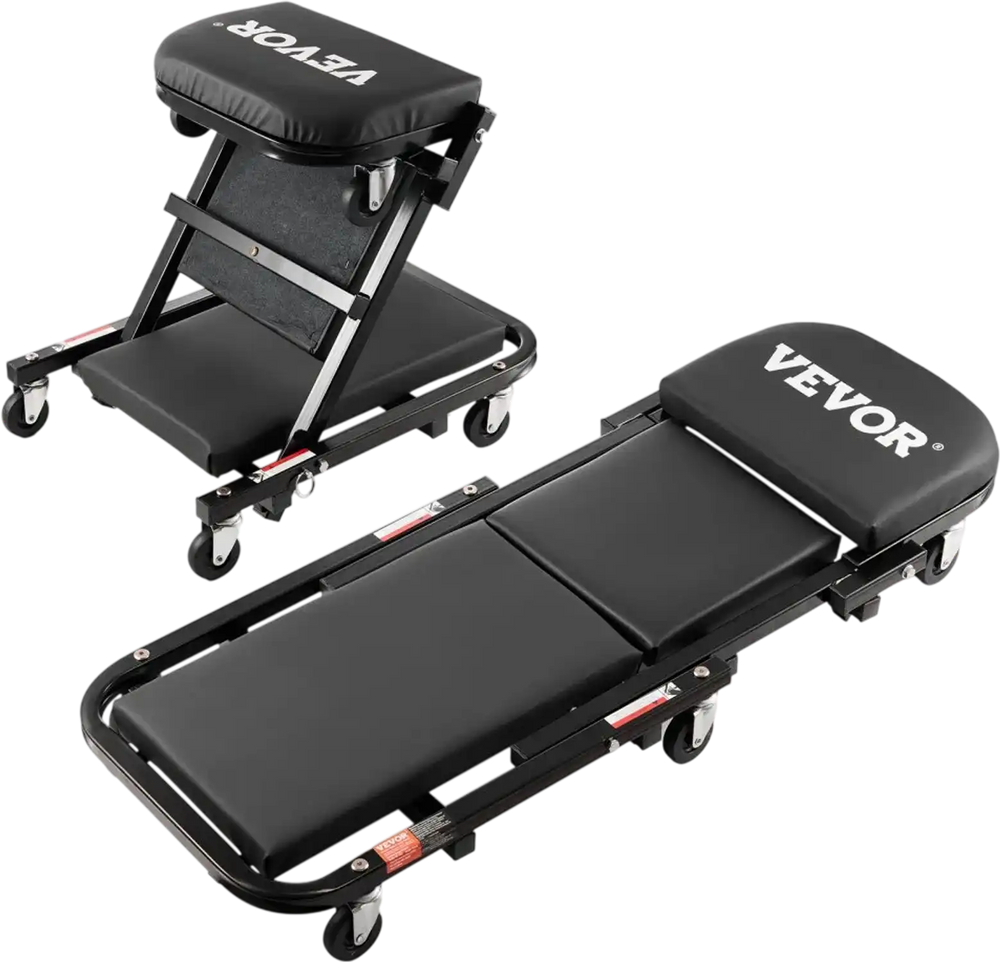
A creeper seat is a low rolling seat made for garage and shop work. It usually has wheels, a padded cushion, and sometimes a tool tray or storage drawer. Unlike a full creeper board, a creeper seat keeps you sitting upright while you work near the lower half of a vehicle or machine.
Knowing how to use a creeper seat is useful for oil changes, brake work, tire swaps, detailing, and other low-level repair jobs. It helps reduce kneeling, bending, and crawling on hard floors. That means less strain on your knees, hips, and back during routine work.
A good creeper seat is a small tool, but it solves a big problem. It gives you mobility where a regular stool would be awkward and where sitting on the floor would be painful. In a garage, that comfort can save time and help you stay focused longer.
How to use a creeper seat safely and correctly
Using a creeper seat is simple, but a few smart steps make it much safer and more useful.
Set up the work area first
Before you sit down, clear the floor around the vehicle or machine. Remove tools, cords, oil bottles, and loose parts that could trip the wheels. A clean work zone matters because a creeper seat can move fast on smooth concrete.
Make sure the floor is dry and level. Wet spots, gravel, or sloped surfaces can make the seat unstable. If you are working in a driveway or uneven garage, take extra care before rolling under or beside anything.
Check the creeper seat before use
Look at the wheels, frame, cushion, and fasteners. Spin each wheel to make sure it rolls freely. If the seat wobbles, squeaks badly, or leans to one side, fix it before you use it.
This is one of those small habits I learned the hard way. A worn wheel can turn a simple job into a frustrating one. I have seen people ignore a loose caster and end up fighting the seat the whole time.
Adjust your position before sitting
Place the creeper seat close to your work area, then lower yourself onto it with control. Keep both feet near the floor so you can push off gently and steer. Do not drop into the seat quickly, because that can stress the frame and jerk you off balance.
Sit in a way that keeps your back upright and your core stable. If your seat has height adjustment, set it so your elbows can work without you hunching too much. A better posture means less fatigue and better control.
Move with short pushes
Use short, light foot pushes instead of hard kicks. That gives you smoother movement and less chance of rolling too far. Think of it like guiding a shopping cart in a crowded aisle, not racing a bike.
When you need to stop, plant both feet firmly. Keep one hand near a stable point if you are working close to the vehicle. This helps you stay steady if the floor is slick or the seat shifts.
Keep tools within easy reach
A creeper seat works best when your tools are organized nearby. Use a rolling cart, magnetic tray, or the seat’s built-in storage if it has one. That way you do not keep twisting, standing, and reaching for every small step.
I always recommend setting up your main tools before you sit down. It sounds obvious, but it saves a lot of wasted motion. The less you get up and down, the easier the whole job feels.
Get up carefully
When you finish a task, stop the seat fully and place both feet flat on the floor. Shift forward slowly and stand with control. Do not twist hard while rising, especially if you have been sitting for a long time.
If the seat has you low to the ground, use your legs instead of your back to stand up. That one change can make a big difference on long repair days.
Best tasks for a creeper seat
A creeper seat is not for every job, but it shines in many garage tasks.
Common uses
• Oil changes because you can move between the drain plug, filter, and tools more easily
• Brake work because you stay at a comfortable seated height near the wheels
• Tire changes because lug tools and valve checks are easier to manage
• Detailing because you can move along rocker panels, wheels, and lower trim
• Small engine repair because mowers, trimmers, and generators often need low access
When it works best
It works best when you need frequent side-to-side movement and short reaches. If you are doing repetitive work near the floor, it can save your knees a lot of wear and tear. That is one reason many home mechanics and detailers keep one nearby.
When a different tool may be better
A creeper board may be better if you need to slide fully under a vehicle. A tall shop stool may be better if the job is at bench height. Choosing the right tool for the job is part of learning how to use a creeper seat well.

How to choose the right creeper seat
Not all creeper seats feel the same, and the wrong one can make work harder.
Look at the seat height
The height should match the type of work you do. Lower seats are good for wheel and bumper-level work. Higher seats can be better if you want less strain when sitting and standing.
Check the wheels
Wide, smooth-rolling casters are easier on concrete floors. If your garage has cracks or rough patches, larger wheels often roll better than tiny hard ones. A good wheel setup makes the seat feel stable instead of twitchy.
Think about padding and support
A padded seat helps during long jobs. If you spend hours in the garage, thicker foam and a shaped seat can reduce pressure points. Support matters more than people think when you are bent over tools for a while.
Consider storage features
Some models include drawers, trays, or side bins. These are handy if you like to keep sockets, screwdrivers, and gloves close by. Just remember that more storage can also mean more weight.
Check weight capacity
Always look at the manufacturer’s weight limit. A seat that is overloaded may roll poorly or break sooner. Safety should always come before convenience.
Mistakes to avoid when using a creeper seat
Even a simple tool can cause trouble if it is used carelessly.
• Using it on an uneven or sloped floor can cause rolling and instability
• Sitting too far forward can make the seat feel tip-prone
• Forgetting to inspect the wheels can lead to poor movement or sudden stops
• Keeping tools on the floor can create a trip hazard
• Leaning too hard while reaching can throw off your balance
One mistake I made early on was using a creeper seat on a floor with small debris and metal shavings. The wheels kept catching, and I spent more time fighting the seat than doing the work. A quick sweep before starting would have solved the problem.
Maintenance tips to keep a creeper seat working well
A creeper seat lasts longer when you take care of it.
• Wipe down the cushion after greasy jobs
• Clean dust and grime from the wheels often
• Tighten bolts and screws if they loosen
• Store it in a dry place to avoid rust
• Replace damaged casters instead of waiting for them to fail
Routine care matters because garages are rough environments. Oil, dirt, and metal dust build up fast. A few minutes of maintenance can keep the seat rolling smoothly for years.
Safety tips for better control
Safety is a big part of learning how to use a creeper seat the right way.
• Wear closed-toe shoes with good grip
• Keep the floor dry and free of clutter
• Use jack stands and proper lifting gear if you are working under a vehicle
• Do not use the seat as a step or ladder
• Stay aware of where your hands and feet are while rolling
A creeper seat helps with comfort, but it does not replace basic shop safety. If you are under a lifted vehicle, always use proper support equipment. The seat is only one part of the setup.
Benefits of using a creeper seat
A creeper seat offers more than comfort.
• It reduces strain on your knees and back
• It helps you move quickly between tasks
• It keeps tools and parts within reach
• It can improve work speed on repetitive jobs
• It makes low-height projects less tiring
For hobbyists and professionals alike, those benefits add up. A better setup often means better focus. And when you are less tired, you are more likely to do careful work.

Frequently Asked Questions of How to use a creeper seat
What is the main purpose of a creeper seat?
A creeper seat is designed to help you sit low and move easily while working near the floor or around vehicles. It reduces strain and makes tasks like brake work, detailing, and maintenance more comfortable.
Can you use a creeper seat under a car?
Yes, but only if the vehicle is safely supported with proper jack stands and there is enough clearance. If you need to slide fully under the car, a flat creeper board may be a better choice than a creeper seat.
How do you clean a creeper seat?
Wipe the seat with a damp cloth and mild cleaner after use. For the wheels, remove dirt and debris so they keep rolling smoothly and do not scratch the floor.
Are creeper seats good for bad knees?
They can be very helpful because they reduce kneeling and crawling. That said, if sitting low is painful, choose a higher model or use a seat with better padding and support.
What should I look for in a good creeper seat?
Look for strong casters, stable construction, comfortable padding, and the right seat height for your work. Storage trays and drawers are a bonus if you want to keep tools close by.
Conclusion
A creeper seat is a simple tool, but it can make garage work much easier when you know how to use it well. The basics are straightforward: prepare the area, check the seat, sit with control, move in short pushes, and keep safety in mind. When you use a creeper seat correctly, you work smarter, stay more comfortable, and reduce wear on your body.
If you are setting up your garage or trying to make routine maintenance less tiring, this is one tool worth adding to your routine. Try the tips above on your next project, and notice how much smoother the job feels. If you found this guide helpful, explore more workshop tips or leave a comment with your own creeper seat experience.