How To Use A Car Vacuum Cleaner: Easy Step-By-Step Guide
A car vacuum cleaner works best when you choose the right attachment, clean in sections, and empty it often.
A clean car feels better to drive, and a car vacuum cleaner is one of the simplest tools that can make that happen. Over the years, I’ve learned that the trick is not just turning it on and hoping for the best. It is about using the right technique, the right nozzle, and a little patience so you can pull dirt out of mats, seats, and tight corners without wasting time.
What a car vacuum cleaner does and why it matters
A car vacuum cleaner is a compact cleaning tool made to remove dust, crumbs, pet hair, sand, and other debris from a vehicle’s interior. Unlike a household vacuum, it is usually smaller, easier to carry, and built to reach narrow spaces like seat rails, cup holders, and under the pedals.
Using a car vacuum cleaner regularly helps keep your interior cleaner, reduces allergens, and protects surfaces from wear. In my experience, the difference is easy to notice after just one good cleaning session. The cabin feels fresher, the seats look newer, and small messes do not turn into stubborn buildup.
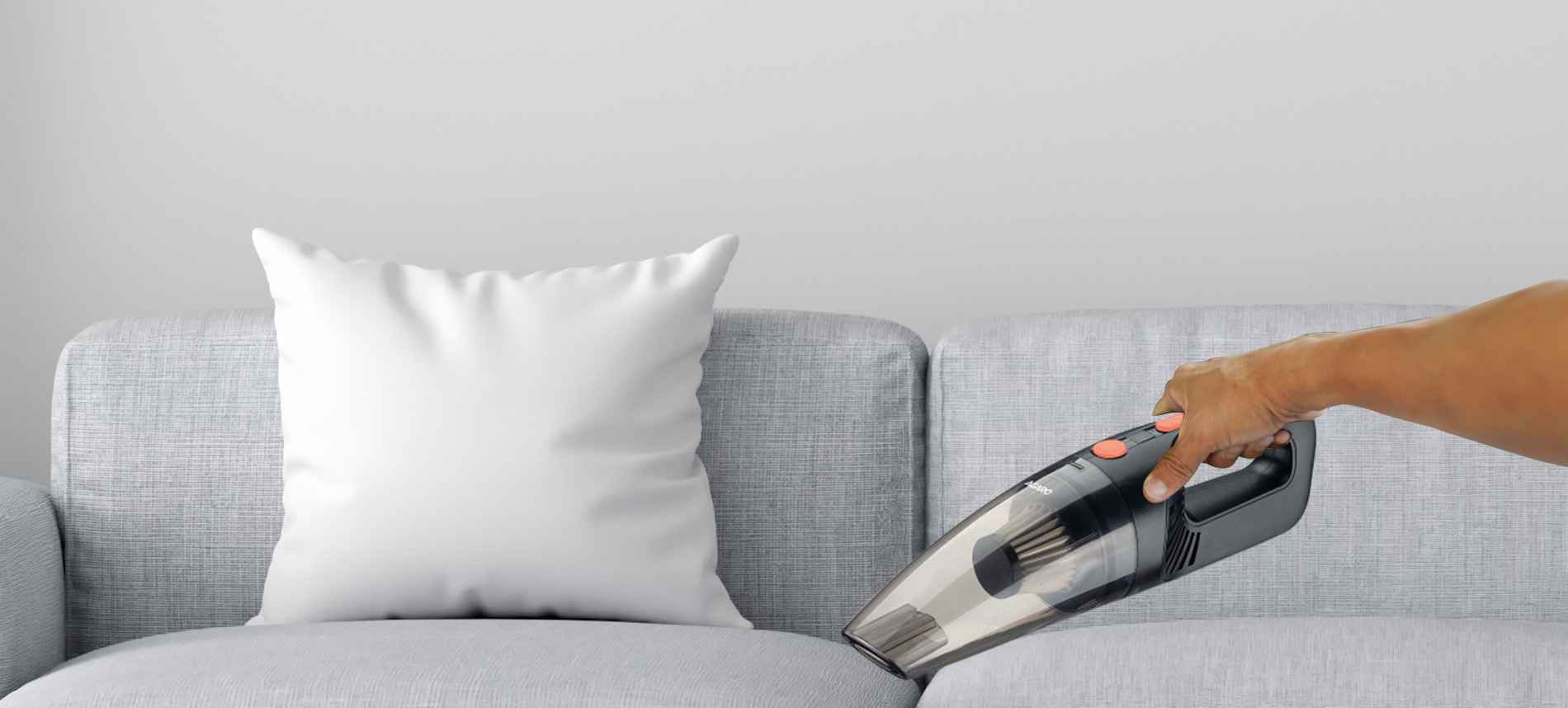
How to use a car vacuum cleaner step by step
The best way to use a car vacuum cleaner is to work from top to bottom and from one side to the other. That simple pattern keeps dirt from falling onto areas you already cleaned. I usually start with loose trash, then move to the seats, floor mats, and last, the hidden spots that collect the most grime.
Follow these steps for a thorough clean:
-
Remove trash and personal items
Take out bottles, wrappers, chargers, toys, and anything that can block your work area. This makes the vacuuming faster and helps you avoid sucking up small items by mistake. -
Shake out the floor mats
Rubber and fabric mats hold a lot of dirt. A quick shake outside the car loosens debris so the vacuum can do a better job. -
Choose the right attachment
Use a crevice tool for seams and corners, a brush head for fabric seats, and a narrow nozzle for tight gaps. The right tool matters more than people think. -
Vacuum the seats first
Work in short, overlapping passes. If you have cloth seats, move slowly so the suction can pull out dust and crumbs from the fibers. -
Vacuum the floor and mats
Use firm strokes and go in different directions, especially on textured mats. Dirt often gets trapped deep in the grooves. -
Clean vents, cup holders, and small spaces
These areas collect dust fast. A crevice tool or brush attachment works well here, especially around buttons and trim. -
Finish with the trunk
The trunk often gets skipped, but it can hold sand, leaves, and pet hair. A full interior clean is not complete without it.
A good rule I follow is to vacuum in layers. Start with the big mess, then chase the fine dust. That keeps the job manageable and makes the results look much better.
:max_bytes(150000):strip_icc()/peo-car-vacuums-test-dirt-devil-scorpion-plus-corded-handheld-cleaner-sd30025b-walmart-dburreson-020-10-8248e011949d452d8f996a47a8bd148a.jpg)
Choosing the right car vacuum cleaner
Not every car vacuum cleaner is the same. Some are better for quick cleanups, while others are better for deep interior detailing. The best one for you depends on your car, your mess level, and how often you clean.
Here are the main types:
-
Corded car vacuum cleaner
Usually stronger and great for longer cleaning sessions. It works well if you have access to a power outlet or use it in a garage. -
Cordless car vacuum cleaner
Easy to move around and very convenient for quick cleaning. Battery life is the tradeoff, so suction may drop as the battery gets low. -
Wet and dry car vacuum cleaner
Useful if you deal with spills as well as dry dirt. This type is a smart pick for families, pet owners, or anyone who eats in the car often. -
Handheld car vacuum cleaner
Lightweight and simple to store. It is often the easiest option for everyday use.
When I tested different models, I noticed that suction power, attachment quality, and filter design mattered more than fancy features. A strong motor helps, but so does a good nozzle that can reach the places dirt hides.
Best way to vacuum different car surfaces
Different surfaces need different handling. Treating all areas the same can leave dirt behind or damage delicate materials. The right method makes the job easier and protects your interior.
Cloth seats
Cloth seats trap dust and crumbs deep in the fibers. Use a brush attachment and move slowly in small sections. If the dirt is packed in, tap the fabric lightly with your hand while vacuuming to loosen it.
Leather seats
Leather needs a gentler touch. Use a soft brush or low-suction setting if your vacuum has one. Avoid rubbing hard, because that can wear the surface over time.
Floor mats
Take the mats out first whenever possible. Vacuum both sides, and pay attention to the edges and grooves where grit hides. Rubber mats often need a second pass after shaking.
Carpets
Car carpet usually holds the most dirt. Use slow, overlapping strokes and change direction to pull debris from the fibers. If the carpet has stains, vacuum first before using any cleaner.
Dashboard and vents
These areas are dust magnets. A small brush attachment helps lift dust without scratching the surface. I like to finish the dashboard last so I can clean up any dust that falls while I vacuum the rest of the car.
Common mistakes to avoid
Even a good car vacuum cleaner can give poor results if you use it the wrong way. I made a few of these mistakes early on, and they always cost me time.
Avoid these common errors:
-
Vacuuming before removing trash
This clogs the nozzle and slows everything down. -
Using the wrong attachment
A large head cannot reach tight spaces, and a hard nozzle can scratch surfaces. -
Moving too fast
If you rush, the vacuum will miss embedded dirt. -
Forgetting the filter and dust bin
A full bin reduces suction fast. A dirty filter can also weaken performance. -
Ignoring hidden spots
Under seats, in seat tracks, and around pedals are often the dirtiest places.
One mistake I see often is expecting the vacuum to do all the work in one pass. Real cleaning is more like peeling an onion. You keep finding more layers until the interior is truly clean.
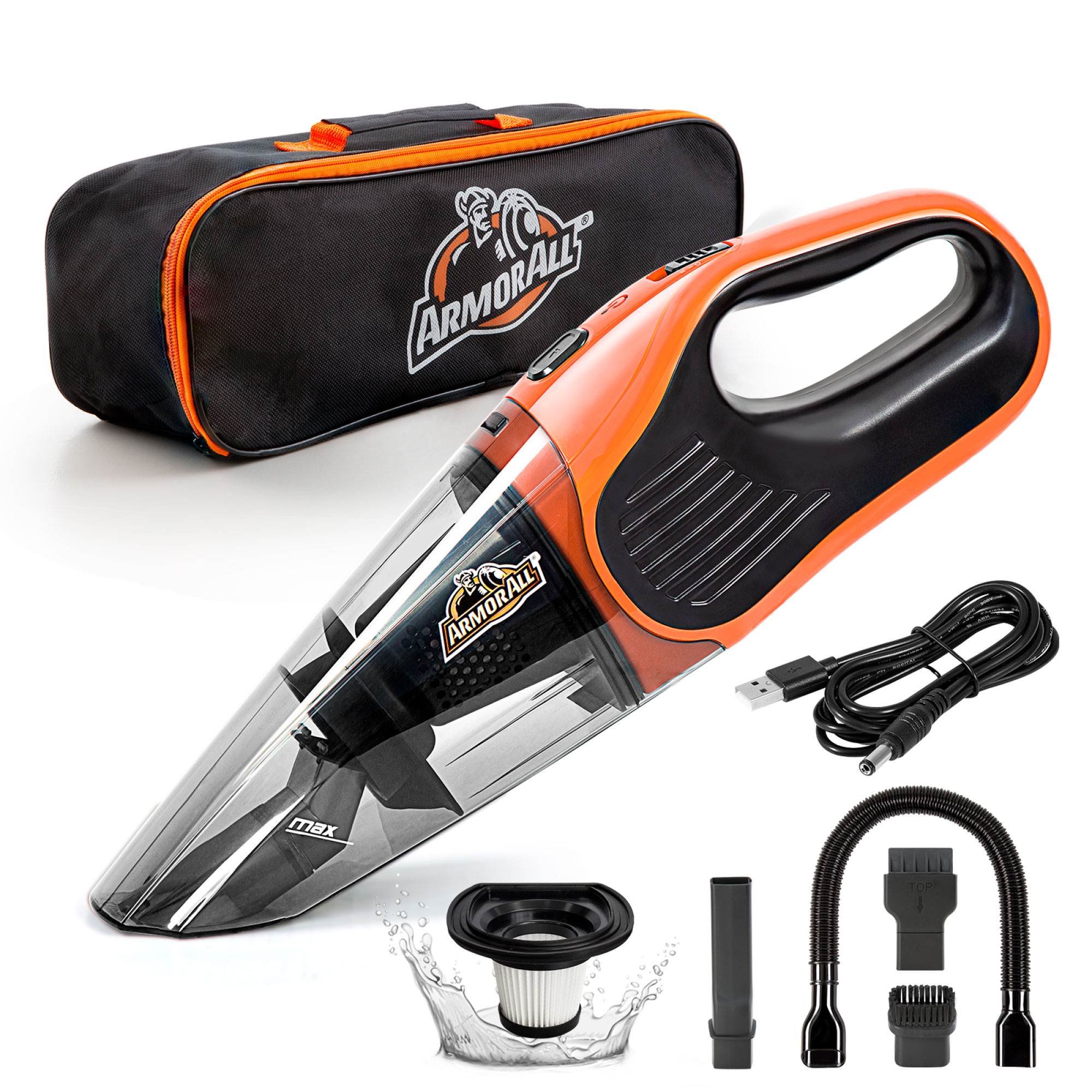
How to get better results from a car vacuum cleaner
Small habits can make a big difference. Over time, I learned that the best results come from prep, pace, and maintenance. That is especially true if you vacuum a car that carries kids, pets, or outdoor gear.
Try these practical tips:
-
Vacuum on a dry day if possible
Damp dirt sticks more and is harder to remove. -
Use a soft brush first
Loosens dust and pet hair before vacuuming. -
Clean from top to bottom
This keeps dirt from falling onto already cleaned areas. -
Empty the bin often
This helps maintain suction throughout the job. -
Clean the filter regularly
A clogged filter can make even a good vacuum feel weak. -
Keep a small detailing kit in the car
A brush, microfiber cloth, and portable vacuum can save you from bigger messes later.
Industry guidance on indoor air and particulate buildup consistently shows that regular cleaning helps reduce dust and allergens in enclosed spaces. In a car, that matters because the cabin is a small, sealed environment where debris can build up quickly.
How often should you use a car vacuum cleaner
How often you should use a car vacuum cleaner depends on your driving habits. If you commute daily, travel with kids, or carry pets, weekly vacuuming is often worth it. If you drive less often and keep the car tidy, every two to four weeks may be enough.
Here is a simple schedule:
-
Weekly
Best for families, pet owners, rideshare drivers, and heavy commuters. -
Every two weeks
Good for regular drivers who want a clean cabin without much buildup. -
Monthly
Works for low-use vehicles that stay relatively clean.
I usually tell people to clean before dirt becomes visible. Once grit works its way into carpet fibers, it takes much longer to remove. A little routine care saves a lot of effort later.
Benefits of using a car vacuum cleaner
A car vacuum cleaner does more than make the car look neat. It improves comfort, supports hygiene, and helps protect the interior from long-term wear.
Main benefits include:
-
Better air quality inside the car
Less dust and debris means fewer particles floating around. -
A more pleasant driving experience
A tidy cabin simply feels calmer and more comfortable. -
Less wear on fabric and carpet
Dirt acts like sandpaper over time. -
Easier deep cleaning
Regular vacuuming prevents buildup that becomes hard to remove. -
Better resale appeal
Clean interiors help a vehicle look well cared for.
For me, the biggest benefit is peace of mind. When the cabin is clean, the whole car feels more organized and easier to enjoy.
Frequently Asked Questions of How to use a car vacuum cleaner
What attachment should I use for car vacuuming?
A crevice tool works best for tight gaps, while a brush attachment is better for seats and fabric surfaces. If you are cleaning floor mats or open carpet, a standard nozzle usually works well.
Can I use a car vacuum cleaner on leather seats?
Yes, but use a soft brush attachment and gentle suction if possible. Avoid hard scrubbing or rough edges that could mark the leather surface.
Why is my car vacuum cleaner not picking up dirt well?
The most common reasons are a full dust bin, clogged filter, or blocked nozzle. Emptying the bin and cleaning the filter usually restores performance fast.
Should I vacuum the car before or after washing it?
Vacuum the interior before using wet cleaners or shampoo. That way, you remove loose debris first and avoid turning dust into muddy messes.
How do I remove pet hair with a car vacuum cleaner?
Use a rubber brush, upholstery tool, or pet hair attachment if you have one. Loosening the hair first with a brush makes suction much more effective.
Conclusion
Using a car vacuum cleaner the right way is simple once you build a good routine. Start by removing loose trash, choose the right attachment, clean from top to bottom, and pay attention to the hidden spots that collect dust and crumbs. A few careful passes can make your car feel fresher, cleaner, and far more comfortable.
If you want better results, focus on consistency instead of speed. Try the steps in this guide during your next clean, and you will likely notice how much easier car care becomes. If this helped, keep exploring more car cleaning tips and share your own vacuuming routine in the comments.