How To Use A Steam Cleaner For Cars: Pro Tips
A steam cleaner lifts grime, kills germs, and details car interiors with less chemical residue.
If you want a deeper clean without soaking fabrics or relying on harsh sprays, knowing how to use a steam cleaner for cars is a game changer. I’ve used steam on everything from sticky cup holders to dusty vents, and the results can be impressive when you use the right technique. The trick is not just blasting hot vapor at the interior. It is knowing where steam helps, where it can hurt, and how to move through the job with control and care.
What a steam cleaner does for car detailing
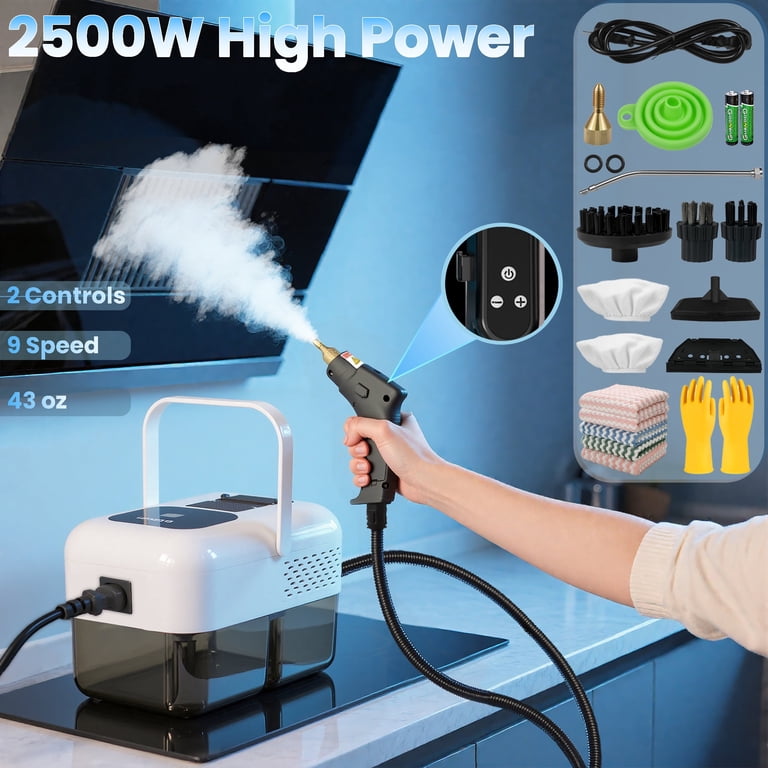
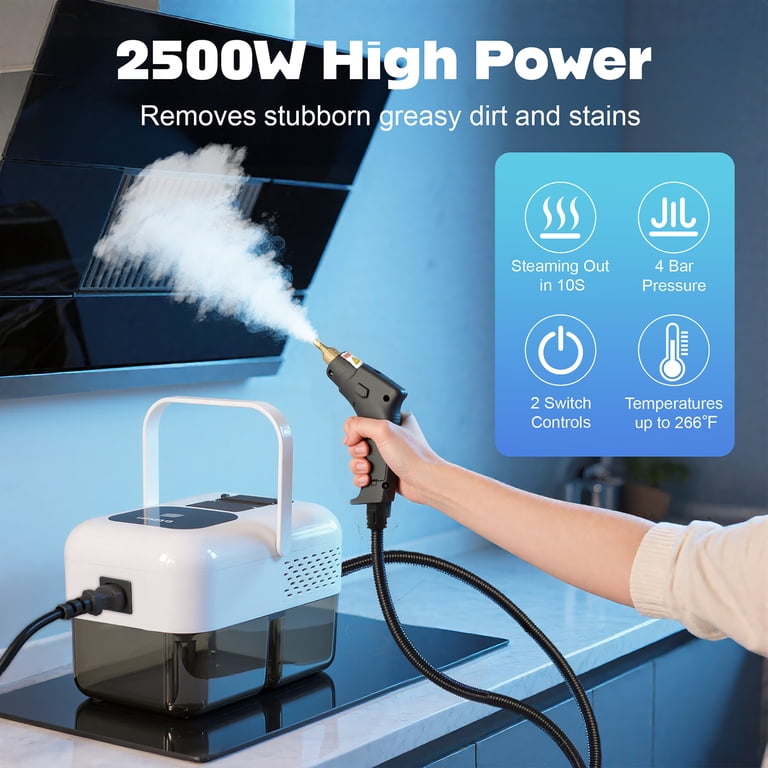
A steam cleaner uses heated water vapor to loosen dirt, grease, and stains. In car detailing, that means you can clean tight spaces, break up buildup, and sanitize surfaces with less scrubbing. It is especially useful for interiors because steam reaches into seams, buttons, air vents, and textured plastic better than a cloth alone.
When people ask how to use a steam cleaner for cars, they usually want a method that is effective but safe. That is the real value here. Steam can reduce the need for heavy chemicals, but it still needs proper handling to avoid damage.
A good steam cleaning session can help with:
• Sticky dashboards and consoles
• Dirty seat rails and cup holders
• Grime on door panels and handles
• Light stains on cloth seats and floor mats
• Dust in vents and trim gaps
• Odors caused by trapped moisture and dirt
Steam is not magic, though. It works best when you loosen the dirt, wipe it away fast, and dry the area well.
Tools and supplies you need before you start
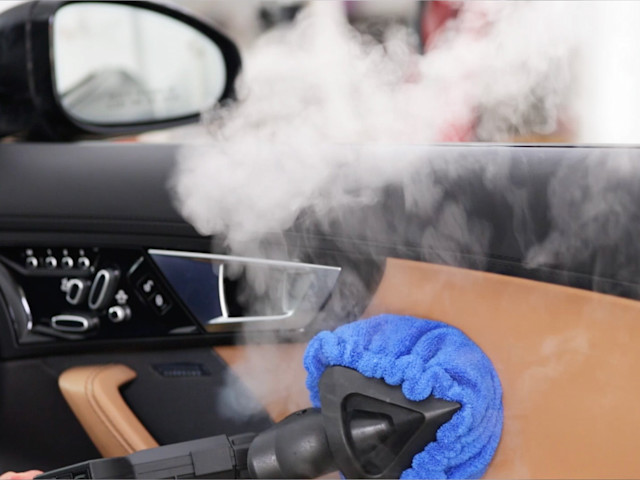
Before learning how to use a steam cleaner for cars, gather the right tools. A smooth setup saves time and keeps you from stopping mid-job. I learned this the hard way on an old SUV detail, when I had to keep walking back and forth for towels and brushes.
Here is the basic kit:
• Steam cleaner with adjustable output
• Microfiber towels, several of them
• Soft detailing brushes
• Vacuum cleaner
• Interior-safe cleaner, if needed
• Distilled water, if your machine recommends it
• Extension cord, if the unit is not battery powered
• Gloves, optional but useful for hot surfaces
Look for a steam cleaner with variable pressure and a small nozzle. That gives you better control on delicate areas. A narrower tip is also helpful for vents, seams, and small crevices.
You do not need a huge machine to get good results. For most car interiors, a compact canister steam cleaner or handheld detail steamer is enough.
Safe surfaces and surfaces to avoid
Not every part of a car reacts the same way to heat and moisture. Part of learning how to use a steam cleaner for cars is knowing where to be careful. Steam is safe for many common interior surfaces, but it is not a free pass for every material.
Safe on most vehicles:
• Cloth seats
• Floor mats
• Rubber mats
• Plastic trim
• Vinyl surfaces
• Door panels
• Cup holders
• Air vents
Use caution on:
• Leather seats
• Touchscreens and digital displays
• Gloss piano black trim
• Adhesive areas and decals
• Painted exterior parts near chips or cracks
• Old or fragile fabric
Avoid or be very careful with:
• Delicate electronics
• Unsealed wood trim
• Loose headliners
• Areas with exposed wiring
• Cracked leather or damaged upholstery
Heat can soften glue and force moisture into small openings. That is why short bursts are better than long blasts. Think of steam like a focused tool, not a pressure washer.
How to use a steam cleaner for cars step by step
Here is the core process. If you follow these steps, you will get cleaner results and reduce the risk of damage.
1. Vacuum first
Start by vacuuming loose dirt, crumbs, pet hair, and sand. Steam works better when the surface is not covered with debris. If you skip vacuuming, you can turn loose dirt into a muddy mess.
Pay extra attention to:
• Seat seams
• Under the seats
• Floor mats
• Cup holders
• Door pockets
• Console gaps
This step saves time later and improves the final finish.
2. Test a small area
Before you steam the whole car, test one hidden spot. Check how the material reacts to heat and moisture. This is especially important on older interiors or leather.
I once tested a spot on a sun-faded panel and saw the finish soften more than expected. Since then, I always test first. That habit has saved me from a few headaches.
3. Use short steam bursts
Hold the nozzle a few inches from the surface and use quick bursts. Do not stay in one place too long. Short passes loosen grime without soaking the material.
A good rule is to move the nozzle like you are painting the surface with steam. Stay in motion and work in small sections.
4. Agitate with a brush when needed
For stubborn dirt, use a soft brush while the area is still warm. This helps lift grime from textured plastic, stitching, and cup holders. It is often the difference between “looks cleaner” and “looks detailed.”
Use light pressure. You want to lift dirt, not scratch the surface.
5. Wipe immediately
After steaming, wipe the area with a clean microfiber towel. This removes loosened dirt and prevents moisture from sitting on the surface. If the towel gets dirty, switch to a fresh one.
This is one of the biggest secrets in how to use a steam cleaner for cars. The steam loosens the soil, but the towel finishes the job.
6. Dry the area
Let the surface air dry or use a dry microfiber towel. Open the doors or windows if needed. Good airflow helps stop musty smells and moisture buildup.
Do not rush this part. Extra moisture trapped in seats or carpet can lead to odor later.
Best ways to steam clean the car interior
Different parts of the cabin need different methods. The same nozzle setting that works on a floor mat may be too much for a screen or seam.
Seats
For cloth seats, use quick bursts and a brush if needed. Work from the top down so dirty water does not spread to clean areas. Wipe as you go.
For leather seats, use very light steam and avoid lingering in one spot. Follow up with a leather-safe conditioner if the material needs it. Steam can help clean leather, but heavy heat is not ideal.
Dashboard and console
The dashboard often holds dust, sunscreen residue, and finger oils. Use low steam and a microfiber towel right after each pass. Avoid spraying directly into switches, sensors, and panel gaps.
Air vents
Air vents collect dust like tiny shelves. Aim steam into the slats briefly, then use a soft brush or microfiber wrap on a thin detailing tool. This helps clear the buildup without pushing it deeper.
Cup holders and storage bins
These are usually the grossest spots in a car. Steam works very well here because it loosens sticky drinks and dried residue. Brush, wipe, and repeat if needed.
Door panels and handles
Door handles, armrests, and window controls get touched a lot. Use a light touch here because these areas often mix plastic, vinyl, and electronics. Keep the steam brief and controlled.
Floor mats and carpet
Rubber mats can handle stronger steam. Cloth mats and carpet should be steamed in sections and dried well. If there is a deep stain, you may need multiple passes plus brushing.

How to use a steam cleaner for cars on exterior parts
Some people use steam on exterior areas too, especially for grills, badges, and door jambs. It can be helpful in tight spots where a wash mitt cannot reach. Still, the same caution applies.
Good exterior uses include:
• Door jambs
• Emblems and badges
• Around fuel doors
• Grilles
• Window trim
• Wheels, with care
Keep steam away from:
• Hot paint in direct sun
• Sensitive sensors
• Open electrical connectors
• Weak clear coat
• Broken trim edges
I like steam for door jambs because it cuts road film fast. But I never hold it too close to paint. Let the heat do the work, not the pressure.
Common mistakes to avoid
A lot of first-time users make the same errors. If you want to get good results, avoid these habits.
• Holding the nozzle too close for too long
• Skipping the vacuum step
• Using too much steam on leather or electronics
• Forgetting to dry surfaces afterward
• Spraying into gaps, ports, or switches
• Using dirty towels that spread grime back around
• Expecting steam alone to fix deep stains
One mistake I see often is overconfidence. People think steam means no follow-up work. In reality, steam is the opener, not the whole performance. You still need wiping, brushing, and drying.
Benefits of steam cleaning a car
There are strong reasons detailers use steam cleaners on vehicles.
• Less chemical use, which is helpful for sensitive interiors
• Better cleaning in seams, vents, and narrow spaces
• Reduced soaking compared with wet cleaning
• Helps remove odors linked to grime and bacteria
• Can sanitize high-touch areas like handles and buttons
• Works well for quick maintenance between full details
Steam cleaning is popular in professional auto detailing because it balances power and control. It is a practical way to refresh a car without making everything wet.
Limitations you should know
Steam cleaning is useful, but it is not perfect. Knowing the limits helps you use it wisely.
• It may not remove deep stains without extra products
• Heavy grease may still need specialty cleaners
• Oversaturation can damage padding or electronics
• Some delicate materials do not tolerate heat well
• It is not a replacement for all detailing tools
In other words, how to use a steam cleaner for cars is really about using the right tool for the right mess. Steam is excellent for maintenance, sanitizing, and light to moderate grime. For deep extraction jobs, you may still need shampooing or a wet vac.
Tips for better results
A few small habits can improve your outcome a lot.
• Work in sections so you do not miss spots
• Keep towels clean and dry
• Use distilled water if your machine needs it
• Let the machine heat fully before use
• Move from top surfaces to bottom surfaces
• Use brushes with soft bristles
• Open doors after cleaning for airflow
If you are detailing often, create a routine. The more organized your process is, the faster and cleaner your results will be.
My practical lessons from real use
After using steam cleaners on several cars over the years, I have learned that speed and control matter more than raw power. A gentler setting with patience often cleans better than a hot blast that leaves moisture everywhere. That lesson came after I once spent extra time drying a console because I got too aggressive near buttons.
I also learned that microfiber quality makes a big difference. Cheap towels just smear residue around. A good towel grabs the loosened dirt and makes the whole process feel easier.
Another useful lesson: do not try to do the whole car at once the first time. Pick one area, finish it well, then move on. That keeps the job manageable and helps you build confidence.
Frequently Asked Questions
Can I use a steam cleaner on car seats?
Yes, you can use a steam cleaner on many car seats, especially cloth seats. Use short bursts and do not soak the material, and be extra careful with leather.
Is steam cleaning safe for car electronics?
It can be safe if you keep steam away from screens, switches, and exposed wiring. Never spray directly into ports or control panels, and always use light, controlled passes.
How long does it take for a car interior to dry after steam cleaning?
Drying time depends on how much steam you used and the material type. Most areas dry within a few hours if you use short bursts and keep the doors open for airflow.
Do I need chemicals with a steam cleaner?
Not always. Steam can handle many cleaning jobs on its own, but stubborn stains or heavy grease may still need a safe interior cleaner.
What kind of steam cleaner is best for cars?
A compact detail steam cleaner with adjustable pressure and small attachments usually works best. It should be easy to move around and precise enough for vents, seams, and trim.
Conclusion
Using a steam cleaner for cars is one of the smartest ways to deep clean an interior without flooding it with water or chemicals. When you vacuum first, test surfaces, use short bursts, and dry everything well, you get a cleaner cabin with less effort and less risk. That is why learning how to use a steam cleaner for cars can be such a useful skill for everyday maintenance and serious detailing alike.
If you are ready to try it yourself, start small, stay patient, and build your routine one section at a time. A clean car feels better to drive, and the process gets easier each time. If this guide helped, keep exploring more car care tips and share your own steam cleaning experience in the comments.