How To Use A Compression Tester: Easy Step-By-Step Guide
A compression tester shows how well a cylinder seals, helping you spot worn rings, valves, or head gasket issues fast.
If you want a clear, practical way to diagnose engine problems before they turn into expensive repairs, learning how to use a compression tester is one of the smartest skills you can pick up. I’ve found that compression testing is often the difference between guessing and knowing. It gives you real numbers, and those numbers tell a story about engine health that you can trust.
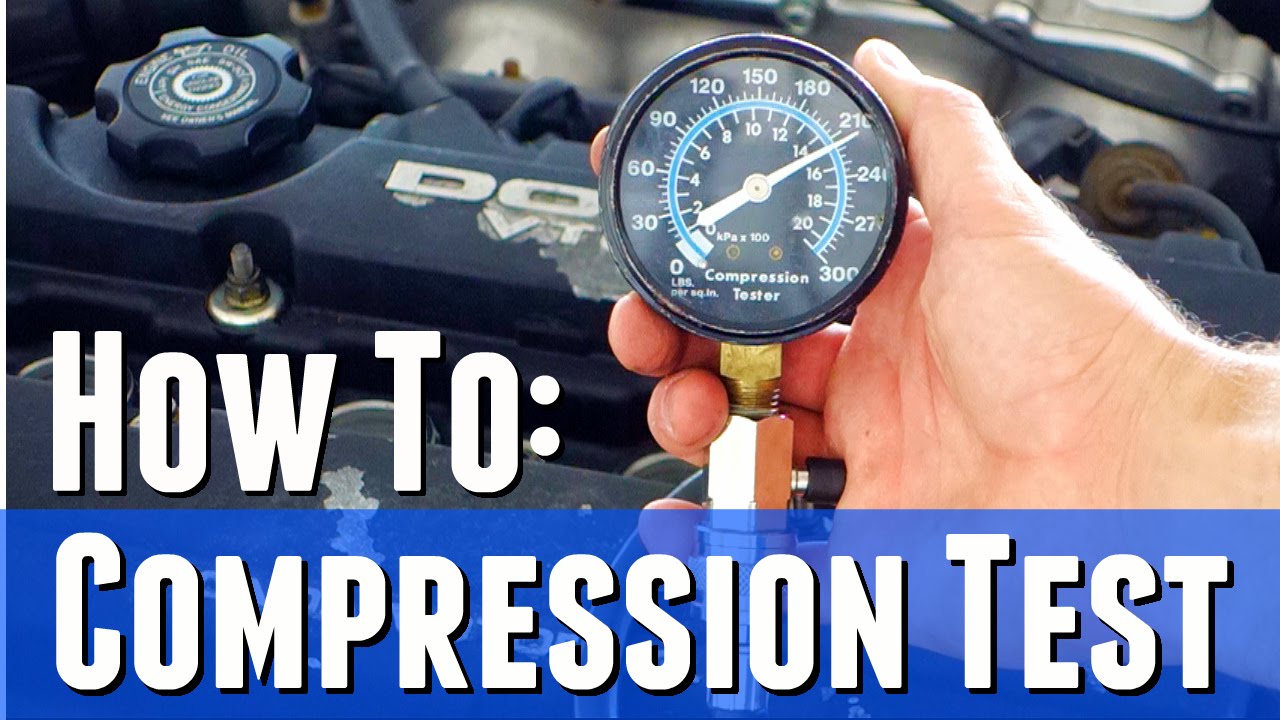
What a compression tester does and why it matters
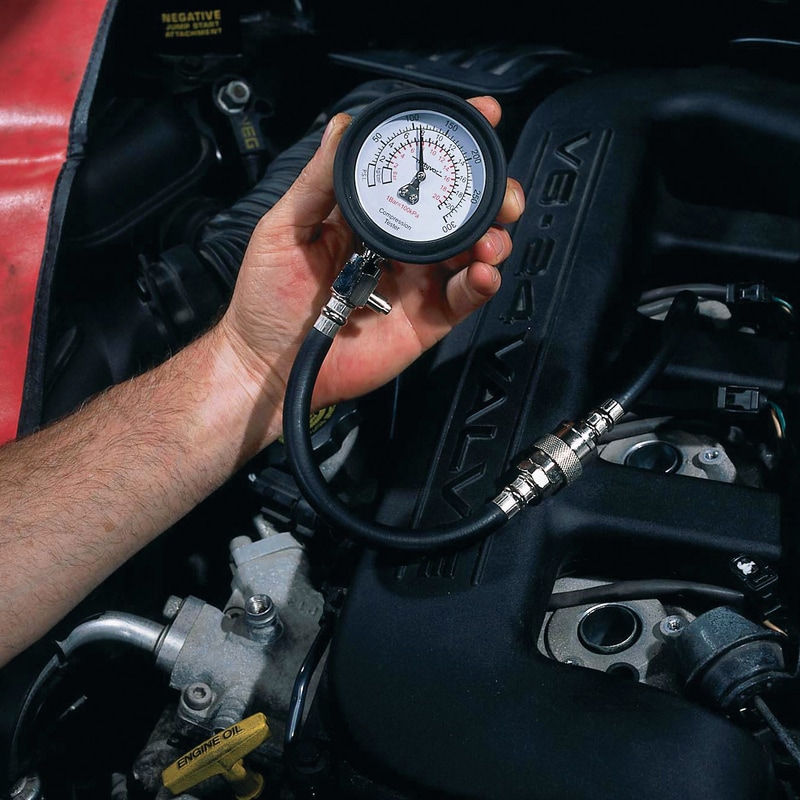
A compression tester measures the pressure created inside each cylinder when the engine cranks. That pressure matters because an engine depends on a tight seal between the piston rings, valves, cylinder walls, and head gasket. When one part leaks, power drops, misfires start, and cold starts get rough.
I like to think of it like checking the strength of each leg on a table. If one leg is weak, the whole table wobbles. In the same way, one low cylinder can make the whole engine run poorly.
Compression testing is useful when you notice:
- Hard starting
- Rough idle
- Misfires
- Loss of power
- Oil burning
- Fuel smell in the exhaust
- A check engine light with misfire codes
It is also a good first step before bigger repairs. A compression tester does not fix the engine, but it tells you where to look next.

Types of compression testers
There are a few common types of compression tester tools, and the right one depends on the engine and your comfort level.
Screw-in compression tester
This is the most common style. The adapter threads into the spark plug hole, which gives a secure seal and more accurate readings. For most DIY work, this is the one I recommend first.
Push-in compression tester
This style uses a rubber tip that you hold against the spark plug hole. It can work in a pinch, but it is easier to get false readings if the seal is not perfect. I usually avoid it unless access is limited.
Diesel compression tester
Diesel engines need a much stronger gauge because they run at much higher compression. Diesel testers also use different adapters and pressure ranges. Never use a gas engine tester on a diesel engine.
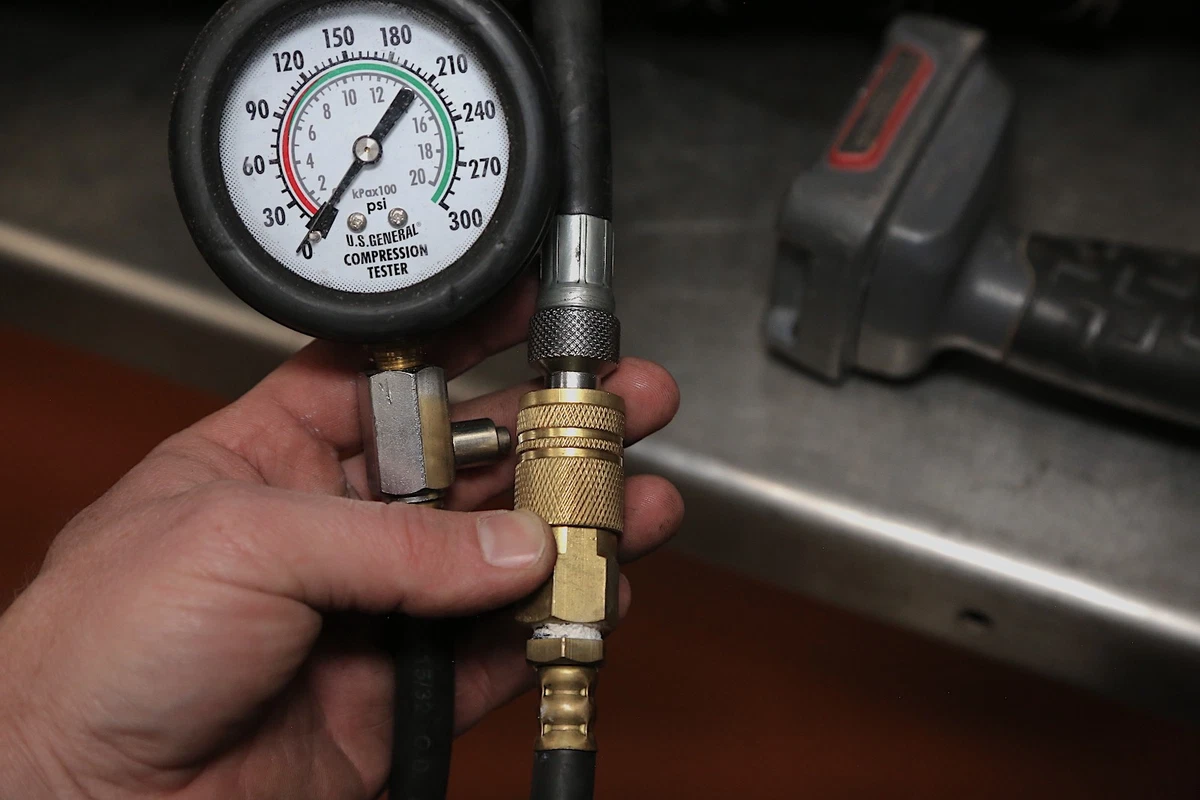
Compression test kit
Many kits include:
- A pressure gauge
- Spark plug adapters
- Hose extensions
- Quick-connect fittings
- Release valve
A good kit saves time and makes it easier to test different engines. For regular use, a complete kit is worth it.
What you need before you start
Before learning how to use a compression tester, get the setup right. Good prep makes the test safer and more accurate.
You will need:
- A compression tester
- Spark plug socket and ratchet
- Battery in good condition
- Wrench or socket set
- Pen and paper for results
- Owner’s manual or engine specs
- Safety gloves and eye protection
It also helps to have the engine warm, if possible. A warm engine usually gives more realistic readings because the metal parts have expanded closer to normal operating size.
A lesson I learned early: do not rush the setup. I once spent 20 minutes chasing a “bad cylinder” that turned out to be a loose adapter seal. That kind of mistake is common, and it is why prep matters.

How to use a compression tester step by step
Here is the simple, reliable process I follow when using a compression tester.
1. Warm up the engine if you can
Run the engine until it reaches normal operating temperature, then shut it off. A warm compression test often gives the most useful reading. If the engine will not run, you can still test it cold.
2. Disable fuel and ignition
You do not want the engine to start during the test. Disable the fuel system and ignition system based on your vehicle’s design.
Common ways include:
- Pulling the fuel pump fuse
- Disconnecting the ignition coils
- Removing the fuel injector fuse or relay
- Unplugging coil packs
Always check the service manual if you are unsure. Safety comes first.
3. Remove all spark plugs
Remove every spark plug, not just one. This helps the engine crank evenly and spin faster, which gives cleaner compression readings. It also prevents other cylinders from affecting the test.
4. Fully open the throttle
Hold the throttle wide open while cranking. This lets more air into the cylinders and helps the engine breathe during the test. On some vehicles, you may need to use the accelerator pedal or have a helper press it down.
5. Thread in the tester
Screw the compression tester hose into the first spark plug hole by hand. Make sure it seats snugly, but do not overtighten it. A tight seal is important for accurate readings.
6. Crank the engine
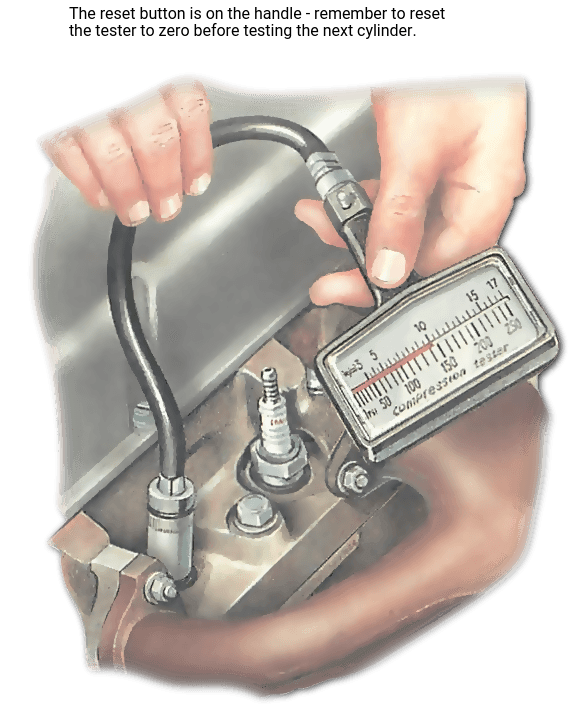
Crank the engine for about 4 to 8 compression strokes, or until the gauge stops rising. On many engines, this takes about 5 to 10 seconds of cranking. Watch the gauge closely.
7. Record the reading
Write down the pressure reading for that cylinder. Then release the gauge pressure using the tester’s bleed valve. Move on to the next cylinder and repeat the same steps.
8. Compare all cylinders
Once you have all readings, compare them. A healthy engine usually shows readings that are close to each other across all cylinders. The exact pressure depends on the engine, so use the manufacturer’s specs if you have them.
A good rule of thumb is this:
- Readings should be fairly even
- One cylinder much lower than the others is a warning sign
- Two neighboring low cylinders may point to a head gasket issue
- Low but equal readings across all cylinders may point to timing or general wear
That step-by-step process is the core of how to use a compression tester correctly. If you do each step the same way, your results will be much more trustworthy.
How to read the results
Knowing how to use a compression tester is only half the job. The other half is understanding what the numbers mean.
Normal readings
Many gasoline engines fall somewhere in the 120 to 200 psi range, but this varies a lot by design. Some engines are naturally lower, and some high-performance engines may read higher. The most important thing is consistency across cylinders.
Low compression in one cylinder
If one cylinder is much lower than the rest, common causes include:
- Burned valve
- Stuck or worn piston rings
- Cracked piston
- Blown head gasket
- Damaged cylinder wall
This is often where a leak-down test helps confirm the cause.
Low compression in two adjacent cylinders
This can point to a head gasket failure between cylinders. It may also suggest a cracked head or other sealing issue. When two neighboring cylinders are both weak, I always think “shared problem” first.
Low compression in all cylinders
If every cylinder is low, the issue may be:
- Worn engine
- Incorrect valve timing
- Throttle not fully open during testing
- Weak cranking speed
- Testing mistake
Do not jump to conclusions too fast. I have seen perfectly good engines look weak because the battery was too low and the starter was cranking too slowly.
Dry test vs wet test
A dry test is the normal compression test. A wet test adds a small amount of oil into the cylinder before retesting.
Use the wet test to help narrow down the problem:
- If compression rises a lot, the piston rings may be worn
- If compression stays low, the issue may be valves or head gasket
Use only a small amount of oil. Too much can skew the result and make a mess.
Common mistakes to avoid
Even a simple compression tester can give bad results if the test is done wrong. These are the mistakes I see most often.
- Testing with the throttle closed, which can lower readings
- Leaving one or more spark plugs installed
- Not disabling fuel or ignition
- Using a weak battery
- Not sealing the tester properly
- Comparing raw numbers without looking at the engine spec
- Cranking for too short a time
- Forgetting to release pressure between cylinders
One of my biggest early mistakes was assuming a low reading meant a bad engine. Later I found the battery was nearly dead, and the starter was barely turning the motor. The engine was fine. The test was the problem.
When a compression test is not enough
A compression test is great, but it does not tell the whole story. It gives you a snapshot of cylinder pressure, not the exact reason for a loss.
You may need more testing if results are unclear:
- Leak-down test to find where air is escaping
- Vacuum test for broader engine health
- Spark and fuel system checks for misfire diagnosis
- Scan tool data to check for sensor or misfire clues
Think of the compression tester as a flashlight, not the whole map. It points you in the right direction, but sometimes you need one more test to confirm the fix.

Safety tips for using a compression tester
A compression tester is simple, but engines can still bite if you are careless. A few basic precautions go a long way.
- Keep hands, clothing, and tools away from belts and fans
- Work in a well-ventilated area
- Disable ignition and fuel before cranking
- Use eye protection
- Let the engine cool if needed before removing plugs
- Do not touch hot exhaust parts
- Store fuel and flammable items safely
Safety is not just about avoiding injury. It also helps you focus and get better test results.
Practical example from real-world diagnosis
A while back, I worked on a car that had a rough idle and a flashing check engine light. The scan tool showed a misfire on cylinder 3, but that alone did not tell us the cause. After using a compression tester, cylinder 3 was far lower than the rest.
That result changed the whole plan. Instead of replacing coils and plugs first, we moved toward a mechanical issue and confirmed a valve problem. That saved time and prevented wasted parts.
That is why I trust a compression tester. It helps separate electrical problems from mechanical ones. In the real world, that difference matters.
Benefits of using a compression tester
Using a compression tester has several clear benefits for DIYers and professional techs alike.
- It helps diagnose engine wear early
- It can confirm a suspected head gasket problem
- It helps narrow down misfire causes
- It saves money by avoiding guesswork
- It supports better repair decisions
- It can help you judge whether an engine is worth rebuilding
If you are buying a used car, this test can also reveal hidden problems before you spend money. That alone can save you from a very expensive surprise.
Frequently Asked Questions of How to use a compression tester
How do you use a compression tester on a car?
Remove the spark plugs, disable fuel and ignition, then thread the tester into one spark plug hole. Crank the engine with the throttle open and record the pressure reading, then repeat for each cylinder.
Should the engine be warm or cold for a compression test?
A warm engine usually gives the best real-world reading because parts expand under normal heat. If the engine will not run, a cold test is still useful as long as you compare cylinders carefully.
What is a bad compression reading?
There is no single number that fits every engine, since specs vary by make and model. A low cylinder is usually one that is far below the others or below the manufacturer’s spec, especially if the difference is large.
Can a compression tester tell you if the head gasket is blown?
It can strongly suggest a head gasket problem, especially if two adjacent cylinders read low or one cylinder is much weaker than the rest. For confirmation, a leak-down test or cooling system inspection is usually the next step.
Do you need to remove all spark plugs?
Yes, removing all spark plugs helps the engine crank evenly and makes the readings more accurate. It also reduces strain on the starter and battery during the test.
Why does my compression tester show different readings each time?
Small changes can happen because of cranking speed, battery strength, tester seal, or how long you crank. If the readings jump around a lot, check the setup first before blaming the engine.
Conclusion
Using a compression tester is one of the clearest ways to check engine health without tearing the engine apart. When you follow the right steps, compare the cylinders carefully, and avoid common mistakes, the results can point you straight toward worn rings, valve trouble, or gasket failure.
If you remember one thing, make it this: consistency matters more than chasing a perfect number. Use the tester the same way each time, write down the results, and let the pattern tell the story. If you want, try this on your next project car or maintenance job and see how much it reveals.