Can An Obd2 Scanner Read Manufacturer-Specific Codes: What To Know
Yes, many OBD2 scanners can read manufacturer-specific codes, but only the right type of scanner will show them.
If you have ever seen a check engine light and wondered why a basic scan showed only part of the story, you are not alone. I have run into that exact problem plenty of times while diagnosing cars, and it is one of the biggest reasons people get frustrated with OBD2 tools. The short version is simple: standard code readers handle generic emissions codes, but manufacturer-specific codes often need a scanner with enhanced coverage for that brand.
What manufacturer-specific codes really mean
Manufacturer-specific codes are fault codes created by the vehicle maker, not the universal OBD2 system. These codes often start with letters and numbers that fall outside the basic generic range, and they can point to problems in brand-specific systems.
Think of it like this: generic OBD2 codes are the common language all cars speak for emissions issues. Manufacturer-specific codes are the local dialect. If your scanner only knows the common language, it may miss the deeper details.
These codes can relate to:
- Engine performance
- Transmission behavior
- ABS or traction control
- Airbag systems
- Fuel system logic
- Brand-specific sensor logic or calibration
A good diagnostic tool helps you see both the general fault and the more exact cause. That matters because two cars can show the same warning light, but the real issue may be very different.

Can an OBD2 scanner read manufacturer-specific codes?
Yes, but not every OBD2 scanner can do it. Basic OBD2 scanners usually read generic powertrain codes only, while advanced scanners with enhanced or OEM-level support can read manufacturer-specific codes.
This is where many people get tripped up. They buy a cheap code reader, plug it in, see one small code, and assume that is the whole problem. In reality, the scanner may be leaving out important information that lives in the car’s brand-specific modules.
In my own work, I have seen scanners report a simple oxygen sensor code while the real issue was tied to a manufacturer-specific fuel trim strategy. The basic reader was not wrong, but it was incomplete. That is why scanner capability matters as much as the code itself.

How OBD2 scanning works
OBD2, short for On-Board Diagnostics II, is the standard diagnostic system used in most vehicles sold in the United States since 1996. It was designed mainly to monitor emissions-related systems and report faults in a standardized way.
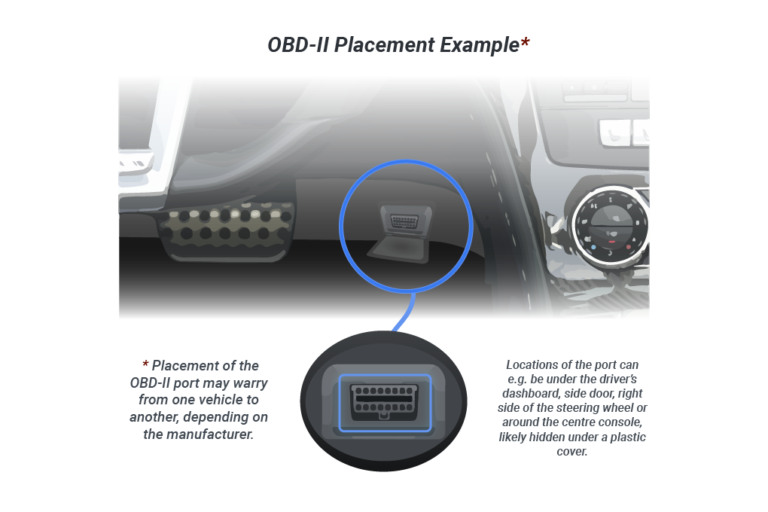
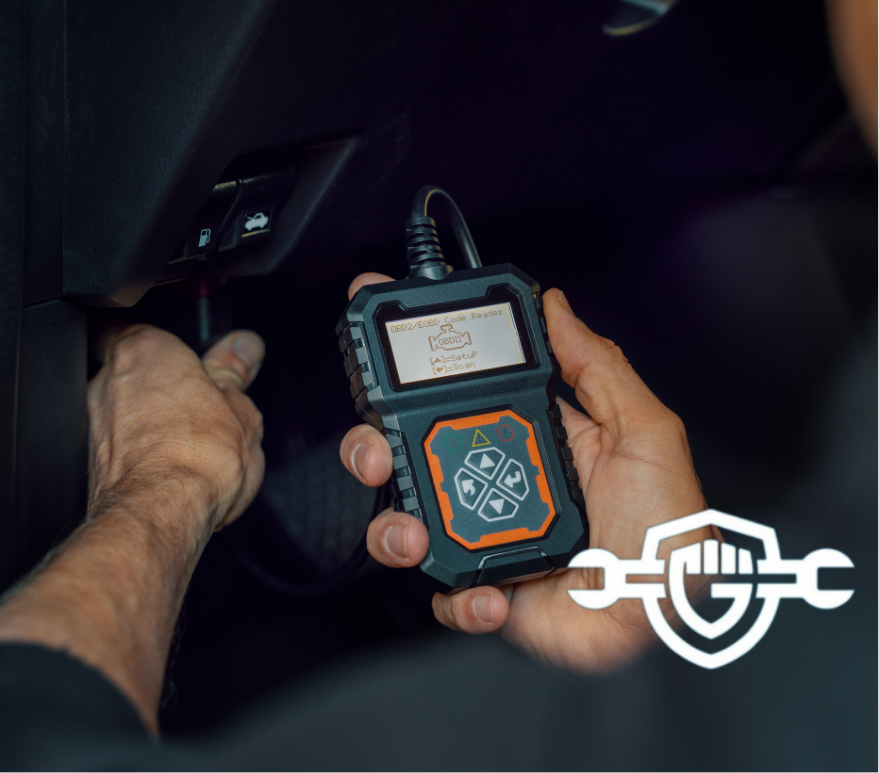
A scanner connects to the OBD2 port, usually under the dashboard. It then asks the vehicle’s computer for stored trouble codes, freeze frame data, readiness monitors, and other live information.
There are two main levels of access:
- Generic OBD2 access: reads standard emissions-related codes common to all makes
- Enhanced access: reads manufacturer-specific codes and deeper module data
The more advanced the scanner, the more modules and code sets it can often access. But even then, support varies by brand, model, and year.

What types of scanners can read manufacturer-specific codes?
Not all scanners are built the same. If you want manufacturer-specific codes, you usually need one of the following:
- Mid-range scan tools with enhanced coverage: These often support many makes and can read deeper data than basic readers.
- Professional diagnostic scanners: These are the tools used in shops and typically read more modules, more codes, and more live data.
- OEM-level or brand-specific tools: These are made by the vehicle manufacturer or designed to emulate factory-level access.
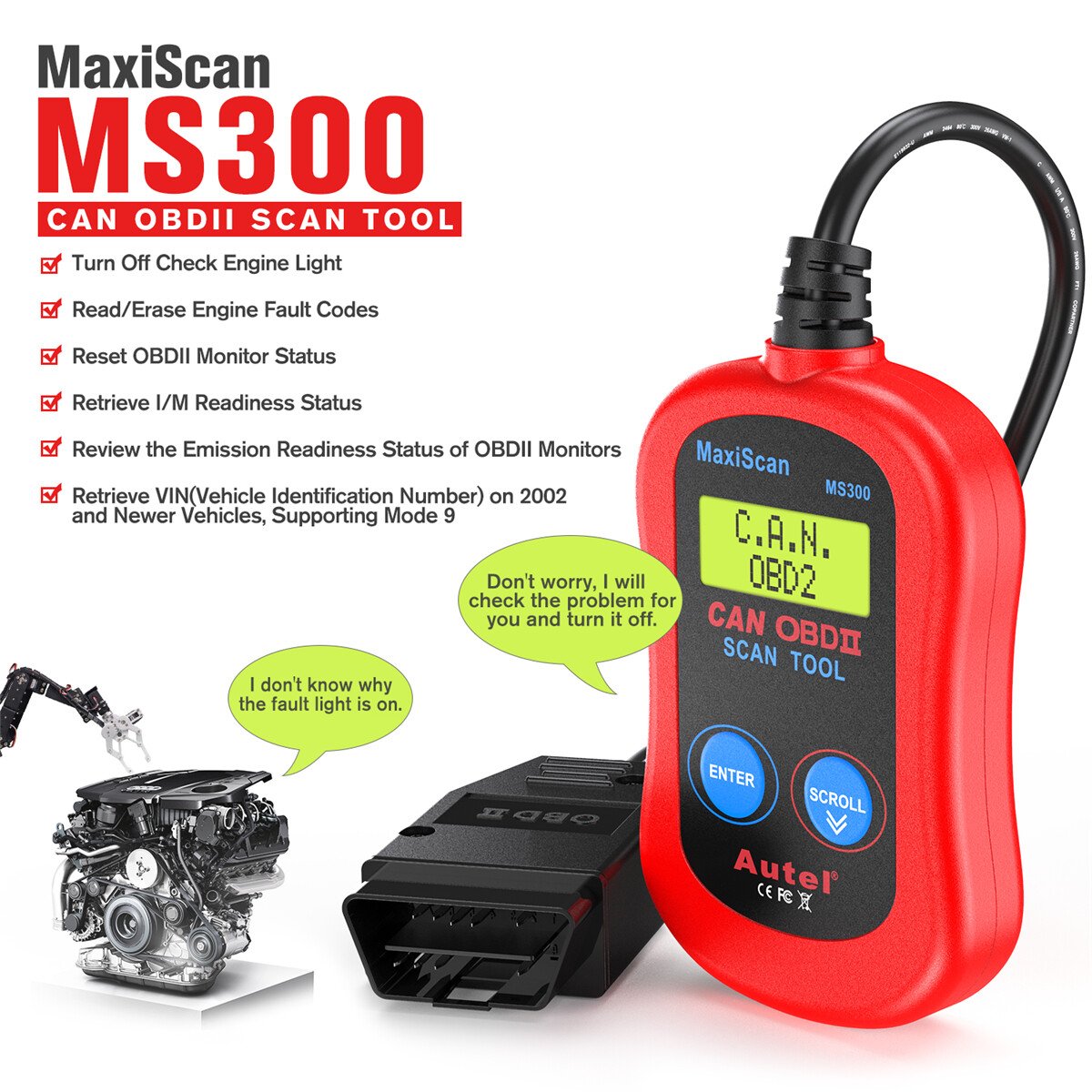
A cheap handheld code reader may clear a check engine light, but it often stops there. It might not read ABS, airbag, transmission, or body control codes, which can be just as important.
When shopping, look for phrases like:
- Enhanced diagnostics
- Manufacturer coverage
- OEM-level functions
- All-system scan
- ABS/SRS/transmission support
Those terms usually mean the tool can go beyond basic generic codes.
Why some scanners miss manufacturer-specific codes
There are a few common reasons a scanner might not show those codes.
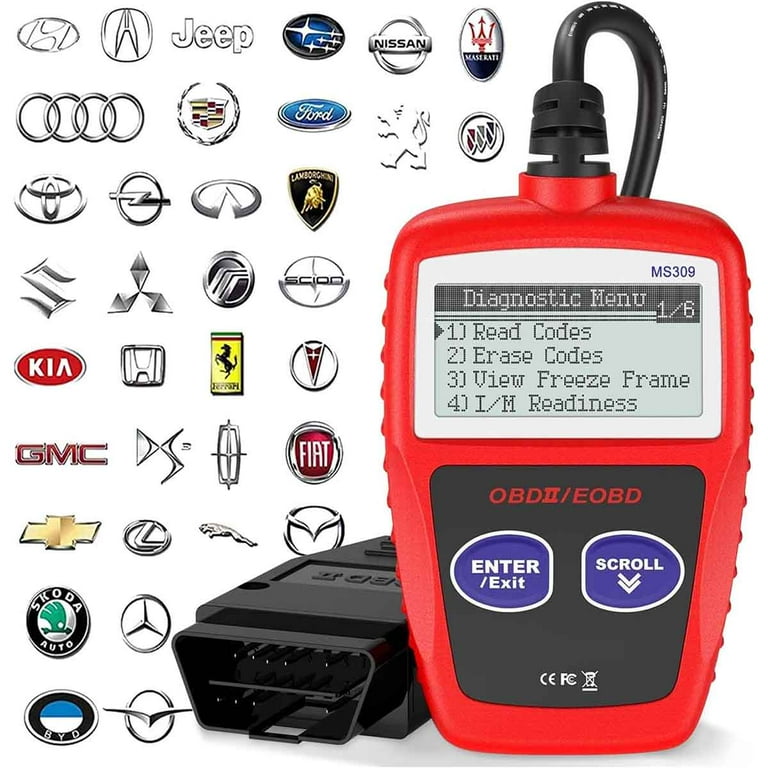
- Limited software coverage: The scanner may not support that make or model.
- Basic scan mode only: Some tools only access powertrain codes.
- Older vehicle compatibility issues: Certain cars need special protocols or updated software.
- Module restrictions: Some systems require security access or deeper permissions.
- Bluetooth app limitations: Cheap app-based tools sometimes look powerful but have weak coverage.
I learned this the hard way early on. I once used a low-cost scanner on a European sedan and got almost nothing useful beyond the generic fault code. A better tool immediately showed module data that pointed me in the right direction. That lesson stuck with me: the scanner is part of the diagnosis, not the diagnosis itself.

What codes you may see with a better scanner
A scanner with manufacturer-specific support can often reveal more than just the check engine light.
You may see:
- Pending codes before the light turns on
- Historical codes that come and go
- ABS codes related to wheel speed sensors
- SRS codes tied to airbags or seat sensors
- Transmission codes linked to shift behavior
- Body control module faults
- Network communication codes
This extra data can save time and money. Instead of guessing, you can focus on the exact system that needs attention.
For example, a rough idle might seem like a simple engine issue. But a deeper scan could show a manufacturer-specific throttle body or airflow calibration fault that a basic reader would never reveal.

Benefits of a scanner that reads manufacturer-specific codes
A scanner with enhanced access can make a big difference in both home repairs and shop work.
Key benefits include:
- Better accuracy: You get more complete fault information.
- Faster troubleshooting: Less time chasing the wrong part.
- More confidence: You can verify whether a repair really fixed the problem.
- Broader system coverage: You can scan more than just engine codes.
- Fewer surprise costs: Accurate diagnosis reduces unnecessary parts replacement.
This is especially helpful when symptoms are vague. A flashing light, poor shifting, or intermittent stalling can all point to several systems. The more complete your scan, the clearer the path forward.
Limits you should know before buying a scanner
Even advanced scanners have limits, and it is important to be realistic.
- Not all enhanced scanners cover every brand
- Some features work only on specific years or models
- Certain codes may require dealer tools or subscriptions
- Live data may be available, but not every special function
- A scanner can reveal the code, but not always the exact failed part
That last point matters a lot. A code is a clue, not a verdict. A manufacturer-specific code may tell you where to look, but you still need testing, inspection, and common sense to confirm the root cause.
This is why good diagnostics often combine:
- Code reading
- Visual inspection
- Live data review
- Testing with a multimeter or gauge
- Road testing when needed
A scanner gives direction. It does not replace thinking.
How to tell if your scanner supports manufacturer-specific codes
Before you buy or use a tool, check the product details carefully.
Look for:
- Specific vehicle brands listed in the software coverage
- Support for ABS, SRS, transmission, and body modules
- Enhanced diagnostics or all-system scan support
- Vehicle-specific special functions
- Regular software updates
If the packaging only says “reads OBD2 codes,” that usually means generic engine codes only. If it lists real brand coverage, that is a much better sign.
A good rule from experience: if the scanner seems too cheap for the features it claims, read the fine print twice. Many tools advertise broad support, but the real feature set is locked behind paid upgrades or limited apps.
Practical example: generic vs manufacturer-specific scan
Let’s say a Ford comes in with a check engine light and rough running. A basic scanner may show a generic misfire code. Helpful? Yes. Complete? Not always.
A better scanner might also reveal a Ford-specific fuel delivery or cam timing code. That extra code changes the diagnosis completely. Instead of replacing spark plugs first, you may need to inspect a sensor, wiring, or timing control issue.
Here is the real-world difference:
- Basic scanner: tells you something is wrong
- Enhanced scanner: tells you where the problem likely lives
That is why technicians often call enhanced diagnostics a time-saver. It narrows the hunt before you start swapping parts.
Tips for getting the most out of your OBD2 scanner
A scanner works best when you use it the right way.
- Read all available codes, not just the first one
- Save freeze frame data before clearing anything
- Check live data to see what changes when the problem happens
- Compare readings to normal values for that vehicle
- Update the scanner software often
- Use the vehicle repair manual or service data when possible
One mistake I see often is clearing the codes too fast. Once you erase the data, you may lose the best clue you had. I always tell people to treat the first scan like a crime scene: look, record, and only then clear if needed.
Frequently Asked Questions of Can an OBD2 scanner read manufacturer-specific codes?
Can a cheap OBD2 scanner read manufacturer-specific codes?
Usually, no. Most cheap scanners only read generic powertrain codes and basic emissions data. If you need brand-specific codes, you will likely need an enhanced scanner or a tool made for that vehicle make.
Do all cars have manufacturer-specific codes?
Yes, most modern vehicles use both generic OBD2 codes and manufacturer-specific codes. The exact codes and coverage depend on the make, model, year, and module involved.
Can an OBD2 scanner read ABS and airbag codes?
Only if the scanner supports those systems. Many basic readers cannot access ABS or SRS modules, while advanced scanners can often read them along with manufacturer-specific faults.
Why does my scanner show only one code when the car still runs badly?
That usually means the scanner is limited or the problem involves deeper module data. A single code may not tell the full story, so enhanced diagnostics or live data can help find the real cause.
Is a dealer scanner the only way to read manufacturer-specific codes?
No, not always. Many professional aftermarket scan tools can read manufacturer-specific codes for a wide range of vehicles, but dealer tools may offer the deepest access for some brands.
Will clearing the code fix the problem?
No, clearing a code only turns off the warning for the moment. If the issue is still present, the code will likely come back after the system runs its checks again.
Conclusion
Yes, an OBD2 scanner can read manufacturer-specific codes, but only if it has the right level of support. Basic code readers are fine for quick checks, yet they often miss the deeper details that matter most in real diagnostics.
If you are trying to save time, avoid guessing, and make smarter repair decisions, choose a scanner with enhanced or brand-specific coverage. Take your time, read the data carefully, and use the codes as clues, not final answers. If this helped, explore more scanner guides, compare tool features before buying, or leave a comment with your vehicle make and model.