Can An Obd2 Scanner Diagnose Engine Misfires: Quick Guide
Yes, an OBD2 scanner can detect misfire codes, but it cannot always tell you the exact cause.
If you have ever felt your engine shake at idle or lose power on the highway, you know how stressful a misfire can be. The good news is that an OBD2 scanner is one of the best first tools for finding the problem fast. In this guide, I’ll break down how an OBD2 scanner diagnoses engine misfires, what the codes mean, where it helps, and where it falls short so you can make smarter repair decisions.

What an engine misfire really is
An engine misfire happens when one or more cylinders do not burn fuel the way they should. That means the air-fuel mix in that cylinder fails to ignite at the right time, or it burns weakly.
When that happens, the engine may run rough, shake, hesitate, or lose power. In my experience, a misfire often feels like the car is “skipping” for a split second, especially under load or at idle.
Common signs of a misfire include:
- Rough idle
- Shaking or vibration
- Loss of acceleration
- Poor fuel economy
- Flashing check engine light
- Fuel smell from the exhaust
- Hard starting
A misfire can come from many places. The root cause may be a bad spark plug, weak ignition coil, clogged injector, vacuum leak, low compression, or even bad fuel.
Can an OBD2 scanner diagnose engine misfires?
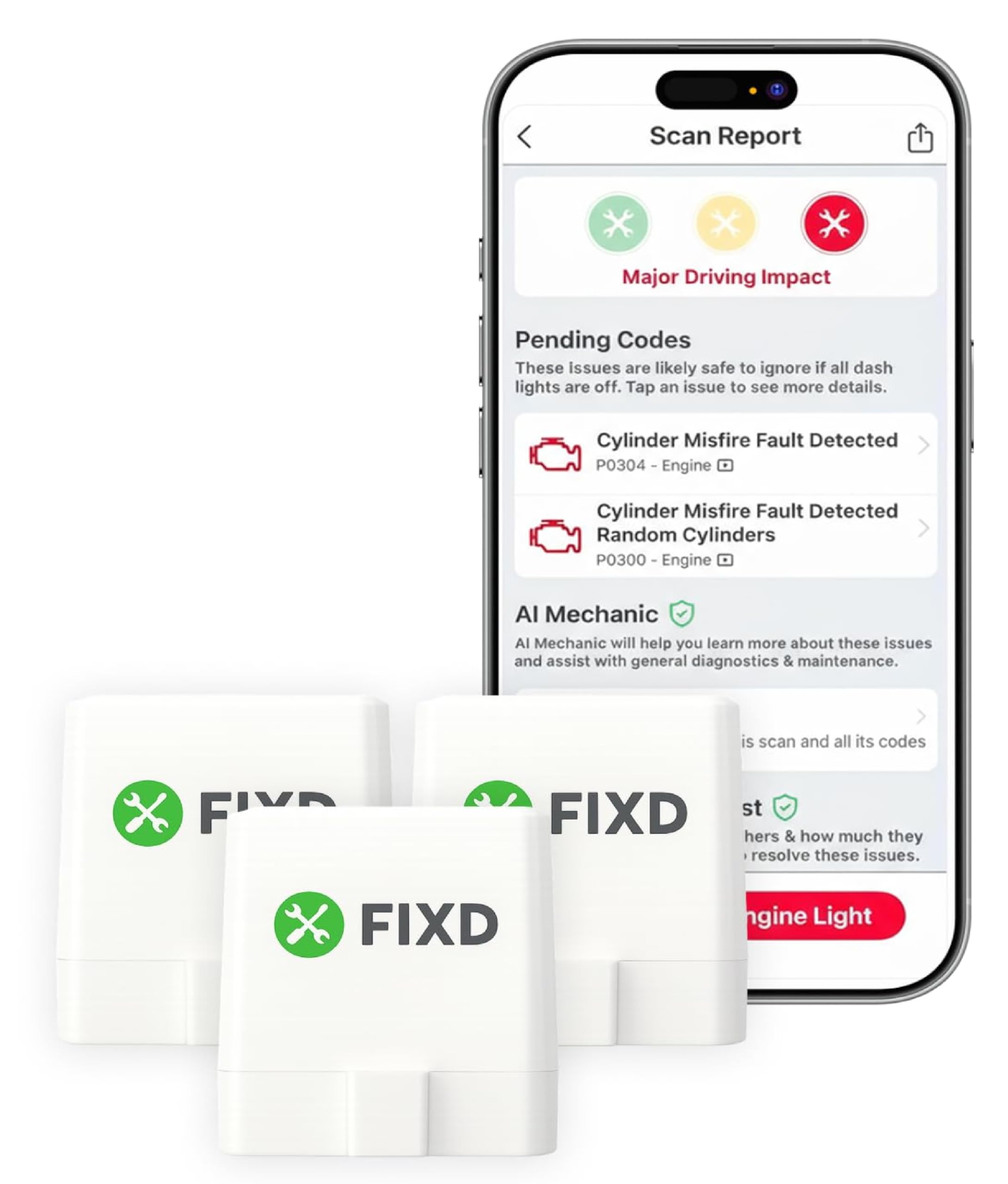
An OBD2 scanner can diagnose engine misfires in the sense that it can identify misfire codes and help narrow the problem down. It usually cannot fully diagnose the exact mechanical or electrical cause by itself.
Modern vehicles use the engine computer, also called the PCM or ECM, to watch crankshaft speed and other data. If the computer sees one cylinder speeding up or slowing down in a way that suggests a misfire, it can trigger a fault code.
The most common codes are:
- P0300 for random or multiple-cylinder misfires
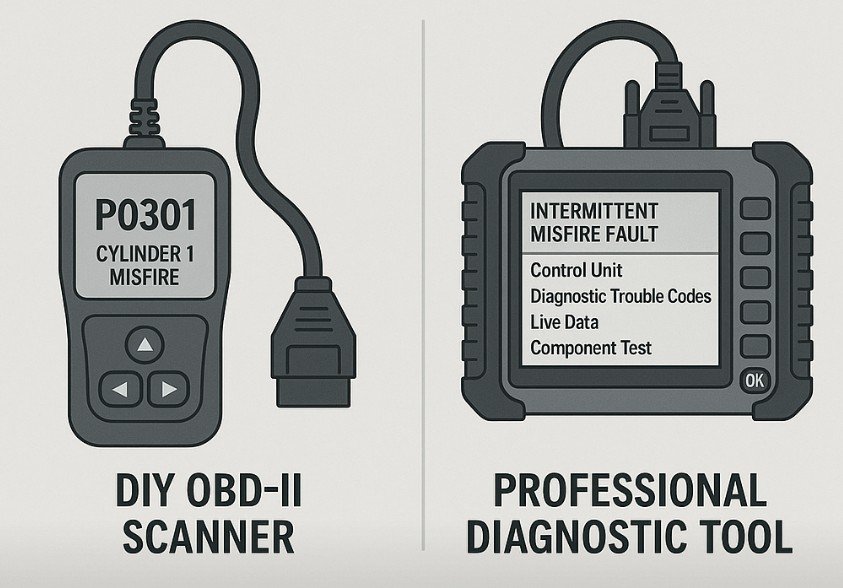
- P0301 for cylinder 1 misfire
- P0302 for cylinder 2 misfire
- P0303 for cylinder 3 misfire
- And so on
So yes, an OBD2 scanner can diagnose engine misfires at the code level. But the scanner usually only points you in the right direction. It is a map, not the whole journey.
How an OBD2 scanner detects misfires
The scanner itself does not “see” the misfire directly. The vehicle’s onboard computer detects the pattern first, then the scanner reads that information.
Here is the basic process:
- The crankshaft position sensor tracks engine speed
- The PCM watches for tiny speed changes in the crankshaft
- If a cylinder fails to fire, the crankshaft slows slightly
- The PCM counts these events and stores a misfire code
- The OBD2 scanner reads the stored code and live data
On many cars, a basic code reader will show the misfire code and maybe freeze frame data. A more advanced scanner can show live misfire counters, fuel trims, ignition timing, and sensor readings.
That extra data matters. It can help you tell the difference between an ignition problem, a fuel problem, and an air leak.
What an OBD2 scanner can tell you
A good OBD2 scanner can give you several useful clues. These clues can save time and help you avoid swapping parts blindly.
It can usually tell you:
- Which cylinder misfired
- Whether the misfire is random or repeated
- When the problem happened
- Related trouble codes
- Fuel trim changes
- Coolant temperature and engine load at the time of the fault
For example, if you see P0302, you know cylinder 2 is the problem area. If you also see a lean code like P0171, that may point toward a vacuum leak or fuel delivery issue instead of just a bad coil.
I have seen people replace plugs, coils, and injectors one after another because they only guessed. A scanner cuts through that guesswork and gives you a cleaner starting point.
What an OBD2 scanner cannot tell you
This is where people sometimes expect too much from the tool. An OBD2 scanner can diagnose engine misfires partly, but it cannot always explain the root cause.
It cannot usually tell you:
- If the spark plug is worn out
- If the fuel injector is clogged
- If compression is low
- If a valve is damaged
- If the timing chain has jumped
- If the engine has an internal mechanical issue
Think of it like a doctor reading a fever. The fever tells you something is wrong, but not whether it is a cold, infection, or something more serious. The scanner gives symptoms, not the full diagnosis.
Common causes of misfires a scanner may help you narrow down
Once the scanner gives you the code, you can start looking at likely causes. Here are the most common ones.
Ignition system problems
These are very common and often the first place to check.
- Worn spark plugs
- Bad ignition coils
- Damaged plug wires
- Moisture in the coil boot
- Loose electrical connectors
Fuel system issues
If the cylinder is not getting the right fuel, misfires can happen.
- Dirty or failed fuel injector
- Low fuel pressure
- Restricted fuel filter
- Contaminated fuel
Air intake and vacuum leaks
Extra air can make the mixture too lean.
- Intake manifold leak
- Cracked vacuum hose
- Bad PCV valve
- Intake gasket leak
Mechanical engine problems
These are more serious and often need deeper testing.
- Low compression
- Burnt valve
- Bad piston ring
- Timing issue
- Head gasket failure
Sensor and control issues
Sometimes the engine is fine, but the data going into the PCM is not.
- Faulty crankshaft position sensor
- Bad camshaft sensor
- Mass airflow sensor issues
- Wiring damage
- Poor grounds
Best way to use an OBD2 scanner for a misfire
A scanner works best when you use it as part of a step-by-step process. Do not stop at the code alone.
Try this approach:
- Read the codes and freeze frame data
- Note whether the code is P0300 or a specific cylinder code
- Check live data for fuel trims and sensor behavior
- Inspect spark plugs and coils
- Test fuel delivery if ignition looks fine
- Check for vacuum leaks
- Run a compression test if the problem stays
That order matters. I have learned the hard way that replacing parts before checking live data can waste time and money fast.
Basic scanner vs advanced scanner for misfire diagnosis
Not all OBD2 scanners are the same. A basic code reader may be enough for a simple check engine light, but a better scanner gives you much more useful data.
Basic OBD2 scanner
A basic unit can usually:
- Read and clear trouble codes
- Show pending codes
- Display freeze frame data
- Turn off the check engine light after a repair
This is good for simple troubleshooting, but limited for deeper diagnosis.
Advanced OBD2 scanner
An advanced scan tool may also:
- Show live misfire counters
- Read manufacturer-specific codes
- Display fuel trims and sensor graphs
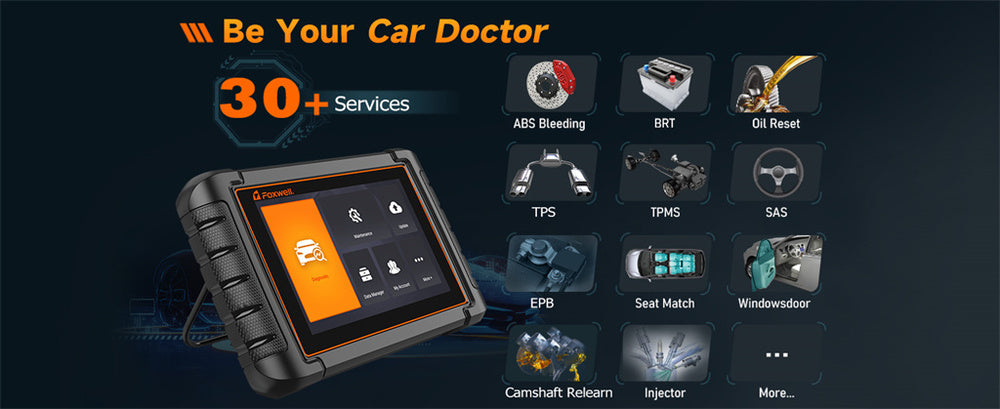
- Perform active tests
- Access ABS, airbag, and transmission systems on some vehicles
If you work on cars often, an advanced scanner is worth it. If you just need to track down the source of an occasional misfire, a mid-level scanner is often the sweet spot.
Real-world example from the shop
I once checked a car with a rough idle and a P0301 code. The owner thought cylinder 1 needed a new injector because another shop had mentioned fuel delivery. But the live data showed a lean condition and the fuel trim numbers were high at idle.
After a smoke test, the real issue turned out to be a small vacuum leak near the intake gasket. The scanner did not “find” the leak by itself, but it pointed me toward the lean condition that made the diagnosis faster and more accurate.
That is the real value of an OBD2 scanner. It helps you ask the right questions before you start replacing parts.
How accurate is an OBD2 scanner for misfires?
An OBD2 scanner is very accurate at detecting that a misfire has been recorded by the vehicle computer. The accuracy depends on the vehicle, the scanner quality, and the type of misfire.
It is usually very good at:
- Identifying a misfire code
- Showing whether the misfire is random or cylinder-specific
- Giving live data clues
It is less helpful for:
- Intermittent misfires that do not happen often
- Mechanical failures that need compression testing
- Problems that only show under certain load or temperature conditions
So the scanner is accurate as a first diagnostic tool, but not always enough for a final answer.
Tips to avoid misdiagnosing a misfire
A misfire can trick even experienced DIYers. Here are a few practical tips that can save you trouble.
- Do not assume the code tells the whole story
- Check the easiest items first, like plugs and coils
- Look for related codes, not just the misfire code
- Inspect wiring and connectors carefully
- Pay attention to when the misfire happens, such as cold start, idle, or acceleration
- Compare fuel trims before and after repairs
One mistake I see often is people clearing the code too early. If you erase the fault before checking freeze frame data, you lose useful clues.
When you need more than an OBD2 scanner
Sometimes the scanner says “misfire,” but the real fix needs deeper testing. That is normal.
You may need extra tools or a mechanic if:
- The misfire keeps coming back after basic repairs
- Compression is low in one cylinder
- The engine has timing noise
- The check engine light flashes hard under load
- There are signs of internal engine damage
Additional tests may include:
- Compression test
- Leak-down test
- Smoke test
- Fuel pressure test
- Ignition spark test
- Injector balance test
These tests help confirm what the scanner only suspects.
Benefits of using an OBD2 scanner for misfire diagnosis
An OBD2 scanner gives you real value when used properly.
Main benefits include:
- Faster diagnosis
- Less guesswork
- Lower repair costs
- Better understanding of engine behavior
- Ability to clear codes after repair
- Helpful live data for deeper troubleshooting
For many drivers, the scanner pays for itself the first time it helps avoid an unnecessary parts swap.
Frequently Asked Questions of Can an OBD2 scanner diagnose engine misfires?
Can an OBD2 scanner tell which cylinder is misfiring?
Yes, many OBD2 scanners can show a cylinder-specific code like P0301 or P0302. That tells you where to start looking, but you still need testing to find the exact cause.
Will a basic OBD2 scanner find all misfires?
Not always. A basic scanner can read misfire codes, but it may not show live data or detailed patterns that help with intermittent problems.
Can a misfire happen without a check engine light?
Yes, especially if it is very light or happens only once in a while. Some vehicles store pending codes before turning on the light.
Is it safe to drive with a misfire?
It depends on the severity, but it is usually not a good idea. A strong misfire can damage the catalytic converter and make the car run poorly or stall.
What is the most common cause of a misfire?
Worn spark plugs and bad ignition coils are very common causes. Fuel issues and vacuum leaks are also frequent, especially on higher-mileage vehicles.
Conclusion
An OBD2 scanner can diagnose engine misfires by reading fault codes, showing cylinder-specific problems, and giving live data that points you toward the cause. It is one of the smartest first tools to use, but it is not a magic wand, and it cannot always reveal the exact failure on its own.
If you use the scanner as part of a careful process, you can save time, avoid costly mistakes, and fix the real issue with more confidence. Start with the code, check the data, and let the symptoms guide the repair. If you are dealing with a misfire now, take the next step, learn the clues your scanner gives you, and make the diagnosis before replacing parts.