How To Use A Portable Power Station In Your Car: Easy Guide
A portable power station runs car devices safely when you match the right wattage, ports, and charging method.
A portable power station can turn your car into a much more useful travel base, whether you need to charge a laptop, run a cooler, power emergency gear, or keep phones alive on a long road trip. I’ve found that the key is not just plugging it in and hoping for the best. You need to know how to charge it in the car, what it can handle, and how to use it without draining your vehicle battery or damaging your gear. If you want a clear, real-world guide to using a portable power station in your car the right way, you’re in the right place.

What a portable power station does in a car
A portable power station is a rechargeable battery pack with built-in outlets. Most models include AC outlets, USB ports, and sometimes DC ports or a 12V car outlet. In a car, it can power small electronics, charge devices, and support road trip or emergency needs.
Think of it like a quiet, safe middleman between your car and your devices. Instead of pulling power directly from the vehicle’s battery for everything, you store energy in the power station and use that energy as needed. That helps keep things simple and more controlled.
Common car uses include:
• Charging phones and tablets during travel
• Running a dash cam or GPS for long periods
• Powering a portable cooler on road trips
• Charging a laptop while working from the car
• Supporting camping gear during overnight stops
• Keeping emergency lights or a radio ready if the car battery is low
The best part is flexibility. A good portable power station works in many situations, not just in the car. That makes it a smart tool for commuting, family trips, overlanding, and emergencies.

How to use a portable power station in your car step by step
Using a portable power station in your car is usually simple, but it helps to follow a method. The goal is to charge it safely, use the right output ports, and avoid overloading the unit.
Here’s a practical step-by-step process:
-
Check the power station’s capacity and output
Look at watt-hours for battery size and watts for output. This tells you how long it can run your devices and what it can support. -
Decide how you will charge it in the car
Many people use the 12V car outlet, also called the cigarette lighter port. Some power stations can also charge through USB-C or an inverter setup, depending on the model. -
Make sure the car is running if needed
If you are charging from the car outlet, it is usually safer to keep the engine on for longer charging sessions. That helps prevent draining the car battery. -
Connect the correct cable
Use the cable that came with the unit or one recommended by the maker. Poor-quality cables can cause slow charging or heat problems. -
Place the power station in a stable spot
Keep it on a flat surface where it will not slide around. The trunk, cargo area, or rear footwell often works well. -
Plug in only the devices you need
Start small. Charge your phone, laptop, or camera first. Then move to larger items like coolers or CPAP devices if the power station supports them. -
Watch battery level and temperature
Do not bury the unit under blankets or close it in a hot trunk for long periods. Heat is one of the biggest enemies of battery life.
I’ve made the mistake of overpacking a car setup before, and that usually creates more trouble than convenience. A cleaner setup with fewer devices is safer and easier to manage.

Choosing the right portable power station for your car
Not every power station is equally useful in a car. The best one for you depends on what you want to run and how long you need it to last.
Pay attention to these features:
• Battery capacity
Measured in watt-hours, this tells you how much energy it stores. Bigger capacity means longer runtime, but also more weight.
• AC output wattage
This matters if you want to power laptops, small appliances, or medical gear. The device must handle the starting and running wattage of what you plug in.
• DC and USB ports
These are often more efficient for phones, tablets, cameras, and some car accessories.
• Car charging input
Look for a model that can charge from a 12V outlet or vehicle input. Faster charging is helpful on short drives.
• Pure sine wave inverter
This is important for sensitive electronics like laptops and CPAP machines. It gives cleaner power than modified sine wave output.
• Battery type
Lithium iron phosphate, or LiFePO4, is popular because it is long-lasting and stable. Many users prefer it for frequent travel and camping.
• Weight and portability
A huge power station may sound great on paper, but if it is too heavy to move around, you may not use it often.
If your main goal is phone charging and light travel use, a compact unit may be enough. If you want to power a cooler or laptop for hours, you will need a larger model.
How to charge a portable power station in your car safely
Charging a portable power station in your car is one of the most common uses. It is also one of the easiest to get wrong if you ignore battery limits and heat.
Here are the safest ways to do it:
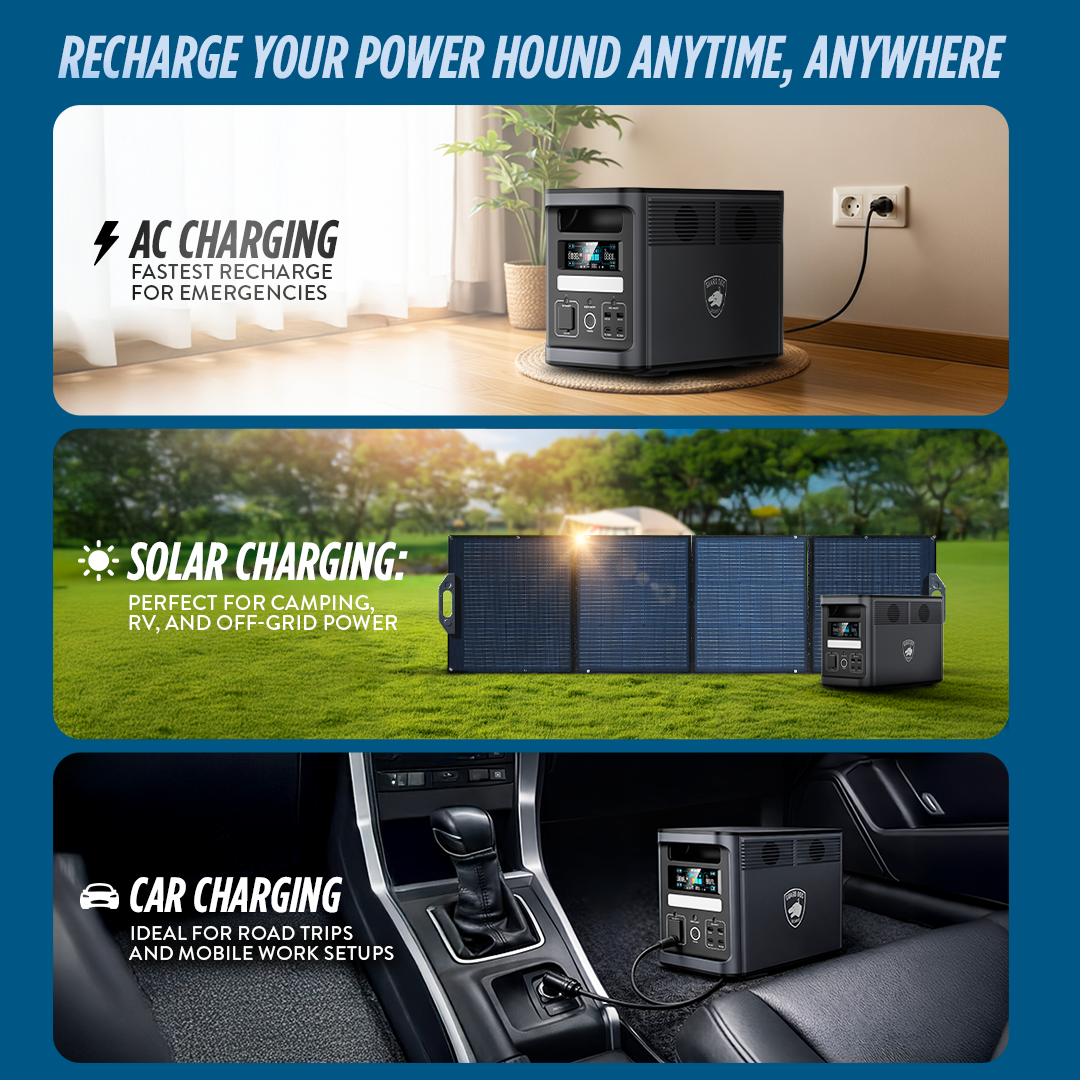
• Use the 12V car outlet when the unit supports it
This is the most common method. It is simple, but charging is usually slower than wall charging.
• Charge while the engine is running
This reduces the chance of draining your vehicle battery. It is especially useful on long trips.
• Avoid charging in extreme heat
Cars get hot fast. High heat can reduce battery health and may trigger protective shutdowns.
• Do not overload the car outlet
Some vehicle outlets are not built for high-draw charging. Check your car manual if you are unsure.
• Use the right adapter
A cable that is not designed for the power station can cause poor charging performance or safety issues.
From experience, the biggest mistake people make is assuming every car outlet works the same way. It does not. Older vehicles, hybrid systems, and some EVs may have different power limits or charging behavior.
What you can power with a portable power station in a car
A portable power station can handle many car-friendly devices, but the exact answer depends on capacity and output. Small electronics are usually easy. Bigger devices need more planning.
Common examples include:
• Smartphones and tablets
• Laptops and chargers
• Cameras and drone batteries
• Dash cams and GPS units
• Portable fans
• LED lights
• Portable coolers
• CPAP machines, if the unit is compatible
• Small TVs or monitors for travel use
A simple way to think about it is this: if the device would normally plug into a wall outlet or charge by USB, there is a good chance a suitable power station can handle it. If it has a motor, heater, or compressor, you need to check wattage carefully.
It helps to know two numbers:
• Running wattage, which is what the device uses while working
• Surge wattage, which is the brief power spike when it starts
That matters a lot for coolers, mini-fridges, and other devices with compressors.

Safety tips when using a portable power station in your car
Safety should always come first. Portable power stations are much safer than many old-school power setups, but they still need smart handling.
Follow these tips:
• Keep vents clear
Power stations release heat during charging and use. Blocked vents can shorten battery life or trigger shutdowns.
• Secure the unit while driving
A loose power station can slide, tip, or get damaged in a sudden stop.
• Never cover the battery pack
Soft bags, blankets, or clothes can trap heat.
• Stay within the rated output
If the label says 600 watts, do not try to run a 1,200-watt appliance.
• Avoid using damaged cables
Frayed wires and loose connectors are not worth the risk.
• Do not leave it in a hot car for long periods
Interior temperatures can rise fast, especially in summer.
• Read the manual
I know, nobody loves manuals. But every model has slightly different charging rules and limits.
This is one of those tools where calm, boring habits are the safest habits. The less drama in the setup, the better it performs.

Best car scenarios for a portable power station
A portable power station shines in situations where normal car power is not enough or not convenient.
Here are the best use cases:
• Road trips
Keep devices charged without fighting over the car’s USB ports.
• Camping and tailgating
Power lights, speakers, fans, or a small cooler.
• Remote work from your car
Charge your laptop and phone while parked.
• Emergency backup
Use it if the car battery is weak or if you need light during a breakdown.
• Family travel
Great for keeping tablets and handheld game systems charged.
• Overlanding and outdoor adventures
A portable power station fits well into a larger travel power setup.
A lot of people buy one for emergencies and end up using it every week. That is usually a sign they picked the right kind of tool.

Limitations you should know before relying on one
Portable power stations are useful, but they are not magic. Knowing their limits helps you avoid disappointment.
Main limitations include:
• Limited runtime
A small unit may only charge a laptop a few times or run a cooler for a short period.
• Slow car charging
Charging from a 12V outlet is often slower than charging at home.
• Weight
Larger units can be heavy and awkward to carry.
• Output restrictions
Some appliances simply need more power than a portable unit can deliver.
• Heat and weather sensitivity
Very hot or very cold conditions can affect performance.
• Vehicle battery concerns
If you charge the unit from your car with the engine off, you may drain the battery.
That is why it is smart to match the power station to your real use, not the biggest spec sheet number you can find.

Tips from real-world use
I’ve learned that the best car power setups are the ones you actually keep using. Fancy gear is nice, but convenience wins on the road.
A few lessons that stand out:
• Keep one short charging cable in the car
It saves time and reduces clutter.
• Label your important cables
It sounds small, but it prevents mix-ups when you are tired or in a hurry.
• Test the setup before a big trip
Do not wait until you are halfway through a vacation to learn that your cooler pulls too much power.
• Start with your most important devices
Phone, GPS, and emergency light should come before extra gadgets.
• Recharge the power station after each trip
That way it is ready when you need it.
The most useful setups are usually the simplest. In my experience, a neat trunk setup beats a messy “everything at once” setup almost every time.
How to get the longest runtime from a portable power station in your car
If you want more runtime, the trick is using energy wisely. Small changes can stretch battery life a lot.
Try these habits:
• Use DC or USB output when possible
These are often more efficient than AC outlets.
• Turn off unused devices
Even small draws add up over time.
• Avoid running high-watt appliances unless needed
A heater or big inverter load drains the battery fast.
• Keep the unit cool
Batteries work better when they are not overheated.
• Choose energy-efficient devices
LED lights and modern electronics use less power.
• Recharge often
Don’t let the battery sit empty for long periods.
This is a lot like managing fuel in your car. Smooth, steady use always beats wasteful, stop-and-go habits.
Frequently Asked Questions of How to use a portable power station in your car
Can I use a portable power station while driving?
Yes, you can use it while driving as long as it is secured and connected properly. Many people charge it from the car’s 12V outlet during a drive, then use it later for devices.
Will a portable power station drain my car battery?
It can if you charge it while the engine is off for too long. To stay safe, charge it with the engine running or follow your vehicle and power station manual.
Can I power a mini-fridge in my car with a portable power station?
Yes, if the power station has enough output wattage and capacity. Check the fridge’s running and surge wattage first, because compressor units need more power at startup.
Is a portable power station better than a car inverter?
It depends on your goal. A power station is usually easier, more portable, and has built-in safety features, while an inverter can be useful for direct car power needs.
How long will a portable power station last in a car?
That depends on battery size and what you plug into it. Small devices may run for hours, while high-draw devices like coolers can drain it much faster.
Conclusion
Using a portable power station in your car is one of the easiest ways to make travel, camping, and emergencies more manageable. When you choose the right size, charge it safely, and stay within its limits, it becomes a dependable part of your daily routine.
The smartest approach is simple: match the power station to your devices, keep your setup secure, and test everything before you depend on it. If you do that, your car turns into a much more flexible power hub. Explore a few models, compare real-world wattage needs, and leave a comment or share your setup so others can learn from your experience.