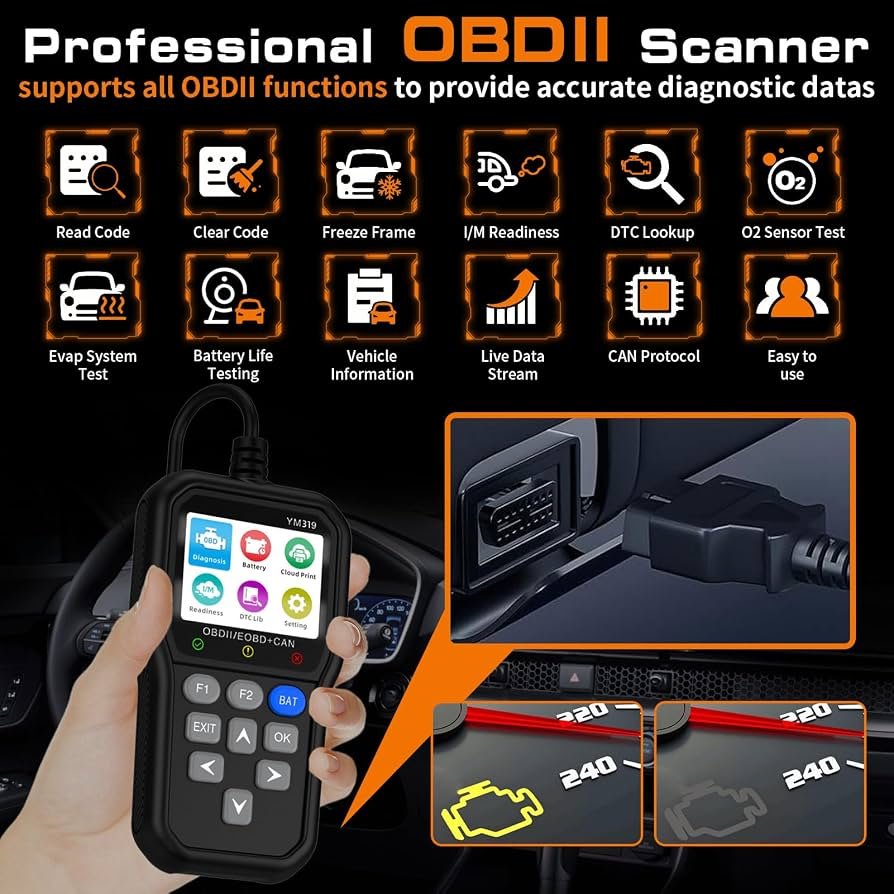
Can An Obd2 Scanner Detect Battery Problems: Quick Guide
Yes, an OBD2 scanner can detect some battery problems, but not every battery issue directly.
If you have ever seen a car crank slowly, a warning light pop on, or a dead battery at the worst time, you already know how frustrating electrical issues can be. An OBD2 scanner can help you spot clues, especially when the battery, alternator, or charging system is acting up, but it is not a magic battery tester. It is best used as part of a bigger diagnosis, and that is exactly what this guide will show you.
How an OBD2 scanner works
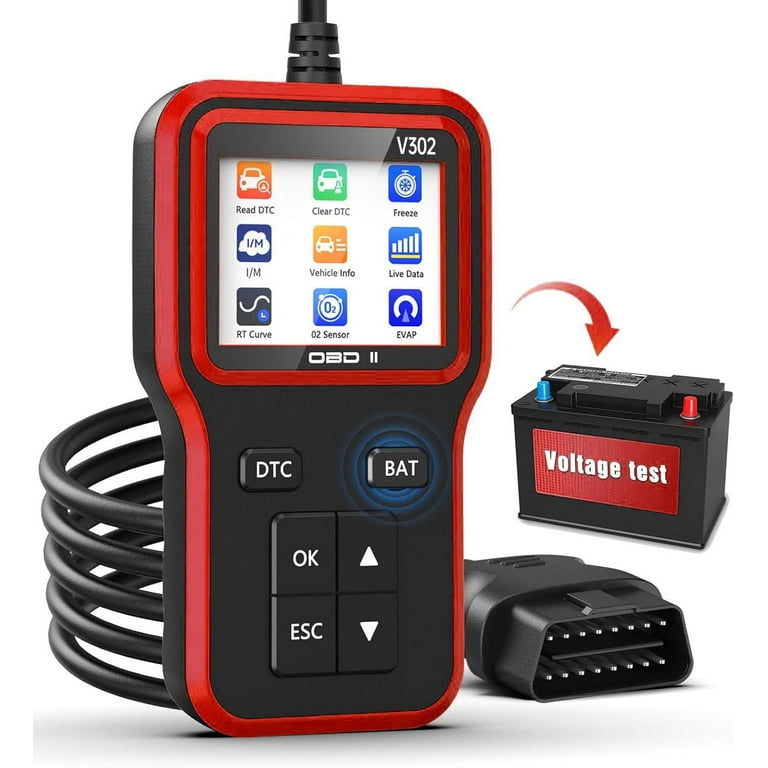
An OBD2 scanner plugs into your car’s diagnostic port, usually under the dash. It reads trouble codes stored by the vehicle’s computer and shows live data from different systems.
That makes it very useful for engine, transmission, emissions, and sometimes electrical faults. But it only sees what the car’s control modules report, so it may miss a battery issue that has not triggered a code yet.
In simple terms, the scanner is like a translator. It helps you understand what the car’s computer is worried about, but it does not test the battery like a dedicated load tester or multimeter.
Can an OBD2 scanner detect battery problems?
Yes, an OBD2 scanner can detect battery-related problems in certain cases. It may show low voltage codes, charging system faults, or communication errors caused by weak power.
Here is the catch: the scanner usually does not measure battery health the way a battery tester does. It often detects the effects of a bad battery, not the battery itself.
For example, if the battery voltage drops too low while driving or starting the car, the vehicle may store codes such as:
- P0562, system voltage low
- P0563, system voltage high
- U codes, communication faults caused by weak voltage
So the answer is yes, but only partly. An OBD2 scanner is great for finding signs of trouble, yet it should be paired with other tools for a true battery diagnosis.

What battery problems can an OBD2 scanner reveal?
An OBD2 scanner can uncover several common battery and charging system issues. These clues often point you in the right direction before you spend money on parts.
Some of the most common problems include:
- Low battery voltage while the engine is off
- Weak charging from the alternator
- Overcharging from a faulty voltage regulator
- Voltage drops during startup
- Electrical communication errors caused by unstable power
I have seen this many times in real-world troubleshooting. A driver thinks the battery is dead, but the scan shows the alternator is not charging correctly. In another case, the battery was fine, but a loose terminal caused low-voltage codes and random dashboard warnings.
That is why an OBD2 scanner is so helpful. It can save time by showing whether the problem is likely the battery, the alternator, the wiring, or something else.
What an OBD2 scanner cannot tell you
This is where a lot of people get stuck. An OBD2 scanner does not always tell you the full story.
It usually cannot tell you:
- The battery’s exact cold cranking amps
- How much life is left in the battery
– Whether a battery is weak under load - Whether a battery has a bad internal cell
- Whether corrosion is reducing current flow unless it causes a code
Think of it like checking your blood pressure at a pharmacy. It gives you useful information, but it does not replace a full medical exam. The same idea applies here.
If your car starts fine but dies later, or if it cranks slowly on cold mornings, a scanner may not fully confirm the cause. That is when a multimeter, battery load test, or professional battery analyzer becomes important.
Best tools to diagnose battery issues
For a real battery diagnosis, I recommend using more than one tool. That gives you a much clearer picture.
Useful tools include:
- OBD2 scanner: checks stored codes and live voltage data
- Digital multimeter: measures battery voltage directly
- Battery load tester: checks how the battery performs under stress
- Clamp meter: measures charging current in some cases
A good basic test starts with voltage readings.
- A healthy resting battery is often around 12.6 volts
- Around 12.2 volts means the battery is getting weak
- Below 12.0 volts may mean the battery is deeply discharged
When the engine is running, charging voltage usually should be around 13.7 to 14.7 volts, depending on the vehicle. If it is much lower or higher, the charging system may be the real problem.
Common signs your battery may be failing
Even before a scanner shows a code, your car may give you clues. These signs often show up first.
Watch for:
- Slow engine cranking
- Dim headlights
- Clicking sound when starting
- Dashboard lights that flicker
- Electrical features acting strange
- Car needing frequent jump-starts
- Battery warning light on the dash
I have learned the hard way that ignoring small signs usually makes the repair bigger. A weak battery can strain the starter and alternator, and that can turn a simple battery swap into a bigger electrical headache.
Battery problems vs alternator problems
This is one of the most common mix-ups. A weak battery and a bad alternator can feel very similar.
Here is a simple way to think about it:
- Battery problem: the car may struggle to start, but charging may be normal once running
- Alternator problem: the car may start with a jump, then die because the battery is not being recharged
- Wiring problem: voltage may be unstable because of loose or corroded connections
An OBD2 scanner can help separate these issues by showing system voltage and charging-related codes. Still, it cannot always tell you which part failed first.
That is why a full diagnosis matters. Sometimes the battery is blamed, but the alternator or battery cable is the real troublemaker.
How to use an OBD2 scanner to check for battery issues
If you want to use an OBD2 scanner for battery troubleshooting, follow a simple process.
- Plug the scanner into the OBD2 port
- Turn the ignition on, or start the engine if needed
- Read any stored or pending trouble codes
- Check live data for system voltage
- Compare voltage with the engine off and running
- Look for charging system or communication errors
Pay attention to voltage readings that are too low or too high. Also, look for codes that mention system voltage, power supply, or module communication.
A small mistake I see often is checking only the code list and skipping live data. Live data gives you the real-time story, and that is where many battery problems become clearer.
When a scanner is enough and when it is not
Sometimes an OBD2 scanner gives you enough information to move forward. Other times, it only gives you a clue.
A scanner may be enough when:
- You see a clear low-voltage or charging code
- The battery light is on and charging voltage is abnormal
- Multiple modules are throwing voltage-related faults
A scanner is not enough when:
- The car has no codes but still starts poorly
- The battery seems weak only in cold weather
- The battery dies overnight with no warning
- You suspect a bad cell or internal battery damage
In those cases, a direct battery test is the smarter move. The scanner is the first step, not the final answer.
Why battery problems can trigger random codes
Low voltage can confuse a car’s electronics. Modern vehicles depend on stable power, so even a short dip can cause odd behavior.
A weak battery may cause:
- False sensor codes
- Communication errors between modules
- Transmission or engine warnings
- Infotainment glitches
- Intermittent warning lights
This is one reason battery issues are so tricky. The battery may be the root cause, but the symptoms show up in other systems. An OBD2 scanner helps you trace those side effects back to the power source.
Practical tips from real-world diagnosis
Over time, I have found a few habits that make battery diagnosis much easier.
- Test the battery before replacing parts
- Clean battery terminals and check for corrosion
- Check ground connections as carefully as the battery itself
- Compare resting voltage and charging voltage
- Do not trust a jump-start as proof the battery is good
- Scan for codes after the car has sat overnight, not just right after driving
One common mistake is replacing the battery without checking the alternator. That can waste money fast. Another mistake is ignoring loose terminals, which can mimic a bad battery almost perfectly.
Benefits of using an OBD2 scanner for battery concerns
An OBD2 scanner gives you a lot of value for a small investment. Even though it is not a full battery tester, it still helps a lot.
Benefits include:
- Faster troubleshooting
- Early warning of charging problems
- Better understanding of electrical faults
- Fewer guesswork repairs
- Helpful live data for voltage checks
For everyday drivers, that means fewer surprises. For DIY owners, it means you can make better repair decisions before heading to a shop.
Frequently Asked Questions of Can an OBD2 scanner detect battery problems?
Can an OBD2 scanner tell if my battery is bad?
It can sometimes point to a bad battery by showing low-voltage codes or charging issues. But it usually cannot confirm battery health on its own.
Will an OBD2 scanner show a dead battery?
Not always. A completely dead battery may stop the scanner from working properly, and even if it does work, the scanner may only show related voltage or communication codes.
Can an OBD2 scanner test alternator problems too?
Yes, it can often reveal charging system issues. If the alternator is undercharging or overcharging, the scanner may show voltage-related trouble codes or unusual live data.
What voltage is considered too low for a car battery?
A resting battery below about 12.0 volts is usually a warning sign. If the engine is running and voltage stays much below 13.7 volts, the charging system may also be weak.
Do I need a special scanner for battery problems?
No special scanner is required for basic voltage-related codes, but a scanner with live data is much more useful. Some advanced scan tools also support battery registration and enhanced diagnostics for newer vehicles.
Can a weak battery cause false codes?
Yes, it can. Low voltage can lead to random warning lights, communication errors, and codes that disappear after the battery is charged or replaced.
Conclusion
An OBD2 scanner can detect battery problems, but mostly by revealing the signs and side effects of weak power. It is a smart first tool for spotting low voltage, charging faults, and electrical errors, yet it should not be your only test.
If your car is acting up, use the scanner as a guide, then confirm the issue with a multimeter or battery tester. That simple habit can save you time, money, and a lot of frustration. If you want to make smarter repair decisions, start with the scan, trust the data, and keep digging until the real cause is clear.