SportRack Vs Yakima Cargo Box: Which One Is Best?
SportRack offers strong value, while Yakima delivers better fit, features, finish, and long-term ease of use.
Choosing between a SportRack vs Yakima Cargo Box can feel like comparing a reliable budget tool with a polished premium one. I have spent years reviewing roof cargo systems, checking mounting hardware, loading skis and camping gear, and helping drivers avoid common fit mistakes. This guide breaks down price, size, security, noise, installation, durability, and real-world use so you can pick the right cargo box for your vehicle and travel style.

SportRack vs Yakima Cargo Box: Main Differences
SportRack and Yakima both make roof cargo boxes that add sealed storage above your vehicle. They protect luggage from rain, snow, road dust, and crowded back seats.
The key difference is their market position. SportRack focuses on useful features at a lower price. Yakima usually costs more but offers a more refined design, easier hardware, stronger finish, and a wider range of premium options.
Here is the basic comparison:
| Feature | SportRack Cargo Box | Yakima Cargo Box |
|---|---|---|
| Price | Usually lower | Usually higher |
| Best for | Budget buyers and occasional trips | Frequent travelers and outdoor users |
| Mounting | Simple, functional hardware | Faster and more polished mounting systems |
| Locks | Basic lock systems on many models | Often includes integrated SKS-compatible locks |
| Opening | Varies by model | Many models open from both sides |
| Finish | Practical and durable | More refined and aerodynamic |
| Size range | Good selection, often value focused | Broad range from compact to large |
| Warranty and support | Depends on model and seller | Strong brand support and clear product ecosystem |
The best choice depends on more than the logo. Your roof rack, vehicle roof limit, garage height, cargo needs, and trip length all matter.
A large cargo box may look useful in a store. Yet it can become a poor choice if it blocks your hatch, adds too much wind noise, or exceeds your vehicle’s roof rating.

What Is a SportRack Cargo Box?
SportRack is known for making practical outdoor transport products, including roof racks and cargo carriers. Its boxes are often sold as affordable alternatives to premium brands.
Many SportRack cargo boxes use simple mounting hardware. This can include U-bolts, knobs, clamps, or other brackets that attach to the crossbars. The exact design depends on the model and production year.
SportRack models may include features such as:
• Weather-resistant construction
• Dual-side or rear access on selected models
• Straps for holding loose items
• Basic central locking
• Multiple size choices for luggage, skis, or camping gear
SportRack boxes can work very well for families who take a few road trips each year. They are also useful for drivers who need extra space but do not want to spend premium-brand money.
The main trade-off is refinement. Mounting may take longer, the plastic may feel less polished, and the lid can require more care to close evenly. These are not always serious problems, but they are worth knowing before you buy.
What Is a Yakima Cargo Box?
Yakima is a well-known American outdoor transport brand. Its cargo boxes are designed for regular use by travelers, cyclists, skiers, campers, and outdoor families.
Popular Yakima lines include products such as the SkyBox and CBX. Features vary by model, but many Yakima boxes offer dual-side opening, integrated locks, quick-release mounting, and a shaped lid that improves access.
Common Yakima strengths include:
• Easy access from either side
• Better control of lid movement
• Cleaner mounting hardware
• Premium lock systems
• Strong crossbar compatibility
• Several lengths, widths, and cargo volumes
Yakima also builds a larger ecosystem. A driver can often use the same lock key system across a cargo box, bike rack, ski rack, and other accessories.
In my experience comparing roof boxes, this ecosystem matters most to frequent users. If you install and remove gear often, small details can save time on every trip.
SportRack vs Yakima Cargo Box: Price and Value
SportRack usually wins on purchase price. This makes it attractive to drivers who need extra storage for vacations, sports equipment, or a growing family.
Yakima costs more because you are paying for more than storage volume. The price often reflects improved hardware, product design, lock integration, fit options, and brand support.
A fair value comparison should include:
• The cargo box price
• Crossbar cost
• Locks and accessories
• Shipping or dealer installation
• Warranty coverage
• Expected years of use
A SportRack box may be the better value if you use it two or three times each year. A Yakima box may offer better value if it stays on your vehicle for months or travels thousands of miles each year.
Think of it like buying luggage. A low-cost suitcase can serve you well on a few trips. A frequent traveler may prefer stronger wheels, better zippers, and a design that works smoothly every time.
Cargo Space and Size Options
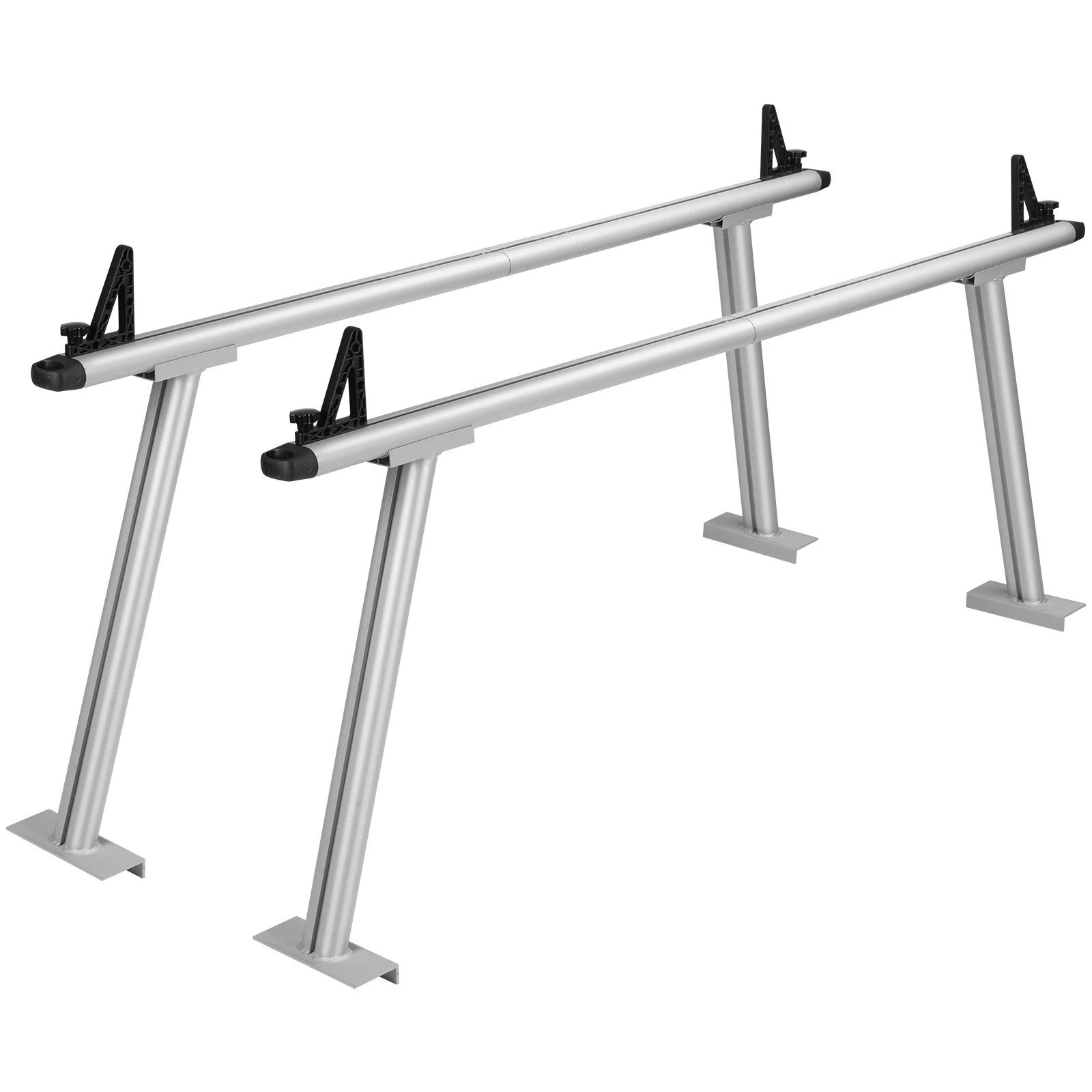
Cargo volume is one of the most important parts of the SportRack vs Yakima Cargo Box decision. A box that is too small will not solve your storage problem. A box that is too large may create fit, handling, or parking problems.
Cargo boxes are often measured in cubic feet. Common sizes range from compact boxes near 12 cubic feet to large boxes near 18 or 21 cubic feet. The right size depends on what you carry.
A compact box may hold:
• Small bags
• Coats and blankets
• Children’s gear
• Soft camping items
A medium box may hold:
• Several suitcases
• A family’s road-trip luggage
• Strollers and soft bags
• Camping supplies
A large box may hold:
• Multiple large bags
• Skis or snowboards
• Bulky sleeping bags
• Lightweight outdoor equipment
Do not fill a cargo box based only on empty space. Check its weight rating, your crossbar rating, and your vehicle’s roof limit. The vehicle owner’s manual is the final authority.
Soft items are usually easier to fit than hard cases. A long box can carry skis well, but its interior width may not suit large suitcases. Measure your gear before ordering.

Installation and Ease of Use
Installation is where many drivers notice the biggest difference between SportRack vs Yakima Cargo Box models.
SportRack mounting hardware is usually functional but may take more time to adjust. You may need to center the box, slide the brackets into position, and tighten each fastener evenly.
Yakima systems often feel faster and more controlled. Some models use quick-release clamps or tool-free tightening. The box may also include clearer position markings and a more polished mounting process.
Use this installation checklist:
-
Confirm that your crossbars match the box requirements.
-
Measure the distance between the bars.
-
Place the box in the center of the vehicle.
-
Check that the rear hatch opens fully.
-
Tighten each mount in small, even steps.
-
Confirm that every clamp grips the bar.
-
Close and lock the lid before driving.
One mistake I often see is tightening the front mounts before checking hatch clearance. This can force a second installation. Set the box in place first, open the hatch, and then finish the alignment.
Never guess whether a box fits your rack. Check the manufacturer’s fit guide and measure your vehicle.

Security and Locking Systems
Both brands can protect your gear better than an open roof basket, but cargo box security is not the same as a bank vault. A determined thief with tools may still damage a box or vehicle.
SportRack models generally offer basic locking systems. They can stop casual access when you stop for fuel or lunch. Always check that the key turns fully and that the lid closes evenly before driving.
Yakima often has a stronger security advantage. Many models use integrated locks, and some connect with Yakima’s SKS key system. This can make it easier to use one key for several accessories.
Good security habits include:
• Lock the box whenever the vehicle is unattended.
• Keep valuable electronics out of the box.
• Avoid leaving the vehicle loaded overnight in public areas.
• Inspect the lock and hinge after winter use.
• Store the key in a safe place during the trip.
The box should also be mounted correctly. Loose hardware creates both a safety risk and an opportunity for theft.
Weather Protection and Durability
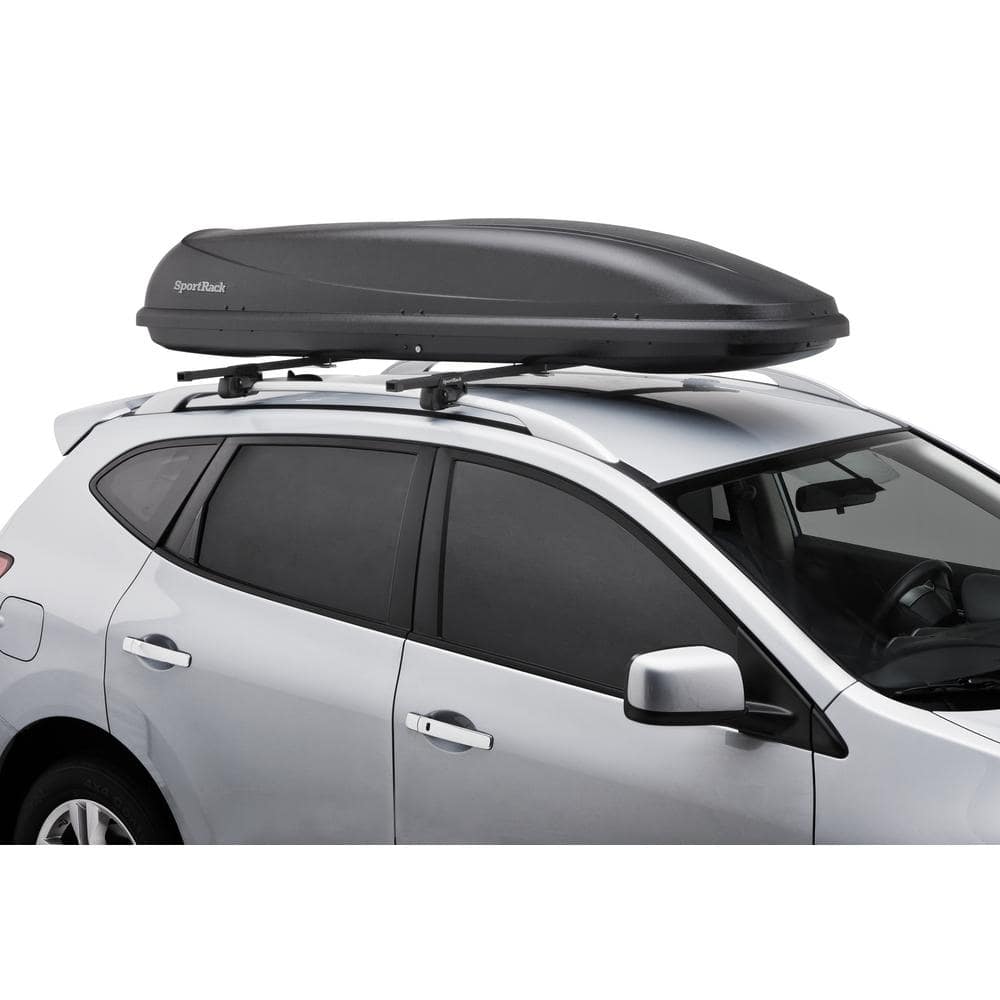
A roof cargo box must handle sun, rain, snow, wind, and temperature changes. Both SportRack and Yakima use molded plastic shells, but construction details vary by product.
A well-fitted lid should close evenly around the seal. Water resistance depends on the lid, seal, hinges, locks, and proper loading. Overfilling can bend the lid and create gaps.
Yakima boxes often feel more rigid and refined. The lid may open with less flex, and the hinge action may feel smoother. SportRack boxes can still provide good weather protection when used within their limits.
To improve weather protection:
• Place wet items in sealed bags.
• Do not force the lid over bulky gear.
• Keep the seal clean.
• Remove dirt from the locking area.
• Inspect cracks after a hard impact.
• Store the box indoors when possible.
A cargo box is best treated like a rain shell, not a submarine. It should protect normal luggage from weather, but it is not designed for careless packing or standing water.
Wind Noise, Fuel Use, and Driving Comfort
Every roof cargo box adds some wind resistance. The amount of noise depends on the box shape, crossbar design, vehicle height, speed, and installation position.
Yakima often has an advantage in aerodynamics because many models use smoother shapes and better airflow design. SportRack may be slightly louder on some vehicles, especially when paired with square or wide crossbars.
Noise is not only a comfort issue. Added air resistance can also reduce fuel economy. The effect varies widely, so there is no single reliable mileage penalty for every vehicle.
You can reduce noise by:
• Centering the box carefully.
• Keeping the crossbars tight and aligned.
• Using the correct bar spacing.
• Avoiding loose straps inside the box.
• Removing the box when you do not need it.
• Staying within the recommended speed limit.
A box may sound quiet during a short test drive and louder at highway speed. If possible, test it at different speeds before a long trip.
Vehicle Fit and Roof Weight Limits
Fit is more important than brand. A premium cargo box is still a poor choice if it does not suit your vehicle.
Before buying, check:
• The maximum dynamic roof load
• The static roof limit, if listed
• Crossbar width and shape
• Minimum and maximum bar spread
• Hatch or liftgate clearance
• Sunroof clearance
• Antenna location
• Garage height
Dynamic roof load means the weight your vehicle can carry while moving. This includes the cargo box, crossbars, mounts, and cargo.
For example, if your vehicle allows 165 pounds on the roof and your rack system weighs 40 pounds, the cargo inside the box cannot exceed the remaining limit. Always use the lowest rating among the vehicle, crossbars, and box.
Do not place heavy tools, spare parts, or dense equipment in the box unless the total weight remains safe. Keep heavy items low and centered inside the vehicle whenever possible.
Vehicle fit guides from the manufacturer are more reliable than general internet advice. Trim levels, factory rails, panoramic roofs, and hatch designs can change the answer.
Which Cargo Box Is Better for Families?
For family travel, both brands can provide useful extra space. The better choice depends on how often you travel and how much convenience you want.
SportRack is a sensible choice for families who:
• Take occasional vacations
• Need extra luggage space at a lower cost
• Do not mind slower installation
• Plan to remove the box between trips
Yakima may suit families who:
• Travel often
• Need fast access from either side
• Carry skis or outdoor gear
• Want a smoother daily experience
• Already own Yakima accessories
A family with young children may value easy access more than a small price difference. Being able to reach the box from the curb side can make a busy fuel stop less stressful.
Which Is Better for Skis and Snowboards?
For winter sports, box length and internal shape matter more than brand name. Measure your skis or board, including bindings, before selecting a model.
A long SportRack box can carry skis well if its internal length is sufficient. Yakima also offers models designed for long gear, with easier dual-side access on many products.
Remember these winter tips:
• Dry skis and boards before storing them.
• Keep sharp edges away from the shell.
• Use a soft bag to reduce movement.
• Remove snow from the lid before opening.
• Check the lock for ice.
• Recheck mounting hardware during long trips.
Cold weather can make plastic and seals less flexible. Open the lid gently, especially after a night below freezing.

SportRack vs Yakima Cargo Box: Pros and Cons
SportRack advantages
• Lower starting price
• Good storage for occasional road trips
• Simple design
• Useful size options
• Practical choice for budget buyers
SportRack limitations
• Mounting may take more time
• Hardware can feel less refined
• Some models may create more wind noise
• Lock systems may be more basic
• Product features vary widely by model
Yakima advantages
• Strong design and finish
• Easy access on many models
• Better accessory integration
• Premium lock options
• Broad range of sizes
Yakima limitations
• Higher purchase price
• Replacement parts and accessories can cost more
• Some features depend on the exact model
• A premium box does not remove the need for careful fit checks
The right answer in a SportRack vs Yakima Cargo Box comparison is not always the more expensive product. It is the box that matches your use, vehicle, budget, and tolerance for setup time.
Common Buying Mistakes to Avoid
A cargo box can last for years when chosen and maintained well. Most problems begin before the first trip.
Avoid these mistakes:
- Buying by cubic feet alone
Large volume does not guarantee useful interior shape.
- Ignoring hatch clearance
A rear hatch can strike the box or prevent full opening.
- Exceeding roof weight limits
The box and rack count toward the vehicle’s total roof load.
- Forgetting garage height
A roof box can make a vehicle too tall for home or parking garages.
- Leaving the box installed year-round
Sun and weather can shorten its life and increase fuel use.
- Packing heavy items on top
Dense cargo can damage the shell and raise the center of gravity.
- Skipping a test drive
Noise, vibration, and fit problems may appear only at highway speed.
- Using the wrong crossbars
Not every rack bar fits every mounting system.
Read the cargo box manual and your vehicle owner’s manual. Those two documents answer more fit and safety questions than most online comments.
My Practical Take on SportRack vs Yakima Cargo Box
When I help someone choose between these brands, I first ask how often they travel. A person who takes one annual vacation usually does not need every premium feature. A skier, camper, or frequent road-tripper may quickly appreciate better hardware and faster access.
My biggest lesson is to value fit over volume. I have seen drivers buy a large box, then discover that it blocks the hatch or cannot fit their garage. A slightly smaller box that fits cleanly is often the smarter purchase.
I also recommend practicing installation at home. Do not wait until the morning of a family trip. Install the box, open the hatch, load a few bags, and take a short drive. This simple test can reveal problems while there is still time to fix them.
Frequently Asked Questions About SportRack vs Yakima Cargo Box
Is SportRack better than Yakima for a tight budget?
SportRack is usually the better choice when the purchase price matters most. It can provide useful weatherproof storage without the added cost of premium mounting and locking features.
Is Yakima worth the extra money?
Yakima can be worth the higher price for frequent travelers who want easier installation, smoother access, stronger product integration, and refined construction. Occasional users may not benefit enough to justify the difference.
Can a SportRack cargo box fit Yakima crossbars?
Many cargo boxes can fit different brands of crossbars, but compatibility depends on bar shape, width, spread, and mounting hardware. Check the specific SportRack model manual and Yakima crossbar specifications before buying.
Which cargo box is quieter, SportRack or Yakima?
Yakima often produces less wind noise because of its aerodynamic shapes, but the result depends on the vehicle and crossbars. Correct alignment and secure mounting can make a larger difference than the brand alone.
Can I leave a cargo box on my vehicle all year?
You can, but removing it when not needed is usually better. Removal can reduce fuel use, protect the box from weather, and prevent clearance problems in garages and parking structures.
How much weight can I put in a cargo box?
The safe amount depends on the cargo box, crossbars, and vehicle roof limit. Use the lowest rated limit, and remember that the box and rack weight count toward the total.
Does a cargo box keep luggage completely dry?
A properly closed box should protect normal luggage from rain and road spray. It is not guaranteed to stay dry if it is overfilled, damaged, poorly mounted, or exposed to standing water.
Conclusion
SportRack is a smart value pick for occasional trips, basic storage needs, and careful buyers. Yakima is the stronger premium option for frequent travel, easier mounting, better access, and a wider accessory system.
The best SportRack vs Yakima Cargo Box choice starts with your vehicle, not the brand name. Check roof limits, bar compatibility, hatch clearance, interior size, and your real travel habits before ordering. Measure twice, install it at home, and test it before your next long drive.
Compare the exact models that fit your vehicle, then choose the box that gives you safe space without unnecessary cost. Share your own cargo box experience or explore more roof-rack guides before making your final decision.