Yakima LockNLoad Vs Rhino-Rack: Which Roof Rack Wins?
Yakima LockNLoad suits flexible trips, while Rhino-Rack Pioneer favors a simple, strong, low-profile platform.
Choosing between the Yakima LockNLoad vs Rhino-Rack Pioneer is not just a matter of picking the toughest-looking roof rack. Both are premium platform systems built for camping gear, kayaks, bikes, recovery boards, and work equipment. Yet they differ in platform design, mounting options, accessory support, vehicle fit, and everyday ease of use.
This guide compares the Yakima LockNLoad vs Rhino-Rack Pioneer in clear, practical terms. It also explains load limits, installation, wind noise, durability, cost, and the common mistakes that can turn a good rack into an unsafe one.
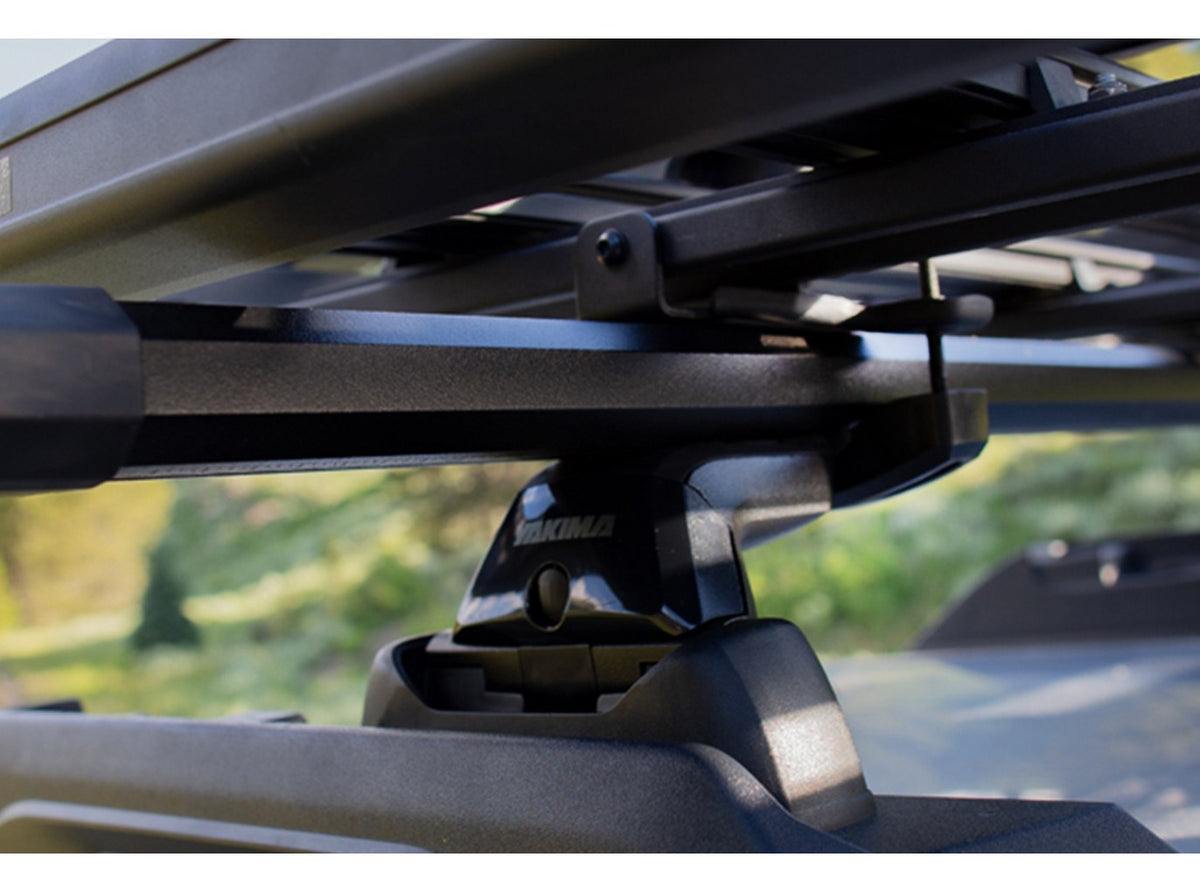
Yakima LockNLoad vs Rhino-Rack Pioneer: Quick Comparison
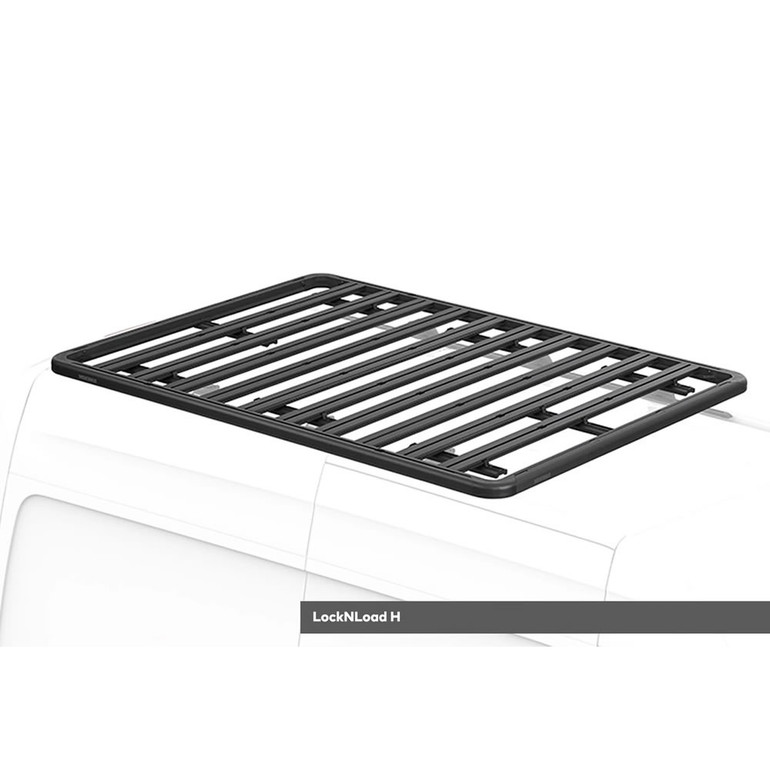
The Yakima LockNLoad and Rhino-Rack Pioneer are flat roof platforms. They replace several traditional crossbars with one broad surface.
That wide surface gives you more ways to carry gear. You can mount boxes, awnings, traction boards, spare tires, roof tents, and many other items. The right choice depends on your vehicle, trip style, and preferred accessories.
| Feature | Yakima LockNLoad | Rhino-Rack Pioneer |
|---|---|---|
| Main design | Modular aluminum platform | Modular aluminum platform |
| Best known for | Flexible mounting and Yakima ecosystem | Strong platform design and broad overland use |
| Platform shape | Several sizes and layouts | Several sizes and layouts |
| Accessory approach | LockNLoad-specific and Yakima accessories | Pioneer-specific and Rhino-Rack accessories |
| Installation | Depends on vehicle towers, tracks, or a Backbone system | Often uses vehicle-specific backbone or mounting kits |
| Appearance | Clean and modern | Rugged and practical |
| Best for | Owners who value system flexibility | Owners who want a proven adventure platform |
| Key concern | Correct platform and tower pairing | Correct platform, backbone, and load rating |
The Yakima LockNLoad vs Rhino-Rack Pioneer comparison becomes more useful when you separate the platform from the vehicle mounting system. The platform is only one part of the rack. Towers, feet, tracks, backbone systems, clamps, and vehicle roof strength all affect the final result.
Platform Design and Build Quality
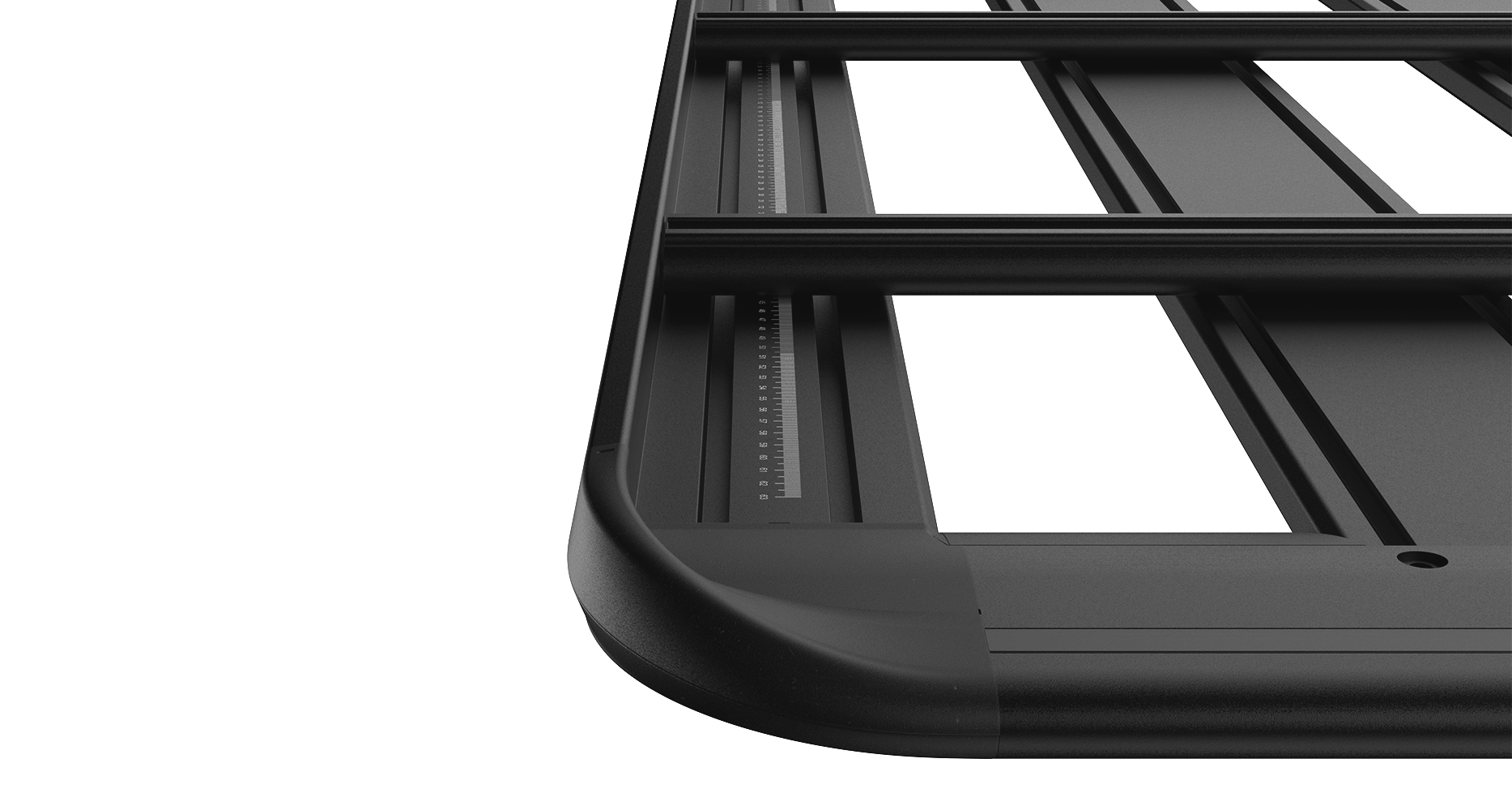
Both systems use aluminum platform construction. Aluminum helps keep the rack lighter than a full steel platform while resisting rust. The finish also helps protect the surface from sun, rain, dust, and road salt.
The Yakima LockNLoad uses slats and channels that accept several mounting styles. This gives you room to place gear across the platform instead of forcing every item into one fixed position.
The Rhino-Rack Pioneer also uses a flat platform with a strong outer frame and internal slats. Its design has become popular with camping and overland users because it offers a stable base for roof accessories.
Yakima LockNLoad strengths
The Yakima LockNLoad stands out in these areas:
• Wide accessory choice through the Yakima system
• Multiple platform sizes for different vehicles
• Useful channels for adjustable mounting
• A clean look that suits daily drivers
• Good support for bikes, boxes, boards, and outdoor gear
Rhino-Rack Pioneer strengths
The Rhino-Rack Pioneer is especially strong in these areas:
• Rugged platform construction
• Many vehicle-specific mounting options
• Good compatibility with awnings and overland gear
• A broad range of Pioneer accessories
• A stable base for bulky loads
Neither platform is automatically stronger in every use. Strength depends on the platform size, mounting points, vehicle roof, and the load rating listed for that exact setup.
The most important lesson is simple: never judge a roof rack by the platform alone. A well-built platform attached to the wrong mounts can still be unsafe.
Load Capacity and Real-World Use
Load capacity is one of the most searched parts of the Yakima LockNLoad vs Rhino-Rack Pioneer debate. It is also one of the easiest areas to misunderstand.
Roof racks usually have two load ratings:
• Dynamic load rating: The weight the vehicle and rack can carry while driving
• Static load rating: The weight the roof can support while parked
A roof tent may be acceptable when the vehicle is parked but exceed the safe driving limit when loaded with people, bedding, and gear. Always follow the lower limit set by the vehicle, mounting system, platform, or accessory.
What can you carry?
Depending on the platform and vehicle, users commonly carry:
• Camping boxes
• Kayaks and paddleboards
• Surfboards
• Recovery boards
• Awnings
• Shovels and traction tools
• Bicycles
• Spare tires
• Roof tents
• Work ladders and job-site equipment
Large items need careful placement. Keep the heaviest gear near the platform center and close to the mounting points. Avoid placing all the weight at the front or rear edge.
The roof tent question
Both the Yakima LockNLoad and Rhino-Rack Pioneer may work with a roof tent, but compatibility is not automatic. You must check:
• Vehicle roof capacity
• Dynamic and static rack limits
• Platform size
• Tent mounting hardware
• Crossbar or platform support spacing
• Clearance from the vehicle roof
• Maximum permitted vehicle weight
A common mistake is to add the weight of the tent but forget the people inside it. Four adults, bedding, water, and camping equipment can add much more weight than expected.
For safe planning, weigh the tent, rack, mounts, and stored equipment together. Then compare that total with the vehicle maker’s limits and the rack maker’s current fit guide.
Installation and Vehicle Compatibility
The Yakima LockNLoad vs Rhino-Rack Pioneer decision should begin with your vehicle, not the platform. A Jeep, pickup, crossover, van, and compact SUV may need very different mounting parts.
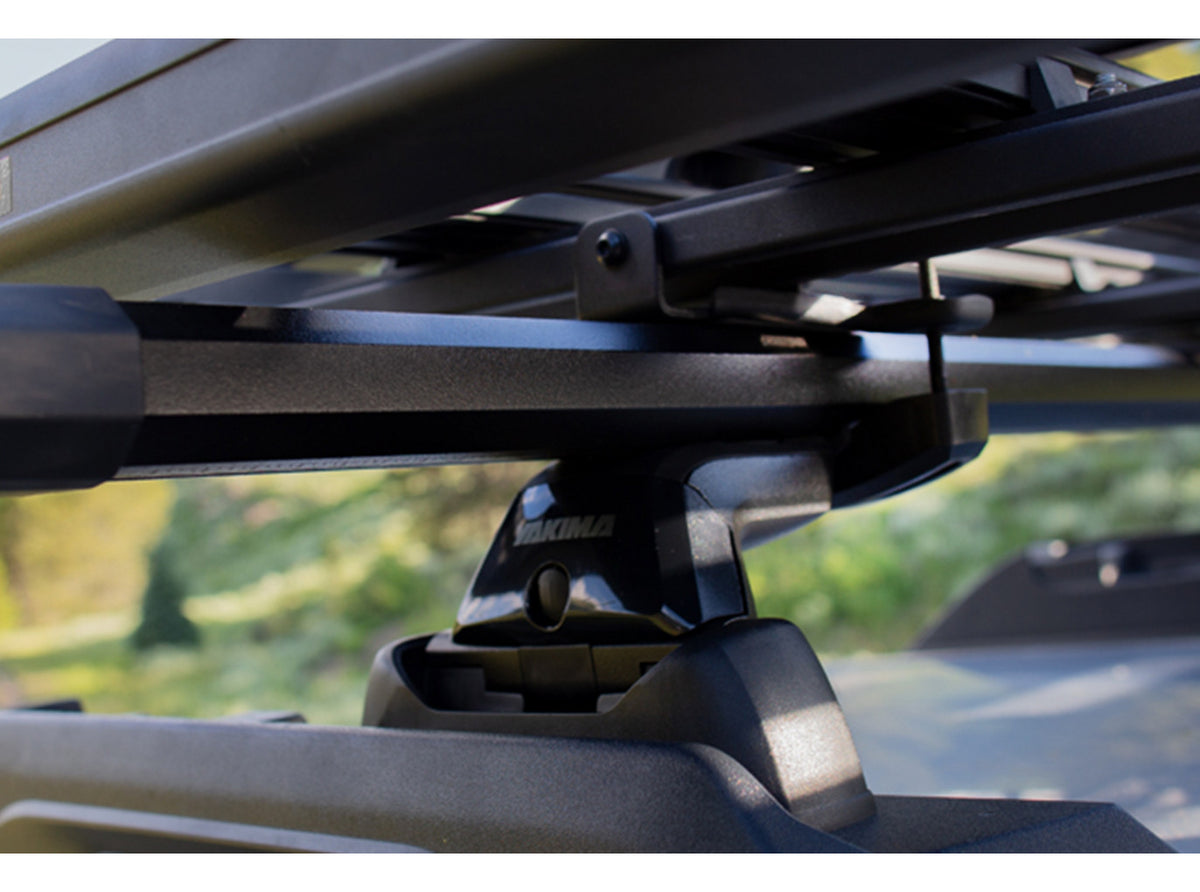
Some vehicles use factory roof rails. Others need fixed-point towers, raised rail clamps, tracks, or a vehicle-specific backbone system. A few vehicles require drilling or professional installation.
Yakima LockNLoad installation
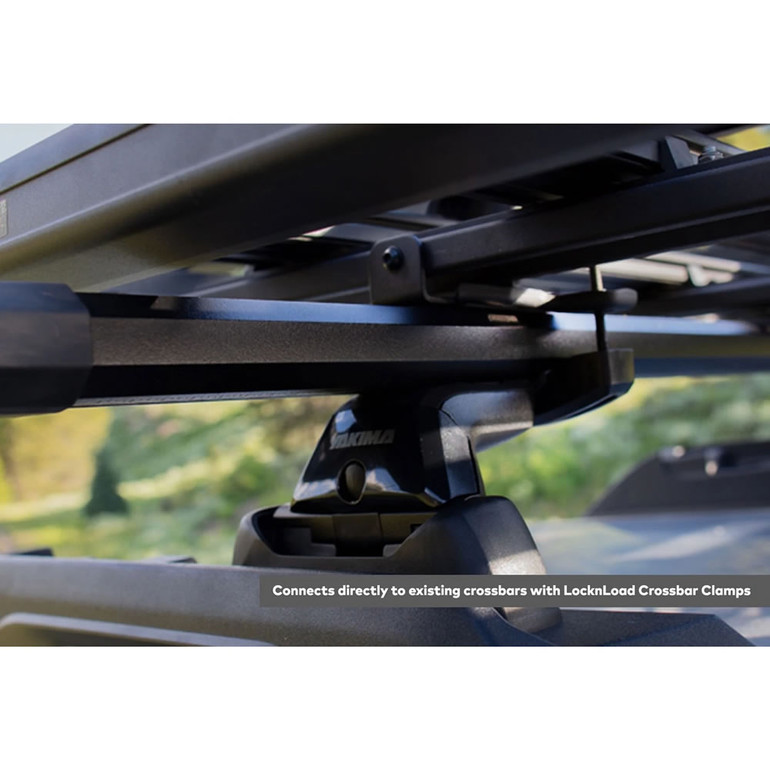
A LockNLoad platform may connect through Yakima towers, crossbars, tracks, or a vehicle-specific mounting system. The exact process depends on the vehicle and platform size.
Yakima’s system can be a good choice for owners who already use Yakima bike racks, kayak carriers, ski mounts, or cargo accessories. Existing parts may reduce the need to buy a completely new accessory system.
Before ordering, confirm:
• Vehicle year, make, and model
• Roof type
• Platform dimensions
• Tower or foot compatibility
• Required crossbars or mounting legs
• Vehicle roof load rating
Rhino-Rack Pioneer installation
The Pioneer platform often uses Rhino-Rack backbone systems, legs, tracks, or vehicle-specific brackets. These parts can create a strong connection between the platform and the vehicle roof.
A backbone system may spread the load across several roof attachment points. This can help support larger platforms and heavier adventure equipment, but it does not override the vehicle’s roof limit.
Check:
• Required backbone or mounting kit
• Drilling requirements
• Platform length and width
• Roof clearance
• Access to doors and sunroofs
• Placement of awnings and recovery gear
Installation advice from real rack planning
A useful lesson from real-world rack planning is to mock up the load before tightening anything. Place your largest box, board, or tent on the floor in the same position you expect to use on the roof.
This simple step reveals problems early. An awning may block a door. A bike mount may interfere with a roof tent. A sunroof may no longer open. Moving parts on the floor is much easier than moving them on top of a vehicle.

Accessory Compatibility
Accessory compatibility can decide the Yakima LockNLoad vs Rhino-Rack Pioneer choice more than platform strength.
Both platforms support many common items. However, the mounting method may differ. Some accessories bolt directly into channels. Others use clamps, brackets, T-bolts, or dedicated mounting plates.
Yakima LockNLoad accessories
The LockNLoad platform works well with many Yakima products and platform-specific mounts. It may also accept selected third-party hardware when the dimensions and mounting method match.
Common uses include:
• Bike carriers
• Kayak mounts
• Ski and snowboard carriers
• Cargo boxes
• Awnings
• Recovery board mounts
• Shovel mounts
• Light brackets
Rhino-Rack Pioneer accessories
The Pioneer platform has a large accessory range for travel and overland use. Rhino-Rack offers mounts for gear that many weekend campers already carry.
Typical accessories include:
• Batwing and side awnings
• Recovery board mounts
• Spare tire carriers
• Shovel and axe holders
• Kayak and bike carriers
• Solar panels
• Roof tent mounts
• Cargo baskets and storage systems
Mixing brands
Mixing accessories can work, but do not assume universal fit. Check the following before buying:
• Channel width
• Bolt size
• Clamp range
• Platform thickness
• Mounting hole pattern
• Accessory weight
• Warranty conditions
The safest route is to use the platform maker’s fit guide. If you use third-party hardware, make sure it clamps evenly and does not damage the platform slats.

Wind Noise, Fuel Use, and Daily Comfort
A platform rack can create more wind noise than a pair of narrow crossbars. The broad surface catches air, especially when the platform sits high above the roof.
The Yakima LockNLoad vs Rhino-Rack Pioneer wind-noise difference is usually smaller than the effect of installation height and added accessories. An empty, low-mounted platform may stay fairly quiet. Add an awning, light bar, shovel, or storage box, and the sound can change quickly.
Factors that affect noise
• Platform height above the roof
• Vehicle roof shape
• Front wind fairing
• Loose or poorly aligned parts
• Awnings and rooftop boxes
• Light bars and recovery boards
• Driving speed
• Crosswinds
Fuel use also changes. A roof platform adds drag, and the effect grows when gear stays on the roof. If you use the vehicle for daily errands, remove bulky accessories when you do not need them.
A practical tip is to record your fuel economy before installation. Compare it with the same route after adding the rack. This gives you a more useful answer than relying on general online estimates.
Durability and Weather Resistance
Both the Yakima LockNLoad and Rhino-Rack Pioneer are designed for outdoor use. Their aluminum construction helps prevent the surface rust that can affect untreated steel.
Still, no roof rack is maintenance-free. Dirt and salt can collect inside channels and around fasteners. Small issues can become serious if you ignore them for months.
Basic care routine
• Wash the platform after beach or salted-road trips
• Check bolts and clamps at regular intervals
• Look for cracked brackets or bent slats
• Inspect mounting feet after rough trails
• Remove trapped dirt from channels
• Check accessory fasteners before each long trip
• Watch for paint damage around contact points
Do not use a damaged platform for heavy loads. A bent slat may look minor, but it can change how force moves through the rack.
Also remember that a rack can outlast its vehicle fit. If you change vehicles, the same platform may need new towers, legs, or backbone parts.
Yakima LockNLoad vs Rhino-Rack Pioneer: Cost and Value
Price comparisons can be misleading because the platform is rarely the full purchase. You may need mounting hardware, a fairing, locks, accessory brackets, and installation.
The Yakima LockNLoad may offer strong value when you already own Yakima equipment. Existing carriers and boxes can lower the cost of moving to a platform system.
The Rhino-Rack Pioneer may offer good value for buyers building an overland setup from the start. Its accessory range can make it easier to create one complete system, but the total cost can rise quickly when you add an awning, recovery mounts, lights, and a roof tent.
Compare the full installed price:
• Platform
• Vehicle mounts
• Locks
• Fairing or wind control parts
• Required accessory brackets
• Professional installation
• Replacement hardware
• Any needed wiring
The cheapest platform is not always the least expensive choice. A system that accepts your current gear may save more over several years than a lower-priced rack that forces you to replace everything.

Which Platform Is Better for You?
The Yakima LockNLoad vs Rhino-Rack Pioneer choice depends on how you use your vehicle.
Choose Yakima LockNLoad if:
• You already own Yakima accessories
• You want a flexible platform for mixed activities
• You use the vehicle for work and recreation
• You prefer a clean, modern appearance
• You want several platform size choices
• You value easy access to a broad Yakima product line
Choose Rhino-Rack Pioneer if:
• You are building an overland or camping setup
• You want many dedicated platform accessories
• You plan to carry an awning, recovery tools, or roof tent
• You prefer a rugged adventure-focused design
• Your vehicle has a well-supported Rhino-Rack backbone system
• You want a platform with a strong outdoor-use reputation
Neither option is a universal winner. A compact crossover used for bikes and weekend boxes may benefit from the LockNLoad. A 4Runner, Land Cruiser, van, or pickup used for long trips may suit the Pioneer, especially when the vehicle has a compatible backbone system.

Common Buying Mistakes to Avoid
Many roof rack problems begin before installation. They often come from choosing parts by appearance instead of checking the complete system.
Avoid these mistakes:
• Buying a platform before checking vehicle fit
• Confusing static capacity with driving capacity
• Ignoring the weight of mounts and accessories
• Assuming all T-slot hardware fits every channel
• Placing heavy gear at one end of the platform
• Leaving loose straps on the roof
• Forgetting clearance for doors and sunroofs
• Installing lights without planning the wiring
• Skipping bolt checks after the first trip
• Assuming a roof tent fits because the platform is wide enough
One useful habit is to keep a small load list in your phone. Record the rack, mounts, box, tent, tools, water, and other heavy items. Update it when you add new equipment.
When in doubt, contact the vehicle maker, rack maker, or an experienced installer. A few minutes of advice can prevent expensive damage.
How to Choose the Right Size
Platform size affects carrying space, weight, wind resistance, and vehicle access. Bigger is not always better.
A platform should support your main gear without extending too far beyond the roof. Excess overhang can increase wind noise and make the rack harder to use.
Use this process:
-
Measure the usable roof area.
-
List your largest items.
-
Add the space needed to open doors and hatches.
-
Check the platform’s exact dimensions.
-
Confirm the vehicle-specific mounting points.
-
Calculate the total loaded weight.
-
Check the manufacturer’s current fit and load charts.
For a daily driver, a smaller platform may be easier to live with. For long camping trips, a larger platform can reduce packing stress. Think of the platform as a small outdoor shelf. It should hold what you need without becoming a permanent pile of gear.
Yakima LockNLoad vs Rhino-Rack Pioneer: Expert Buying Verdict
The Yakima LockNLoad is the better fit for many owners who want flexibility, a polished look, and strong compatibility with an existing Yakima setup.
The Rhino-Rack Pioneer is an excellent choice for drivers who want a rugged, adventure-ready platform with many dedicated overland accessories.
In the Yakima LockNLoad vs Rhino-Rack Pioneer debate, the mounting system matters just as much as the platform. A correct vehicle-specific fit, sensible load plan, and regular inspections are more important than a small difference in appearance or accessory count.
Frequently Asked Questions About Yakima LockNLoad vs Rhino-Rack Pioneer
Is Yakima LockNLoad better than Rhino-Rack Pioneer?
Neither platform is better for every vehicle or driver. LockNLoad often suits owners who want flexible Yakima accessory support, while Pioneer is a strong match for overland and camping builds.
Can I put a roof tent on a Yakima LockNLoad or Rhino-Rack Pioneer?
A roof tent may work with either platform if the vehicle, mounts, platform, and tent meet the required limits. Check both dynamic and static ratings, and include the weight of people and camping gear.
Which platform is quieter, Yakima LockNLoad or Rhino-Rack Pioneer?
Noise depends on platform height, vehicle shape, fairings, and added accessories. An empty, low-mounted platform is usually quieter than one carrying an awning, light bar, boards, or a storage box.
Can I use Yakima accessories on a Rhino-Rack Pioneer?
Some accessories may fit with the correct hardware, but compatibility is not guaranteed. Check channel size, bolt dimensions, clamp range, and the accessory maker’s fit information before installing mixed-brand parts.
Does the Rhino-Rack Pioneer hold more weight than the Yakima LockNLoad?
Load capacity varies by platform size, mounting system, vehicle, and installation method. Always use the lowest applicable rating rather than relying on a general platform rating.
Is the Yakima LockNLoad easier to install?
Installation difficulty depends on the vehicle and mounting kit. A vehicle with existing compatible towers may be simple, while a backbone or track installation can require more time and careful alignment.
Which rack is better for a daily driver?
The Yakima LockNLoad may appeal to daily drivers because of its clean design and flexible accessory options. The Pioneer can also work well, but a large adventure setup may add more weight, noise, and drag than many commuters need.
Do I need to remove the platform when I am not traveling?
You do not always need to remove it, but removing unused accessories can reduce wind noise and fuel use. Regularly inspect the platform and mounts if you leave the rack installed year-round.
Conclusion
The Yakima LockNLoad vs Rhino-Rack Pioneer comparison comes down to fit, use, accessories, and total system cost. LockNLoad is a flexible choice for mixed outdoor use and existing Yakima owners. Pioneer is a rugged option for camping, overlanding, and larger adventure builds.
Before buying, confirm the vehicle fit, platform size, dynamic load limit, static load limit, and accessory compatibility. Build your setup around real gear rather than a catalog photo, then check every fastener before each trip.
Explore the current fit guides and mounting options for your vehicle, and share your own Yakima LockNLoad vs Rhino-Rack Pioneer experience in the comments.