Yakima Vs Rhino-Rack Platform: Which Is Best?
Yakima suits sleek daily use, while Rhino-Rack favors rugged loads and wider adventure-focused setup options.
Choosing between the Yakima vs Rhino-Rack Platform can feel like picking between two strong trail partners. Both brands offer durable aluminum platforms, useful accessories, and vehicle-specific mounting systems. The better choice depends on your vehicle, cargo, budget, noise needs, and how often you leave the pavement.
This guide compares design, weight, fit, installation, accessories, price, and real-world use. It also explains common mistakes so you can buy with confidence instead of learning an expensive lesson in the parking lot.
Yakima vs Rhino-Rack Platform at a Glance
Yakima and Rhino-Rack both make low-profile roof platforms for camping gear, bikes, kayaks, recovery tools, awnings, and cargo boxes. Their systems share the same basic goal: create a strong, flexible base above your vehicle.
The main difference is product style. Yakima’s LockN’Load Platform often feels more polished and road friendly. Rhino-Rack’s Pioneer Platform often feels more modular and ready for demanding outdoor work.
| Feature | Yakima Platform | Rhino-Rack Platform |
|---|---|---|
| Main platform line | LockN’Load Platform | Pioneer Platform |
| Design feel | Clean, refined, low profile | Tough, modular, adventure focused |
| Common user | Daily driver, camper, outdoor traveler | Overlander, work vehicle, frequent off-road user |
| Accessory range | Strong and well integrated | Very broad and highly modular |
| Wind noise | Often quiet with the right fit | Can vary by platform, vehicle, and accessories |
| Installation | Usually clear, but fit depends on the vehicle | Vehicle-specific and sometimes more involved |
| Best buying method | Match platform with approved towers and fit kit | Match platform with backbone, legs, or approved mounting system |
The table gives a useful starting point, but it does not replace the vehicle fit guide. The same platform can perform very differently on a Subaru, Jeep, Ford truck, Toyota SUV, or van.
The Yakima vs Rhino-Rack Platform decision should begin with your vehicle’s roof rating. The roof limit includes the platform, towers, mounts, and cargo. Dynamic weight applies while driving. Static weight applies when the vehicle is parked, such as when using a rooftop tent.
Platform Design and Build Quality
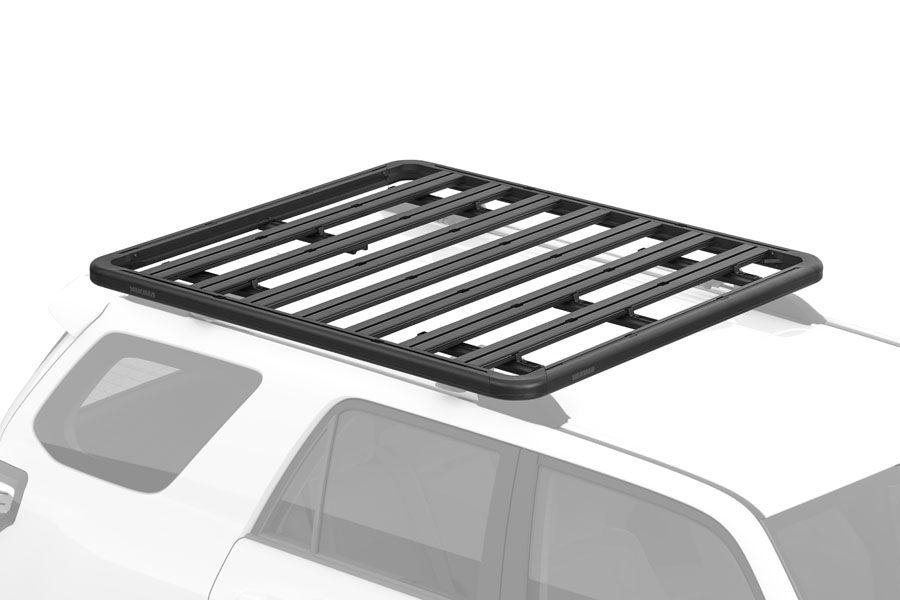
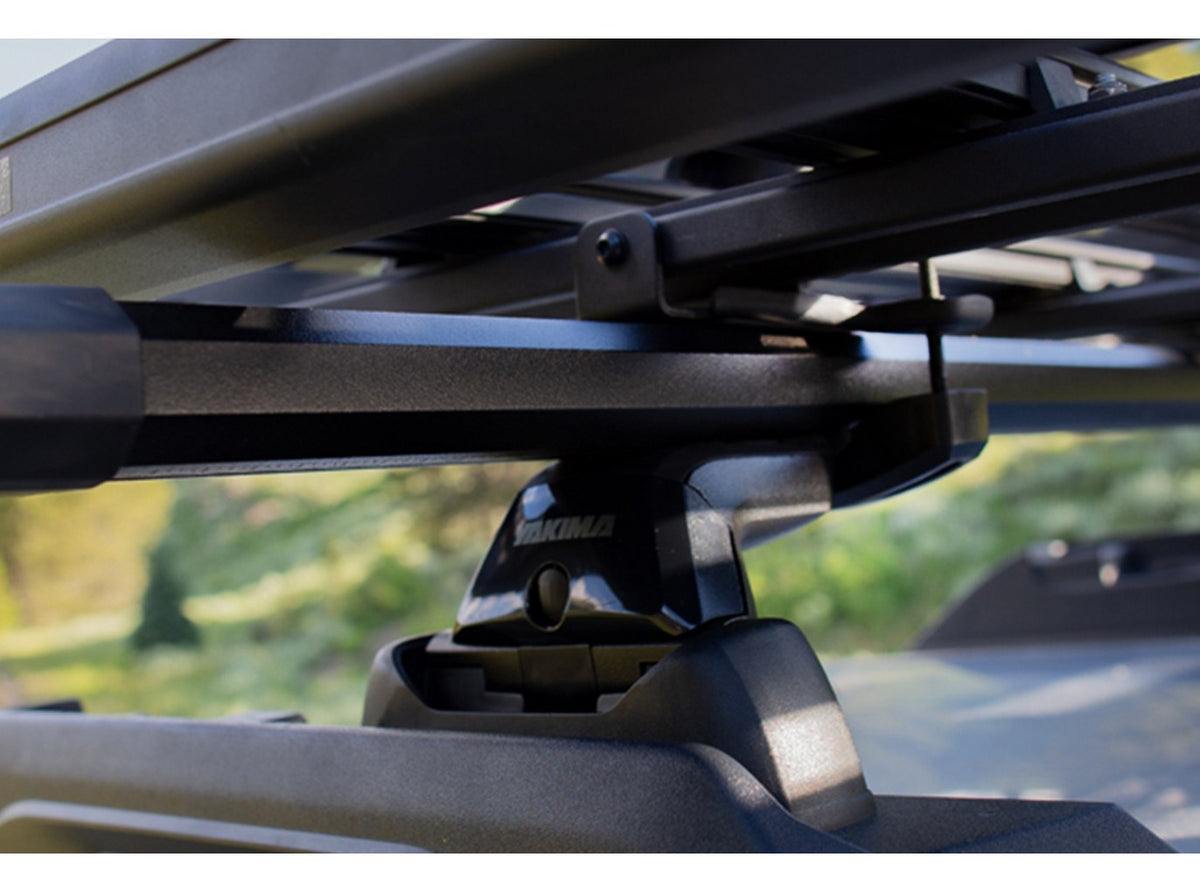
Yakima LockN’Load platforms use aluminum construction with a clean, flat profile. Many models include channels or mounting points that accept dedicated accessories. The design looks at home on a commuter vehicle but can still handle camping and utility work.
Rhino-Rack Pioneer platforms also use aluminum and focus on a strong, open mounting surface. Their slat layout gives users many places to attach brackets, trays, awnings, shovel mounts, and recovery equipment. The finish and hardware are made for outdoor exposure, but care still matters in salty or muddy conditions.
Neither platform is magic. A platform does not increase the roof limit set by the vehicle maker. It also does not remove the need to spread weight correctly. A heavy box placed in one small area can stress the platform, feet, or vehicle roof.
In my experience reviewing roof rack setups, the best platform is the one that matches the full system. A strong deck with the wrong towers is like putting a solid table on loose legs. The deck may be excellent, but the complete setup is not safe or stable.
Which platform feels more rugged?
The Rhino-Rack option often appeals to users who want a work-ready, modular surface. It is common to see Pioneer systems on overland rigs, service vehicles, and utility builds.
Yakima is not fragile. Its platforms can support serious outdoor use when installed within the stated limits. Yakima often wins with a smoother appearance and simpler integration for drivers who use the vehicle every day.

Fit, Mounting, and Vehicle Compatibility
Fit is one of the most important parts of the Yakima vs Rhino-Rack Platform comparison. A platform must match the vehicle’s roof shape, mounting points, roof width, tower system, and clearance needs.
Yakima systems may use towers, landing pads, or vehicle-specific hardware. Some vehicles can use existing raised rails or fixed points. Others need a dedicated fit kit. Rhino-Rack systems may use legs, backbone mounting systems, or vehicle-specific tracks and brackets.
Before ordering, check these details:
• Vehicle year, make, and model
• Roof type, such as bare roof, raised rails, flush rails, or fixed points
• Platform length and width
• Approved mounting feet or towers
• Vehicle roof load limit
• Platform and mount weight
• Sunroof, hatch, antenna, and tailgate clearance
• Rooftop tent approval, if relevant
• Required drilling or permanent hardware
A common mistake is buying the platform first and searching for mounts later. Some sizes may not work with the available feet on a particular vehicle. This can lead to returns, extra parts, or a platform that sits too far forward or too far back.
Measure twice, then follow the current fit guide. Product names and vehicle applications can change. Always use the latest instructions for your exact model year.
Installation: Yakima vs Rhino-Rack Platform
Yakima often has a reputation for user-friendly instructions and a clean installation process. The actual difficulty depends on the vehicle. A platform on raised rails may be simple, while a backbone system on a vehicle roof can take more time.
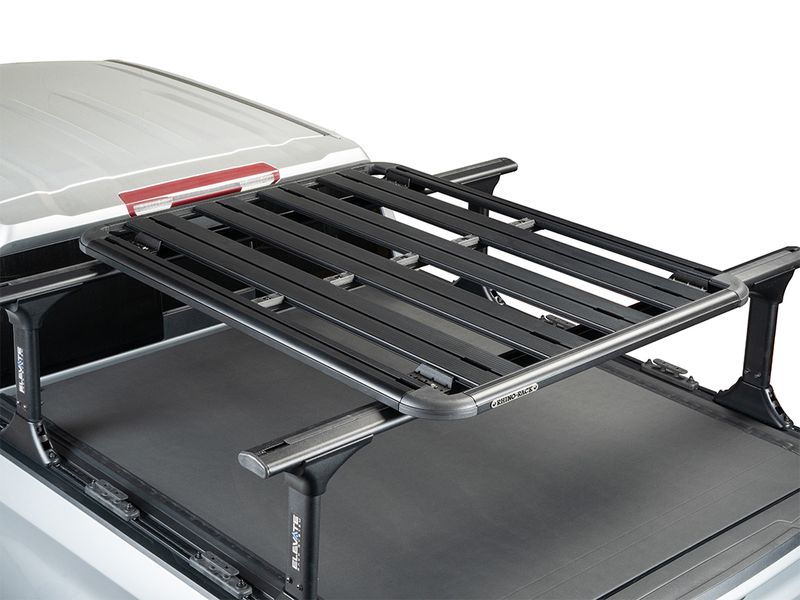
Rhino-Rack installation also depends on the mounting method. A basic leg setup may be straightforward. A backbone or track-mounted system may involve interior trim removal, careful measurement, and more tools.
Set aside extra time for either brand. Do not rush the final tightening stage. A rack that looks level may still have uneven clamp pressure or loose hardware.
A careful installation usually follows this order:
- Read the complete instructions before opening the tools.
- Lay out every part and compare it with the parts list.
- Clean the roof and mounting areas.
- Measure the platform position from both sides.
- Tighten hardware in the listed order.
- Check clearance around the hatch, doors, sunroof, and antenna.
- Recheck all fasteners after a short drive.
- Inspect the system before every long trip.
One lesson I often see in roof rack work is that alignment matters more than speed. If the platform sits slightly crooked, the noise can increase and the load may not rest evenly. A few extra minutes with a tape measure can prevent hours of repair.

Load Capacity and Rooftop Tent Use
Load capacity is a major reason people search for the Yakima vs Rhino-Rack Platform comparison. Yet the platform’s advertised capacity is only one part of the answer.
You must compare four limits:
• Vehicle roof limit
• Platform limit
• Mounting system limit
• Accessory or tent limit
Use the lowest rating as the working limit. For example, if the platform can carry more than the vehicle roof, the vehicle rating still controls the setup.
Dynamic load is the weight allowed while driving. Static load is the weight allowed when parked. A rooftop tent creates a static load that may include the tent, occupants, bedding, and other items inside the tent.
Always confirm that the platform is approved for a tent. Check the tent’s mounting instructions as well. Some tents need specific bar spacing, bracket types, or platform adapters.
Do not assume that a larger platform can carry a larger load. Size adds useful space, but it can also add weight and increase wind exposure. Keep heavy items low, centered, and secured with rated straps or brackets.
In practical use, a lighter platform can be a better choice for a vehicle with a low roof limit. It leaves more capacity for bikes, camping bins, fuel containers, or recovery gear.
Accessory Compatibility and Everyday Use
The Yakima vs Rhino-Rack Platform choice often comes down to accessories. The platform is only the base. Your real setup may include a bike rack, kayak carrier, awning, traction boards, shovel, recovery boards, light brackets, or rooftop box.
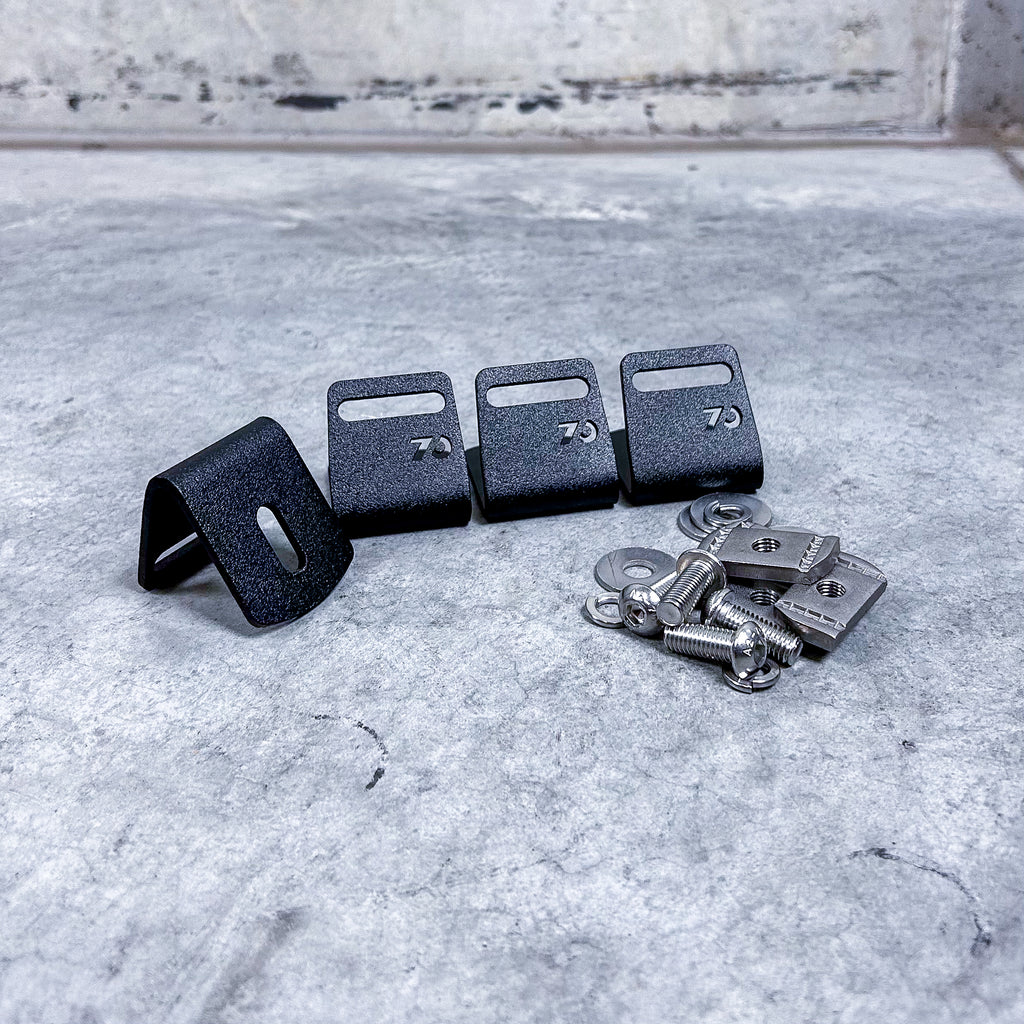
Yakima offers a broad family of carriers and mounting accessories. Its system can be a good fit for users who want a coordinated look and simple brand matching. Some third-party accessories may also work, but you must confirm slot size, clamp clearance, and weight limits.
Rhino-Rack is known for a large range of platform accessories. Its open layout suits users who want to build a custom touring or overland system. The many mounting options can be helpful when gear changes from trip to trip.
However, more mounting choices can create more planning work. Check whether an accessory blocks another item. An awning may interfere with a bike handlebar. A traction board mount may block a side rail. A light bracket may create noise or violate local road rules.
For daily driving, think about how often you will remove the gear. A permanent accessory setup is useful for frequent trips. It can become annoying if you use the roof only a few times each year.
Wind Noise, Fuel Use, and Road Comfort
No roof platform is silent. Wind noise depends on the platform, vehicle shape, speed, crosswinds, fairing, accessories, and mounting position.
A low-profile Yakima platform may suit drivers who care about highway comfort and a clean look. Rhino-Rack can also be quiet, but the result depends heavily on the vehicle and the accessories attached to the platform.
A bare platform may create a light hum. Add an awning, open basket, recovery boards, or loose straps, and the sound can change quickly. Loose straps can also flap against the roof and cause damage.
To reduce noise:
• Use the correct wind fairing if approved for the system.
• Keep straps short and secure.
• Remove unused mounts when possible.
• Check that every cover and end cap is seated.
• Keep the platform centered and level.
• Test the vehicle at several speeds before a long trip.
Fuel use may rise with either system. The increase varies by vehicle and load. A loaded platform usually creates more drag than an empty one, so remove bulky gear when you do not need it.

Which Platform Is Better for Overlanding?
For overlanding, the Rhino-Rack option often stands out because of its modular layout and broad accessory support. Users can mount recovery boards, fuel cans, awnings, storage boxes, and other trail gear in a custom arrangement.
The Yakima platform can also work well for overlanding. It may suit travelers who want a cleaner setup, carry less gear, or use the same vehicle for work and family travel.
Ask yourself how you travel:
• Do you take remote trips several times a year?
• Do you carry bulky recovery or camp gear?
• Do you need an awning and side-mounted accessories?
• Do you want to change the layout often?
• Do you drive long highway distances between trails?
If the vehicle is a dedicated adventure rig, the Rhino-Rack system may offer the flexibility you want. If it is a daily driver with weekend duties, Yakima may provide a better balance.
The best overland rack is not the one with the most accessories. It is the one that carries the gear you truly use without pushing the roof limit or making daily driving unpleasant.

Which Platform Is Better for Daily Driving?
Yakima may be the better match for drivers who value a neat appearance, simple accessory pairing, and a less industrial look. Its platform can blend well with modern SUVs and crossovers.
Rhino-Rack still makes sense for daily use when the vehicle serves as a work truck, service vehicle, or outdoor tool. Its modular design can make frequent gear changes easier.
Think about parking garages and low branches. A platform may add several inches to the vehicle’s height. Add a rooftop tent, box, or kayak, and the height can increase much more.
Write the total height on a card inside the vehicle. Include the platform, mounts, and the tallest load. This simple habit can prevent a painful garage-door mistake.
Price and Long-Term Value
The purchase price of the Yakima vs Rhino-Rack Platform depends on platform size, mounting hardware, fit kit, accessories, and installation. Comparing deck prices alone can produce a misleading result.
A fair budget includes:
• Platform
• Towers, legs, or backbone system
• Vehicle-specific fit kit
• Wind fairing, if needed
• Accessory adapters
• Lock cores or security hardware
• Professional installation, if required
• Replacement hardware and maintenance parts
Yakima may offer strong value for a polished system that needs little customization. Rhino-Rack may offer better value for users who plan to add several platform-mounted accessories over time.
Also consider resale value and support. A popular system with available replacement parts can be easier to maintain. Keep the instructions, spare hardware, and purchase records in a safe place.
Do not choose the lowest initial price if the system cannot accept the gear you plan to add. Buying twice is rarely cheaper.
Yakima vs Rhino-Rack Platform: Pros and Cons
Yakima Platform advantages
• Clean and refined appearance
• Strong fitment support for many vehicles
• Good choice for daily drivers
• Broad accessory ecosystem
• Often simple to integrate with existing Yakima gear
• Suitable for camping, bikes, kayaks, and light utility use
Yakima Platform limitations
• Some vehicle setups require several separate parts
• Platform and accessory costs can add up
• Availability may vary by size and vehicle
• Heavy adventure builds still need careful load planning
Rhino-Rack Platform advantages
• Highly modular mounting surface
• Strong appeal for overland and utility builds
• Wide accessory selection
• Good platform options for custom layouts
• Useful for awnings, recovery gear, and work equipment
Rhino-Rack Platform limitations
• Some installations take more time
• Accessories can increase wind noise and weight
• The rugged look may not suit every daily driver
• Fitment can be complex when combining several parts
The Yakima vs Rhino-Rack Platform winner depends on your use. Neither brand is best for every vehicle or driver.
Common Buying and Installation Mistakes
The most costly mistakes are usually simple ones. They happen when buyers focus on the platform and overlook the complete roof system.
Avoid these errors:
• Ignoring the vehicle’s dynamic roof rating
• Confusing static and dynamic capacity
• Forgetting the weight of the mounts
• Buying the wrong platform length
• Assuming universal hardware will fit
• Placing heavy cargo at one end
• Leaving straps loose in the wind
• Blocking the hatch or sunroof
• Skipping a post-installation inspection
• Using a rooftop tent without checking approval
• Failing to recheck bolts after the first trip
Another common issue is poor cargo balance. Place heavy items near the center and keep them low. Use a rated tie-down system, and make sure the load cannot slide, lift, or contact the roof.
If you hear new sounds after installation, stop and inspect the rack. Noise may be harmless, but it can also point to loose hardware, a missing cover, or a shifting accessory.
How to Choose Between Yakima and Rhino-Rack
Use this simple decision process:
- Start with the vehicle. Confirm the roof type, roof limit, and approved mounting systems.
- List your gear. Include current items and realistic future additions.
- Choose the platform size. Avoid buying a larger deck than you can safely use.
- Calculate total weight. Add the platform, mounts, accessories, and cargo.
- Consider driving habits. Highway commuters may value low noise and a clean profile.
- Consider terrain. Frequent off-road travel may favor a more modular system.
- Check installation needs. Decide whether you can install it safely at home.
- Compare the complete price. Include every required part.
- Verify the latest instructions. Fitment and product details can change.
- Plan the cargo layout. Make sure your accessories will not fight for space.
Choose Yakima when you want a clean, balanced system for daily use and weekend travel. Choose Rhino-Rack when you want a highly adaptable platform for overlanding, utility work, or changing gear layouts.
Frequently Asked Questions About Yakima vs Rhino-Rack Platform
Is Yakima better than Rhino-Rack for a daily driver?
Yakima may be better for a daily driver because its platforms often have a clean look and strong integration with common recreational accessories. Rhino-Rack can also work well, especially when the vehicle needs a more modular or work-focused setup.
Is Rhino-Rack stronger than Yakima?
Neither brand is automatically stronger in every application. Strength depends on the exact platform, mounting system, vehicle roof, fasteners, load placement, and approved weight limits.
Can I use a rooftop tent on a Yakima platform?
Some Yakima platform systems support rooftop tents, but approval depends on the exact model and vehicle fitment. Confirm dynamic and static limits, platform instructions, tent requirements, and mounting hardware before installation.
Can Yakima accessories fit a Rhino-Rack platform?
Some accessories may fit through compatible channels, clamps, or adapters, but compatibility is not universal. Check dimensions, slot design, hardware clearance, and the accessory maker’s instructions before mixing brands.
Which platform is quieter on the highway?
Noise varies by vehicle, platform position, fairing, speed, and accessories. Yakima may offer a quieter experience for some daily-driver setups, but a properly fitted Rhino-Rack system can also be comfortable on the highway.
Does a platform reduce fuel economy?
A roof platform can reduce fuel economy because it adds weight and aerodynamic drag. The effect is usually greater when the platform carries bulky items, open gear, or accessories that catch wind.
Do I need professional installation?
Professional installation is useful when the system requires drilling, backbone mounting, interior trim removal, or complex measurements. A simple setup may be suitable for careful home installation if you follow the instructions exactly.
Conclusion
The Yakima vs Rhino-Rack Platform decision comes down to fit, load needs, accessory plans, and driving style. Yakima is often a strong choice for a clean daily-driver setup with weekend adventure use. Rhino-Rack is often better for modular overland builds, utility vehicles, and owners who want many mounting options.
Start with your vehicle’s roof limit and approved fitment. Then compare the full system, not just the platform price. Choose the platform that carries your real gear safely, fits your daily life, and leaves room for sensible future upgrades.
Check the latest fit guides, plan your cargo layout, and inspect the rack after your first drive. If this guide helped, explore more roof-rack setup advice or share your Yakima and Rhino-Rack experience in the comments.