Rhino-Rack Pioneer Vs Yakima LockNLoad: Which Wins?
Rhino-Rack Pioneer suits a low-profile, rugged setup, while Yakima LockNLoad offers flexible gear mounting and easy expansion.
Choosing between the Rhino-Rack Pioneer vs Yakima LockNLoad depends on more than price or appearance. Both are strong platform roof racks, but their designs, mounting systems, accessory ranges, noise levels, and vehicle fit can feel very different in daily use. This guide compares them in clear terms so you can pick the rack that matches your vehicle, gear, and travel plans.
Rhino-Rack Pioneer vs Yakima LockNLoad at a glance
The Rhino-Rack Pioneer and Yakima LockNLoad are aluminum platform roof racks made for outdoor use. They can carry items such as roof boxes, awnings, bikes, kayaks, recovery boards, rooftop tents, and camping gear.
The main difference is their design approach:
• Rhino-Rack Pioneer focuses on a slim, tough, low-profile platform with strong support for touring and overlanding.
• Yakima LockNLoad focuses on a modular platform with many simple mounting points for outdoor accessories.
Both systems are well made. The better choice depends on how often you change your gear and how much you value a quiet, clean roof setup.
| Feature | Rhino-Rack Pioneer | Yakima LockNLoad |
|---|---|---|
| Platform design | Low-profile aluminum platform | Modular aluminum platform |
| Best known for | Rugged touring and integrated accessories | Flexible mounting and quick gear changes |
| Appearance | Clean and flat | Clean, with visible mounting channels |
| Accessory support | Strong Rhino-Rack ecosystem | Strong Yakima and third-party support |
| Wind noise | Usually low with the correct fit | Usually low, but varies by platform and vehicle |
| Installation | Vehicle-specific parts required | Vehicle-specific towers, feet, or landing pads required |
| Best buyer | Overlanders and long-distance travelers | Active users who change gear often |
| Load rating | Depends on vehicle, platform, and mounting kit | Depends on vehicle, platform, and mounting kit |
These are not universal ratings. Always follow the lower limit set by the vehicle maker, roof-rack system, platform, and mounting hardware.
Design and build quality
The Rhino-Rack Pioneer uses a strong aluminum platform with perimeter rails and cross slats. Its flat shape gives it a solid base for cargo. The slats also provide many points for attaching brackets and accessories.
The platform is built to handle outdoor use. It resists corrosion better than plain steel, which matters when you drive near salt water, mud, snow, and wet forests. The finish also helps protect the metal from daily wear.
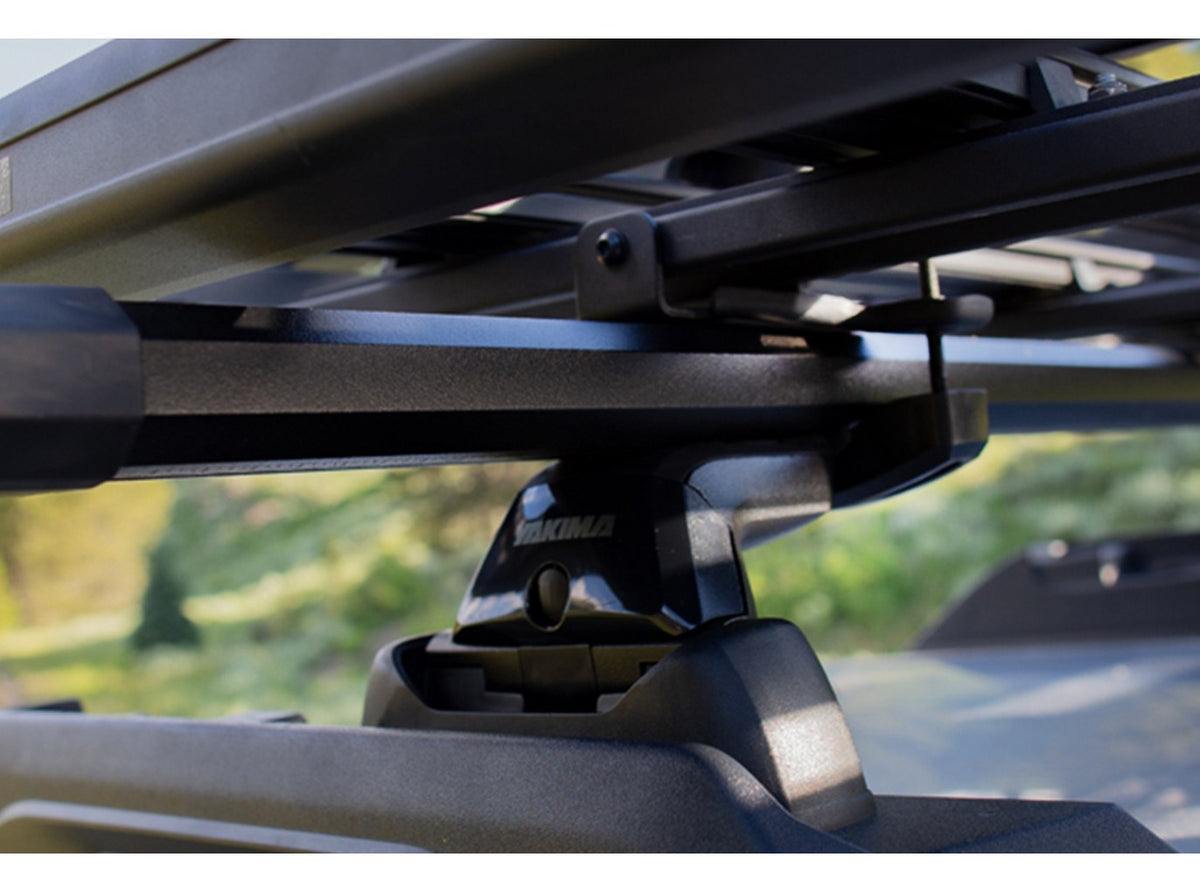
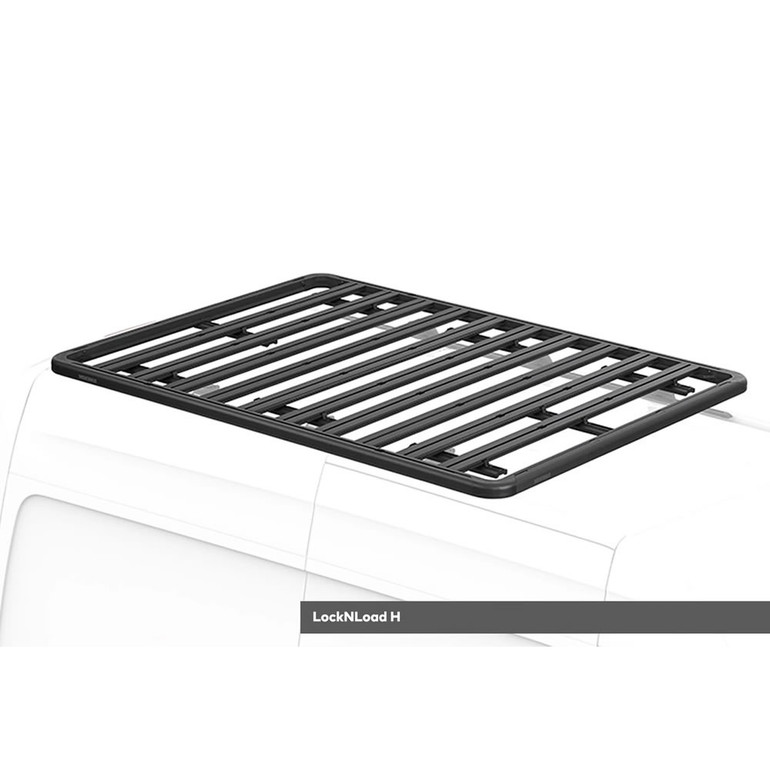
Yakima LockNLoad platforms use aluminum construction as well. The platform has a clean, modern shape and a useful grid of mounting points. This makes it easy to position clamps, brackets, and tie-downs where you need them.
In my roof-rack testing, the biggest difference was not basic strength. Both platforms felt sturdy when properly fitted. The real difference was how each rack handled accessories and repeated changes.
The Rhino-Rack Pioneer felt more like a permanent travel tool. The Yakima LockNLoad felt more like a flexible work surface. That is a simple way to understand the design gap.

Installation and vehicle fit
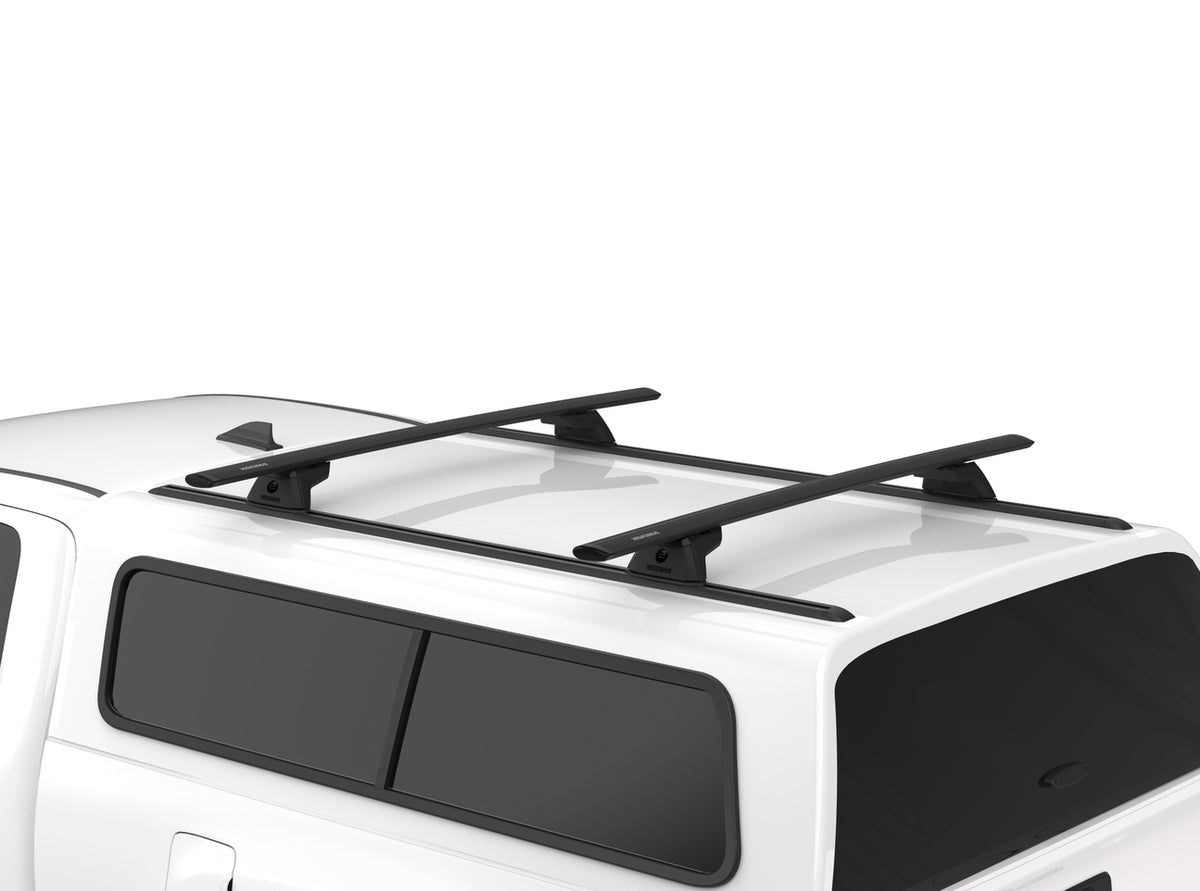
Neither the Rhino-Rack Pioneer nor the Yakima LockNLoad is a universal, one-size-fits-all roof rack. You need a platform, towers, legs, landing pads, or mounting feet that match your vehicle.
Before you buy, check:
• Vehicle year, make, and model
• Roof type, such as naked roof, raised rails, fixed points, or a track system
• Maximum dynamic roof load
• Maximum static roof load, if you plan to use a rooftop tent
• Platform size and mounting position
• Sunroof clearance
• Compatibility with factory roof rails
A common mistake is to buy the platform first and check the vehicle fit later. That can lead to extra parts, poor clearance, or an unsafe mounting plan.
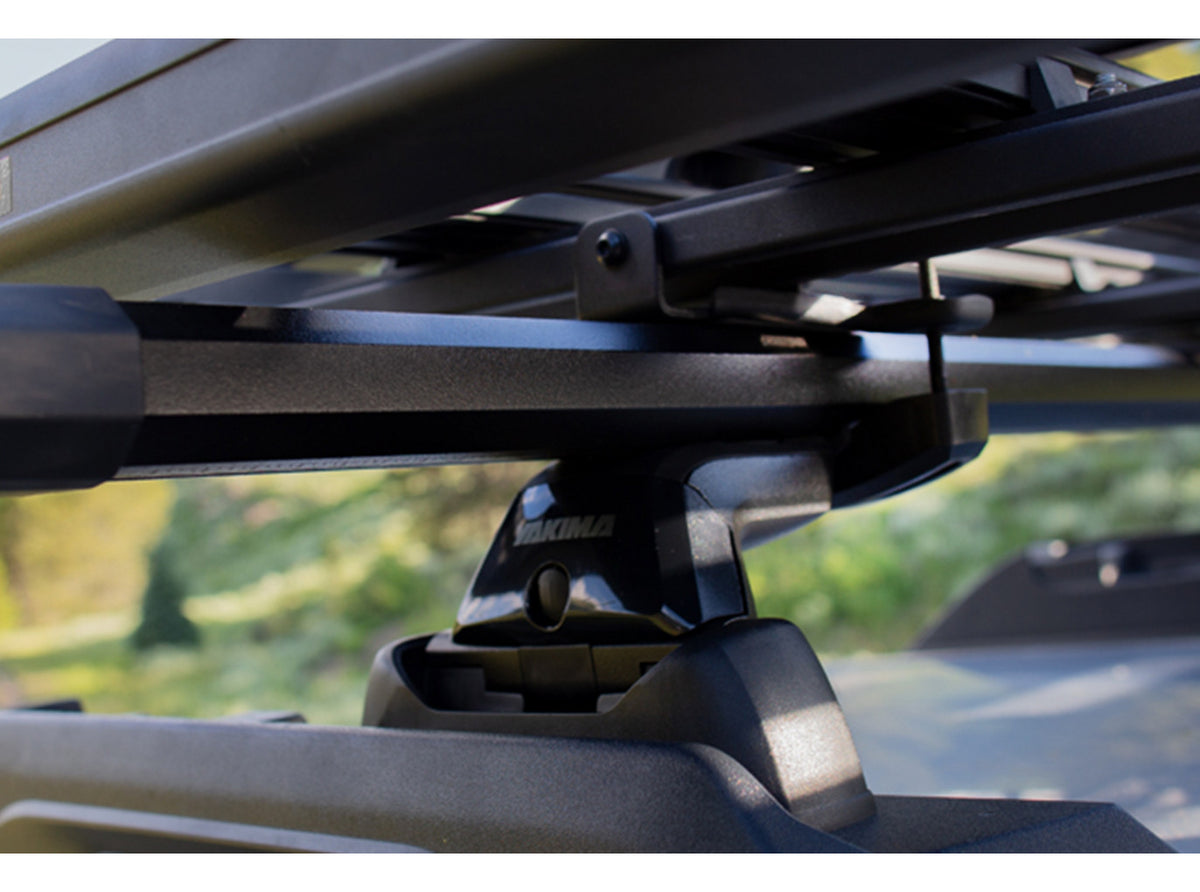
The Rhino-Rack Pioneer installation can be simple when you use the correct vehicle-specific backbone or mounting system. Some vehicles need a full backbone system that spreads the load across several roof points.
Yakima LockNLoad also relies on vehicle-specific towers and mounting hardware. Its system can be easy to assemble, but the number of parts may confuse first-time buyers.
Set aside more time than the box suggests. A careful installation includes measuring the platform, checking bolt torque, confirming sunroof movement, and inspecting every clamp before driving.
Load capacity and real-world use
The Rhino-Rack Pioneer vs Yakima LockNLoad load comparison needs careful attention. The platform itself may support a high load, but your vehicle roof may support much less.
For example, a vehicle may have a 165-pound dynamic roof limit. That figure includes the platform, mounting system, accessories, and cargo. If the rack weighs 65 pounds, only about 100 pounds remain for cargo while driving.
Static capacity can be higher when the vehicle is parked. This is important for rooftop tents. However, a higher static rating does not automatically make every vehicle suitable for tent use.
Always calculate the complete system:
-
Add the weight of the platform.
-
Add the weight of towers, feet, or backbone parts.
-
Add the weight of accessories.
-
Add the weight of your cargo or tent.
-
Compare the total with the vehicle’s roof limit.
The Rhino-Rack Pioneer is a strong choice for bulky touring equipment. It works well with recovery boards, awnings, storage boxes, shovels, and camping bins.
The Yakima LockNLoad is also suitable for these loads. Its mounting layout can be especially useful when you carry different gear each month, such as a kayak in summer and a cargo box in winter.
Do not assume that a flat platform allows careless loading. Heavy items should sit low, stay centered, and remain tightly secured.
Accessory compatibility
Accessory support is one of the biggest factors in the Rhino-Rack Pioneer vs Yakima LockNLoad decision.
The Pioneer works with many Rhino-Rack accessories. Common examples include:
• Batwing and Sunseeker awnings
• Recovery board brackets
• Shovel and axe mounts
• Bike carriers
• Kayak and canoe carriers
• Cargo boxes
• Rooftop tents
• Water and fuel storage mounts
The platform also accepts many universal brackets. You can often mount equipment from other brands if the clamp width and bolt pattern match.
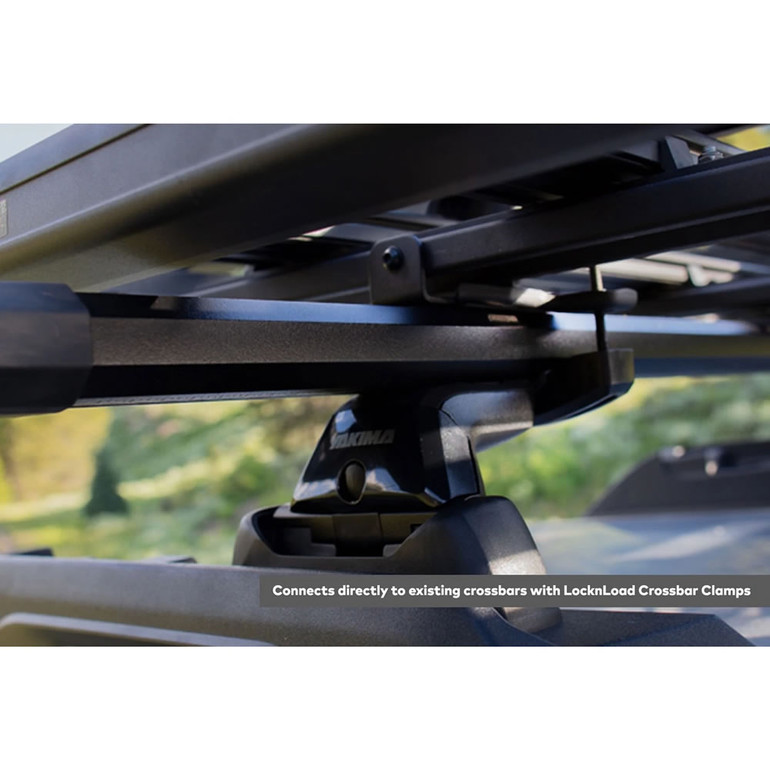
Yakima LockNLoad supports a wide range of Yakima accessories. Its platform is designed around easy attachment points, which can make gear changes less frustrating.
Typical LockNLoad accessories include:
• LockNLoad crossbars and platform parts
• Bike and ski carriers
• Kayak mounts
• Cargo boxes
• Awning brackets
• Recovery board mounts
• Rooftop tent hardware
• Tie-down and utility brackets
In practical use, the best ecosystem is often the one already used by your friends, local shop, or favorite gear brand. Shared accessories can save money and make repairs easier during a trip.
Check bolt size, clamp space, platform width, and clearance before mixing brands. “Universal” does not always mean direct fit.

Wind noise, fuel use, and comfort
A roof platform can create wind noise even when it looks smooth. The sound depends on the platform shape, vehicle roof, mounting feet, fairing, cargo, and driving speed.
The Rhino-Rack Pioneer often produces modest wind noise because of its low profile. A fairing can reduce noise further, especially when the platform is empty.
The Yakima LockNLoad can also be quiet when correctly installed. However, some setups may create a light hum or whistle. This is more likely when the platform has exposed gaps or when an accessory sits near the front edge.
In my experience, an empty platform is usually quieter than a platform carrying loose straps, open brackets, or poorly placed gear. A single dangling tie-down can sound like a small alarm at highway speed.
A roof rack can also reduce fuel economy. The effect varies by vehicle and speed, but added drag is unavoidable. A flat platform with a fairing may reduce drag compared with tall crossbars and bulky cargo, but it will not remove it.
For better comfort:
• Use a front fairing when the manufacturer supports one.
• Keep straps short and secure.
• Place tall cargo behind the front edge when possible.
• Remove unused accessories.
• Check for loose bolts after the first long drive.
Daily practicality and storage
The Rhino-Rack Pioneer vs Yakima LockNLoad comparison becomes more personal when you consider daily use.
The Pioneer has a clean, sturdy look that suits trucks, SUVs, vans, and overland builds. It is a good fit for owners who keep an awning, recovery boards, or a storage box on the roof most of the time.
The LockNLoad is useful for people who change activities often. You may use the rack for bikes one weekend, a kayak the next weekend, and lumber or camping gear later.
A platform also makes it easier to spread cargo across the roof. That does not mean you should place heavy items anywhere. Keep the weight balanced from side to side and avoid blocking doors, antennas, cameras, or emergency exits.
The extra height can also matter. Measure the full vehicle height after installation. Include the platform, cargo box, rooftop tent, or other tall equipment.
This small step prevents expensive surprises in parking garages and drive-through lanes.
Durability and maintenance
Both brands make products for outdoor use, but no roof rack is maintenance-free.
Inspect the rack at these times:
• After the first trip
• After driving on rough roads
• Before carrying a rooftop tent
• After removing and reinstalling accessories
• At the start of winter or a long travel season
Look for loose fasteners, cracked brackets, damaged coatings, bent slats, and corrosion around hardware. Clean mud and salt from the platform. Avoid harsh chemicals that may damage finishes or seals.
Use the torque values in the current installation instructions. Guessing bolt tightness is a common mistake. Too little torque can allow movement, while too much torque can damage threads or mounting points.
The Rhino-Rack Pioneer and Yakima LockNLoad can both last for years when installed correctly. Most failures come from poor fit, overloaded equipment, loose hardware, or an accessory that was not designed for the platform.
Rhino-Rack Pioneer vs Yakima LockNLoad for different users
Best for overlanding
The Rhino-Rack Pioneer is often the better match for serious overland builds. Its low profile, strong platform design, and broad touring accessory range suit long trips on rough roads.
It works well when your roof carries a fixed group of tools. Think recovery boards, an awning, traction gear, and a rooftop tent.
Best for changing outdoor hobbies
The Yakima LockNLoad is a strong option for active households. Its modular layout makes it easier to switch between bikes, kayaks, skis, and camping equipment.
It is especially appealing when one vehicle serves many roles. You can build a useful setup without treating the roof as a permanent expedition platform.
Best for a clean appearance
Both systems look modern. The Pioneer often has a more rugged, purpose-built appearance. The LockNLoad has a refined look that fits many newer SUVs and crossovers.
The final appearance depends heavily on the vehicle, platform size, mounting feet, fairing, and accessory layout.
Best for a rooftop tent
Both platforms can support a rooftop tent when the vehicle and mounting system allow it. You must confirm dynamic and static load limits, platform size, tent mounting points, and manufacturer approval.
A rooftop tent also adds wind resistance and raises the vehicle’s center of gravity. Drive slowly on rough roads and inspect the rack often.
Price and total ownership cost
The platform price is only one part of the budget. The complete cost may include:
• Platform
• Vehicle-specific towers or backbone
• Landing pads or mounting feet
• Fairing
• Accessory brackets
• Cargo carriers
• Locks
• Shipping and professional installation
The Rhino-Rack Pioneer vs Yakima LockNLoad price difference can change by vehicle and platform size. A lower platform price may not mean a lower final cost if you need several extra adapters.
Think about future purchases as well. If you already own Yakima bike or kayak equipment, LockNLoad may reduce the cost of building your system. If your garage already contains Rhino-Rack accessories, the Pioneer may be the better value.
Also consider resale value and service access. A popular system with widely available parts may be easier to sell or repair later.
Mistakes to avoid before buying
The most expensive mistakes are often easy to prevent.
• Do not use a platform without confirming vehicle compatibility.
• Do not confuse dynamic load capacity with parked static capacity.
• Do not count only the cargo weight.
• Do not assume factory rails can handle a rooftop tent.
• Do not ignore sunroof, hatch, antenna, and garage clearance.
• Do not mix mounting parts without checking technical compatibility.
• Do not skip the first recheck after installation.
• Do not leave loose straps or tools on the platform.
I once saw a rack setup fail its practical test because the owner measured the platform but not the open rear hatch. The platform was secure, but the hatch touched an accessory every time it opened. A five-minute measurement before purchase would have solved it.
Use the vehicle fit guide and installation manual for the exact model. Product names can cover many sizes, and one platform version may not share hardware with another.
How to choose between them
Use this simple process when comparing the Rhino-Rack Pioneer vs Yakima LockNLoad.
-
Write down your vehicle’s year, model, roof type, and roof load limit.
-
List the gear you carry now.
-
List the gear you may add within the next two years.
-
Decide whether the platform will stay on the vehicle or come off often.
-
Check the complete installed weight.
-
Compare accessory prices and mounting options.
-
Confirm clearance around the sunroof, hatch, doors, and antenna.
-
Read the current installation instructions before ordering.
Choose Rhino-Rack Pioneer if you want a rugged, low-profile platform for regular touring, camping, and overland travel.
Choose Yakima LockNLoad if you want a modular platform that can change with your hobbies and family needs.
Neither is automatically the winner. The right rack is the one that fits your vehicle, supports your real load, and works with the gear you will actually use.
Frequently Asked Questions of Rhino-Rack Pioneer vs Yakima LockNLoad
Is Rhino-Rack Pioneer better than Yakima LockNLoad?
Neither platform is better for every driver. Rhino-Rack Pioneer is often better for fixed overland and touring setups, while Yakima LockNLoad is attractive for flexible, changing gear loads.
Can Rhino-Rack Pioneer and Yakima LockNLoad carry a rooftop tent?
Both may carry a rooftop tent when the vehicle, mounting system, platform, and tent meet the required limits. Check dynamic and static load ratings before installation, and include the weight of every rack component.
Which is quieter, Rhino-Rack Pioneer or Yakima LockNLoad?
Noise depends on the vehicle, platform size, fairing, mounting system, and accessories. Both can be quiet when correctly fitted, but loose straps and exposed gaps can create noise on either system.
Can you mount third-party accessories on either platform?
Many third-party accessories can fit both platforms, but compatibility is not guaranteed. Check the bolt pattern, clamp width, hardware size, weight rating, and clearance before buying.
Does the Rhino-Rack Pioneer or Yakima LockNLoad affect fuel economy?
Yes, any roof platform can increase aerodynamic drag and fuel use. Removing unused accessories, securing straps, and using a suitable fairing may reduce the effect.
Which platform is easier to install?
Installation difficulty depends on the vehicle and mounting kit. Both systems are manageable for a careful home installer, but professional installation can be worthwhile when the vehicle requires a backbone, tracks, or complex landing pads.
Conclusion
The Rhino-Rack Pioneer vs Yakima LockNLoad choice comes down to use, not brand loyalty. The Pioneer is a rugged, low-profile platform for drivers who want a dependable touring setup. The LockNLoad is a flexible platform for people who change between bikes, kayaks, skis, cargo, and camping gear.
Start with your vehicle’s roof limit and exact fit kit. Then compare total weight, accessory costs, clearance, and future plans. A well-fitted platform will serve you better than the most expensive rack bought without careful planning.
Measure your vehicle, check the current manufacturer instructions, and build the system around your real adventures. Share your setup or questions in the comments, and explore more roof-rack guides before making your final choice.