Thule Caprock Vs Rhino-Rack Pioneer: Which Is Best?
Thule Caprock suits sleek, modular travel, while Rhino-Rack Pioneer favors rugged, proven load-carrying strength.
Choosing between the Thule Caprock vs Rhino-Rack Pioneer is not only about looks. It is about roof load limits, mounting systems, daily use, wind noise, gear type, and long-term value. After comparing platform racks for road trips, work gear, bikes, awnings, and camping equipment, I found that each rack fits a different kind of owner. This guide explains the key differences so you can make a safe, practical choice.
Thule Caprock vs Rhino-Rack Pioneer: Main Differences
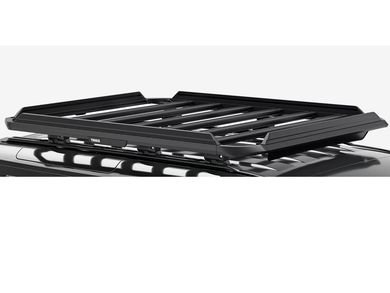
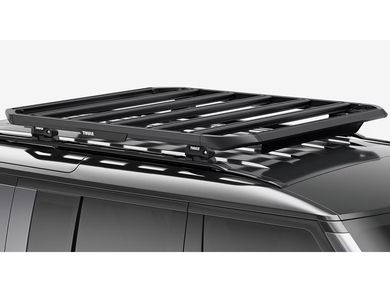
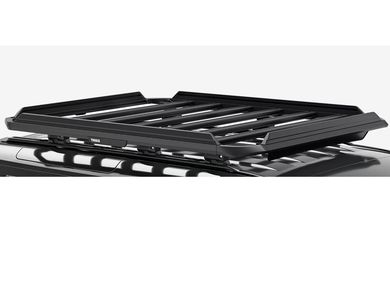
The Thule Caprock and Rhino-Rack Pioneer are both low-profile roof platforms. They create a wide, flat base for mounting cargo boxes, recovery gear, awnings, bicycles, kayaks, and camping equipment.
The biggest difference is design direction:
• The Thule Caprock focuses on clean styling, easy integration, and flexible mounting.
• The Rhino-Rack Pioneer focuses on rugged use, broad accessory support, and heavy-duty touring.
Both brands offer different sizes and mounting kits. Your vehicle, roof type, dynamic roof rating, and chosen legs or backbone system can change the final result.
| Feature | Thule Caprock | Rhino-Rack Pioneer |
|---|---|---|
| Main focus | Sleek design and modular use | Rugged touring and work use |
| Platform style | Low-profile aluminum platform | Low-profile alloy platform |
| Best for | Daily drivers, travel, light overlanding | Overlanding, trades, and frequent hauling |
| Accessory support | Strong Thule ecosystem | Very broad Rhino-Rack ecosystem |
| Appearance | Smooth and refined | Tough and utility-focused |
| Installation | Often simple with the correct Thule kit | Depends on crossbars, legs, or vehicle backbone |
| Load rating | Depends on vehicle and mounting system | Depends on vehicle and mounting system |
| Ideal buyer | Wants one refined roof system | Wants a hard-use platform system |
The Thule Caprock vs Rhino-Rack Pioneer decision becomes easier when you focus on use rather than brand loyalty. A commuter who takes two camping trips each year may value quietness and appearance. A person who carries tools, fuel cans, recovery boards, and an awning every weekend may value accessory strength and proven field support.

Platform Design and Build Quality
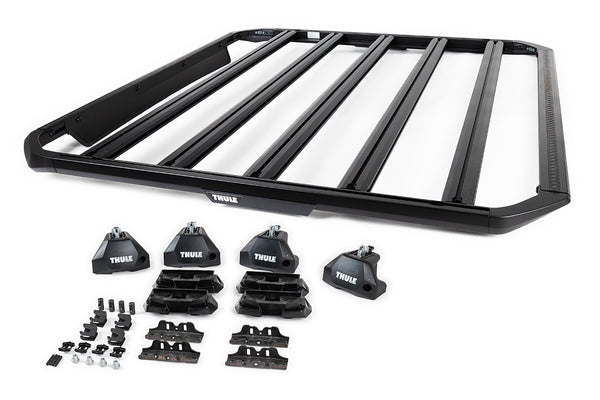
The Thule Caprock uses an aluminum platform with a modern, open design. Its flat surface helps spread gear across the roof. The platform also supports several mounting points, which makes it useful for changing layouts over time.
The Rhino-Rack Pioneer is also built around a strong aluminum platform. Its design is well known among overlanding users, tradespeople, and fleet owners. The platform uses a practical rail and slat layout that supports many Rhino-Rack accessories.
Neither platform should be judged by appearance alone. A roof rack is only as strong as its weakest part. That part may be the platform, the mounting feet, the vehicle roof, or the mounting points inside the vehicle.
Materials and corrosion resistance
Both systems use aluminum in key platform parts. Aluminum helps reduce weight and resists rust better than plain steel. Still, bolts, brackets, hinges, and other hardware may use different metals or coatings.
Salt, mud, and dust can damage any roof system over time. Rinse the rack after beach trips and inspect the fasteners during routine service. A quick wash can prevent small issues from becoming expensive repairs.
Strength in daily use
The Rhino-Rack Pioneer often feels more ready for hard use. Its broad accessory range and strong reputation make it a common choice for long trips and work vehicles.
The Thule Caprock feels more refined. It suits drivers who want a platform that looks at home on a modern SUV, crossover, or pickup. It can still carry useful gear, but owners must follow the exact load limit for their vehicle and kit.
In my experience comparing roof platforms, people often make one mistake: they buy the largest rack they can fit. A large platform can add weight, wind noise, and temptation to overload the roof. The best platform is usually the smallest one that safely supports your real gear.
Installation and Vehicle Compatibility
Installation is one of the most important parts of the Thule Caprock vs Rhino-Rack Pioneer comparison. A platform may fit the vehicle, but the mounting method determines how stable and useful it will be.
The Thule Caprock may attach to compatible Thule crossbars or another approved mounting setup. This can appeal to owners who already use Thule roof equipment. The system may also be easier to match with existing boxes, bike racks, and ski carriers.
The Rhino-Rack Pioneer can use crossbars, dedicated legs, or a vehicle-specific Backbone system, depending on the vehicle. A Backbone-style setup can provide a strong base because it transfers force to reinforced mounting points in the vehicle roof area.
Before buying, check these details:
• Vehicle year, make, and model
• Roof type, including bare roof, raised rails, flush rails, or fixed points
• Vehicle-specific mounting kit
• Platform dimensions
• Dynamic roof load rating
• Static roof load rating, if you plan to sleep on the platform
• Sunroof and antenna clearance
• Tailgate and rear hatch movement
• Compatibility with your awning or tent
Crossbar installation versus a dedicated backbone
Crossbar-mounted platforms are often easier to remove. This helps if you use the vehicle for work during the week and recreation on weekends.
A dedicated backbone system may provide a cleaner and more permanent installation. However, it can cost more and may require more time to fit. Some owners also prefer not to drill or alter the vehicle.
Always follow the installation guide for your exact kit. General platform advice cannot replace vehicle-specific instructions.
A lesson from real installations
One setup mistake I have seen more than once is placing the platform too far forward. It may look balanced, but it can interfere with a sunroof, roof antenna, or hatch. Measure the open doors and hatch before tightening every bolt.
Another common mistake is skipping a torque check. Roof rack hardware can settle after the first few drives. Recheck the fasteners after installation and again after a long trip.

Weight Capacity and Safety
The Thule Caprock vs Rhino-Rack Pioneer comparison must include load limits. A rack’s advertised capacity does not always mean your vehicle can carry that much.
You need to consider three limits:
• Vehicle roof rating: The maximum load allowed by the vehicle maker.
• Rack system rating: The maximum load allowed by the rack and mounting kit.
• Accessory rating: The maximum load allowed by the box, awning, tent, or carrier.
The lowest limit wins.
For example, if a platform can carry more than your SUV roof, the SUV roof limit controls the setup. If your vehicle allows more weight than the mounting kit, the kit limit controls the setup.
Dynamic and static loads
Dynamic load means the weight carried while driving. This includes the platform, mounting hardware, and all gear.
Static load means the weight supported while the vehicle is parked. This matters when using a rooftop tent. Static capacity can be higher than dynamic capacity, but you must confirm the exact limits for your vehicle and rack system.
Do not treat a high static rating as permission to overload the roof while driving. A tent, bedding, and people can create a large total load.
Safe loading tips
-
Weigh the platform and mounting system before adding cargo.
-
Keep heavy items low and near the strongest mounting points.
-
Spread the load across the platform.
-
Secure every item with rated straps or approved hardware.
-
Check the load after the first short drive.
-
Recheck bolts, straps, and brackets during long trips.
-
Reduce speed in strong wind, rough terrain, and sudden turns.
A roof rack changes the vehicle’s center of gravity. Even a well-built platform can affect braking, cornering, and fuel use when heavily loaded.

Accessory Compatibility
Accessory support is a major reason people compare the Thule Caprock vs Rhino-Rack Pioneer. A platform is useful because of what you can mount to it.
The Thule Caprock works well for owners already invested in Thule products. It can support common travel accessories such as cargo boxes, bike carriers, ski carriers, and awnings when the correct adapters are used.
The Rhino-Rack Pioneer has a large accessory ecosystem. It is popular with users who want shovel mounts, recovery board brackets, awnings, spare tire carriers, jerry can holders, light brackets, and other overlanding equipment.
Before buying an accessory, check more than the brand name. Confirm:
• Mounting channel or rail size
• Bolt and nut type
• Weight rating
• Required adapter
• Platform clearance
• Door and hatch clearance
• Warranty conditions
Which system is better for an awning?
Both can support an awning with the proper brackets. The important issue is not only the platform. The bracket must match the platform, and the vehicle roof must support the total load.
For a large awning, a dedicated mounting kit can reduce movement. Avoid improvised brackets that place twisting force on a single slat or crossbar.
Which system is better for recovery gear?
The Rhino-Rack Pioneer often has an advantage for bulky recovery equipment because of its broad range of purpose-built mounts. It is a natural choice for users who carry traction boards, shovels, fuel containers, and recovery tools.
The Thule Caprock can still carry this type of gear with suitable mounts. It may appeal more to owners who want a clean platform that can change from travel use to light adventure use.
Noise, Fuel Economy, and Driving Comfort
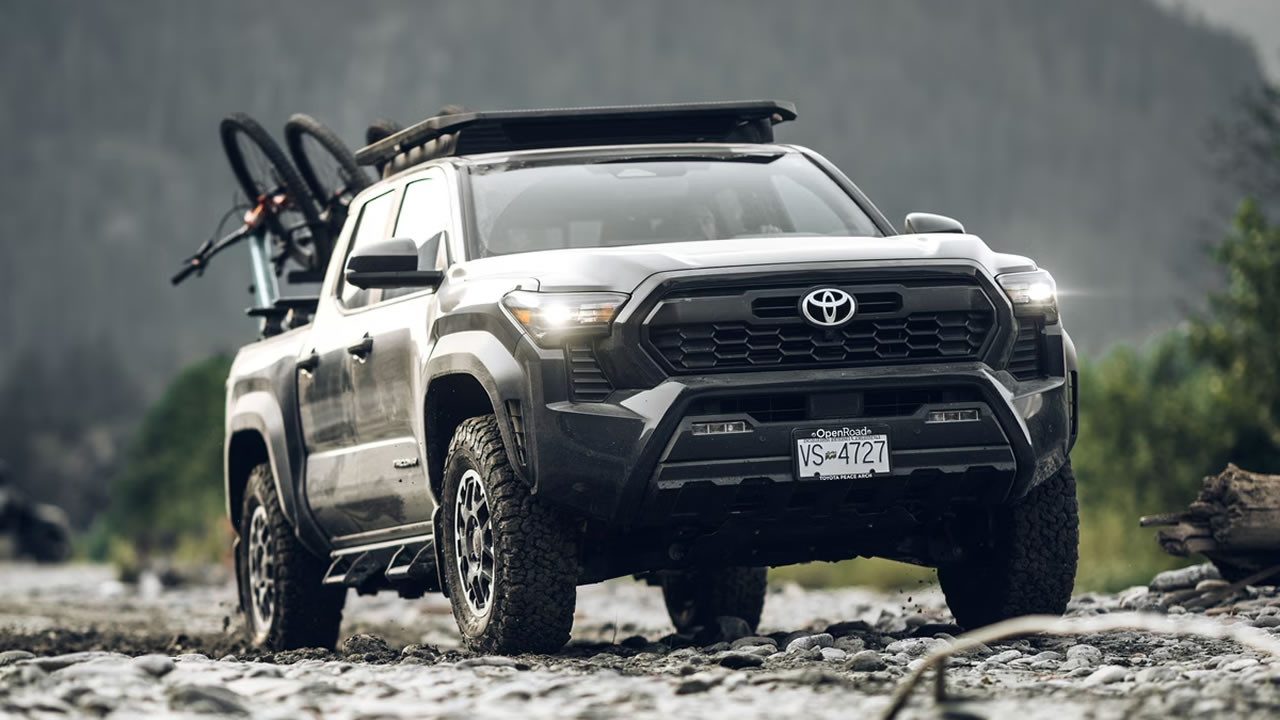
No roof platform is silent. Wind flows over the platform, hardware, cargo, and accessories. The final noise level depends on platform size, vehicle shape, speed, crossbars, fairings, and mounted gear.
The Thule Caprock may suit drivers who care about a smooth, quiet daily commute. Its clean form can look less aggressive on a city vehicle.
The Rhino-Rack Pioneer may create a tougher visual and sound profile, especially with multiple accessories mounted. A fairing, careful hardware placement, and correct installation can help reduce wind noise.
Both systems can affect fuel economy. The impact may be small with an empty platform, but it can grow with a tent, basket, box, awning, or tall cargo.
To reduce noise and drag:
• Remove unused accessories when possible.
• Use a wind fairing made for the system.
• Keep straps tight and loose ends secured.
• Place bulky items behind the front edge when practical.
• Inspect the rack for loose covers or damaged hardware.
I once compared an empty platform with the same platform carrying an awning and recovery boards. The loaded setup was far louder. That result is normal. Most wind noise comes from the complete setup, not only the platform.
Thule Caprock vs Rhino-Rack Pioneer for Different Users
The right choice depends on your routine. Here is how I would separate the buyers.
Choose the Thule Caprock if:
• You want a clean, modern look.
• You already own Thule roof accessories.
• You drive the vehicle every day.
• You need a flexible platform for bikes, boxes, skis, or light camping gear.
• You prefer a refined system with a strong consumer accessory network.
• You remove or change roof gear often.
The Thule Caprock is a strong match for a crossover, family SUV, or pickup used for both city driving and weekend travel.
Choose the Rhino-Rack Pioneer if:
• You plan frequent overlanding trips.
• You carry recovery gear or work equipment.
• You want many mounting options.
• You need a platform that supports a large accessory ecosystem.
• You value a rugged appearance and practical layout.
• You may add an awning, tent, lighting, or storage mounts later.
The Rhino-Rack Pioneer is often the better fit for a dedicated adventure or work vehicle.
Which is better for a rooftop tent?
The answer depends on the vehicle and mounting kit, not just the brand. Confirm both dynamic and static load ratings, platform size, tent mounting points, and the tent maker’s requirements.
A dedicated backbone system may offer a stronger installation on some vehicles. A crossbar-based platform may be better for owners who want easy removal. Always check the exact vehicle application before ordering.

Price, Value, and Long-Term Ownership
The Thule Caprock vs Rhino-Rack Pioneer price can vary widely. Platform size, legs, brackets, backbone systems, fairings, and accessories can change the total cost.
The cheapest platform is not always the best value. A low-priced setup may need several adapters before it can carry your gear. A more expensive setup may include a better mounting solution or support accessories you already own.
Think about the complete system cost:
• Platform
• Legs or crossbars
• Vehicle-specific brackets
• Fairing
• Awning brackets
• Cargo mounts
• Locking hardware
• Installation tools
• Replacement fasteners
The Rhino-Rack Pioneer may offer strong value for an owner who plans to build a full overlanding setup. The Thule Caprock may offer better value for someone who wants one platform for several types of travel gear.
Check warranty terms and replacement part availability. A rack can last for years, but small parts may need replacement after rough use, corrosion, or accidents.
Pros and Cons at a Glance
Thule Caprock advantages
• Sleek and modern appearance
• Good match for Thule accessories
• Flexible platform design
• Strong fit for daily drivers and weekend travel
• Can support many common roof rack uses
Thule Caprock limitations
• Total cost can rise with adapters and accessories
• Heavy overlanding builds require careful compatibility checks
• Vehicle load limits may restrict its full potential
• Not every accessory mounts directly without an adapter
Rhino-Rack Pioneer advantages
• Rugged platform design
• Large range of adventure and work accessories
• Strong reputation among overlanding users
• Good support for modular gear layouts
• Suitable for demanding travel when correctly installed
Rhino-Rack Pioneer limitations
• May look less subtle on a city vehicle
• Full setups can become expensive and heavy
• More accessories can increase wind noise
• Installation varies greatly by vehicle and mounting system
The Thule Caprock vs Rhino-Rack Pioneer choice has no universal winner. The better option is the one that matches your roof rating, gear, driving habits, and future plans.
Buying Checklist
Use this checklist before placing an order:
-
Find your vehicle’s roof load rating in the owner’s manual.
-
Select the exact rack kit for your vehicle year and roof style.
-
Measure the roof and check hatch clearance.
-
Add the weight of the platform and mounting hardware.
-
List every accessory you plan to use.
-
Confirm accessory and adapter compatibility.
-
Decide whether you need crossbars or a permanent backbone system.
-
Check the tent’s mounting and load requirements if applicable.
-
Review warranty and replacement part support.
-
Plan where heavy gear will sit on the platform.
This process prevents one of the most expensive rack mistakes: buying the platform first and discovering that the legs, awning, or tent do not fit.
Frequently Asked Questions About Thule Caprock vs Rhino-Rack Pioneer
Is Thule Caprock better than Rhino-Rack Pioneer?
Neither platform is best for every driver. Thule Caprock is often better for clean design, daily use, and Thule accessory integration, while Rhino-Rack Pioneer is often better for rugged touring and a wide range of adventure mounts.
Is Rhino-Rack Pioneer stronger than Thule Caprock?
Both can be strong when matched with the correct vehicle-specific mounting system. The real limit comes from the vehicle roof, platform kit, mounting points, and accessory rating, so compare the complete system rather than the platform alone.
Can I mount a rooftop tent on Thule Caprock or Rhino-Rack Pioneer?
A rooftop tent may fit either platform if the vehicle, rack, and tent meet the required dynamic and static load ratings. Confirm the exact platform dimensions, mounting brackets, and vehicle instructions before installation.
Which rack is quieter, Thule Caprock or Rhino-Rack Pioneer?
Noise depends on the vehicle, platform size, fairing, speed, and accessories. Thule Caprock may feel more refined for daily driving, but either system can become loud when loaded with an awning, boards, boxes, or other bulky gear.
Which rack is easier to install?
Installation depends on the vehicle and mounting method. A crossbar-based system may be simpler to remove, while a dedicated Rhino-Rack Backbone or similar permanent system can require more time but provide a strong, clean foundation.
Can Thule accessories fit a Rhino-Rack Pioneer?
Some accessories may fit with the correct adapter, but compatibility is not automatic. Check the accessory instructions, mounting channel dimensions, bolt type, clearance, and weight rating before mixing brands.
Can Rhino-Rack accessories fit Thule Caprock?
Some Rhino-Rack accessories may work with Thule Caprock through compatible hardware or adapters. Do not force a mount into a channel or drill the platform without confirming that the change is safe and allowed.
Conclusion
The Thule Caprock vs Rhino-Rack Pioneer comparison comes down to two clear paths. Choose Thule Caprock for a refined, flexible platform that suits daily driving, family travel, and light adventure. Choose Rhino-Rack Pioneer for a rugged, expandable system built around overlanding, work gear, and frequent outdoor use.
Before you buy, check your vehicle’s roof rating, mounting kit, accessory needs, and total system weight. Build the rack around the gear you truly carry, not the gear you may buy someday. Compare the exact vehicle kits, measure your roof, and choose the platform that will make every trip easier.