Curt Vs Reese Roof Basket: Which Roof Basket Wins?
Curt usually offers a sturdier, more refined basket, while Reese often wins on value and simple cargo use.
Choosing between a Curt vs Reese Roof Basket is not only about price. The better pick depends on basket size, steel quality, weight limits, wind noise, assembly, and how often you carry bulky gear. After comparing their common cargo baskets and the needs of everyday drivers, this guide will help you choose with confidence.
Curt vs Reese Roof Basket: At a Glance
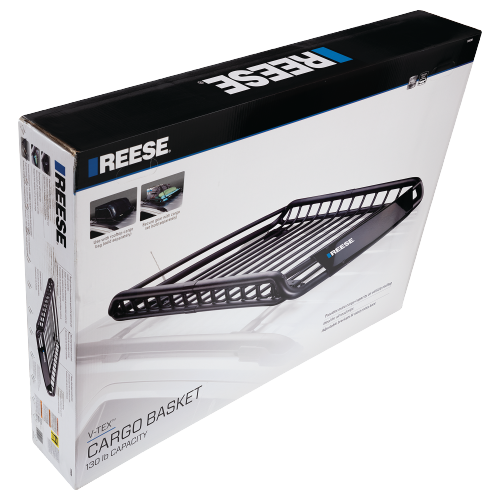
Curt and Reese both make hitch and towing products, including roof cargo baskets sold through major automotive retailers. Their baskets are designed to carry items such as coolers, camping bags, luggage, sports gear, and storage bins above the vehicle roof.
The Curt vs Reese Roof Basket comparison is close because both brands offer practical steel baskets at reasonable prices. Still, they may differ in finish quality, mounting hardware, basket shape, accessories, and available sizes.
| Feature | Curt Roof Basket | Reese Roof Basket |
|---|---|---|
| Best known for | Strong construction and polished fit | Good value and simple utility |
| Typical material | Powder-coated steel | Powder-coated steel |
| Common use | Frequent travel and outdoor trips | Occasional trips and budget builds |
| Mounting style | Usually U-bolts or clamp hardware | Usually U-bolts or clamp hardware |
| Cargo protection | Often includes a raised steel rail | Usually includes a raised steel rail |
| Price position | Mid-range to upper mid-range | Often budget-friendly |
| Main concern | Can cost more | Hardware and fit may feel less refined |
Product details vary by model and production year. Always check the exact manual, rated load, basket dimensions, crossbar spacing, and vehicle limits before buying.
Construction and Materials
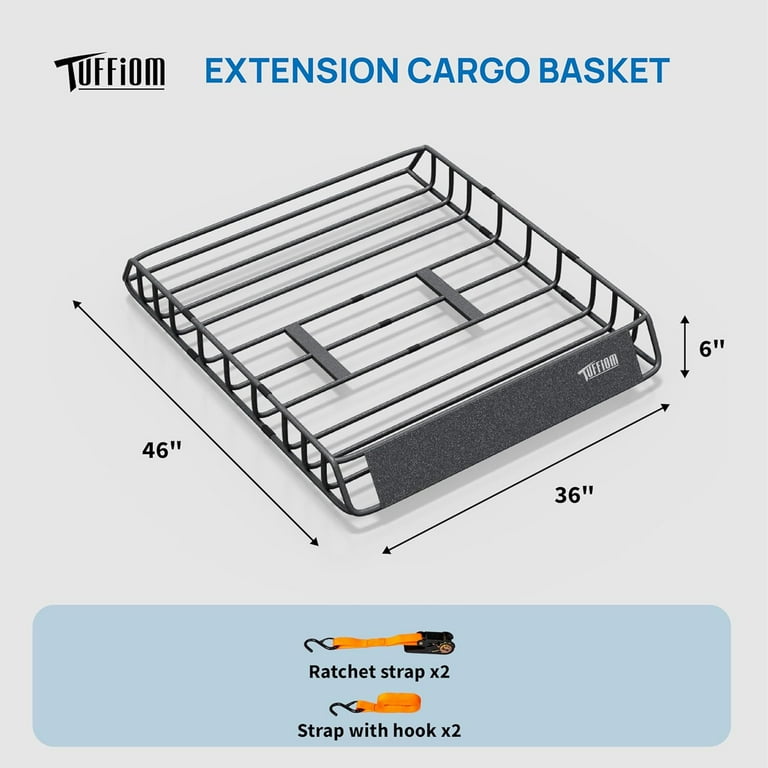
Most Curt and Reese roof baskets use welded steel with a black powder-coated finish. Steel gives the basket good strength and resists damage from hard-sided bins, coolers, and camping tools.
A powder coat is more than a color. It helps protect the metal from water, road salt, and light scratches. However, no coating lasts forever. Chips from stones or loose cargo can expose bare steel, especially around welds and mounting points.
In the Curt vs Reese Roof Basket matchup, Curt commonly feels more substantial on models aimed at regular outdoor use. Reese baskets can still perform well, but some models may use lighter hardware or a simpler rail design.
The important point is not brand name alone. Inspect these areas:
• Welds should look even and complete.
• Tubing should not feel thin or twist under hand pressure.
• The finish should cover corners and weld areas.
• Mounting plates should sit flat on the crossbars.
• Nuts, bolts, and U-bolts should match the basket hardware.
A strong basket cannot fix a weak roof rack. The crossbars, towers, and vehicle roof must also support the load.
Size and Cargo Capacity
Roof basket size affects both useful cargo space and driving behavior. A longer basket may hold camping chairs, duffel bags, and large storage boxes. A shorter basket may work better on a compact SUV or sedan.
Many roof baskets in this class are around 50 to 64 inches long and 35 to 40 inches wide. Exact dimensions differ, so measure your crossbars and roof before ordering.
A larger basket is not always better. It may:
• Extend over the windshield or hatch.
• Increase wind noise.
• Make loading harder.
• Add more air resistance.
• Reduce clearance in a garage.
The Curt vs Reese Roof Basket choice should match your real cargo. For example, a family that carries two coolers and several soft bags may need a wide basket. A driver who carries only one duffel bag may prefer a smaller, lighter model.
Most roof baskets list a maximum load near 150 pounds, 300 pounds, or more. This number is only one part of the safety picture. Your vehicle roof and crossbars may have a lower dynamic load rating.
Use the lowest rating among:
-
The basket.
-
The crossbars.
-
The roof rack feet.
-
The vehicle roof.
-
Any raised-rail or fixed-point mounting system.
For example, if a basket can hold 150 pounds but your roof system allows only 100 pounds while driving, the safe working limit is 100 pounds. You must also include the basket’s own weight.

Installation and Fit
Both brands commonly use U-bolts, plates, washers, and nuts to attach the basket to roof crossbars. The process is usually manageable with basic hand tools, but fit depends on bar width, bar shape, and spacing.
Round, square, and many factory-style crossbars can work if the mounting hardware fits around them. Very wide aerodynamic bars may need different clamps or adapters.
Before installing a Curt or Reese basket:
-
Read the instruction manual.
-
Measure the crossbar width and height.
-
Check the distance between the front and rear bars.
-
Place the empty basket on the roof.
-
Center it from side to side.
-
Confirm that the hatch and doors open fully.
-
Tighten each fastener evenly.
-
Recheck every bolt after a short drive.
One mistake I often see in roof basket installations is tightening the first corner completely before aligning the other three. That can pull the basket out of square. Start all fasteners by hand, center the basket, and then tighten them in stages.
In the Curt vs Reese Roof Basket comparison, installation is usually a tie for basic vehicles. The real difference comes from hardware quality and how easily the mounting plates align with the crossbars.
Never drill into the basket or crossbars unless the manufacturer specifically allows it. Unapproved changes can weaken the structure and affect warranty coverage.

Wind Noise and Fuel Economy
Any roof basket can create wind noise. The open steel frame acts like a small air fence above the roof. Noise becomes more noticeable at highway speed, especially when the basket is empty.
You may reduce noise by:
• Adding a fairing made for the basket.
• Placing soft cargo low in the basket.
• Using a cargo bag with a smooth front.
• Keeping straps tight and loose ends secured.
• Removing the basket when it is not needed.
Fuel economy can also drop. The U.S. Department of Energy notes that extra weight and aerodynamic drag can reduce vehicle efficiency. The exact change depends on vehicle shape, speed, basket design, cargo, and weather.
A small sedan may show a larger change than a tall SUV because the basket can disturb airflow over the roof. Driving at moderate speeds and removing the basket after a trip can help.
Neither Curt nor Reese can eliminate the basic physics of roof cargo. A fairing may help, but it cannot make a roof basket as quiet or efficient as an empty roof.

Weather Protection and Cargo Security
A roof basket holds cargo, but it does not fully protect cargo from rain, dust, snow, or road spray. Use a waterproof cargo bag or sealed storage box for clothing, electronics, food, and other sensitive items.
A cargo net can help keep soft bags in place. Ratchet straps provide stronger control for heavy or bulky items, but they must be rated for the task and kept away from sharp basket edges.
Avoid using weak elastic cords as the main restraint. Bungee cords can hold light items, but they may stretch, break, or release cargo under changing wind pressure.
Good loading practice includes:
• Put heavy items low and near the center.
• Keep the load below the basket’s side rails.
• Place light items toward the top.
• Cover soft bags with a weatherproof bag.
• Secure every item in more than one direction.
• Check straps during fuel stops.
The side rails on a Curt vs Reese Roof Basket help contain cargo, but they are not a substitute for proper tie-downs. Think of the rails as a fence, not a locked box.

Curt vs Reese Roof Basket: Which Is Better for Travel?
Curt may be the stronger choice for frequent road trips, camping, hunting, and outdoor work. Its baskets often appeal to buyers who want a solid feel, a neat finish, and a product they will use many times each year.
Reese may be the better fit for occasional travel. If you need extra space for one vacation, a move, or a few weekend trips, a lower purchase price can make sense.
Choose Curt when:
• You use the basket often.
• You want a more refined overall fit.
• You carry bulky outdoor gear.
• You value brand consistency and finish.
• The price difference is small.
Choose Reese when:
• You want useful cargo space at a lower cost.
• You will use the basket only a few times each year.
• Your cargo is light and easy to secure.
• You already own compatible Reese rack parts.
• You prefer a simple design.
This does not mean every Curt model beats every Reese model. A larger Reese basket may suit your needs better than a small Curt basket. Compare the exact products, not only the logos.

Curt vs Reese Roof Basket: Price and Value
Price changes with basket size, shipping costs, promotions, and included accessories. Some baskets include a wind fairing or cargo net, while others require separate purchases.
A low purchase price may not remain low after adding:
• Crossbars.
• A cargo bag.
• A fairing.
• A cargo net.
• Locking hardware.
• Replacement straps.
Consider total cost over several years. A basket that costs slightly more but has better hardware may offer better value if it stays tight, resists rust, and needs fewer replacement parts.
At the same time, paying more does not guarantee a perfect product. Read the current specifications and customer feedback for the exact model. Look for reports about missing hardware, bent parts, rust, assembly problems, and poor fit.
The best Curt vs Reese Roof Basket value is the one that safely fits your vehicle and meets your cargo needs without expensive add-ons.

Safety, Weight Limits, and Legal Concerns
Roof cargo changes the way a vehicle handles. A high load can raise the center of gravity and make crosswinds feel stronger. Drive smoothly, slow down on curves, and allow more distance for braking.
The National Highway Traffic Safety Administration recommends following the vehicle manufacturer’s loading instructions. Your owner’s manual is the final authority for roof load limits, speed guidance, and roof rack use.
Before every trip:
-
Check that the basket is centered.
-
Tighten all mounting fasteners.
-
Confirm that the load does not block lights, mirrors, or the license plate.
-
Keep cargo below the stated height when possible.
-
Secure loose straps.
-
Check the basket after the first 10 to 20 miles.
-
Inspect the load at every stop.
Do not carry fuel containers, gas cylinders, fireworks, or other dangerous materials unless the law and manufacturer instructions clearly allow it. Avoid placing very heavy items high above the roof.
The Curt vs Reese Roof Basket debate matters less than correct loading. A well-installed budget basket is safer than a premium basket that is overloaded or poorly secured.
Common Mistakes to Avoid
Roof baskets are simple tools, but small mistakes can cause damage or lost cargo. A few minutes of planning can prevent a long roadside problem.
Avoid these mistakes:
• Buying before measuring the crossbars.
• Ignoring the vehicle’s roof load limit.
• Loading more than the lowest rated capacity.
• Putting heavy gear at the outer edge.
• Leaving straps loose or untied.
• Using a basket without a weatherproof cover.
• Forgetting garage clearance.
• Skipping the bolt check after installation.
• Leaving the basket installed all year.
• Assuming a cargo net alone can secure heavy items.
One practical lesson is to test the setup at home. Load the basket with the gear you plan to carry, close the hatch, and check for movement. It is much easier to fix a problem in the driveway than at a busy rest stop.
How to Choose the Right Basket
Use this simple process to compare a Curt vs Reese Roof Basket model.
1. Measure your vehicle
Record the roof length, roof width, crossbar width, and distance between bars. Check whether the hatch or trunk opens under the basket.
2. List your usual cargo
Measure your cooler, bags, bins, stroller, chairs, or sports equipment. Do not buy based on an imagined trip. Buy for the gear you actually carry.
3. Confirm the weight ratings
Check the basket, crossbars, towers, and vehicle roof. Use the lowest rating and include the basket’s weight.
4. Compare included parts
See whether the package includes a fairing, cargo net, mounting plates, locks, or tie-down straps.
5. Review the warranty
Read the warranty terms for rust, finish damage, hardware, and structural defects. Keep your receipt and installation records.
6. Plan for storage
If you remove the basket between trips, make sure you have a clean, dry place to store it. A large steel basket can be awkward to handle alone.
This method makes the Curt vs Reese Roof Basket decision clearer and prevents marketing claims from controlling your purchase.
Frequently Asked Questions About Curt vs Reese Roof Basket
Is Curt better than Reese for a roof basket?
Curt may offer a more refined fit and sturdy feel on some models, while Reese often provides strong value. The exact model, size, load rating, and mounting hardware matter more than the brand alone.
Can a Curt or Reese roof basket fit any roof rack?
No. Compatibility depends on crossbar shape, width, spacing, and the basket’s mounting hardware. Measure your rack and compare those measurements with the product manual before buying.
How much weight can a Curt or Reese roof basket carry?
The limit varies by model and is often listed on the product label or manual. Never exceed the lowest capacity of the basket, crossbars, rack feet, or vehicle roof.
Does a roof basket reduce gas mileage?
Yes, it can reduce fuel economy because it adds weight and aerodynamic drag. The effect is usually greater at highway speeds and when the basket carries bulky cargo.
Do I need a cargo bag with a roof basket?
A cargo bag is strongly recommended for clothing, luggage, and other items that need protection from rain and road dust. The basket alone does not provide weatherproof storage.
Is a roof basket safe on a sedan?
A roof basket can be safe on a sedan when the vehicle has a properly rated roof rack and the load stays within the vehicle’s limits. Check roof clearance, hatch operation, and the owner’s manual before installation.
Should I remove my roof basket when I am not using it?
Removing it can reduce wind noise, drag, and exposure to weather. It also lowers the chance of rust, hardware loss, and accidental contact with low ceilings.
Conclusion
The Curt vs Reese Roof Basket decision comes down to fit, use, load limits, and total value. Curt may suit frequent travelers who want a sturdy, polished setup, while Reese can be a smart choice for occasional use and budget-focused buyers.
Measure your roof rack, check every weight rating, compare the exact models, and plan how you will cover and secure your cargo. Choose the basket that fits your vehicle and habits, then inspect it before every trip. If this guide helped, explore more roof-rack resources or share your Curt vs Reese Roof Basket experience in the comments.