How To Use A Mechanic Tool Set: Easy Step-By-Step Guide
A mechanic tool set works best when you match the right tool to the job and use it with care.
If you have ever opened a mechanic tool set and felt a little lost, you are not alone. I have spent years using socket sets, wrenches, ratchets, and specialty tools in real garages, and I know how fast good tools can make work easier when you understand the basics. In this guide, I will walk you through how to use a mechanic tool set the right way, with practical tips, simple steps, and real-world advice that helps you work safer, faster, and with more confidence.
What a mechanic tool set is and why it matters
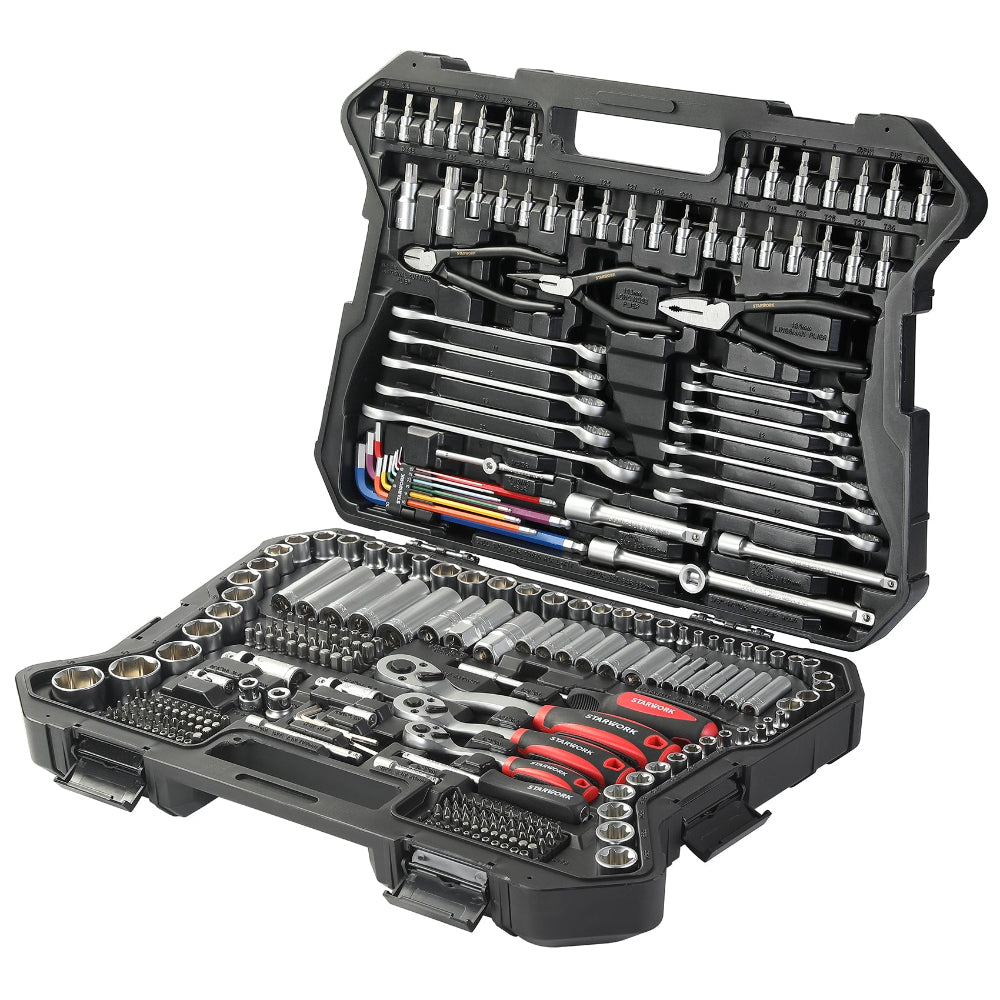
A mechanic tool set is a grouped collection of hand tools made for repair, maintenance, and assembly work. Most sets include sockets, ratchets, extensions, wrenches, screwdrivers, pliers, and sometimes specialty bits. The main value is simple: you get the right tools in one place, so you can handle common jobs without guessing.
Learning how to use a mechanic tool set saves time and reduces damage. I have seen beginners strip bolts because they grabbed the wrong size socket, and I have done it myself once or twice early on. The fix is not magic. It is knowing what each tool does and using steady pressure instead of brute force.
A good mechanic tool set also helps with safety. When you use the correct fit, the tool grips better, slips less, and lowers the chance of hand injuries. That matters whether you are changing brake parts, replacing a battery, or tightening a loose bracket.
Understanding the main tools in a mechanic tool set
Before you can use a mechanic tool set well, you need to know the basic pieces. Most sets are built around a few core tools that do most of the work. Once you understand them, the whole kit starts to make sense.
Sockets and ratchets
Sockets fit over nuts and bolts, while ratchets let you turn them quickly without lifting the tool off each time. This is one of the fastest ways to loosen or tighten fasteners in tight spaces. In my own work, this combo is the bread and butter of almost every repair.
Use the socket that matches the fastener exactly. If it feels loose, stop and find a better fit. That small habit can save a bolt head from rounding off.
Wrenches
Wrenches grip fasteners from the outside. Open-end wrenches are handy when space is tight, while box-end wrenches give a stronger grip. Combination wrenches, which have both ends, are common in most mechanic tool sets.
Use wrenches for areas where a socket cannot fit. They are also useful for holding one side of a bolt while turning the other side with a ratchet.
Screwdrivers and bit drivers
Screwdrivers are used for screws with flat, Phillips, Torx, or hex heads. Bit drivers work with interchangeable tips, which makes them flexible. Many people treat screwdrivers like simple tools, but using the right tip size is just as important as using the right socket size.
If the tip does not sit deep and snug, it can cam out and damage the screw. That is one of the most common beginner mistakes.
Pliers and cutters
Pliers help you grip, bend, hold, or pull small parts. Cutters are useful for wire, zip ties, and thin material. These tools are not for replacing the proper socket or wrench, but they are great for support work.
I often use needle-nose pliers when a clip or connector is buried in a tight spot. They are small tools, but they solve big headaches.
Extensions, adapters, and specialty tools
Extensions help reach bolts in deep or awkward places. Adapters let you use different drive sizes. Specialty tools vary by set and may include spark plug sockets, hex bits, or torx bits.
These small pieces often make the difference between a smooth job and a frustrating one. I have learned that the right extension can save more time than an expensive power tool.
How to use a mechanic tool set step by step
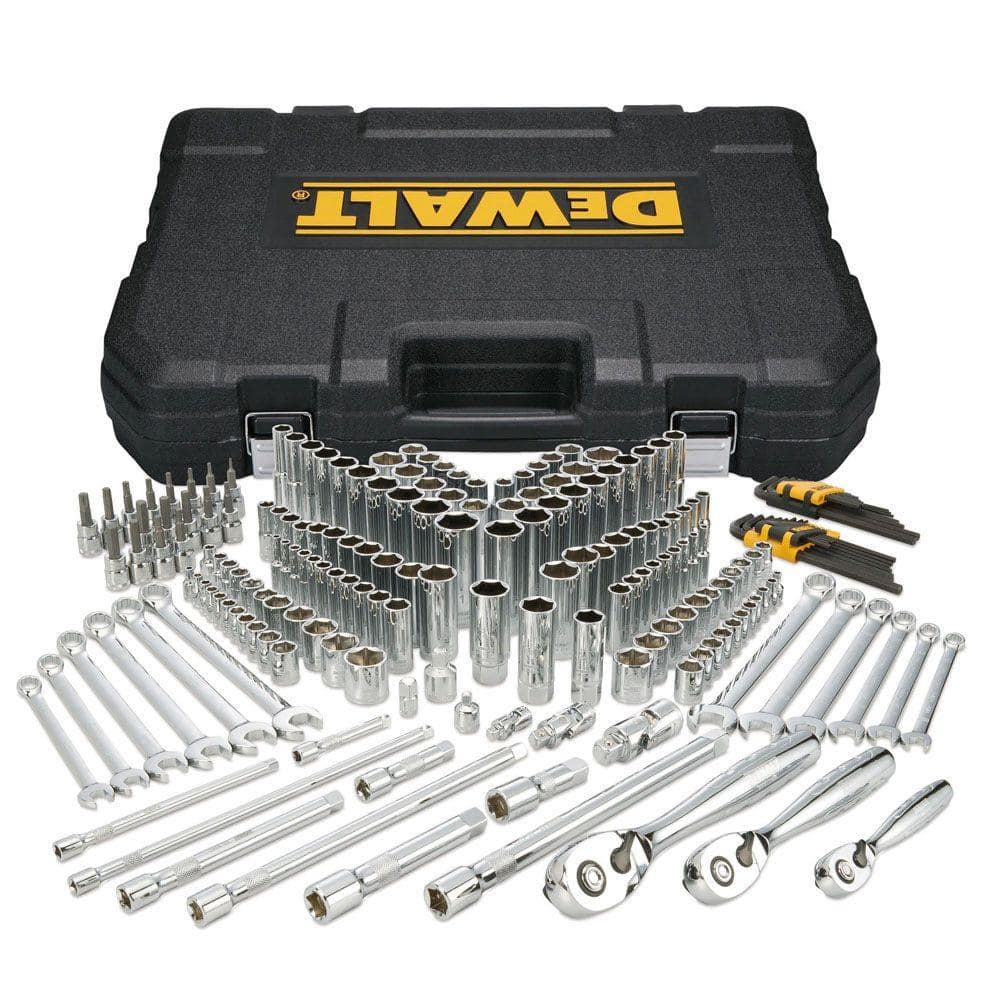
Knowing the parts is one thing. Using a mechanic tool set correctly is where the real value shows up. The process is straightforward if you follow a calm, methodical routine.
1. Identify the job first
Start by looking at the repair or maintenance task. Ask what needs to be removed, tightened, or replaced. This helps you choose the right tool before you touch anything.
For example, if you are changing a battery cable, you may need a wrench or socket, not a screwdriver. If you are removing a panel, you may need a trim tool plus a Phillips bit.
2. Match the fastener size and drive
Choose a socket, wrench, or bit that fits the fastener exactly. If you are unsure, test the fit by hand before applying force. A snug fit is a good sign.
I always tell people to avoid “close enough.” Close enough is how bolts get rounded, screws strip, and small repairs turn into bigger ones.
3. Attach the proper tool
If you are using a socket set, snap the socket onto the ratchet. Add an extension if the bolt is deep or blocked. If using a wrench, make sure the head sits fully on the fastener.
For screwdrivers, keep the blade or bit straight. A crooked angle increases slip and reduces control.
4. Turn with steady pressure
Use slow, even force. If a bolt is stuck, do not yank harder right away. Instead, try a little penetrating oil, wait, and test again.
A steady pull gives you better control than a sudden jerk. That is especially true with old, rusted, or heat-stressed fasteners.
5. Tighten to the correct feel
Most home repairs do not need extreme force. Tighten until the fastener feels secure, then stop if the manual gives no exact torque value. Over-tightening can damage threads, crack parts, or make the next repair harder.
When torque matters, use a torque wrench instead of guessing. That is the professional way to avoid costly mistakes.
6. Put tools back in order
After the job, clean the tools and return each one to its place. This keeps your mechanic tool set ready for the next task. It also helps you notice if something is missing.
A tidy set saves time and reduces stress. I have lost more time searching for one missing socket than I care to admit.
How to choose the right tool for the task
Using a mechanic tool set is easier when you know how to choose wisely. The wrong tool can slow you down and damage parts. The right one makes the job feel smoother, almost like the tool is doing the work with you.
Use sockets for most bolt work
Sockets are best when the fastener is accessible from above or straight on. They grip more evenly than many hand tools. That makes them ideal for common automotive jobs.
Use wrenches in tight spaces
When a socket will not fit, a wrench is often the next best choice. Thin-profile wrenches help in cramped engine bays or undercarriage areas. They also let you work where the bolt is exposed from the side.
Use pliers only when gripping is the goal
Pliers should not replace a socket or wrench for standard bolt work. They are meant for grabbing, holding, shaping, or cutting. Using pliers on a rounded nut is usually a last resort, not the first choice.
Use the correct bit type
Many screws look similar, but the heads are not interchangeable. Phillips, flathead, Torx, and hex bits each serve different jobs. If the bit is wrong, it can chew up the screw head fast.
Use specialty tools for special fasteners
Some jobs need spark plug sockets, torque wrenches, oil filter wrenches, or trim removal tools. These tools are designed for specific tasks and often prevent damage. If a job feels awkward, there is usually a tool made for it.
Safety tips when using a mechanic tool set
Safety is part of using a mechanic tool set well. Even simple repairs can go wrong if you rush or ignore basic precautions. I have seen a slipping wrench leave a scraped knuckle and a bad mood in the same second.
Keep these habits in mind:
- Wear safety glasses when working under a car or near debris
- Use gloves when handling sharp or dirty parts
- Keep your work area dry and well lit
- Support a vehicle with jack stands, not just a floor jack
- Pull the tool toward you with control, not away in a wild motion
- Disconnect the battery when working near electrical parts
- Never use a cracked socket or bent wrench
These habits are not overkill. They are the small rules that stop big problems.
Common mistakes beginners make
Everyone makes mistakes at first, but some are easy to avoid once you know them. The good news is that most tool damage comes from simple habits, not bad luck. I learned many of these lessons the hard way.
Using the wrong size
This is the most common mistake. A nearly right socket or bit may seem fine, but it can slip and damage the fastener. Always choose the exact fit.
Applying too much force
More force is not always better. If something will not move, stop and inspect the problem. Rust, thread locker, or hidden clips may be the real issue.
Ignoring tool condition
Worn sockets, cracked ratchets, and rounded bits reduce control. Check tools before each job. A weak tool is a risk, not a shortcut.
Mixing metric and SAE sizes
Metric and SAE look similar but are not the same. Using one on the other can cause slipping and rounding. Keep them separated if possible.
Not organizing the set
A messy mechanic tool set wastes time. It also makes it harder to notice missing pieces. A clean case or drawer layout is worth the effort.
Real-life example of using a mechanic tool set
One of the most useful jobs I ever did was replacing a stuck battery hold-down bolt in an older car. The bolt was rusty, cramped, and awkwardly placed. A shallow socket almost worked, but it was not deep enough to clear the nut.
I switched to a deep socket with a short extension and slow, steady pressure. Before turning it, I added a little penetrating oil and waited a few minutes. That tiny change saved me from rounding the bolt and turning a 10-minute job into a 2-hour headache.
That experience taught me something simple: the best mechanic tool set is not just about having tools. It is about knowing how to combine them with patience and the right technique.
How to maintain your mechanic tool set
Good tools last longer when you care for them. Maintenance does not take much time, but it makes a real difference. Clean tools work better and are easier to trust.
Follow these care steps:
- Wipe tools after use to remove grease and dirt
- Dry them fully to prevent rust
- Store them in a case, drawer, or organizer
- Lubricate ratchets lightly if they feel stiff
- Replace worn bits before they damage fasteners
- Keep sockets sorted by size for quick access
If you work in a humid area, rust prevention matters even more. A light coat of protective oil can help keep steel tools in better shape.
Choosing a mechanic tool set for home or garage use
Not every set is built the same. Some are made for simple home repairs, while others are designed for professional work. The best choice depends on how often you use it and what kinds of jobs you do.
If you are a beginner, look for a set that includes:
- Metric and SAE sockets
- A good range of drive sizes
- Combination wrenches
- Phillips, flathead, hex, and Torx bits
- Extension bars and adapters
- A sturdy carrying case
If you work on cars often, consider a larger set with deeper socket coverage and a torque wrench. If you only need basic household repairs, a smaller mechanic tool set may be enough. The key is to buy for your actual use, not just the biggest box on the shelf.
Benefits and limits of a mechanic tool set
A mechanic tool set is flexible, reliable, and cost-effective for many repairs. It lets you do routine maintenance without calling a shop for every little issue. That can save both time and money.
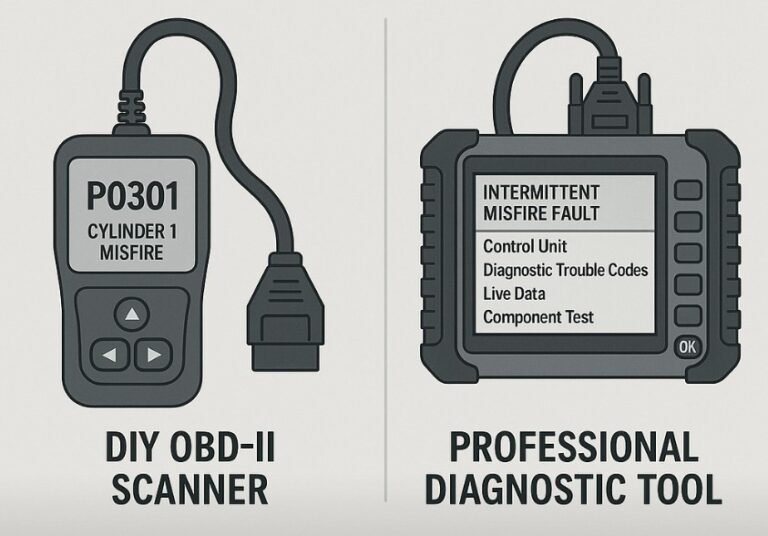
Still, there are limits. A basic set may not include every specialty tool you need for modern vehicles. Some jobs require scan tools, pullers, press tools, or brand-specific equipment. Knowing those limits helps you avoid frustration and unrealistic expectations.
The benefits are strongest when you use the set as a foundation. Think of it like a good kitchen knife set. It handles most meals well, but some recipes still need special gear.
Frequently Asked Questions of How to use a mechanic tool set
What is the first tool I should learn to use in a mechanic tool set?
Start with sockets and a ratchet. They are the most common tools for bolts and nuts, and learning them gives you a strong base for most repair jobs.
How do I know if a socket fits correctly?
A correct socket should slide on smoothly and sit snugly with very little wiggle. If it feels loose, stop and try another size before applying pressure.
Can I use a wrench instead of a socket?
Yes, in many cases you can. Wrenches are useful when space is tight or when a socket cannot reach the fastener.
What should I do if a bolt is stuck?
Use penetrating oil, wait a few minutes, and try again with steady pressure. If it still will not move, check for rust, thread locker, or the need for a different tool.
How do I keep my mechanic tool set in good shape?
Clean the tools after use, dry them well, and store them in an organized case or drawer. Check for wear often so damaged tools do not harm fasteners.
Conclusion
Using a mechanic tool set well comes down to a few simple habits: choose the right tool, fit it properly, work with steady pressure, and keep everything organized. Once you learn those basics, repairs feel less stressful and much more manageable. The set in your hands becomes more than metal in a box. It becomes a practical skill you can rely on.
If you are just getting started, begin with small jobs and build confidence step by step. Pay attention to fit, safety, and tool care, and you will avoid many of the mistakes that trip people up. Keep learning, stay patient, and use what you know on your next repair. If this guide helped, explore more practical maintenance tips and leave a comment with the tool you want to master next.