How To Use Snow Chains: Safe Winter Driving Guide
Use snow chains by fitting them snugly on the drive tires before entering snowy roads, then drive slowly and carefully.
If you have ever faced a steep, icy road and felt your tires spin for dear life, you already know why snow chains matter. I’ve used snow chains in real winter conditions, and the difference is not subtle at all. In this guide, I’ll walk you through how to use snow chains the right way, when to put them on, how to drive with them, and the mistakes that can turn a helpful tool into a headache.
What snow chains are and why they work
Snow chains are traction devices made of metal links or cable systems that wrap around your tires. They bite into snow and ice, which helps your vehicle get moving, stay controlled, and stop more safely. Think of them like cleats for your tires.
They are especially useful on steep grades, packed snow, and icy roads where all-season tires can lose grip fast. That said, snow chains are not magic. They improve traction, but they do not replace careful driving.
A few things snow chains do well:
• Help you start moving on snow and ice
• Improve grip on hills
• Reduce tire spin
• Add control when slowing down
A few limits to keep in mind:
• They are not meant for dry pavement
• They can reduce ride comfort
• They must be installed correctly to work well
• Some roads or vehicles have chain rules or restrictions
In my experience, people often buy chains and then only look at them when a storm hits. That is a mistake. The best time to learn how to use snow chains is before you actually need them.
When you should use snow chains
Snow chains are best used when road conditions are severe enough that regular tires are not doing their job. This usually means snow is deep enough to reduce traction, or the road is icy and packed down. They are common in mountain areas and places with chain laws during winter storms.
Use snow chains when:
• Local road signs or officials require them
• You are driving on steep, snowy, or icy roads
• Your tires are slipping even at low speeds
• You need extra traction to reach a safe destination
Do not use snow chains on dry roads unless you are moving a very short distance to reach a snowy patch. The metal links can damage the road, your tires, and your vehicle if used on bare pavement for long.
A good rule from winter driving practice is simple: if the road looks wet but hides ice, be cautious. Black ice can be especially dangerous because it looks harmless. Chains can help, but slow driving still matters most.
How to choose the right snow chains
Before you learn how to use snow chains, you need the right size and type. Chains must match your tire size exactly. If they are too loose, they can slap the wheel well. If they are too tight, they may not fit at all.
Check your tire sidewall for the full size number, such as 225/65R17. Then match that size to the chain package or fit chart. Also check your vehicle manual, because some cars, SUVs, and trucks have limited clearance around the wheel wells.
Common types include:
• Link chains, which are durable and offer strong grip
• Cable chains, which are lighter and often easier to install
• Self-tightening chains, which save time and reduce adjustment work
• Polymer traction devices, which are easier to handle but may not grip as aggressively as metal chains
If you are not sure which type to buy, look at your vehicle’s clearance, your local winter road conditions, and how often you expect to use them. I usually suggest practicing once in a dry driveway. It saves time, stress, and frozen fingers later.

How to use snow chains step by step
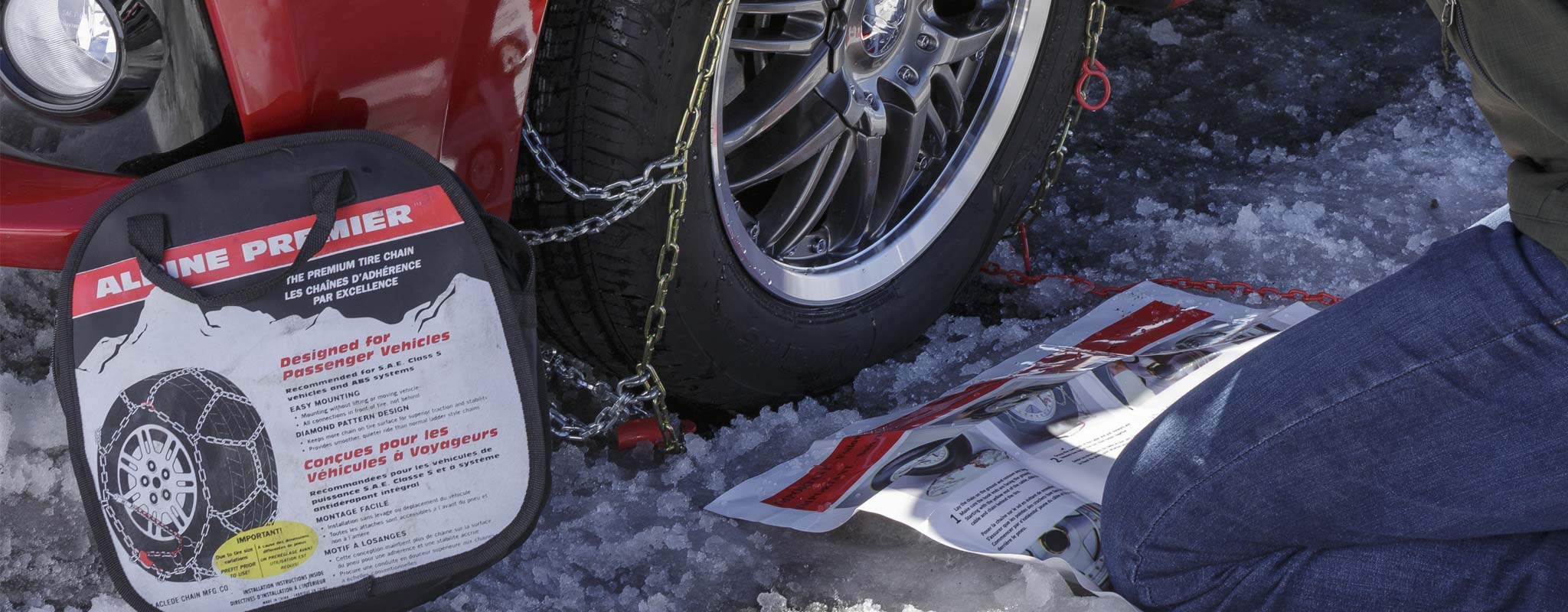
Learning how to use snow chains is mostly about preparation and patience. The first installation is usually the hardest, but it gets easier fast once you know the steps.
1. Park in a safe, flat spot
Pull over before conditions get worse if possible. Flat ground makes installation easier and safer. Turn on hazard lights and set the parking brake.
2. Lay out the chains first
Unfold the chains and make sure they are not twisted. Check for broken links, bent hooks, or tangled sections. A quick inspection can prevent a messy install on the roadside.
3. Put the chains on the drive tires
Most vehicles need chains on the drive wheels. For front-wheel drive, that usually means the front tires. For rear-wheel drive, it is usually the rear tires. Some all-wheel-drive vehicles still need special attention, so always follow the owner’s manual.
4. Drape the chain over the tire
Place the chain evenly over the top of the tire and let both sides fall behind it. Make sure the chain covers the tread area and sits centered.
5. Connect the inner and outer fasteners
Reach behind the tire and connect the inner side first if your chain design requires it. Then secure the outer side. Some chains use tensioners or self-locking systems, while others need manual tightening.
6. Move the vehicle slightly if needed
Drive forward a short distance so the tire rotates and exposes any loose spots. Then finish tightening the chain. This is normal and often necessary for a proper fit.
7. Tighten and secure the chains
Use any built-in tension system or add a tensioner if your chains require one. The chains should sit snugly against the tire. Loose chains can damage the vehicle and reduce traction.
8. Check both sides before driving
Look for even placement and clearance around brakes, suspension, and body panels. If something looks off, fix it before moving.
A practical tip from experience: wear gloves with grip. Cold metal is miserable with bare hands, and you will work faster if you are not fighting numb fingers.
How to drive safely with snow chains
Knowing how to use snow chains also means knowing how to drive with them. Many drivers make the mistake of treating chains like a full traction upgrade. They are helpful, but they still demand careful driving.
Follow these rules:
• Drive slowly, usually under 30 mph unless your chain instructions say otherwise
• Avoid sudden braking or hard acceleration
• Make wide, smooth turns
• Keep extra distance from other vehicles
• Listen for unusual sounds that may mean a chain is loose
If you feel vibration, stop and check the chains. A chain that has shifted can damage the wheel well or come loose completely. I have seen drivers keep going because they were in a hurry, and that usually ends badly.
Also remember that stopping distance still increases on snow and ice. Chains help, but they do not erase physics. Smooth inputs are your friend.
How to remove snow chains
Removing chains is often easier than installing them, but the process still matters. Take them off as soon as you return to bare or mostly bare pavement. Driving too long on dry roads can wear the chains down fast.
To remove them:
• Park on a safe, flat spot
• Release tensioners or quick-release fasteners
• Disconnect the inner and outer sides
• Pull the chains off from the top and back
• Shake off snow and mud before storing
If the chains are frozen, do not yank them violently. Gentle movement and a little patience usually work better. It also helps to clean and dry them before storage so they do not rust.
Common mistakes to avoid
A lot of snow chain problems come from simple mistakes. The good news is that most of them are easy to avoid once you know what to watch for.
Common mistakes include:
• Buying the wrong size
• Installing chains on the wrong wheels
• Driving too fast
• Forgetting to tighten them after moving the car
• Using chains on dry pavement
• Waiting until you are stuck to practice
One of the biggest mistakes I have seen is people assuming all-wheel drive means no chains are needed. AWD helps with traction, but it does not remove the need for chains in chain control areas or on severe ice. Always check the rules where you are driving.
Snow chains vs snow tires
Snow chains and snow tires do different jobs. Snow tires are built for winter use and stay on the car for the whole season. Snow chains are temporary traction tools used in harsher conditions.
Snow tires are better for:
• Daily winter driving
• Mixed snow, slush, and cold pavement
• Better braking and handling over the season
Snow chains are better for:
• Sudden severe snow
• Mountain passes
• Chain-required roads
• Short stretches of very difficult driving
If you live somewhere with long winters, snow tires are often the smarter base choice. Chains are then the extra tool you keep for the worst days. That combination gives you flexibility and peace of mind.
Safety and legal tips to remember
Winter driving rules can vary by state, province, and road system. Some areas require chains during certain storms, while others allow them only in specific conditions. Others restrict them to certain vehicle types.
Before you travel, check:
• Local chain laws
• Road condition alerts
• Vehicle manual requirements
• Whether your tire and wheel setup has enough clearance
It is also smart to keep an emergency kit in the car. Helpful items include:
• Gloves
• A flashlight
• A reflective vest
• A small mat or tarp for kneeling
• A towel or rag
• A chain tensioner or spare links if your system uses them
Safety is not just about getting moving. It is also about being able to stop, stay visible, and avoid getting stranded.

Frequently Asked Questions of How to use snow chains
How fast can I drive with snow chains?
Most snow chains are meant for low-speed driving, often around 30 mph or less. Always check the instructions for your specific chain set, since speed limits can vary by brand and style.
Should snow chains go on the front or back tires?
They usually go on the drive tires. For front-wheel drive vehicles, that is the front tires, and for rear-wheel drive vehicles, that is the rear tires. If you drive an all-wheel-drive vehicle, follow the owner’s manual because recommendations can differ.
Can I use snow chains on all four tires?
Yes, some vehicles and conditions may benefit from chains on all four tires, but it depends on your vehicle and the rules where you drive. Many drivers use them on only the drive axle unless the manual or local law says otherwise.
How do I know if my snow chains are tight enough?
The chains should sit snugly against the tire without major slack or flapping. After driving a short distance, stop and check them again, because many systems need a second adjustment once they settle in.
Do snow chains damage tires?
They can if they are the wrong size, installed poorly, or used on dry pavement. When used correctly on snow or ice, they are designed to protect traction rather than damage tires.
Can I install snow chains in the snow?
Yes, you can, but it is much harder than practicing in a dry area first. If you must install them in snow, pull over safely, wear gloves, and take your time so you do not rush the fit.
Conclusion
Snow chains are one of the simplest ways to gain traction in serious winter weather, but they work best when you know how to use snow chains before the storm arrives. The right size, correct placement, slow driving, and quick removal on dry pavement all make a big difference. With a little practice, the process becomes much less stressful and far more useful.
If winter travel is part of your life, take time now to check your tire size, review your vehicle manual, and practice a test fit. You will be glad you did when the road turns white and the pressure is on. If this guide helped, keep exploring winter driving tips and share your own chain experience in the comments.