Can An OBD2 Scanner Reset The Tpms Light: Full Guide
Yes, an OBD2 scanner can reset some TPMS lights, but often only after the tire issue is fixed.
If you have ever seen that yellow TPMS light glow on your dash and wondered whether a scanner can make it disappear, you are not alone. I have worked with enough vehicles to know this light can be simple on some cars and stubborn on others. In this guide, I will break down exactly when an OBD2 scanner can reset the TPMS light, when it cannot, and what you should check first so you do not waste time or money.

What the TPMS light means
The TPMS light is the warning for your Tire Pressure Monitoring System. It usually means one or more tires are low on air, or the system sees a sensor or communication problem.
There are two main TPMS types:
- Direct TPMS, which uses sensors inside each wheel
- Indirect TPMS, which uses wheel speed data from the ABS system
That difference matters a lot. A direct system often needs sensor relearn steps, while an indirect system may need a reset through the vehicle menu or scanner. An OBD2 scanner can help with both, but not in the same way.

Can an OBD2 scanner reset the TPMS light?
Yes, an OBD2 scanner can reset the TPMS light on many vehicles, but not all. On some cars, the scanner can clear the warning after the tire pressure is corrected or the sensors are relearned. On others, the scanner only clears codes temporarily until the real fault is fixed.
Here is the key point: a scanner does not repair the problem. It only communicates with the vehicle’s computer. If the tire is still low, a sensor battery is dead, or the system has not relearned the new sensor IDs, the TPMS light may come right back.
In my own experience, this is where many people get frustrated. They clear the light, feel good for five minutes, and then it returns like an unwanted text message. The scanner is a tool, not a cure.
How an OBD2 scanner helps with TPMS issues
An OBD2 scanner can help in a few useful ways:
- Read TPMS-related fault codes
- Clear stored warning codes
- Trigger a TPMS relearn procedure on supported vehicles
- View live data on some advanced scan tools
- Confirm whether the issue is a sensor, pressure, or communication problem
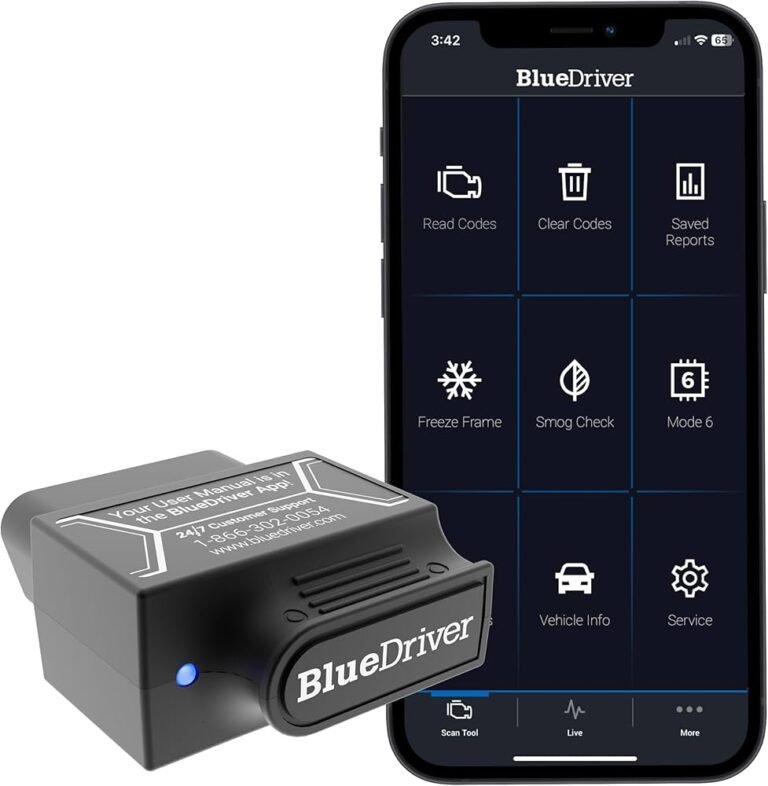
Basic code readers usually only read engine codes. Advanced OBD2 scanners with TPMS features are much more useful because they can access tire sensor data and special functions. If you want to reset the TPMS light, the scanner must support your vehicle’s TPMS system.
When an OBD2 scanner can reset the TPMS light
An OBD2 scanner can reset the TPMS light when the problem is software-related or when the system needs a relearn. Common examples include:
- Tires were inflated to the correct pressure
- A wheel was rotated or replaced
- A TPMS sensor was swapped out
- The vehicle needs a manual relearn or OBD relearn
- A temporary glitch caused the warning
In these cases, a scanner may clear the code and help the system recognize the current setup. Some vehicles also require a drive cycle after the reset so the light stays off.
When an OBD2 scanner cannot reset the TPMS light
An OBD2 scanner will not fix the light if the root cause is still there. Common problems include:
- Low tire pressure
- Dead TPMS sensor battery
- Damaged sensor
- Missing sensor after wheel replacement
- Wrong sensor ID not programmed
- TPMS module or wiring fault
- ABS-related issue on vehicles with indirect TPMS
This is important because many drivers assume the light is the problem. It is not. The light is just the messenger. If the system sees a fault, it will keep asking for attention.
Step-by-step: how to reset a TPMS light with an OBD2 scanner
Here is the usual process I recommend.
-
Check all tire pressures first
Use a trusted tire gauge and set each tire to the pressure on the driver door sticker. -
Inspect the tires and wheels
Look for nails, cuts, missing valve caps, or obvious damage. -
Connect the OBD2 scanner
Turn the ignition on, then plug in the scanner. -
Read the TPMS or body codes
Some tools list TPMS codes under a special menu. -
Fix the problem before clearing the light
Replace a bad sensor or correct the pressure first. -
Start the TPMS relearn or reset
Follow the scanner prompts or the vehicle’s relearn steps. -
Drive the vehicle if needed
Some cars need a short drive before the light shuts off.
This process sounds simple, but the order matters. I have seen people skip step one and go straight to clearing codes. That almost never works for long.
Why the TPMS light sometimes stays on after resetting
If the TPMS light stays on after a reset, the most likely reasons are:
- One tire is still underinflated
- The vehicle needs a relearn drive cycle
- The scanner did not support that TPMS system
- A sensor battery is too weak
- The system is waiting for the new sensor ID
- There is a module or wiring issue
Think of the reset like turning off a smoke alarm after cooking. If the smoke is still there, the alarm will go right back on. The same logic applies to TPMS.
Direct TPMS vs indirect TPMS reset differences
Direct TPMS systems are more common on modern vehicles. They use sensors in each tire and often require sensor IDs to be programmed or relearned.
Indirect TPMS systems do not read air pressure directly. Instead, they estimate a pressure problem from wheel speed differences. These systems often need a reset through the dashboard menu, a scanner, or a drive procedure after tire pressure is corrected.
That is why the answer to “Can an OBD2 scanner reset the TPMS light?” depends on the vehicle. The scanner may work beautifully on one car and do almost nothing on another.
What type of scanner do you need?
Not every OBD2 scanner can reset TPMS lights. A basic code reader may only handle engine trouble codes and emissions faults.
For TPMS work, look for a scanner that includes:
- TPMS reset or relearn support
- Sensor activation features
- Live sensor data
- Vehicle-specific special functions
- OBD relearn capability
If you work on your own cars often, an advanced scanner is worth it. It saves time and keeps you from guessing. I have seen plenty of DIY repairs go smoother just because the tool could talk to the right module.
Common mistakes people make
Here are the mistakes I see most often:
- Clearing the TPMS light before fixing low pressure
- Using a scanner that does not support TPMS
- Forgetting to relearn after tire rotation
- Replacing one sensor when the battery issue is in another wheel
- Ignoring the vehicle’s specific reset procedure
- Assuming all TPMS systems work the same way
One of the biggest lessons I learned early on was this: the light is only as honest as the data it receives. If the system is confused, you need to reset the system correctly, not just erase the message.
Practical tips for a successful TPMS reset
To improve your odds of success, follow these tips:
- Check tire pressure when the tires are cold
- Match pressure to the door placard, not the tire sidewall
- Use the exact TPMS reset method for your vehicle
- Replace sensor batteries in pairs only when needed, since many are sealed units
- After rotation, relearn sensor positions if required
- Scan for stored faults, not just the warning light
These small steps can save a lot of time. A TPMS light often looks like a simple problem, but it can be a chain of small issues.
How safe is it to drive with the TPMS light on?
You can often drive a short distance with the TPMS light on, but you should not ignore it. If the light is on because of low tire pressure, driving too long can damage the tire and reduce control.
If the light flashes first and then stays solid, that often means the system itself has a fault, not just low pressure. In that case, get it checked as soon as possible.
Frequently Asked Questions of Can an OBD2 scanner reset the TPMS light?
Can any OBD2 scanner reset the TPMS light?
No, not every OBD2 scanner can do it. A basic code reader may clear engine codes, but TPMS reset usually requires a scanner with special TPMS functions.
Will resetting the TPMS light fix low tire pressure?
No, resetting the light does not inflate the tire or repair a leak. You must fix the pressure problem first, then clear or relearn the system if needed.
Why does my TPMS light come back after I reset it?
The most common reason is that the problem was never fixed. It can also come back if the system needs a relearn, a sensor battery is weak, or the scanner was not compatible.
Do I need to reset TPMS after rotating tires?
Often, yes. Many vehicles need a relearn or reset after rotation so the system knows each sensor’s new location.
Can I reset TPMS without a scanner?
Sometimes you can. Some vehicles have a dashboard menu or button sequence, but others need a scanner or a special relearn procedure.
How do I know if my TPMS sensor is bad?
Common signs include a flashing TPMS light, repeated warnings, or a scanner showing no signal from one wheel. A sensor battery often fails after several years, especially in older systems.
Conclusion
An OBD2 scanner can reset the TPMS light on many vehicles, but only when the system supports it and the real issue has been addressed. In some cases, it clears the warning after a tire pressure fix or relearn. In others, it will not help until a bad sensor, low tire, or system fault is repaired.
The smartest move is to check tire pressure first, then use the right scanner for your vehicle’s TPMS system. If you understand the difference between clearing a code and fixing the cause, you will save time and avoid repeat warnings. If you found this guide helpful, keep learning about your vehicle’s warning systems and share your experience in the comments.