How To Use A Trailer Brake Controller: Easy Guide
A trailer brake controller helps you stop a trailer smoothly and safely by syncing trailer brakes with your truck.
If you tow often, knowing how to use a trailer brake controller is one of those skills that pays off every mile. I’ve seen the difference it makes on steep grades, in wet weather, and during sudden stops. Used the right way, a trailer brake controller gives you more control, less stress, and a much safer towing setup.
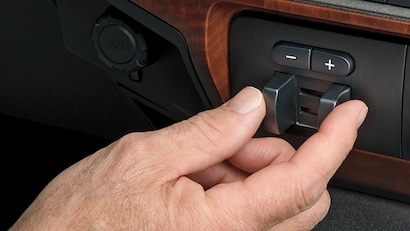
What a trailer brake controller does
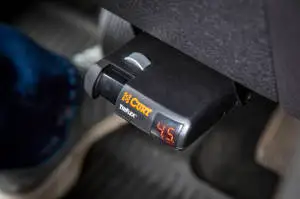
A trailer brake controller is the device that sends power from your tow vehicle to the trailer brakes. Instead of letting the trailer push your vehicle when you slow down, the controller helps the trailer brake at the same time. That makes stopping steadier and keeps the trailer from swaying as much.
Most modern controllers work with electric trailer brakes. Some also support electric-over-hydraulic systems, depending on the model. In simple terms, the controller acts like a middleman between your brake pedal and the trailer’s braking system.
Here’s why that matters:
- It reduces stopping distance when towing a heavy load
- It helps prevent trailer sway during braking
- It gives you more control on hills and in traffic
- It helps protect your truck’s brakes from extra wear
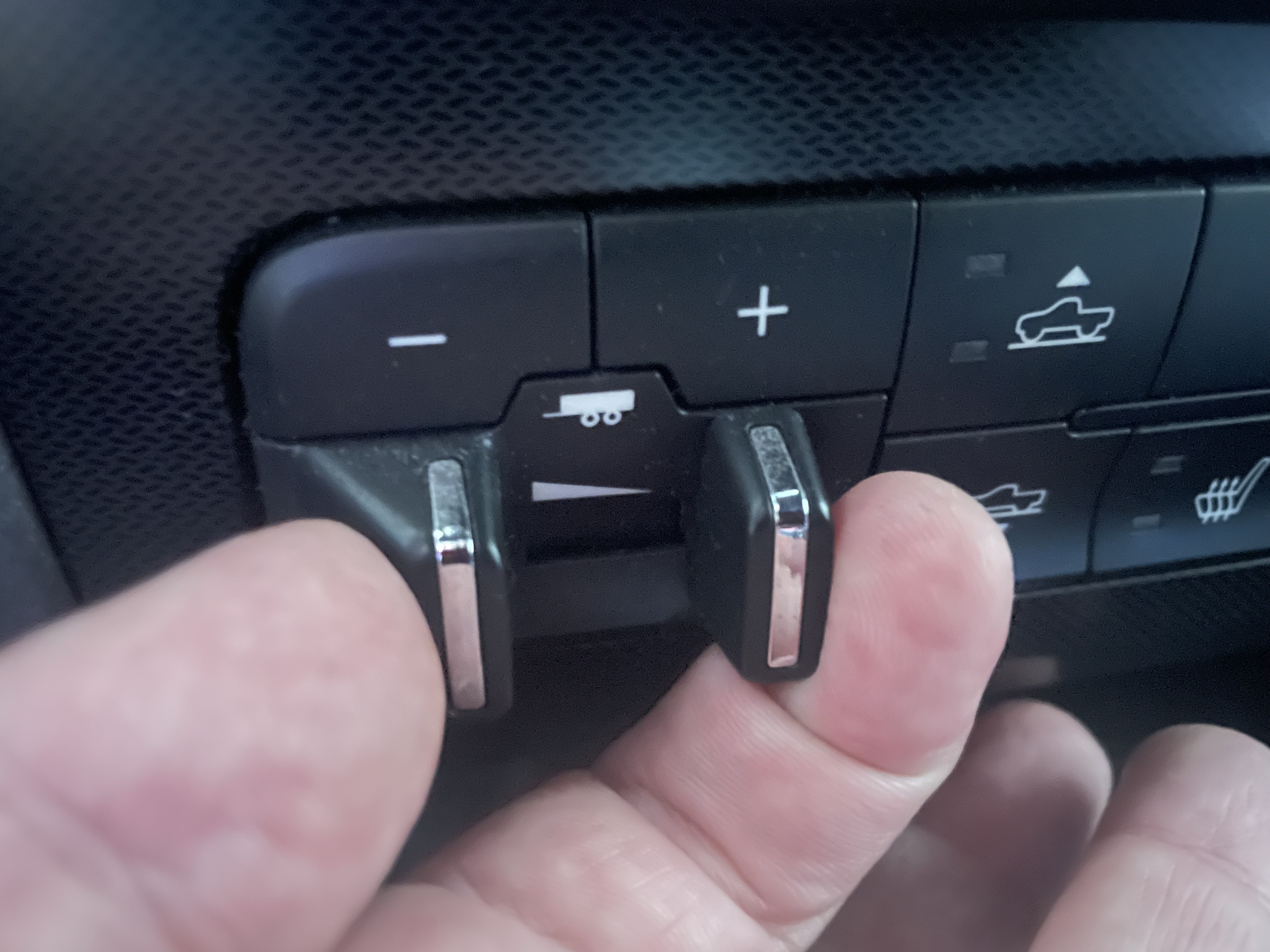
How to use a trailer brake controller step by step
Using a trailer brake controller is not complicated once you understand the basics. The key is to set it up correctly before you tow, then fine-tune it for the trailer weight and road conditions. I always tell people the first few minutes of setup can save a lot of white-knuckle driving later.
1. Connect the trailer properly
Before anything else, make sure the trailer is hitched correctly. The coupler should be locked, the safety chains crossed under the tongue, and the trailer plug fully connected. If the plug is loose or dirty, the brake controller may not work well.
Check these basics:
- Hitch latch secured
- Safety chains attached
- Trailer connector clean and seated
- Brake lights and turn signals working
2. Turn on the tow vehicle
Most trailer brake controllers power up when the ignition is on. Some display a status light or screen right away. If the controller shows an error, stop and check the trailer connection before driving.
3. Set the starting brake output
Start with the manufacturer’s recommended setting, or use a middle range if the manual does not give one. A controller that is too weak will make the trailer feel like it is pushing the truck. A setting that is too strong can make the trailer brakes grab too hard.
A good starting point is:
- Light trailer load: lower output
- Medium load: mid-range output
- Heavy load: higher output
4. Test the brakes at low speed
Drive in a safe, empty area at a slow speed. Press the manual override or gently apply the brake pedal and see how the trailer responds. You want the trailer to slow smoothly without jerking or locking up.
If the trailer barely slows, increase the output a little. If it brakes too hard, reduce the output. Small changes often make a big difference.
5. Fine-tune while towing
Roads, weather, and load weight can change how the controller feels. After you start driving, make small adjustments until the trailer and truck stop as one unit. When everything is right, braking should feel natural, not sudden.
A simple rule I’ve learned from real towing: if you feel the trailer tugging the truck, the setting may be off. The goal is balanced braking, almost like both vehicles are doing the work together.
6. Use the manual override when needed
Most controllers have a manual lever or button. This lets you apply only the trailer brakes without pressing the truck brake pedal. It is useful for checking brake function, stabilizing a trailer sway event, or controlling speed on downhill stretches.
Use it carefully:
- Tap it lightly for testing
- Use it to help correct sway
- Avoid holding it too long unless needed
7. Recheck settings when loads change
A full trailer, an empty trailer, and a partly loaded trailer all need different brake output. If you swap trailers or change cargo weight, test the controller again. What worked last week may not be right today.
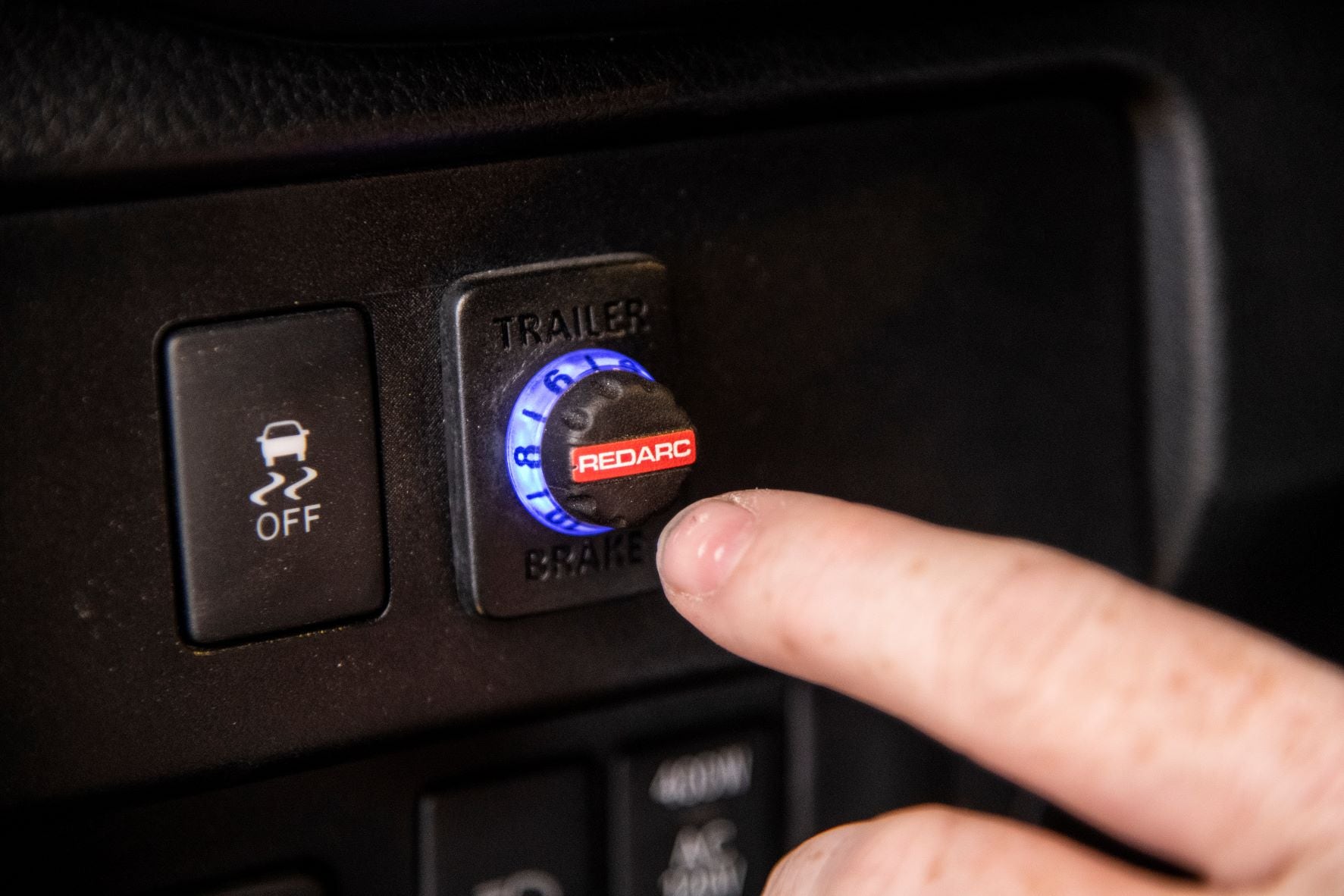
Understanding the main types of trailer brake controllers
Not all trailer brake controllers work the same way. The type you choose affects how smooth the braking feels and how easy the system is to use. Knowing the difference helps you pick the right one and use it well.
Time-delayed controllers
Time-delayed controllers send power to the trailer brakes after a short delay when you press the brake pedal. They are usually more affordable and easier to install. They also work fine for many basic towing jobs.
Pros:
- Simple design
- Lower cost
- Good for occasional towing
Cons:
- Less smooth than other types
- Braking can feel less natural
Proportional controllers
Proportional controllers use sensors to match trailer brake force to your tow vehicle’s braking. If you brake gently, the trailer brakes gently. If you brake hard, the trailer brakes harder.
Pros:
- Smooth, natural braking
- Better control
- Ideal for frequent towing
Cons:
- Usually cost more
- Setup may take more care
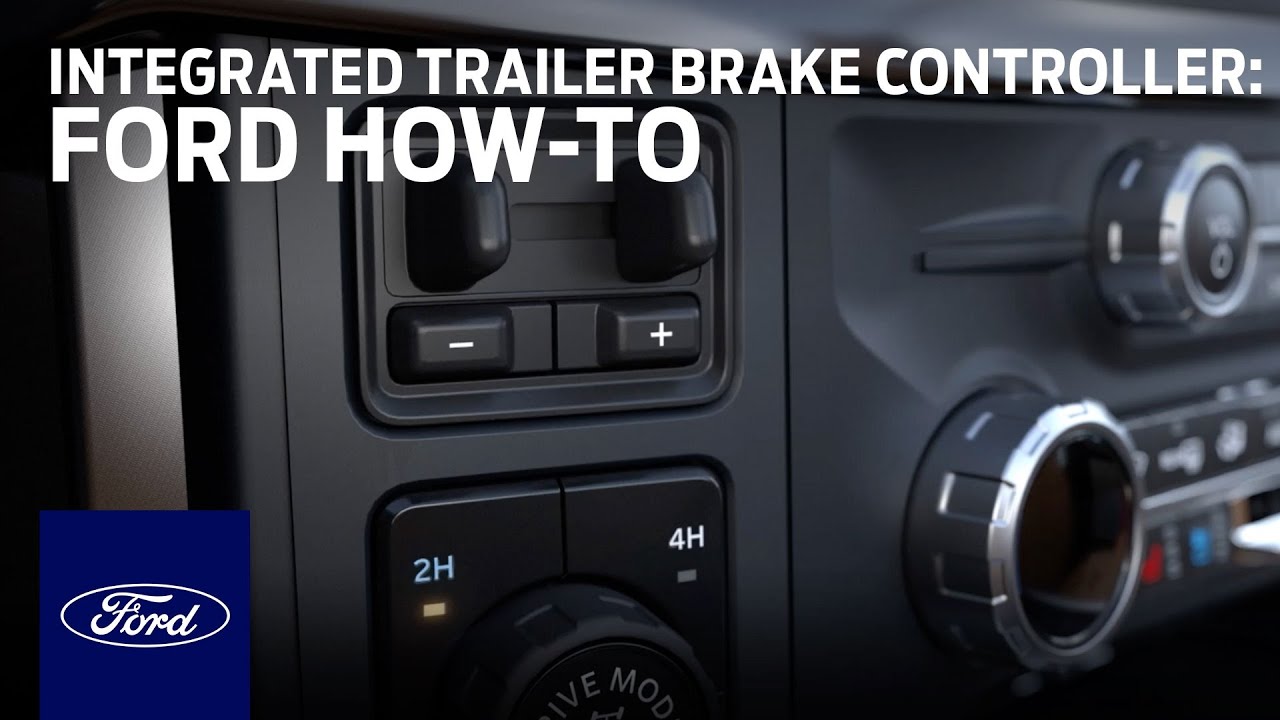
Factory-integrated controllers
Some trucks come with a built-in towing package and brake controller. These are often tied into the vehicle’s display and wiring. They can be very convenient, especially if you tow often.
Pros:
- Clean installation
- Easy integration
- Often simple to adjust
Cons:
- Less flexible on older vehicles
- Repairs may be more involved
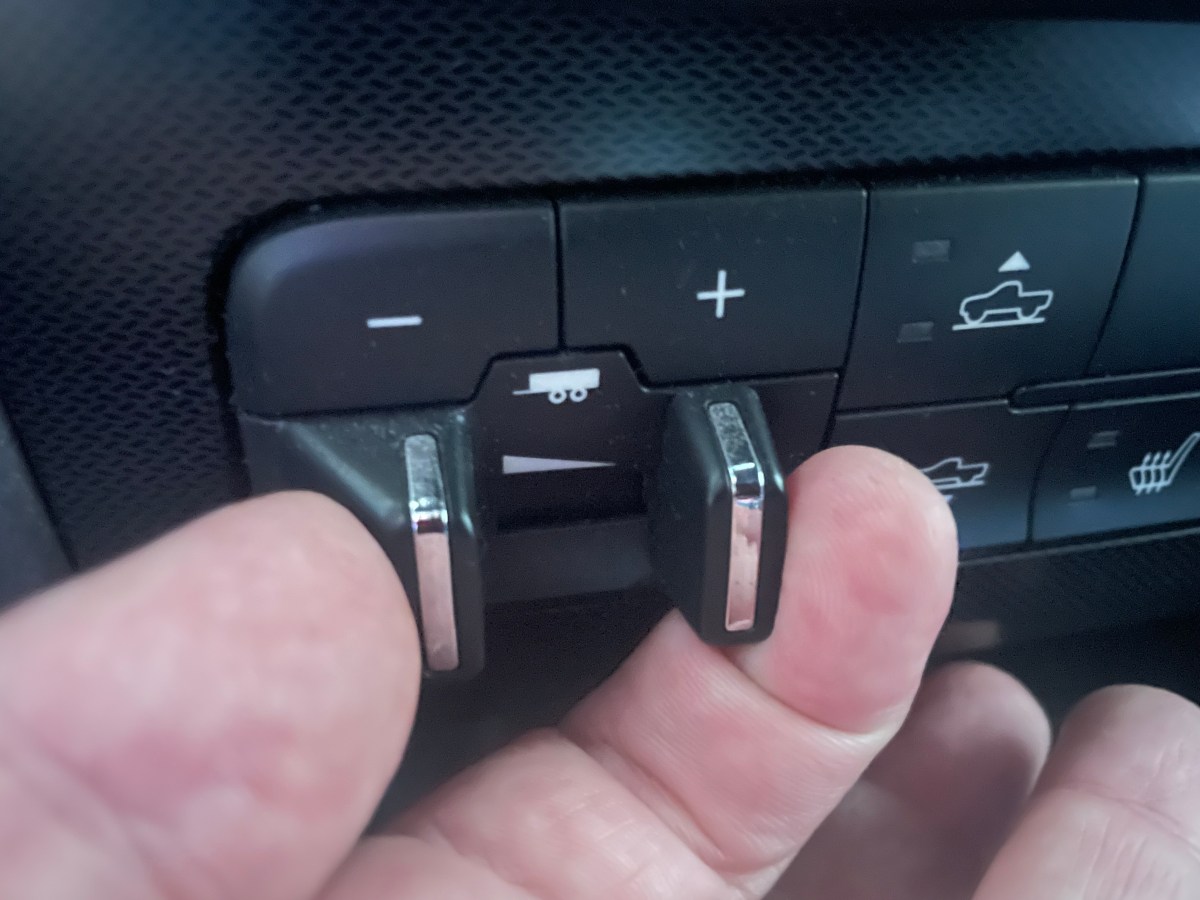
How to adjust a trailer brake controller for safe towing
Adjusting a trailer brake controller is where good towing becomes great towing. Too little braking makes the trailer feel lazy and unstable. Too much braking can make the trailer jerk and wear out the brakes faster.
Start with the trailer weight
Heavier trailers need more brake power. If you are hauling a boat, camper, or equipment trailer, the load can change quickly. That is why you should always adjust based on actual weight, not just guesswork.
Watch for these signs
Use the road test to guide your adjustment:
- Trailer pushes the truck forward when stopping: increase output
- Trailer brakes grab hard or lock up: decrease output
- Stop feels smooth and even: setting is likely close
- Sway gets worse when braking: check setup and output
Adjust for road conditions
Wet roads, gravel, and steep hills can change braking behavior. In rain, braking may feel softer. On steep grades, you may need a little more trailer brake help to stay in control.
Test after every big change
If you change trailer weight, move cargo, or switch trailers, test again. It only takes a few minutes and can prevent a bad surprise on the highway. That small habit can make towing feel much calmer.
Common mistakes to avoid when using a trailer brake controller
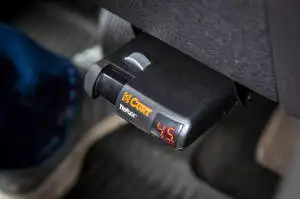
A lot of towing problems trace back to simple setup mistakes. I’ve seen perfectly good trailers feel unsafe because the controller was never tuned right. The good news is that most of these mistakes are easy to fix.
Setting the output too high
This is one of the most common errors. When the brakes hit too hard, the trailer can jerk, shudder, or even lock up. That can reduce control instead of improving it.
Ignoring trailer weight changes
A loaded trailer needs more braking than an empty one. If you never change the setting, you may be under-braking or over-braking every trip. That is why a quick test each time is worth it.
Skipping the manual test
The manual override helps confirm the trailer brakes are actually responding. If you never test it, you may miss wiring issues or weak brake performance. A small check in the driveway can save a big headache on the road.
Forgetting about maintenance
Brake controllers are only part of the system. Worn trailer brake shoes, bad wiring, corroded connectors, and weak grounds can all cause poor braking. If the controller seems fine but the trailer still stops badly, inspect the trailer hardware too.
Using a bad connection
Loose plugs and dirty pins are common trouble spots. Even a little corrosion can cause weak signals or intermittent brake response. Clean connectors are a simple win that too many people overlook.
Troubleshooting a trailer brake controller
If your trailer brake controller is acting up, start with the basics. Most problems are caused by connection, setup, or power issues rather than a bad controller. A calm step-by-step check usually finds the problem fast.
If the trailer brakes are weak
Try these checks:
- Increase the brake output setting
- Make sure the trailer is connected fully
- Inspect the trailer brake wiring
- Check the trailer brake magnets or shoes
If the trailer brakes lock up
Try these checks:
- Lower the output setting
- Test at lower speed
- Look for stuck brake components
- Confirm the trailer is not overloaded for the setting
If the controller shows an error
Try these checks:
- Turn the ignition off and on again
- Reseat the trailer plug
- Look for blown fuses
- Check the ground connection
If the brakes work sometimes but not always
This usually points to a loose wire, dirty connector, or ground issue. Intermittent problems are frustrating because they come and go. I always recommend checking the plug, the harness, and the ground first.
Safety tips for using a trailer brake controller
Safety should always come first when towing. A trailer brake controller helps a lot, but it is not a magic fix for poor setup or unsafe driving. The best results come from combining good equipment with good habits.
Keep these tips in mind:
- Test the controller before every trip
- Match brake output to the trailer load
- Leave extra following distance
- Slow down before hills and curves
- Never tow with damaged wiring or worn trailer brakes
- Practice in an empty lot if you are new to towing
One lesson that stays with me: towing feels much easier when you plan early. Braking late is where most stress starts. If you give yourself more room, the trailer brake controller can do its job without drama.
Benefits of learning how to use a trailer brake controller correctly
Once you know how to use a trailer brake controller, towing becomes far less stressful. You stop better, steer with more confidence, and protect your equipment. That matters whether you tow for work, camping, or weekend projects.
Main benefits include:
- Better stopping control
- Less trailer sway during braking
- Reduced wear on tow vehicle brakes
- Smoother towing in traffic and on hills
- More confidence for new towers
It is a small device with a big job. Think of it like the brake coach for your trailer, helping two vehicles act like one.
Frequently Asked Questions of How to use a trailer brake controller
How do I know if my trailer brake controller is working?
You can test it by using the manual override at low speed in a safe area. If the trailer slows smoothly and the display shows normal operation, the controller is likely working. If nothing happens, check the trailer plug, wiring, fuses, and ground connection.
Do I need a trailer brake controller for every trailer?
No, only trailers with electric brakes or electric-over-hydraulic brakes need a controller. Smaller trailers without brakes do not use one. Always check your trailer setup before towing.
What setting should I use on a trailer brake controller?
Start with the manufacturer’s recommendation or a middle setting, then adjust based on trailer weight and road feel. The right setting is one that gives smooth, balanced braking without jerking or pushing. A quick test drive is the best way to fine-tune it.
Can I tow without a trailer brake controller?
You can tow a trailer without brakes only if the trailer is light enough and local laws allow it. For heavier trailers with electric brakes, you should not tow without a proper controller. It is safer and often required by law.
Why do my trailer brakes feel jerky?
Jerky braking usually means the brake output is set too high, or the trailer brakes need maintenance. Dirty connectors, bad wiring, or worn brake parts can also cause rough braking. Start by lowering the output slightly and checking the trailer hardware.
Conclusion
Learning how to use a trailer brake controller is one of the smartest things you can do for safer towing. Once you understand the setup, adjustment, and testing process, the whole experience feels more controlled and less stressful. The key is to match the controller to your trailer, test it before every trip, and make small changes when needed.
If you tow often, take a few minutes to practice with your controller and learn how it responds. That little bit of attention can make a big difference on the road. If you found this guide helpful, keep exploring towing safety tips and share your own experience in the comments.