Is the Jeep Commander a Good SUV?
Thinking about a used Jeep Commander for your next vehicle? It's a question many shoppers ask, especially when looking for a three-row SUV that blends utility with a bit of rugged appeal. While it offers some distinct advantages, understanding its specific strengths and weaknesses is key to making an informed decision.
This guide breaks down what you really need to know about the Jeep Commander. We’ll cover its features, common issues, and where it fits in the crowded SUV market, so you can determine if it’s the right fit for your needs and budget, particularly as of 2026.
Jeep Commander: What You're Getting Into
The Jeep Commander, produced for the 2006 to 2010 model years in its primary iteration, carved out a unique niche as a more truck-like, three-row SUV within the Jeep lineup. It aimed to combine the brand's off-road heritage with the family-hauling needs of a larger vehicle. Unlike its more car-like competitors, the Commander often sported a more upright stance and bolder styling, clearly signalling its Jeep DNA.
When considering a used Jeep Commander, you're looking at a vehicle that offers substantial passenger capacity and cargo flexibility, but it's crucial to be aware of its specific engineering choices and the potential implications for ownership. Manufacturer specifications indicate that base models typically came with a 3.7-liter V6 engine, offering adequate power for daily driving and towing moderate loads.
Key Insight: Who is the Jeep Commander for?
The Jeep Commander isn't for everyone, and that's perfectly fine. It’s best suited for drivers who prioritize passenger and cargo space in a rugged-looking package and might occasionally venture off paved roads. If you're looking for a reliable family hauler that stands out from the typical minivan or crossover crowd, and you're willing to be mindful of its potential quirks, the Commander could be a contender.
It's particularly appealing if you find one well-maintained and at a good price point, especially if you value its bolder styling and the Jeep brand’s adventurous image.
Jeep Commander: Features and Capabilities
The Jeep Commander's appeal largely stems from its practical features designed for families and active lifestyles. It was built to offer more than just basic transportation, aiming to provide a blend of utility and capability that many other SUVs in its class didn't emphasize as strongly.
Seating and Cargo Versatility
One of the Commander's main selling points is its standard three-row seating, accommodating up to seven occupants. This configuration makes it a viable option for larger families or those who frequently carpool. The second row can typically slide and recline, offering some flexibility for passenger comfort, and the third row, while best suited for children or shorter trips for adults, expands its utility significantly.
When the seats are folded down, the Commander offers a generous amount of cargo space, capable of handling everything from groceries to camping gear. The rear liftgate and available power liftgate (on higher trims) also contribute to ease of loading and unloading. The split-folding rear seats allow for a good balance between passenger and cargo needs.
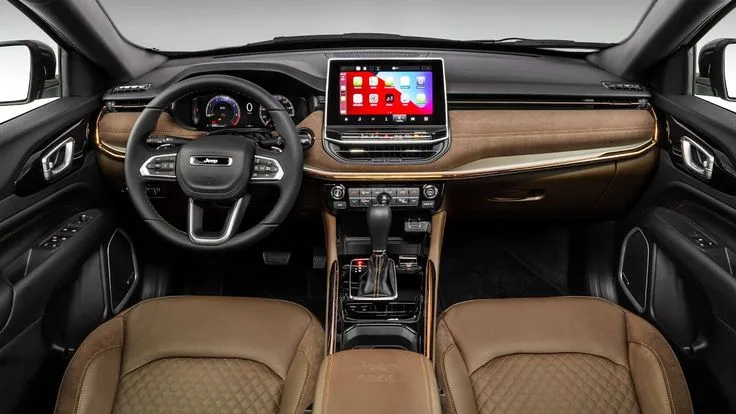
Image source: Bing (Web (fair-use with source credit))
Engine, Drivetrain, and Performance
Under the hood, the Jeep Commander offered a few engine choices, with the most common being a 3.7-liter V6. This engine provided respectable power for its time, suitable for everyday commuting and highway driving. Higher trims and certain model years also featured more potent V8 options, like the 4.7-liter and the 5.7-liter HEMI, which significantly boosted performance and towing capability.
The Commander was available with either rear-wheel drive or Jeep's renowned four-wheel-drive (4WD) systems. The 4WD options, especially the more robust ones, enhanced its traction and capability in varied conditions, from inclement weather to light off-road trails. This made it a more versatile choice for those living in areas with challenging terrain or those who enjoyed outdoor adventures.
Towing and Off-Road Potential
Jeep has always been associated with off-road prowess, and while the Commander wasn't a Wrangler, it offered a degree of capability. With the right engine and drivetrain configuration, many Commanders could tow trailers, boats, or recreational equipment. Manufacturer specifications often cited towing capacities in the range of 5,000 to 6,500 pounds, depending on the engine and towing package.
While not designed for extreme rock crawling, the Commander’s available 4WD systems and respectable ground clearance provided confidence in slippery conditions or on unpaved roads. It was more than capable of handling a gravel driveway, a snowy mountain pass, or a dirt access road to a campsite, distinguishing it from many more urban-focused crossovers.
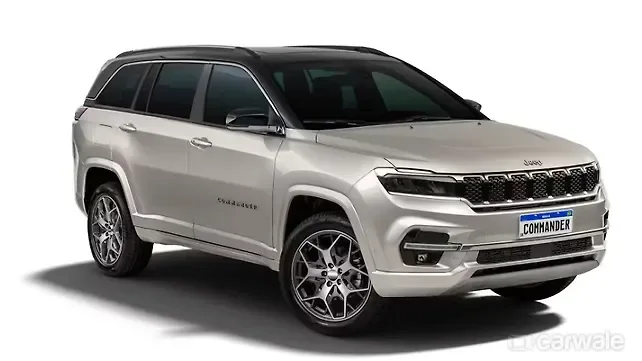
Image source: Web (Bing) / carwale.com (Web image (fair-use with source credit))
The Good and The Not-So-Good: Jeep Commander Pros and Cons
When evaluating any used vehicle, understanding its highs and lows is crucial. The Jeep Commander has a distinct set of characteristics that appeal to some buyers while deterring others. Aggregate reviews and owner feedback highlight a few recurring themes.
What Owners Love
- Versatile Seating and Cargo: The 7-seat capacity and flexible cargo area are consistently praised. It’s a practical choice for families who need to transport multiple people and their gear.
- Jeep Styling: Many appreciate the Commander's more rugged, boxy appearance, which sets it apart from the sleeker designs of many competitors. It retains that distinctive Jeep aesthetic.
- Available 4WD Capability: For those in snowy climates or who enjoy occasional off-pavement excursions, the available four-wheel-drive system offers added confidence and utility.
- Towing Capacity: With the proper engine and equipment, its towing capacity is sufficient for many light-duty towing needs, from small utility trailers to jet skis.
- Potential Value: As a used vehicle, the Commander can often be found at a lower price point compared to newer, similarly sized SUVs, offering a lot of space for the money.
Where the Commander Falls Short
- Fuel Economy: This is a common complaint. The V6 and especially the V8 engines, combined with the vehicle's weight and less aerodynamic design, result in below-average fuel efficiency.
- Reliability Concerns: While not universally problematic, certain model years and components have been reported to have more issues than some competitors. This is a significant factor to consider for used car buyers.
- Third-Row Space: While it has seven seats, the third row is quite cramped and best suited for children or shorter trips. Adults will find it uncomfortable for any extended journey.
- Older Technology: Depending on the model year, the interior technology and infotainment systems can feel dated compared to modern vehicles.
- Ride Quality: The ride can be firmer and less refined than many unibody crossovers, reflecting its more traditional SUV underpinnings.
Common Jeep Commander Issues to Watch For
Buying a used SUV means being prepared for potential wear and tear, and the Jeep Commander is no exception. Our research indicates certain model years and specific components are more prone to issues than others. Being aware of these common problems can help you inspect a vehicle more thoroughly and budget for potential repairs.
For instance, several owner reports and automotive forums mention issues with the power steering system. Symptoms can include whining noises, stiffness, or leaks. This can be a costly repair if not addressed promptly.
Another area to scrutinize is the transmission, particularly on models with higher mileage. Shifting problems, such as harsh shifts, slipping, or delayed engagement, can indicate internal wear.
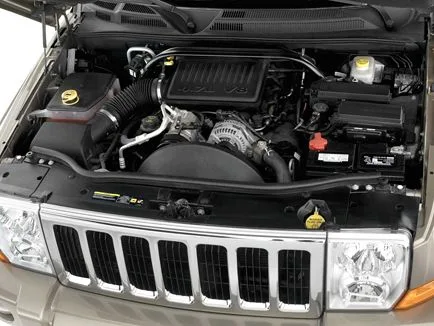
Image source: Bing (Web (fair-use with source credit))
Other recurring concerns include:
- Electrical Gremlins: Owners have reported various electrical glitches, from issues with power windows and door locks to problems with the instrument cluster or various warning lights illuminating on the dashboard.
- Suspension Components: Wear and tear on suspension parts like ball joints, control arms, and bushings are common in older SUVs and can lead to noises, poor handling, and uneven tire wear.
- Exhaust System Leaks: Older vehicles can develop exhaust leaks, often noticeable by a louder-than-usual engine sound, especially when cold.
- Cooling System: Overheating issues can arise if the radiator, water pump, or cooling fans are not functioning optimally. Regular coolant flushes are vital.
It's highly recommended to get a pre-purchase inspection from an independent mechanic who is familiar with Jeep vehicles. They can identify these potential problems before you commit to a purchase. Understanding these common issues can help you determine if a particular vehicle has been well-maintained or if it's likely to require significant immediate repairs.
Jeep Commander vs. The Competition
When you're looking at a used Jeep Commander, you're likely also considering other three-row SUVs from the same era. The market for these vehicles is competitive, and several other models offer similar practicality with their own distinct advantages and disadvantages. Comparing the Commander to its main rivals helps clarify its position and who it might be best for.
How it Stacks Up Against Key Rivals
- Jeep Grand Cherokee: Often seen as the Commander's more upscale sibling, the Grand Cherokee typically offered more refined road manners and often more advanced features, though generally with only two rows of seating. The Commander's primary advantage over the Grand Cherokee was its third-row capability.
- Ford Explorer: A direct competitor, the Explorer offered a similar blend of passenger space and utility. Depending on the model year, the Explorer might offer better fuel efficiency or more modern interior features, but the Commander often held an edge in perceived ruggedness and available 4WD systems for more serious off-pavement use.
- Toyota Highlander / Honda Pilot: These Japanese SUVs are renowned for their reliability and fuel efficiency. While they may not offer the same level of off-road capability or rugged styling as the Commander, they are often considered safer bets for long-term, trouble-free ownership. If unwavering reliability and better MPG are top priorities, these are strong alternatives.
- Dodge Durango: Sharing some platform components with the Commander, the Durango often presented a more muscular design and could be optioned with powerful V8 engines, including the HEMI. It also offered three rows of seating, making it a close competitor, though sometimes with a focus on performance over outright off-road prowess.
When to Choose a Commander Over Alternatives
The Jeep Commander shines for buyers who want that classic Jeep image in a larger, family-friendly SUV package. If you need seating for seven and value a more robust, truck-like feel, the Commander is worth considering. Its available 4WD systems can also be a significant draw if you frequently encounter slippery conditions or enjoy venturing onto unpaved roads where a typical crossover might struggle.
Furthermore, if you find a well-maintained Commander at a compelling price, it can offer excellent value for the amount of space and utility it provides compared to some newer or more established rivals.
Who Should Consider a Used Jeep Commander?
The Jeep Commander isn't a one-size-fits-all SUV; its particular blend of features and compromises means it appeals to a specific type of buyer. If you're weighing this vehicle, consider if your needs align with what it does best.
Ideal Use Cases and Driver Profiles
This SUV is a solid choice for families needing flexible seating and cargo space without wanting to drive a minivan. If you often have extra passengers, perhaps for carpools, sports teams, or family outings, the Commander's three rows are a major plus. It’s also well-suited for individuals or couples who need to haul larger items occasionally, like furniture, camping equipment, or home improvement supplies, and appreciate the SUV's cargo volume.
For those living in areas with variable weather conditions or rougher roads, the available four-wheel-drive system provides an added layer of confidence and capability. It’s not an extreme off-roader, but it’s more than capable of handling snowy driveways, gravel roads, or slippery trails leading to a weekend getaway spot. The driver who appreciates Jeep's distinctive styling and its more traditional SUV feel, rather than the car-like ride of many crossovers, will likely find the Commander appealing.
They should also be someone who is diligent about vehicle maintenance or has access to a trusted mechanic, given the potential for certain mechanical issues as outlined previously.
Jeep Commander: Costs to Consider
When you're looking at a used Jeep Commander, understanding the ongoing costs is just as important as the purchase price. Fuel economy is a primary concern for many buyers, and the Commander, particularly with its V6 or V8 engines, isn't the most fuel-efficient SUV on the market. Manufacturer specifications from its production era often show EPA estimates in the mid-to-high teens for combined city/highway driving for V6 models, and lower for V8 variants.
As of 2026, fuel prices remain a significant factor in overall ownership expense.
Beyond fuel, maintenance and potential repairs are key considerations. While some Jeep Commander models have proven reliable with proper care, others have reported higher-than-average repair frequencies, as noted in our section on common issues. Budgeting for routine maintenance like oil changes, tire rotations, and fluid flushes is essential.
Additionally, being aware of the potential for repairs related to the power steering, transmission, or electrical systems can help you plan financially. Getting a thorough pre-purchase inspection is critical for identifying any immediate needs that could impact your budget.
Fuel Economy and Maintenance Expectations
The fuel economy of a Jeep Commander varies based on the engine and drivetrain. A 3.7-liter V6 model, for example, might average around 15-16 MPG in city driving and 20-22 MPG on the highway. Opting for a more powerful 4.7-liter or 5.7-liter V8 will significantly drop these figures, likely into the low to mid-teens for combined mileage.
This means more frequent stops at the gas station and a higher monthly fuel bill compared to more modern or fuel-efficient SUVs.
Maintenance costs for a Commander are generally in line with other SUVs from its generation, though some specific Jeep models can incur higher repair bills if certain common issues arise. Regular oil changes (typically every 5,000 to 7,500 miles, depending on oil type and driving conditions), tire rotations, and brake checks are standard. Owners should also be mindful of transmission fluid changes and coolant flushes according to the maintenance schedule found in the owner's manual.
For those considering a 4WD model, regular inspection of the transfer case and differentials is also advised.
Frequently Asked Questions About the Jeep Commander
What were the main engine options for the Jeep Commander?
The Jeep Commander was primarily offered with a 3.7-liter V6 engine. Optional, more powerful engines included a 4.7-liter V8 and a 5.7-liter HEMI V8, which provided increased performance and towing capability.
Is the Jeep Commander good in snow?
With its available four-wheel-drive system and decent ground clearance, the Jeep Commander can perform well in snowy conditions. Proper tires also play a significant role in its winter traction.
Are Jeep Commanders reliable?
Reliability can be a mixed bag depending on the specific model year and how well the vehicle has been maintained. As discussed, certain components and model years have reported more issues than others, so a thorough inspection is crucial.
How many people can fit in a Jeep Commander?
The Jeep Commander is designed to seat up to seven people across three rows of seating. However, the third row is best suited for children or shorter adults due to its limited space.
What is the towing capacity of a Jeep Commander?
Towing capacity varies by engine and configuration, but many Jeep Commanders are rated to tow between 5,000 and 6,500 pounds when properly equipped with a towing package. This makes it suitable for towing medium-sized trailers or boats.
Final Verdict: Is the Jeep Commander the Right Used SUV for You?
Deciding whether the Jeep Commander is the right used SUV hinges on your priorities. If you need ample seating for up to seven people and appreciate a vehicle with a more rugged, traditional SUV presence, it's definitely worth considering. Its available four-wheel-drive system adds valuable capability for challenging weather or light off-road excursions.
For those who find a well-maintained Commander at an attractive price, it can offer a lot of utility for the money, especially compared to newer models.
However, you must weigh these advantages against its significant drawbacks. The Commander's fuel economy is not competitive by today's standards, and potential buyers should be prepared for the possibility of higher maintenance or repair costs, particularly with certain model years known for specific issues. Thoroughly inspecting any potential purchase and budgeting for any necessary work is essential.
If reliability and fuel efficiency are paramount, other SUVs might be a safer bet. But if its unique blend of style, space, and capability fits your lifestyle, and you're ready for the potential costs, the Jeep Commander could still be a compelling option.