How Many Seats Does a Jeep Commander Have?
When you're looking into a Jeep Commander, one of the first things that comes to mind is just how many folks can actually fit inside. This isn't just a casual thought; it's crucial for planning family trips or just everyday carpooling. So, how many seats does a Jeep Commander have?
The answer, as with many vehicle details, isn't a single number but depends on a few key factors.
Manufacturer specifications indicate that Jeep Commanders were produced in configurations that offered either five or seven seats. This flexibility was a selling point, allowing buyers to choose the setup that best matched their passenger-carrying needs. Understanding these differences is key before you even look at a specific vehicle.
How Many Seats Does a Jeep Commander Have?
Jeep Commanders typically offer either five or seven seats. The exact number depends on the specific model year and trim level you're looking at. Most Commanders were equipped with a third row, bringing the total to seven, but some configurations only came with two rows for a five-seat capacity.
Understanding Your Jeep Commander's Seating Capacity
The number of seats in a Jeep Commander isn't a one-size-fits-all answer. It really boils down to the specific configuration Jeep offered for different model years and trim levels. This is why when you're researching or looking to buy, you'll see mentions of both five- and seven-passenger versions.
Why Seating Varies by Model Year
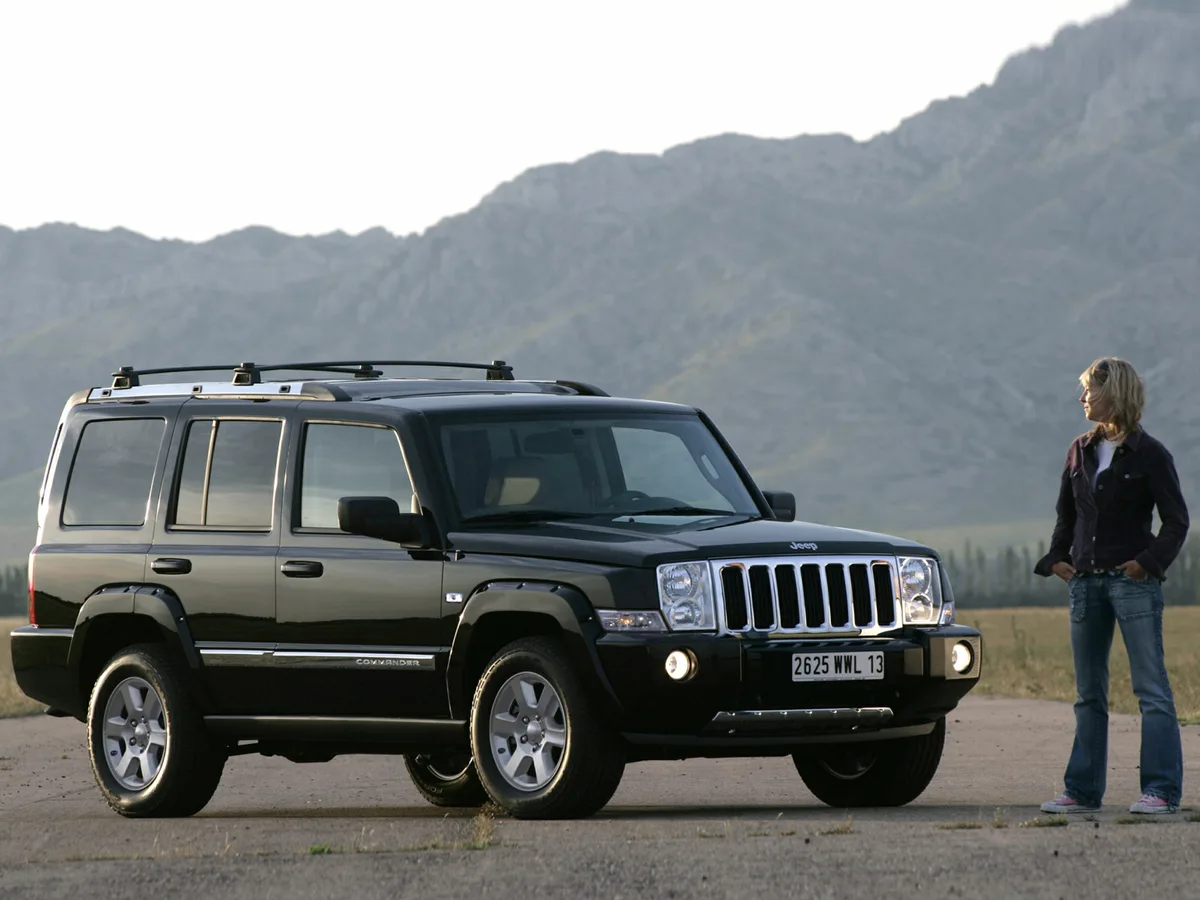
Jeep updated its offerings over the years, and the Commander was no exception. For instance, early production runs might have had different standard seating arrangements than later ones. Manufacturers often tweak these details to appeal to different market segments or to introduce new feature packages.
So, a 2006 Commander might have a different standard seat count than a 2010 model.
Identifying Your Specific Configuration
To know for sure how many seats your Jeep Commander has, you'll need to check a few things. The most direct method is to look at the vehicle itself. If you can see a third row of seats folded down or in place, that's your clear indicator.
If you're buying used, the seller or the vehicle’s listing should specify the seating capacity. Manufacturer documentation or the VIN (Vehicle Identification Number) decoder can also provide this information.
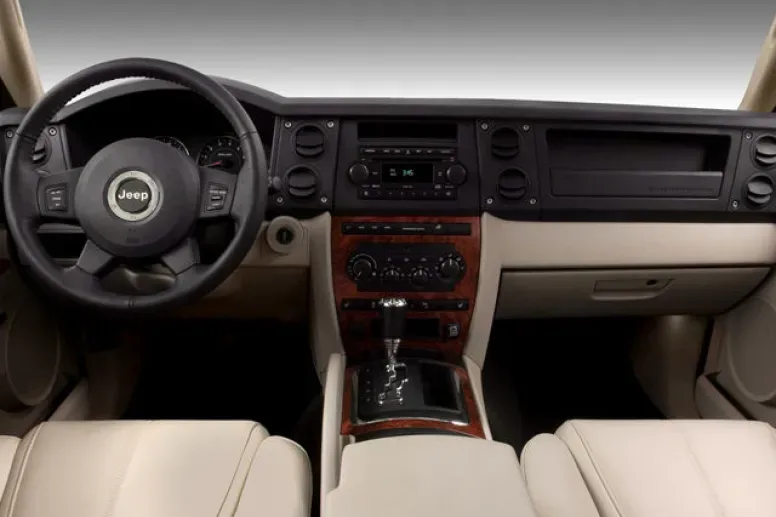
Image source: Bing (Web (fair-use with source credit))
Navigating Commander Seat Options: A Decision Guide
Figuring out whether you need a five- or seven-seat Jeep Commander comes down to your personal needs and how you plan to use the vehicle. Both options have their advantages, and the choice often depends on your family size, whether you often drive with extra passengers, or if you prioritize cargo space over seating.
The 7-Seater vs. 5-Seater Choice
The most common configuration for the Jeep Commander was the seven-seat option, which included a third row of seating. This made it a popular choice for larger families or those who frequently transported multiple passengers. The third row typically provides seating for two people, bringing the total to seven when combined with the two front seats and the second-row bench.
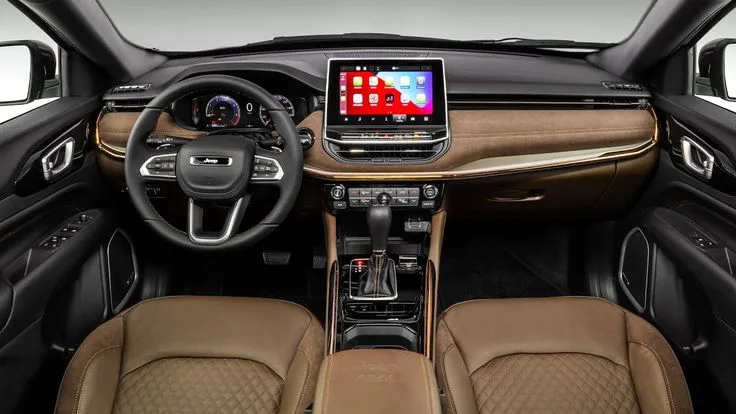
However, Jeep also produced Commander models with a two-row, five-seat configuration. These vehicles omit the third-row seating entirely, offering more generous cargo space behind the second row. This might be the better choice if you rarely carry more than four or five people but often need extra room for luggage, gear, or shopping.
What to Look For on the Lot or in Your Driveway
When you're physically inspecting a Jeep Commander, spotting the seating arrangement is usually straightforward. Look for the presence of a distinct third row of seats, which are typically located behind the second row. You'll often see them folded flat into the floor when not in use, or they might be partially visible.
The second row itself can also offer clues; if it's a bench designed for three passengers, it’s likely part of a seven-seat layout.
If the vehicle only has two rows of seats, with ample cargo space directly behind the second row, it's almost certainly a five-seater. You can also often find specific badging or trim details that denote a "7-passenger" or similar designation on the exterior or interior of the vehicle, though this isn't always present.
Common Commander Seating Mistakes to Dodge
When people are looking for a Jeep Commander, especially if they're less familiar with the model's variations, a few common mistakes can lead to confusion or disappointment regarding seating capacity. Being aware of these pitfalls can save you a lot of hassle and ensure you find the right vehicle.
Assuming All Commanders Are the Same
The biggest mistake is assuming that every Jeep Commander you see will have the same number of seats. Because Jeep offered different configurations, this assumption can lead you to believe a vehicle has a third row when it doesn't, or vice versa. This is particularly relevant if you're browsing online listings or looking at vehicles from a distance.
Always confirm the specific configuration for the exact vehicle you're interested in.
Overlooking Configuration Details
Another frequent error is overlooking the specific trim level or package details. Sometimes, a specific trim might have been offered with different seating options, or a previous owner might have made modifications. It's not just about whether a third row is physically present, but whether it's designed to be used and is safely integrated.
For example, if the third-row seats are missing entirely, the vehicle technically no longer offers that seating capacity.
Maximizing Your Commander's Passenger Potential
Choosing a Jeep Commander, particularly the seven-seat version, opens up a world of possibilities for carrying passengers and making the most of your journeys. It’s a vehicle designed with utility in mind, and its seating capacity is a major part of that appeal for many owners.
Benefits for Families and Groups
For families, the seven-seat configuration can be a game-changer. It means you can comfortably take grandparents, extra kids, or friends along for outings without needing a second car. This is especially handy for school runs, soccer practice carpools, or even weekend adventures where everyone wants to stick together.
The added seating also means less Tetris-like arrangement of people and bags when you're heading out. For larger families, it simply expands the number of people you can accommodate on a daily basis or for longer trips. This versatility is a key reason why SUVs with a third row remain so popular.
Practical Use Cases
Beyond just everyday family hauling, the Commander's seating capacity lends itself to various practical scenarios. Think road trips where everyone can share the driving or have their own space. It’s also great for transporting teams to events, carrying groups of friends to a concert, or even helping out friends who are moving by providing extra passenger space for their belongings.
If you opt for the five-seat model, the benefit shifts to cargo. With the second row in place, you still have decent room, but with it folded down, you gain significant flat cargo space, perfect for larger shopping hauls, sports equipment, camping gear, or even small furniture items. This flexibility makes the Commander a capable vehicle for a wide range of tasks.
Making the Right Choice for Your Needs
Deciding between a five- or seven-seat Jeep Commander hinges on your primary use for the vehicle. If you often have more than four passengers, or if you anticipate needing to transport children’s friends or extended family regularly, the seven-seat configuration is the clear winner. This setup provides the flexibility to handle larger groups without much issue.
However, if your typical passenger load is lighter, and you frequently haul gear, groceries, or larger items, the five-seat model offers a distinct advantage. The absence of the third row creates a more expansive and easily accessible cargo area behind the second row. This means less compromise when you need to fit bulky items like sports equipment or luggage for a family vacation.
Five Seats: Prioritizing Cargo and Flexibility
Choosing the five-seat Jeep Commander means you're opting for a more open cargo area. With the second-row seats in place, you still have reasonable space, but when those seats are folded down, you unlock a significantly larger and flatter loading floor. This configuration is ideal for weekend DIY projects where you might need to transport lumber or tools, or for outdoor enthusiasts who require space for camping gear, bikes, or kayaks.
The ease of accessing this larger space is a key benefit that many find invaluable for their lifestyle.
Seven Seats: Maximum Passenger Capacity
On the flip side, if your priority is simply moving the most people, the seven-seat Commander is your only option. It transforms the vehicle into a people-mover, capable of handling typical family duties and then some. While the third row isn't limousine-like, it offers a viable seating solution for children and smaller adults, especially for shorter trips or when maximizing passenger count is essential.
It effectively turns your SUV into a more versatile transporter for larger gatherings.
Which is Right for You? A Simple Checklist
To make the decision easier, consider these points:
- How many people do you regularly transport? If it's more than four, lean towards the seven-seater.
- Do you often carry large items? If yes, the five-seater's enhanced cargo space might be better.
- Are third-row passengers usually children or adults? Children fit more comfortably in the third row.
- Do you need flexibility for occasional larger groups? The seven-seater offers this, while the five-seater prioritizes cargo flexibility.
This straightforward assessment should point you toward the configuration that best fits your life.
Jeep Commander Seating FAQs
How many seats are standard in a Jeep Commander?
The most common configuration for the Jeep Commander included a third row, totaling seven seats. However, some models were produced with only two rows, offering a five-seat capacity.
Can you add a third row to a 5-seater Jeep Commander?
Generally, no. Adding a third-row seat to a vehicle that was not originally manufactured with one is a complex and often unsafe modification. It involves significant structural changes and is usually not feasible or legally permissible.
How much cargo space does a 7-seater Jeep Commander have with the third row up?
Cargo space behind the third row in a Jeep Commander is typically limited. It's usually sufficient for a few grocery bags or smaller pieces of luggage, but not for larger items or significant amounts of gear.
Is the third row in a Jeep Commander suitable for adults?
The third row in the Jeep Commander is best suited for children or smaller adults on shorter journeys. Legroom and headroom can be quite restricted, making it less comfortable for extended periods or for taller individuals.
How do I check the seating capacity of a used Jeep Commander?
You can check the seating capacity by looking at the vehicle's interior for the presence of a third row of seats. Alternatively, you can find this information on the vehicle's window sticker, in the owner's manual, or by running the Vehicle Identification Number (VIN) through an online decoder.