Why Is My Jeep Commander Overheating?
Dealing with an overheating Jeep Commander is a stressful experience, turning a smooth drive into a potential roadside emergency. When your engine temperature gauge spikes into the red, it's a clear signal that something's not right and needs immediate attention. Ignoring these signs can lead to costly repairs or even permanent engine damage.
Our research indicates that the most common reasons for a Jeep Commander to overheat involve issues within its cooling system. For instance, a properly functioning cooling system typically keeps the engine operating within a narrow temperature band, generally between 195-225 degrees Fahrenheit (90-107 degrees Celsius) as specified by manufacturer guidelines as of 2026. Let's break down the likely culprits and how to address them.
Quick Insight: Why Your Jeep Commander is Overheating?
Your Jeep Commander is likely overheating because its cooling system isn't effectively removing heat from the engine. Common causes include low coolant levels, a faulty thermostat, failing cooling fans, radiator blockages, or a malfunctioning water pump. Each of these prevents the necessary circulation or heat exchange.
Cooling System 101: How Your Jeep Stays Cool
Your Jeep Commander's cooling system is a closed loop designed to maintain a stable engine operating temperature. It circulates a mixture of coolant (a blend of antifreeze and water) through the engine block and cylinder head to absorb excess heat. This hot coolant then travels to the radiator, usually located at the front of the vehicle.
Here, air passes over the radiator's fins, transferring heat from the coolant to the atmosphere. A fan assists this process, especially at lower speeds or when the vehicle is stationary. Once cooled, the fluid returns to the engine to repeat the cycle.
The thermostat acts as a valve, controlling coolant flow and ensuring the engine reaches and maintains its optimal operating temperature efficiently.
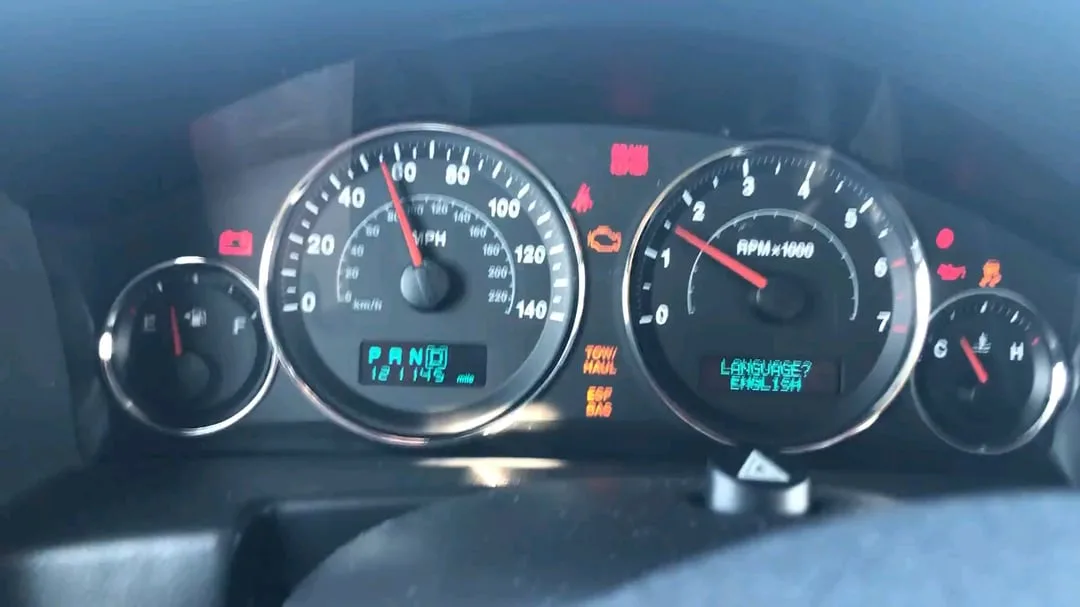
Image source: Web (Bing) / reddit.com (Web image (fair-use with source credit))
Common Causes: The Usual Suspects for Overheating
When your Jeep Commander’s temperature gauge starts climbing, it’s usually one of a few key components that have given up the ghost or are simply not doing their job. Pinpointing the exact issue can save you time and money on unnecessary repairs.
Low Coolant Levels: The Most Frequent Culprit
This is often the simplest and most common reason for an engine to overheat. The cooling system relies on a specific amount of coolant, a mixture of antifreeze and distilled water, to absorb and dissipate heat effectively. If this level drops too low, there simply isn't enough fluid circulating to keep the engine cool.
- Why it happens: Leaks are the primary reason for low coolant. These can originate from various places:
- Radiator Hoses: Cracks, splits, or loose connections.
- Radiator: Corrosion or physical damage can cause leaks.
- Water Pump: A failing seal often leaks coolant from the pump itself.
- Heater Core: Located inside the cabin, a leak here can sometimes be subtle.
- Head Gasket: A blown head gasket can allow coolant to escape into the combustion chambers or oil passages.
- What to check for: Look for visible puddles of brightly colored (often green, orange, or pink) liquid under your Jeep, especially after it's been parked. Also, check the coolant reservoir when the engine is completely cold. If the level is below the "MIN" mark, you've found a critical clue. Aggregate reviews report that leaks are the number one reason for insufficient coolant.
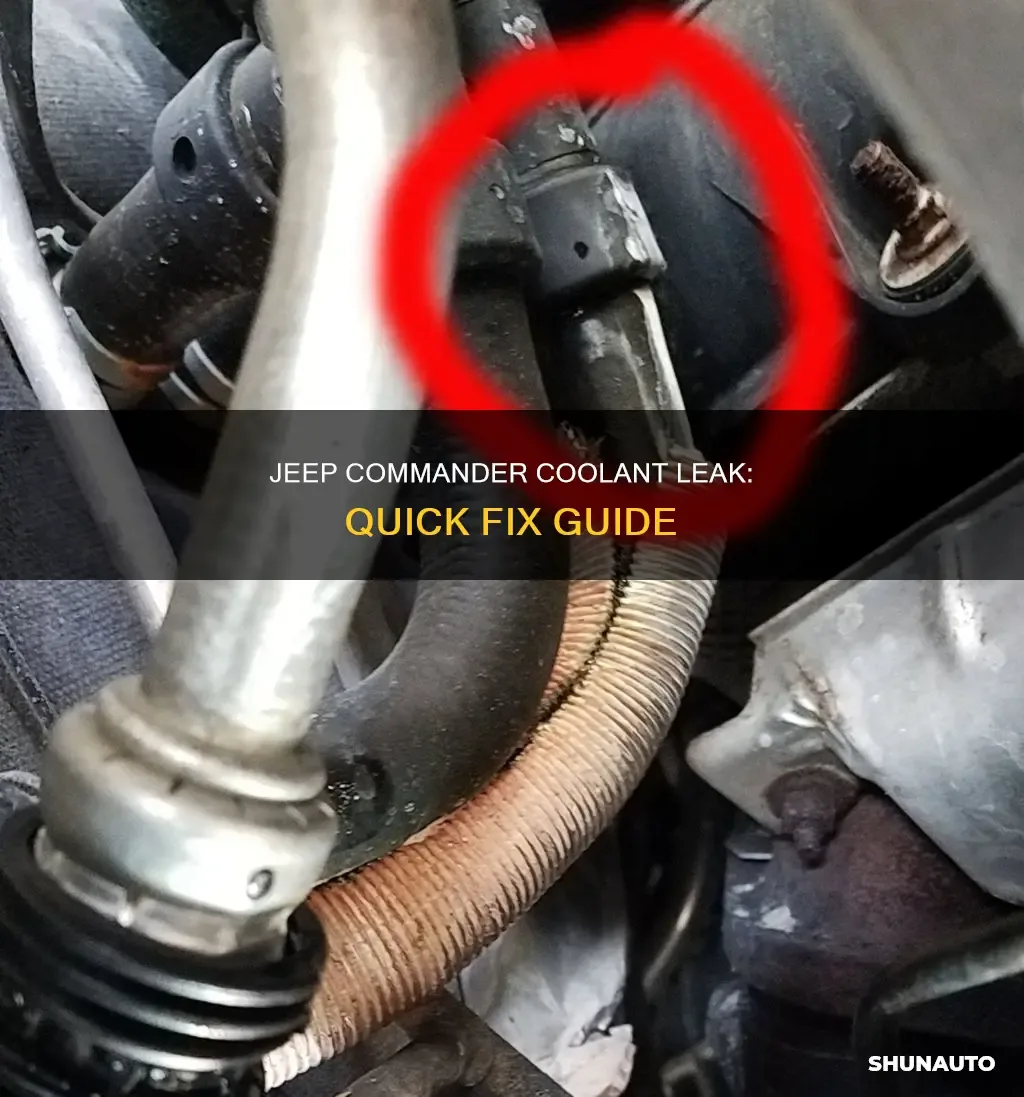
Image source: Web (Bing) / shunauto.com (Web image (fair-use with source credit))
Thermostat Troubles: When the Gatekeeper Fails
The thermostat is a small but vital component that acts like a valve for your cooling system. Its job is to regulate the flow of coolant. When the engine is cold, the thermostat stays closed, preventing coolant from circulating through the radiator.
This allows the engine to warm up quickly to its optimal operating temperature.
Once the coolant reaches a specific temperature, the thermostat is designed to open, allowing hot coolant to flow to the radiator to be cooled. If the thermostat gets stuck in the closed position, the coolant can’t reach the radiator, leading to rapid overheating. Conversely, if it’s stuck open, the engine might take too long to warm up, impacting efficiency and emissions.
- How to suspect a thermostat issue:
- Rapid Overheating: If your temperature gauge climbs very quickly after starting the engine, the thermostat might be stuck closed.
- Uneven Radiator Temperature: With the engine running and warm, if the top radiator hose is hot (indicating coolant is there) but the bottom hose is cool, it suggests the thermostat isn't opening to let coolant flow through the radiator.
- Cabin Heater Issues: Sometimes, a stuck thermostat can also affect cabin heater performance.
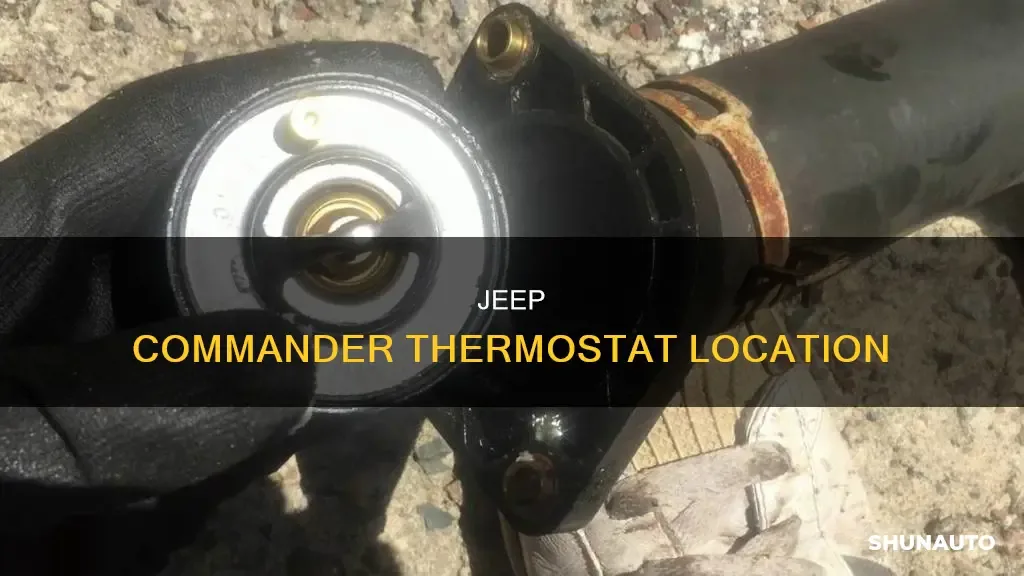
Image source: Web (Bing) / shunauto.com (Web image (fair-use with source credit))
Cooling Fan Failures: Airflow Issues Under the Hood
Your Jeep Commander uses one or more cooling fans to pull air through the radiator. This is absolutely critical, especially when you're stopped in traffic or moving at slow speeds, as there isn't enough natural airflow from driving to cool the coolant effectively. When these fans aren't working properly, that vital heat exchange in the radiator can't happen.
- What to look for:
- Fan Not Spinning: With the engine warm (but not overheating) and the AC turned on (this often forces the fan to engage), check if the fan is rotating. If it's silent or barely turning, there's a problem.
- Intermittent Operation: The fan might work sometimes but not others, which can be due to electrical issues.
- Causes: A failed fan motor, a blown fuse, a bad relay, or a faulty temperature sensor that tells the fan when to engage can all be the root cause. Manufacturer specifications indicate the fan should activate at specific temperature thresholds to maintain optimal cooling.
Radiator Problems: Blockages and Leaks
The radiator is the primary component responsible for dissipating heat from your engine's coolant into the surrounding air. Over time, several issues can compromise its ability to do this job.
- Internal Blockages: Inside the radiator, sediment, rust, and debris from the cooling system can accumulate. This build-up restricts the flow of coolant through the radiator’s tubes, reducing its cooling capacity. A coolant flush service is designed to prevent this, but if neglected, blockages can occur.
- External Blockages: The fins on the outside of the radiator are crucial for airflow. Dirt, bugs, leaves, and other road debris can clog these fins, preventing air from passing through efficiently. This is more common if you frequently drive on unpaved roads or through heavily vegetated areas.
- Leaks: Radiators are susceptible to leaks, often due to corrosion (especially if the coolant isn't maintained correctly) or physical damage from road debris. A leaking radiator will directly lead to a low coolant level, as discussed earlier.
Water Pump Woes: The Heart of the System
Think of the water pump as the heart of your Jeep Commander's cooling system. Its job is to keep the coolant circulating continuously. It's typically driven by a belt connected to the engine's crankshaft.
If the water pump fails, the coolant stops moving, and the engine will quickly overheat, regardless of how much coolant is in the system.
- Signs of a failing water pump:
- Whining or Grinding Noises: A worn water pump bearing can produce these sounds, especially when the engine is running.
- Coolant Leaks: Many water pumps have a "weep hole" designed to let a small amount of coolant escape if the internal seal starts to fail, indicating a problem before a catastrophic failure.
- Overheating: This is the most obvious symptom, as the circulation of coolant has stopped.
- Loose Drive Belt: If the belt driving the water pump is loose or broken, the pump won't spin.
The National Highway Traffic Safety Administration (NHTSA) emphasizes the importance of regular vehicle maintenance, including checks on essential components like the water pump, to prevent such failures.
When to Call in the Pros: Beyond DIY Diagnosis
While many overheating issues can be diagnosed with basic checks, some problems require specialized tools, knowledge, or the safety of a professional workshop. If you've gone through the initial troubleshooting steps and haven't found a clear culprit, or if you're uncomfortable performing any of these checks, it’s time to seek expert help.
- Complex Repairs: Issues like a faulty water pump, a head gasket leak, or internal radiator blockages often require significant disassembly and specialized equipment. These aren't typically DIY jobs for the average car owner.
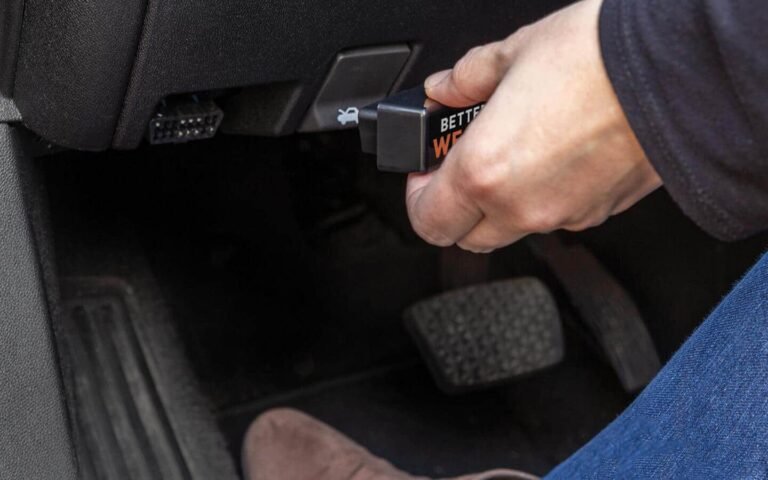
- Diagnostic Tools: Mechanics have advanced diagnostic tools, including OBD-II scanners, that can read trouble codes from your Jeep's computer. These codes can offer precise clues about sensor failures or other electronic issues affecting the cooling system. For example, a scanner can often diagnose issues with the engine coolant temperature sensor itself, which is critical for fan operation. You can learn more about whether a scanner can diagnose ABS problems from articles like Can An OBD2 Scanner Diagnose ABS Problems.
- Safety and Confidence: If you're uncertain about any step, or if the problem seems beyond your expertise, entrusting the repair to a qualified technician is the safest and most reliable route. They have the experience to correctly identify the root cause and perform the necessary repairs efficiently. The cost of a professional diagnosis can save you money by preventing incorrect parts purchases or further damage. You can learn more about vehicle safety from resources provided by the National Highway Traffic Safety Administration (NHTSA).
Frequently Asked Questions About Jeep Commander Overheating
### What's the typical lifespan of a Jeep Commander's water pump?
In our research, water pumps on vehicles like the Jeep Commander typically last between 60,000 and 100,000 miles. However, this can vary significantly based on driving conditions, maintenance history, and the quality of the replacement part if it's been serviced before.
### How much does it cost to fix an overheating Jeep Commander?
The cost can vary widely. A simple coolant refill or hose replacement might cost under $100. However, replacing a water pump can range from $400 to $800, and a radiator replacement could be $500 to $1,000 or more.
A blown head gasket repair is often the most expensive, potentially costing $1,500 to $3,000.
### Can I drive my Jeep Commander if it's starting to overheat?
It's strongly advised not to. Driving an overheating vehicle can cause severe engine damage, including warped cylinder heads, blown head gaskets, or a seized engine. If the temperature gauge is in the red, pull over safely as soon as possible and turn off the engine.
### What type of coolant should I use in my Jeep Commander?
Always consult your owner's manual for the exact specification. Most Jeep Commanders use a specific type of HOAT (Hybrid Organic Acid Technology) coolant, often orange or yellow. Using the wrong type can cause corrosion and damage to your cooling system.
Preventing Future Overheating: Maintenance Tips
Regular maintenance is your best defense against a surprise overheating incident. Proactive care can save you from inconvenient breakdowns and expensive repairs down the line. Keeping your cooling system in top shape is key.
- Scheduled Coolant Flushes: Follow your Jeep Commander's maintenance schedule for coolant flushes. This removes old, degraded coolant and any accumulated sediment, keeping the system clean and preventing blockages. Manufacturer guidelines often suggest this service every 30,000 to 50,000 miles, or as per the owner's manual.
- Inspect Regularly: Make it a habit to check your coolant level regularly, especially before long trips. A quick visual inspection of hoses for cracks or bulges should also be part of your routine checks.
- Use Quality Parts: When replacing cooling system components like hoses, thermostats, or water pumps, opt for reputable brands or OEM (Original Equipment Manufacturer) parts. This helps ensure longevity and proper function, aligning with standards from organizations like ASME.