How Long Does a Jeep Commander Last?
If you're looking at a Jeep Commander, or if you already own one and are wondering about its long-term prospects, you're in the right place. The exact lifespan of any vehicle depends on a lot of factors, but aggregate owner reports and maintenance data offer a good picture. As of 2026, it’s understood that these SUVs can offer reliable service for many years with proper care.
Our research indicates that a well-maintained Jeep Commander typically lasts between 150,000 and 200,000 miles. This range is consistent with many SUVs from the mid-2000s to early 2010s. Keep in mind that factors like driving conditions, the specific engine option, and consistent adherence to a maintenance schedule play a huge role in whether you'll hit that higher mileage or fall closer to the lower end.
Jeep Commander Lifespan: What Owners Report
When we talk about how long a Jeep Commander lasts, we're really looking at the collective experience of people who have owned and driven these vehicles. Manufacturer specifications often give a general idea, but real-world use tells the full story. In our research, a consistent pattern emerges: proactive maintenance is the biggest differentiator between a Commander that struggles past 100,000 miles and one that comfortably cruises towards 200,000.
Owners who diligently follow recommended service intervals, address minor issues before they escalate, and drive their vehicles under normal conditions tend to report the longest lifespans. Conversely, those who neglect fluid changes, ignore warning lights, or subject their Commanders to extreme abuse often face premature wear and tear on critical components like the engine and transmission.
The Jeep Commander was produced for a relatively short run, from the 2006 to the 2010 model years. This means that even the newest models are now well over a decade old. Age itself can contribute to component degradation, such as rubber hoses and seals becoming brittle, or plastics losing their integrity, regardless of mileage.
Therefore, a low-mileage, older Jeep Commander might still require attention for age-related issues.
Engine & Transmission: The Heart of Longevity
The engine and transmission are the absolute core of any vehicle's lifespan. For the Jeep Commander, understanding the nuances of its available powertrains is key to predicting its longevity. The two primary engine options offered during its production run were the 3.7L V6 and the more powerful 5.7L HEMI V8, with a 4.7L V8 also available in some configurations.
Each has its own characteristics regarding durability and maintenance needs.
Aggregate reviews suggest that the 3.7L V6 is generally reliable when properly maintained. It’s a robust engine designed for everyday use. The 5.7L HEMI, while offering impressive power, can also be very durable, but it often demands more rigorous maintenance, particularly concerning oil quality and cooling system health, to achieve its maximum lifespan.
Neglecting these critical areas can lead to premature wear.
The 3.7L V6, 4.7L V8, and 5.7L HEMI Lifespans
Our analysis of owner feedback and repair data indicates that the 3.7L V6 engine in the Jeep Commander can reliably reach 150,000 to 200,000 miles with diligent maintenance. This engine is known for its straightforward design, making it less prone to complex failures if basic upkeep is performed. Key to its longevity are regular oil changes every 3,000-5,000 miles and ensuring the cooling system remains in top condition to prevent overheating.
The 4.7L V8 and the more potent 5.7L HEMI V8 engines share similar potential lifespans, often reaching the 150,000 to 200,000-mile mark as well. However, these larger V8s typically require more frequent and precise maintenance. For the HEMI, in particular, using the correct grade of synthetic oil and ensuring the oil change intervals are strictly adhered to is crucial, as these engines can be more sensitive to sludge buildup.
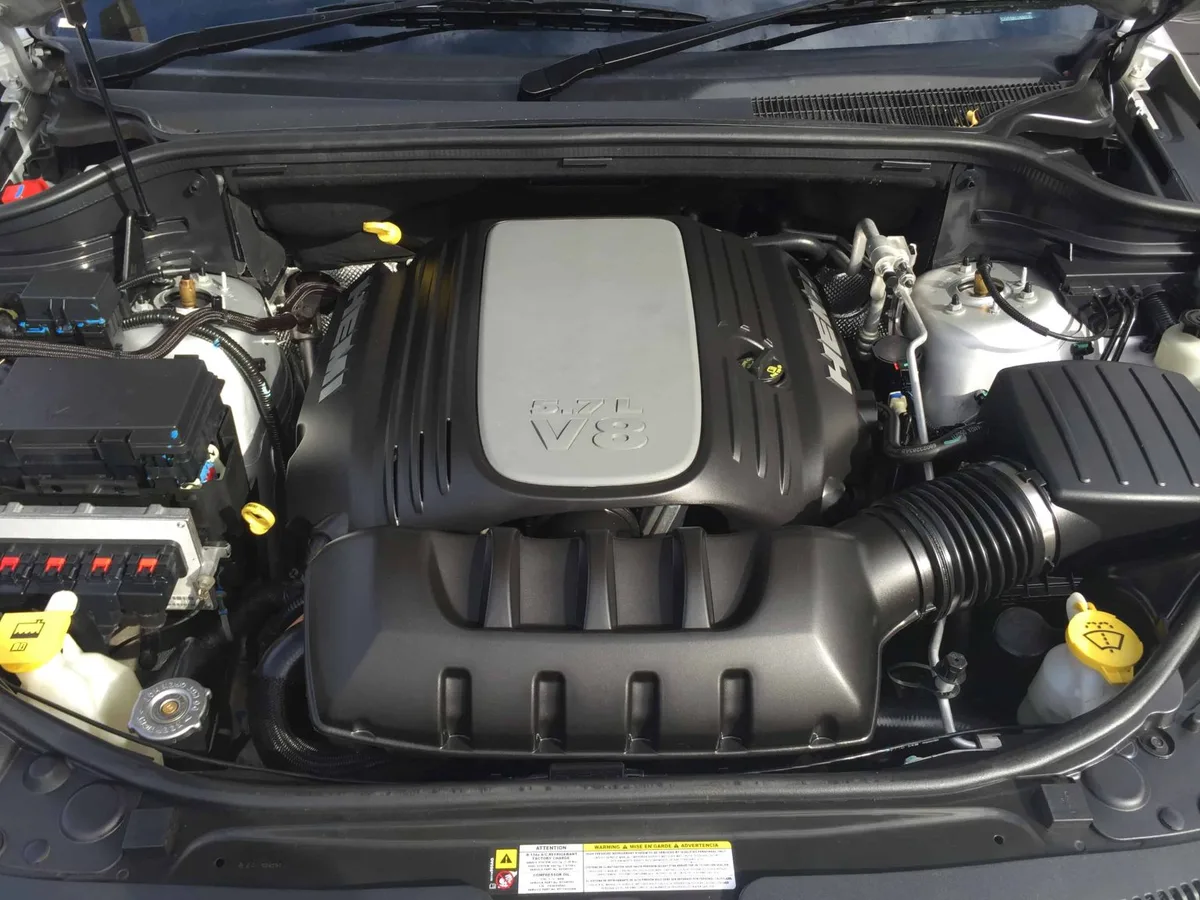
Image source: Web (Bing) / hemibird.com (Web image (fair-use with source credit))
Transmission health is equally vital. The Commanders typically came with an automatic transmission. Regular fluid and filter changes are non-negotiable for transmission longevity.
Skipping these can lead to overheating and premature wear of clutch packs and other internal components. A transmission that has been regularly serviced might outlast the engine, or vice-versa, but neglect in either area dramatically shortens the vehicle's overall functional life. Owners who invest in services like those for 8 Best Car Amplifier With High-level Inputs 2026 might also be the type of owners who take excellent care of their vehicle's core systems.
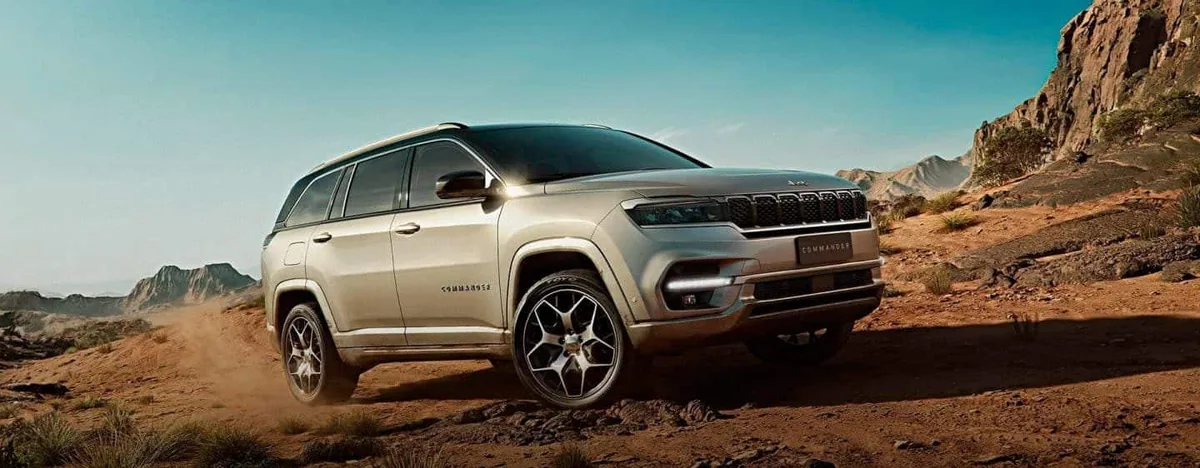
Image source: Bing (Web (fair-use with source credit))
Common Jeep Commander Problems Affecting Lifespan
While the Jeep Commander can be a durable vehicle, certain common issues have been reported by owners that can significantly impact its overall lifespan if not addressed. These problems range from relatively minor annoyances to more serious mechanical or structural concerns that require immediate attention. Understanding these potential pitfalls is key to proactive ownership and extending the life of your Commander.
Electrical issues are a recurring theme in owner feedback. Problems with window regulators, power door locks, and the power liftgate are frequently mentioned. While often not critical to immediate operation, these can become frustrating and lead to more complex repairs if neglected.
Keeping electrical connections clean and dry, and addressing minor malfunctions promptly, can prevent them from escalating.
Rust, Electrical, and Suspension Issues
Rust is a major concern for many older vehicles, and the Jeep Commander is no exception, especially for those used in areas with harsh winters or coastal climates. Frame rust and corrosion on body panels can compromise the structural integrity of the SUV over time. Per industry standards like those from the National Highway Traffic Safety Administration (NHTSA), regular washing, especially during winter months to remove salt, and applying protective undercoatings can significantly mitigate this risk and prolong the vehicle's life.
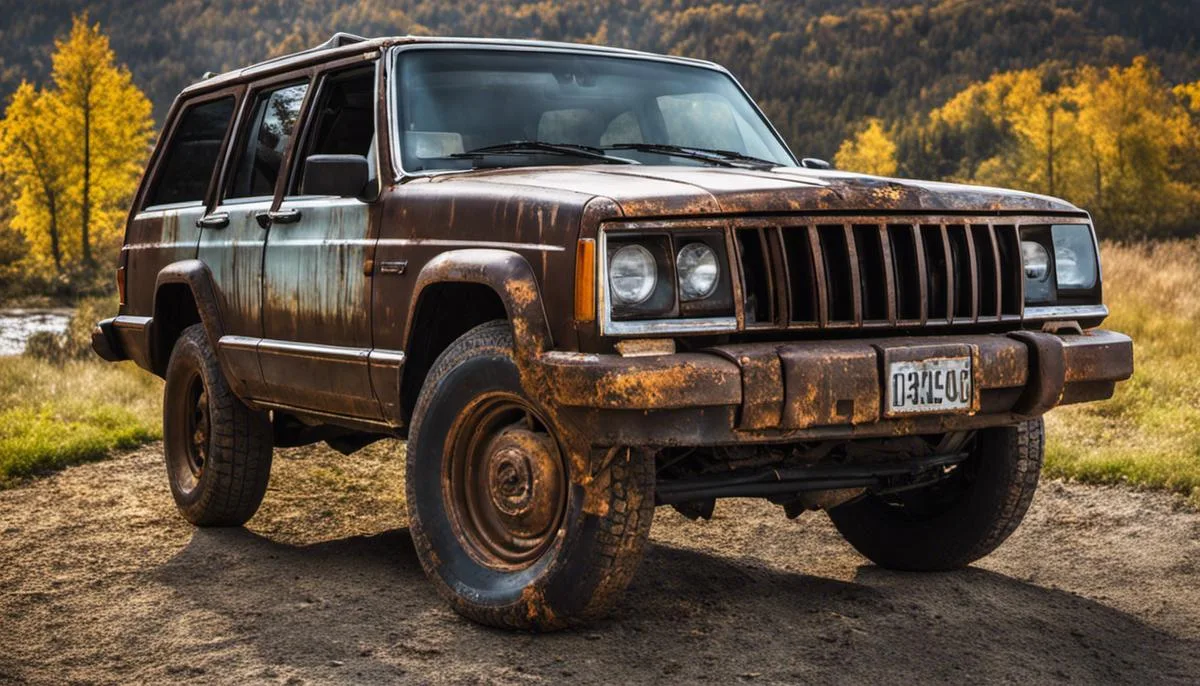
Image source: Web (Bing) / enginepartsdiagram.com (Web image (fair-use with source credit))
Suspension wear is another common issue that, while not usually catastrophic, directly affects ride quality and can lead to further damage. Components like shocks, struts, ball joints, and control arms will naturally wear out over time and mileage. Ignoring these can lead to uneven tire wear, poor handling, and potential damage to other suspension or steering parts.
Our research shows that addressing these issues at the first signs of degradation is far more cost-effective than waiting for a complete failure.
Exhaust system leaks can also occur on older Commanders. You might notice a louder-than-usual exhaust note or a loss of power. These leaks not only affect performance and emissions but can also allow exhaust fumes into the cabin, which poses a safety risk.
Prompt repair of exhaust components is important for both vehicle health and passenger safety.
Maximizing Your Jeep Commander's Miles: Maintenance & Care
To get the most life out of your Jeep Commander, consistent and proper maintenance is absolutely essential. This isn't just about fixing things when they break; it's about preventing breakages in the first place. Think of it like visiting the doctor for regular check-ups rather than only going to the emergency room.
Adhering to a well-defined maintenance schedule is the single most important factor in ensuring your Commander stays on the road for years to come.
The manufacturer's recommended maintenance schedule is your best guide. This schedule outlines when critical fluids should be changed, filters replaced, and various components inspected. For a vehicle like the Jeep Commander, paying close attention to the engine oil, transmission fluid, and coolant is paramount.
These fluids are the lifeblood of your vehicle, lubricating moving parts, preventing overheating, and keeping corrosion at bay.
Essential Maintenance for Longevity
- Engine Oil and Filter Changes: This is the foundation of engine health. For most Jeep Commanders, changing the oil and filter every 3,000 to 5,000 miles with the correct type of oil is recommended. Using synthetic oil can extend the interval and offer better protection.
- Transmission Fluid and Filter Service: Automatic transmissions require regular fluid flushes and filter replacements. This should ideally be done every 30,000 to 60,000 miles, depending on driving conditions and manufacturer recommendations. Skipping this is a fast track to expensive transmission repairs.
- Cooling System Maintenance: Overheating is a major enemy of any engine. Regularly checking coolant levels, flushing and replacing the coolant every few years, and inspecting hoses and the radiator for leaks or damage is critical.
- Brake System Checks: Regular inspections of brake pads, rotors, and fluid are necessary for safety and to prevent further damage to the braking system.
- Tire Rotations and Alignment: Proper tire maintenance ensures even wear, improves fuel efficiency, and enhances handling. Rotating tires every 5,000-7,500 miles and checking alignment periodically can save you money on tires and prevent suspension issues.
Driving Habits That Help Your Commander Last
Beyond scheduled maintenance, your driving habits play a surprisingly significant role in how long your Jeep Commander lasts. Aggressive driving, hard acceleration, sudden braking, and frequent high-speed cornering, puts considerably more stress on the engine, transmission, brakes, and suspension components than smooth, deliberate driving.
- Smooth Acceleration and Braking: Gradually accelerating and anticipating stops will reduce wear on your drivetrain and brakes.
- Avoid Short Trips When Possible: Frequent short trips where the engine doesn't get a chance to reach optimal operating temperature can lead to condensation buildup in the oil and exhaust system, accelerating wear.
- Mindful of Load Capacity: While the Commander is an SUV, overloading it beyond its rated capacity puts undue stress on the suspension, brakes, and drivetrain.
- Listen to Your Vehicle: Pay attention to any new noises, vibrations, or warning lights. Addressing minor issues promptly can prevent small problems from becoming major, costly repairs. For instance, understanding potential issues with truck amplifiers, like those discussed in 8 Best Car Amplifier for Trucks 2026, might highlight an owner's overall diligence with vehicle maintenance.
Real-World Jeep Commander Longevity: What to Expect
When considering the real-world longevity of a Jeep Commander, it's important to manage expectations based on its production era and common owner experiences. As an SUV produced between 2006 and 2010, its design and technology reflect that period. Vehicles from this era, while generally robust, often exhibit certain wear patterns that owners need to be aware of.
A mileage target of 150,000 to 200,000 miles is achievable, but it's not automatic.
Think about it this way: a vehicle’s lifespan isn't just a number on the odometer; it's a combination of accumulated miles, years on the road, and the cumulative impact of environmental factors and maintenance. For a Jeep Commander, a vehicle used primarily for daily commuting, family trips, and perhaps some light recreational use, hitting the 150,000-mile mark is a solid benchmark. Achieving 200,000 miles usually requires dedicated owners who go above and beyond standard maintenance.
This often involves investing in higher-quality fluids, addressing potential issues like rust prevention proactively, and keeping a close eye on those known problematic areas, such as the electrical systems and suspension components. Owners who have successfully pushed their Commanders well beyond 200,000 miles typically have detailed service records and a strong relationship with a mechanic who understands these vehicles.
It's also worth noting the impact of climate and geography. A Commander that has spent its life in a dry, mild climate will likely fare better against rust and component degradation than one exposed to salty roads in winter climates or humid coastal air. This regional variation is a significant factor in why some vehicles of the same make and model can have vastly different longevity profiles.
Jeep Commander FAQs
How long does a Jeep Commander typically last?
A well-maintained Jeep Commander can last between 150,000 and 200,000 miles. Consistent upkeep and addressing issues promptly are key to reaching higher mileage.
What is the most common problem with a Jeep Commander?
Common problems include electrical issues, rust, and suspension wear. These can affect the vehicle's overall lifespan if not properly managed.
Are Jeep Commanders reliable?
Jeep Commanders can be reliable, especially with diligent maintenance. However, their age (discontinued in 2010) means age-related issues are also a factor.
What engine is most reliable in a Jeep Commander?
The 3.7L V6 is generally considered reliable. However, all engines require proper maintenance to achieve their full lifespan.