How To Use A Lumbar Support Cushion: Best Guide
A lumbar support cushion helps keep your spine aligned and reduces lower back strain.
If you sit for long hours, the right lumbar support cushion can make a real difference. I’ve seen this in office chairs, car seats, and even at home on the couch: when the cushion fits well and is placed correctly, posture feels easier, breathing feels freer, and the lower back does not have to work so hard. This guide breaks down how to use a lumbar support cushion the right way, what to look for, and the mistakes that make it less effective.

What a lumbar support cushion does
A lumbar support cushion fills the gap between your lower back and the chair. That small gap matters more than most people think. When it is left unsupported, your spine often rounds forward, and that can lead to stiffness, fatigue, and discomfort.
The cushion is designed to support the natural inward curve of the lower spine. This area is called the lumbar region, and it carries a lot of load during sitting. Used well, a lumbar support cushion can help you sit more upright without feeling forced.
How to use a lumbar support cushion correctly
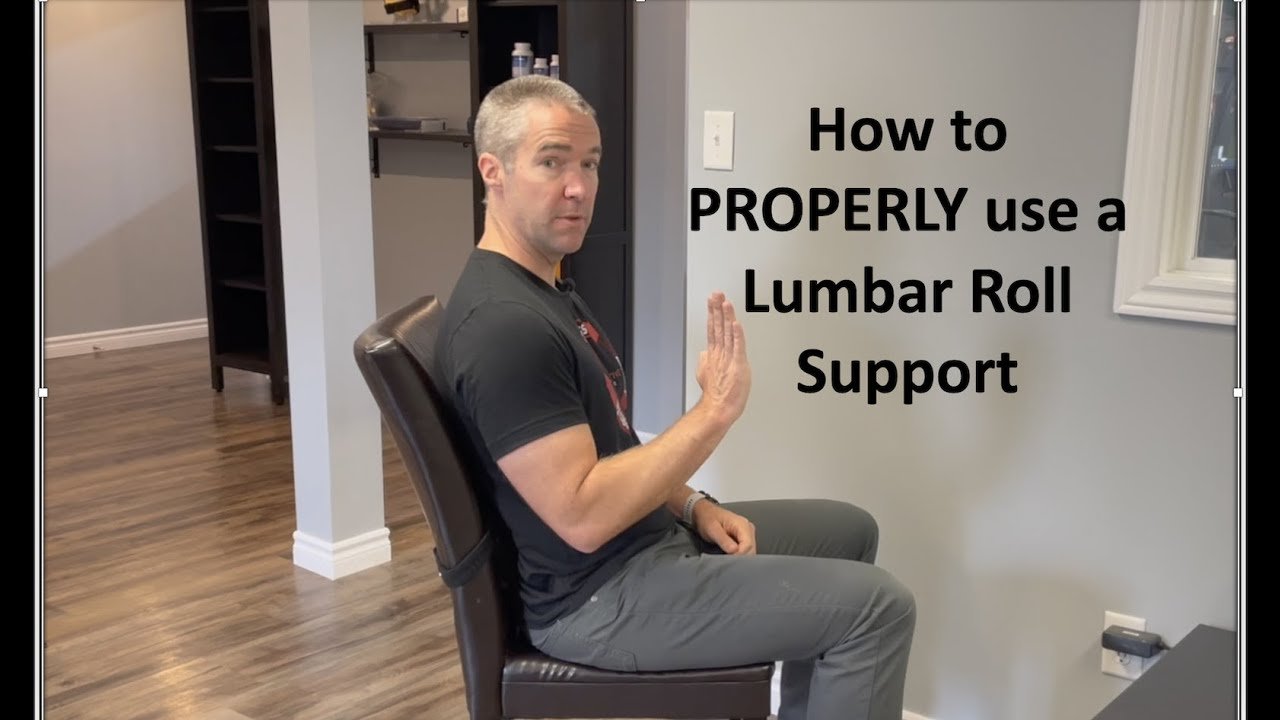
Using a lumbar support cushion is simple, but placement matters a lot. The goal is not to push your back into a stiff pose. The goal is to support the natural curve of your spine.
Follow these steps:
-
Place the cushion in the small of your back. It should sit just above your belt line, where your lower spine curves inward.
-
Press your lower back gently against it. You should feel support, not pressure. If it feels too high or too low, adjust it.
-
Sit back fully in the chair. A lot of people lean forward and never get the full benefit. Let the cushion meet your back.
-
Keep both feet flat on the floor. Good back support works best when your hips, knees, and feet are in a stable position.
-
Adjust your chair height and screen level. A lumbar support cushion works best when your whole setup supports posture, not just your lower back.
In my own experience, the biggest mistake was assuming any position would work. It did not. Once I moved the cushion to the right spot and sat all the way back, the difference was noticeable within minutes.

How to position a lumbar support cushion in different seats
A lumbar support cushion is not one-size-fits-all when it comes to placement. The chair shape, your body size, and how long you sit all affect the right setup.
In an office chair
Place the cushion in the lumbar curve, usually around the middle to lower back area. If the chair back is deep, you may need a firmer cushion so it does not sink too far.
Tips for office chairs:
- Adjust the chair so your elbows rest near desk height
- Keep your monitor at eye level
- Avoid slouching forward toward the keyboard
In a car seat
Car seats often have built-in curves, but they do not always match your spine. A lumbar support cushion can help reduce lower back tension on commutes and road trips.
Tips for car use:
- Place it where your lower back touches the seat back
- Make sure it does not interfere with safe driving posture
- Test it on a short drive before a long trip
On a sofa or recliner
Soft seating can be a problem because it lets your pelvis tilt backward. A lumbar support cushion can help, but only if the cushion is firm enough to hold its shape.
Tips for home use:
- Use a firmer cushion for deep, soft cushions
- Sit with your hips fully back
- Do not let the cushion slide down over time
How to choose the right lumbar support cushion
The best lumbar support cushion depends on your body, your chair, and your comfort needs. A cushion that feels great in one chair may feel wrong in another.
Here are the main features to consider:
- Firmness: Medium to firm support is usually best for most people because it keeps shape without feeling hard.
- Shape: Contoured cushions often fit the natural curve better than flat ones.
- Material: Memory foam, gel, and mesh-backed options each offer different levels of comfort and breathability.
- Size: A cushion that is too large can push your back too far forward, while one that is too small may not support enough.
- Strap design: Adjustable straps help keep the cushion in place, especially in car seats or office chairs.
From a practical point of view, I’ve found that people often buy cushions that are too soft. They feel nice for five minutes, then collapse. Support should feel steady, almost like a helpful hand at your lower back.
Benefits of using a lumbar support cushion
A lumbar support cushion can offer several real-world benefits when used consistently and correctly.
Better posture
It helps you maintain the spine’s natural curve instead of rounding your back. That can reduce the urge to slump during long sitting sessions.
Less lower back strain
When your lumbar area is supported, the muscles in your lower back do not have to work as hard. That may reduce fatigue after long periods of sitting.
More comfort during long sitting periods
This matters for office workers, drivers, students, and anyone who sits for hours. Better support often means less fidgeting and more focus.
Better awareness of posture
A cushion can act like a reminder. It gently trains you to notice when you start slouching.
Research on seated posture and spinal loading consistently shows that poor sitting position increases stress on the lower back. While a lumbar support cushion is not a cure for back pain, it can be a useful part of a healthier sitting setup.
Common mistakes to avoid
Many people use a lumbar support cushion, but use it poorly. Small mistakes can make it less helpful or even uncomfortable.
Watch out for these:
- Placing it too high: This can press into the mid-back instead of supporting the lumbar curve.
- Placing it too low: This misses the area that needs support most.
- Using a cushion that is too thick: Too much push can feel unnatural and cause more tension.
- Leaning forward anyway: If you do not sit back into it, the cushion cannot do its job.
- Ignoring chair setup: A cushion works best with proper chair height, desk height, and foot placement.
One mistake I made early on was treating the cushion like a magic fix. It is not magic. It is support. That difference matters.
How long to use a lumbar support cushion each day
You can use a lumbar support cushion for as long as you are sitting, but comfort and movement still matter. It is best for long sitting periods, such as work, driving, study sessions, or travel.
Even with good support, it is wise to stand, stretch, and move regularly. The human body is not built to sit in one position for hours. A cushion helps, but movement is still part of the bigger picture.
When a lumbar support cushion may not be enough
A lumbar support cushion can help with posture and comfort, but it has limits. If your pain is strong, lasts a long time, or gets worse, it may point to a larger issue.
Consider extra help if you have:
- Pain that radiates down the leg
- Numbness or tingling
- Pain after an injury
- Trouble standing or walking
- Back pain that does not improve with rest and better seating
In those cases, a clinician such as a physical therapist or doctor can help figure out the cause. A cushion may still be part of the solution, but it should not replace proper care when needed.
Tips for getting the most out of a lumbar support cushion
A few small habits can make your lumbar support cushion work much better.
- Sit all the way back in the chair
- Keep both hips level
- Use a footrest if your feet do not reach the floor
- Recheck the position after moving or standing up
- Pair it with short breaks and light stretching
I also recommend testing the cushion for at least a few days before judging it. Your body sometimes needs time to adjust to better support, especially if you have been slouching for years.

Frequently Asked Questions of How to use a lumbar support cushion
Where should a lumbar support cushion be placed?
A lumbar support cushion should sit in the small of your back, usually just above the belt line. It should support the inward curve of your lower spine without forcing you forward.
Can you use a lumbar support cushion in any chair?
Yes, but results depend on the chair shape and cushion size. It usually works best in office chairs, car seats, and other seats where you can sit back fully.
Is a lumbar support cushion good for lower back pain?
It may help reduce discomfort linked to poor sitting posture or long sitting times. If pain is severe, ongoing, or caused by injury, you should get medical advice.
How firm should a lumbar support cushion be?
Most people do best with medium to firm support. It should feel steady and supportive, not soft enough to collapse and not so hard that it feels like a block.
How do I know if my lumbar support cushion is in the right spot?
You should feel gentle support in the lower back, not pressure in the ribs or upper back. If you notice yourself sitting more upright with less effort, the placement is probably close to right.
Can a lumbar support cushion improve posture?
It can help support better posture while sitting, but it does not train posture on its own. Good chair setup, movement breaks, and awareness all matter too.
Conclusion
A lumbar support cushion works best when it supports the natural curve of your lower back, fits your seat, and matches your body size. The key is simple: place it correctly, sit all the way back, and pair it with good sitting habits. Done well, it can make long hours at a desk or in a car feel far more manageable.
If you want better comfort and less strain, start with small adjustments today and pay attention to how your body responds. Try the tips above, test your setup, and keep refining it until it feels right.