What Is the Towing Capacity of a Jeep Commander?
Figuring out exactly what your Jeep Commander can safely tow is more important than just a number; it's about safety for you, your passengers, and everyone on the road. The "towing capacity" isn't a one-size-fits-all figure for this popular SUV. It changes significantly based on how your specific Commander was built.
Manufacturer specifications indicate that the maximum towing capacity can range significantly. For instance, as of 2026, some models might be rated for around 3,500 pounds, while others, with different engine and drivetrain configurations, could handle up to 6,500 pounds. Getting this right is crucial.
What Is the Towing Capacity of a Jeep Commander?
Your Jeep Commander's towing capacity varies based on its specific configuration. The maximum limit typically ranges from 3,500 to 6,500 pounds. This depends on the model year, engine, and drivetrain.
How Different Jeep Commander Configurations Affect Towing
The exact towing capacity of your Jeep Commander isn't a fixed number. It's determined by a few key factors that were chosen when the vehicle was built. Understanding these differences helps you pinpoint your SUV's actual limit, ensuring you don't overload it.
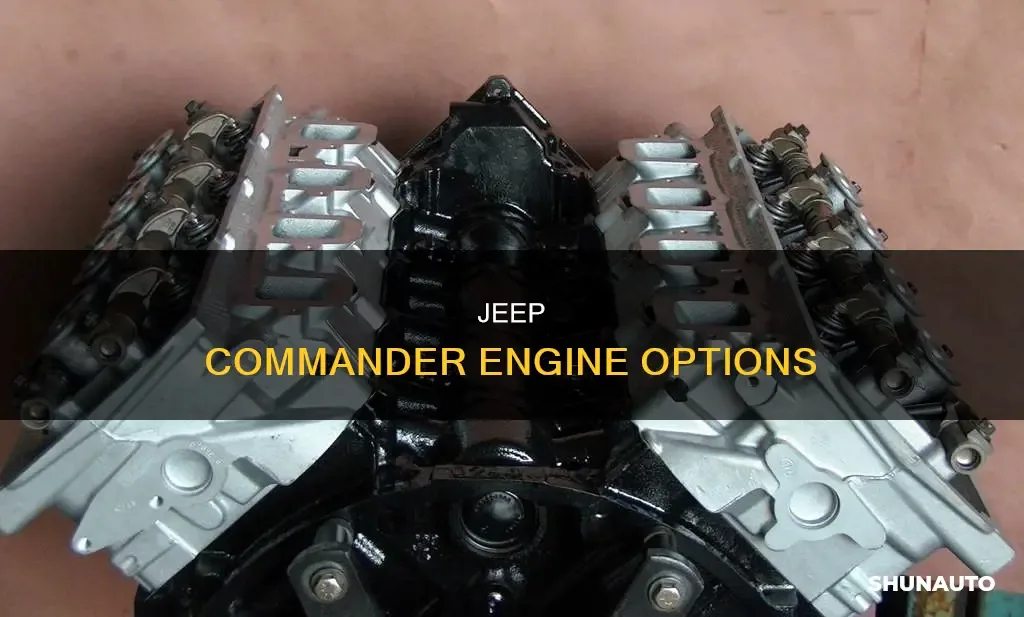
Image source: Web (Bing) / shunauto.com (Web image (fair-use with source credit))
Engine Options and Their Impact
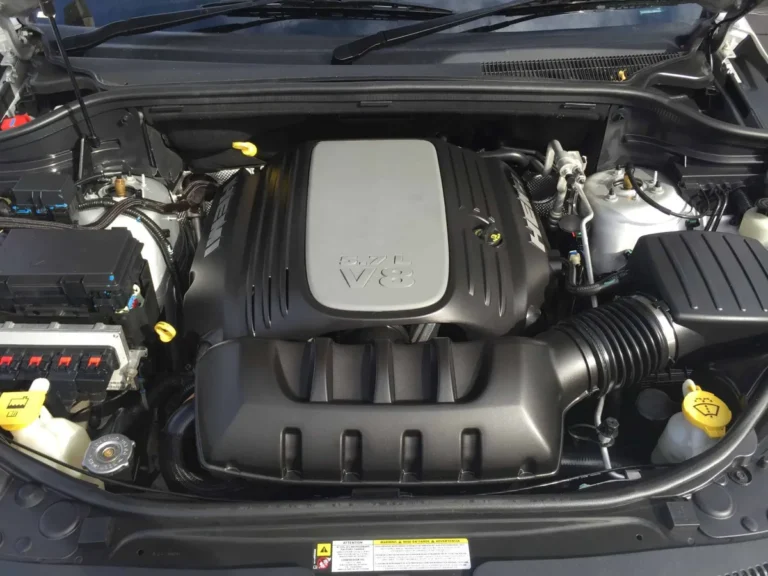
Jeep offered the Commander with different engine choices, and this is a primary driver of towing capability. A more powerful engine, like a larger V6, generally means a higher towing capacity than a smaller or less potent option. For example, the 4.7L V8 engine found in some models provides more grunt for hauling than the 3.7L V6.
Drivetrain Choices: 2WD vs. 4WD
Whether your Jeep Commander is two-wheel drive (2WD) or four-wheel drive (4WD) also plays a role. While both can tow, 4WD configurations often offer slightly better stability and traction, which can be beneficial when towing, especially in less-than-ideal conditions. However, the primary towing capacity rating is usually more dependent on the engine.
The Role of Model Year and Trim
Jeep made the Commander for a specific production run, and model year updates can influence specifications. Furthermore, different trim levels might have come with different standard equipment or optional packages that affect towing. Always refer to the owner's manual for your exact year and trim.
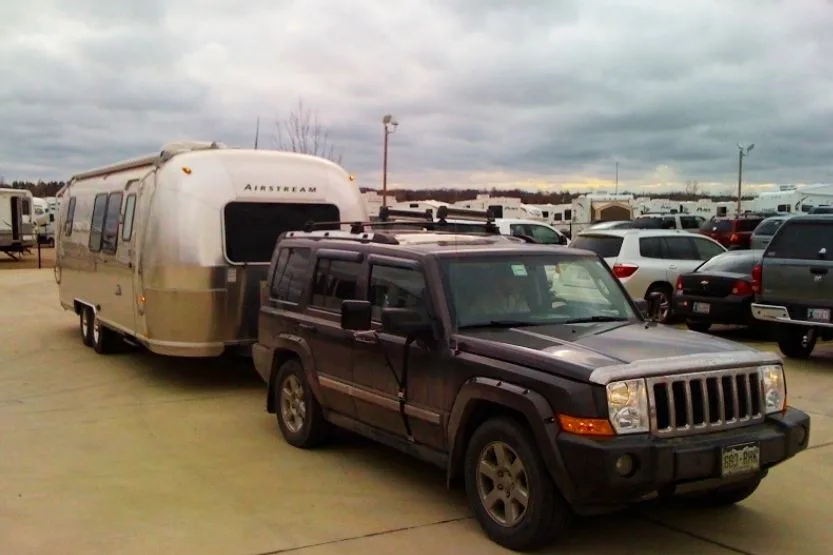
Image source: Bing (Web (fair-use with source credit))
Understanding the Numbers: GVWR, GCWR, and More
To truly understand your Jeep Commander's towing capacity, you need to know a few critical weight ratings. These aren't just random numbers; they're vital for safe operation and preventing damage to your vehicle. Think of them as the boundaries you must stay within.
- Gross Vehicle Weight Rating (GVWR): This is the maximum total weight your Jeep Commander can be, including its own weight, passengers, cargo, and any tongue weight from a trailer.
- Gross Combined Weight Rating (GCWR): This is the maximum total weight of your fully loaded Jeep Commander and your fully loaded trailer combined. The towing capacity is essentially the GCWR minus the GVWR of your unloaded vehicle.
- Curb Weight: This is the weight of your Jeep Commander with all standard equipment, but without passengers or cargo.
- Payload Capacity: This is the maximum weight of passengers and cargo you can carry inside your Jeep Commander.
Manufacturer specifications, like those found in the owner's manual, detail these ratings. You can usually find them on a sticker inside the driver's side doorjamb.
Calculating Your Total Towing Weight Safely
Knowing your Jeep Commander's maximum towing capacity is only half the battle. The real trick is calculating the actual weight you plan to tow and ensuring it stays within that limit. This involves more than just guessing the weight of your trailer.
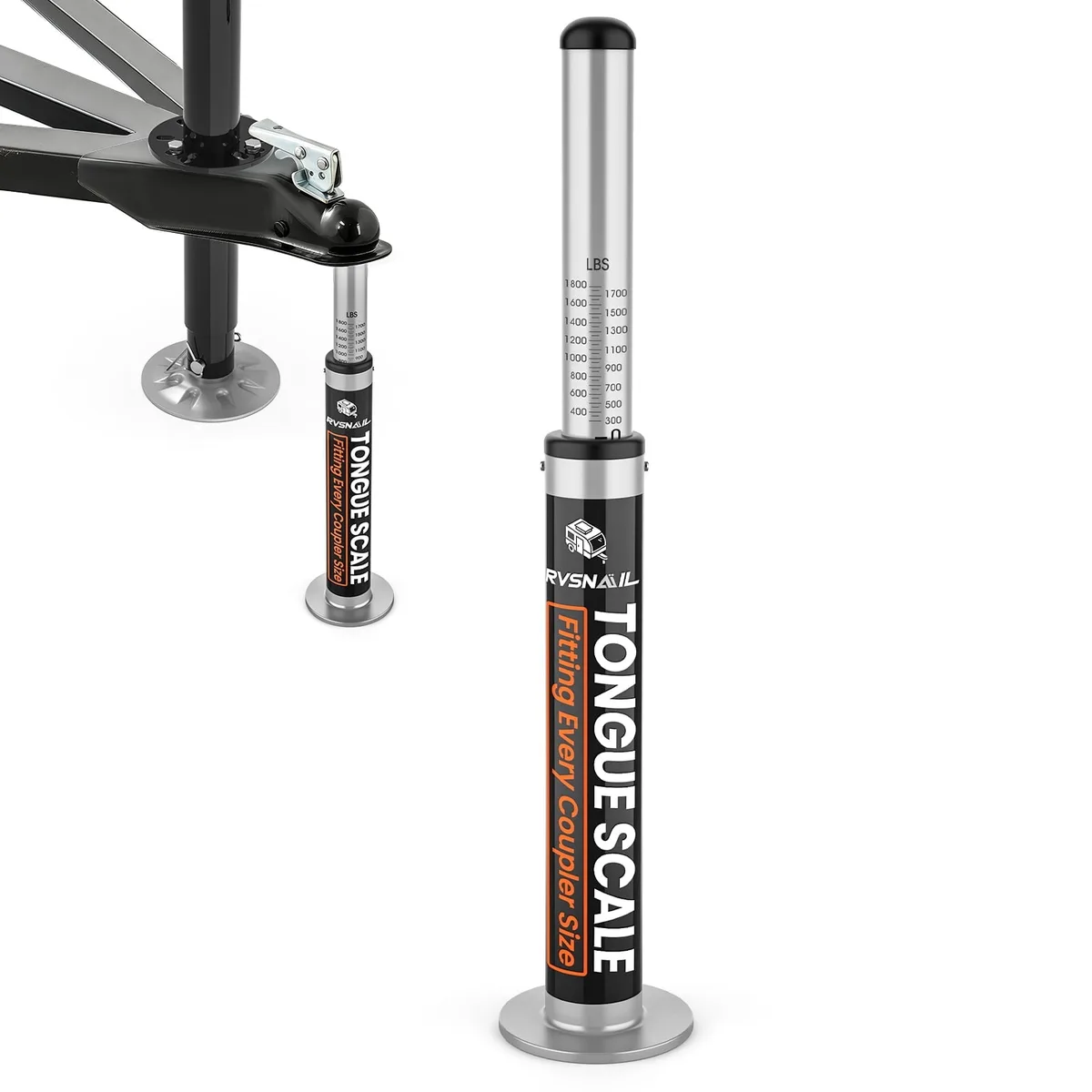
Image source: Web (Bing) / walmart.com (Web image (fair-use with source credit))
Here's how to break it down:
- Trailer's Gross Weight: You need to know the weight of your trailer when it's fully loaded with everything you intend to carry. Check the trailer's VIN sticker or take it to a weigh station if you're unsure.
- Vehicle Payload: Factor in the weight of all passengers and any cargo you're carrying inside your Jeep Commander. This reduces the amount of weight the vehicle can handle from the trailer tongue.
- Tongue Weight: This is the downward force the trailer exerts on your Jeep's hitch. It's typically about 10-15% of the trailer's total weight and counts towards your Commander's payload capacity.
Always err on the side of caution. If your trailer, fully loaded, plus passengers and gear in the Jeep approaches the GCWR, you're likely at or over the limit. Many owners find it helpful to use a scale at a truck stop or weigh station to confirm their actual towing weights.
For general towing safety guidelines, resources from the National Highway Traffic Safety Administration (NHTSA) are invaluable.
Common Mistakes That Put You and Your Commander at Risk
When it comes to towing with your Jeep Commander, several common missteps can lead to dangerous situations or costly damage. Avoiding these pitfalls is just as important as knowing your vehicle's limits. Many drivers overlook these crucial details, which can have serious consequences.
- Ignoring Tongue Weight: Many people focus only on the total trailer weight, forgetting that tongue weight counts against your Commander's payload capacity. An improperly loaded trailer with too much or too little tongue weight can cause swaying and instability.
- Overestimating the "Towing Capacity": It's easy to see a big number and assume your vehicle can handle it. However, the stated towing capacity is often for ideal conditions and without factoring in passengers or cargo in the tow vehicle.
- Forgetting Trailer Brakes: For heavier trailers, or even lighter ones depending on local regulations, trailer brakes are essential for safe stopping. Not having them, or having faulty ones, puts immense strain on your Commander's braking system.
- Using the Wrong Hitch Equipment: A hitch that's not rated for your trailer's weight, or using improper ball mounts and connections, is a recipe for disaster. Ensure all towing hardware meets or exceeds the requirements.
- Driving Too Fast: Speed is a major factor in towing safety. Driving at speeds appropriate for towing, which is often slower than your normal driving speed, allows for better control, especially during turns or sudden stops.
If you're unsure about any aspect of your towing setup, it's always best to consult your owner's manual or a professional at a reputable towing service.
When Can You Tow? Practical Use Cases for Your Jeep Commander
Your Jeep Commander's towing capability opens up a range of practical applications that make it more than just a family SUV. Whether it's for weekend adventures or hauling necessities, knowing what it can handle is key. Our research indicates these SUVs are well-suited for moderate towing needs.
- Recreational Gear: Hauling ATVs, dirt bikes, or snowmobiles to your favorite trails or resorts is a common use. A utility trailer or a dedicated toy hauler can make these trips possible.
- Small Campers and Trailers: Many lightweight travel trailers or pop-up campers fall within the Commander's towing limits, allowing for spontaneous getaways. You'll want to confirm the trailer's dry weight and then add the weight of your gear.
- Home Improvement Projects: Transporting building materials like lumber, drywall, or landscaping supplies becomes feasible. A sturdy utility trailer can handle many of these items, saving you rental truck fees.
- Watercraft: For those who enjoy boating, towing smaller boats like jon boats, inflatable dinghies, or personal watercraft is often within range. Ensure the trailer, boat, and motor are all factored into the total weight.
Remember, always check the Gross Trailer Weight (GTW) of your intended load against your Commander's maximum towing capacity. If you're planning to tow frequently or for long distances, ensuring your vehicle is properly equipped with a tow package is advisable.
Essential Towing Safety and Legal Checks
Beyond knowing the weight limits, towing safely involves a thorough check of both your Jeep Commander and your trailer, along with understanding relevant regulations. Manufacturer specifications, like those from Jeep, emphasize that proper equipment and maintenance are non-negotiable. These checks ensure your setup is road-ready and compliant.
Before you hit the road, consider these points:
- Towing Mirrors: For trailers that significantly obstruct your rear view, extended towing mirrors are often legally required and always recommended for visibility.
- Brake Controller and Trailer Brakes: If your trailer has electric brakes, you absolutely need a properly installed brake controller in your Commander. This allows your SUV to activate the trailer's brakes in sync with yours, drastically improving stopping power.
- Tire Pressure: Ensure both your Jeep Commander and your trailer tires are inflated to the correct pressure. Underinflated tires can overheat and lead to blowouts, a significant risk when towing. Check the sidewalls for the recommended PSI.
- Hitch and Connections: Double-check that your hitch ball is the correct size for your trailer's coupler, that the locking pin is secured, and that your safety chains are properly crossed underneath the tongue.
- Lighting and Signals: Verify that all trailer lights, brake lights, turn signals, and running lights, are functioning correctly and are synchronized with your Jeep Commander's lights. This is crucial for communicating your intentions to other drivers.
Adhering to these checks helps prevent dangerous situations. For detailed information on towing regulations in your area, it's wise to consult your local Department of Motor Vehicles (DMV) or equivalent state agency.
Jeep Commander Towing Capacity: Your Decision Guide
When deciding if your Jeep Commander is the right vehicle for your towing needs, it’s not just about the advertised number. You need to assess your typical towing scenarios against your Commander's specific capabilities. Think of this as a quick checklist to confirm if you're within safe operating parameters.
Ask yourself these questions:
- What is the heaviest load I will realistically tow? Be honest about the weight of your boat, camper, or trailer, including all gear you'll pack.
- Does my Commander's configuration match my towing needs? Check your owner's manual for the precise towing capacity tied to your specific engine, drivetrain, and model year. A 2007 Commander with a 4.7L V8 will have different limits than a 2009 model with a 3.7L V6.
- Am I accounting for all weights? Remember to factor in the weight of passengers, cargo inside the vehicle, and the trailer's tongue weight. These all count towards your Gross Combined Weight Rating (GCWR).
- Do I have the right equipment? Ensure your hitch, ball mount, wiring, and any necessary brake controller are all correctly rated and installed for your load.
If your planned towing weight consistently falls well below your Commander's maximum capacity, you're likely in good shape. However, if you're frequently near or at the limit, or if your needs might increase, it might be time to consider a vehicle with a higher towing rating. For general towing safety best practices, the National Highway Traffic Safety Administration (NHTSA) provides excellent resources.
Frequently Asked Questions About Jeep Commander Towing
What is the difference between towing capacity and GCWR?
The towing capacity is the maximum weight your vehicle is rated to pull. The Gross Combined Weight Rating (GCWR) is the maximum weight of your fully loaded vehicle and its trailer combined. Your towing capacity is essentially the GCWR minus the vehicle's own weight (GVWR).
Can I increase my Jeep Commander's towing capacity?
No, you cannot legally or safely increase your Jeep Commander's maximum towing capacity. This rating is determined by the manufacturer based on the vehicle's design, frame, engine, and braking systems. Modifying it can compromise safety and void warranties.
How do I find the towing capacity for my specific Jeep Commander?
The most reliable place to find your Jeep Commander's towing capacity is in the owner's manual specific to your model year and trim. You can also often find a sticker on the driver's side doorjamb or frame that lists weight ratings, including GVWR and GCWR.
What happens if I exceed my Jeep Commander's towing capacity?
Exceeding your towing capacity is dangerous. It can lead to loss of control, brake failure, trailer sway, and severe damage to your Jeep Commander's engine, transmission, suspension, and frame. It can also result in unsafe driving conditions for yourself and others.
Do I need a special hitch for towing with a Jeep Commander?
You need a hitch that is properly rated for the weight of your trailer. This usually means a Class III or Class IV hitch for most Jeep Commanders, depending on their maximum towing capacity. Ensure all associated components, like the ball mount and hitch ball, are also rated appropriately.