What Treadmill Incline Do I Need
Most people step onto a treadmill and immediately wonder, "what treadmill incline do I need" within the first few sessions. The answer isn't a single universal number. It depends on your goal, your fitness level, and how your body handles a steeper grade.
Running on a treadmill at 0% incline is actually easier than running outdoors on flat ground. The standard 1% incline rule corrects for the lack of air resistance, so your effort matches an outdoor flat run. Keep that principle in mind as you figure out the right starting point.
Image source: Bing (Web (fair-use with source credit))
What Treadmill Incline Do You Need? The 30-Second Answer
Walk at 3% to 5% for weight loss. Run at 1% to simulate outdoor running. Use 6% to 10% for glute work and hill intervals.
Beginners should start at 1% and add 0.5% each week.
That simple formula covers most common goals. It also respects your joints and prevents early burnout. Push the incline too fast, and you'll feel it in your shins and knees.
The rest of this guide breaks down exactly how to choose your number and build up safely.
Find Your Incline: A Decision Tree for Your Goal
The right incline is a target range, not a fixed number. Match yours to what you actually want from the workout. Choose the branch below based on your goal.
Walking for Weight Loss
If steady walking is your main cardio, apply a 3% to 5% incline for most sessions. That grade increases calorie burn and heart rate without forcing you to hold the rails. Walking briskly on a 5% grade burns roughly 200 more calories per hour than flat walking.
Pair it with basic strength training for better results.
Running and Endurance Training
Runners should treat 1% as their base setting. That's the standard compensation for wind resistance on a flat route. Log easy runs at 1%, then raise to 2% or 3% for a slightly harder challenge.
For interval work, alternate one minute at 4% to 6% with two minutes at 1% recovery. That builds speed and stamina without overstressing your calves.
Glute Strength and Leg Toning
Crack the grade up to 6% or 10% to wake up your glutes and hamstrings. At that steepness, you naturally drive through each stride and hold your torso tall. Walking at 8% for 20 minutes creates serious leg fatigue.
Keep your stride short and take your hands off the rails. Your hip and leg muscles will feel it the next day.
Hill Training for Outdoor Events
Hikers and race runners should use 8% to 12% intervals. Walk or run for one to two minutes at a steep grade, then recover at 2%. Repeat 8 to 10 times.
This conditions your legs and heart for rolling terrain, which flat treadmill miles never match.
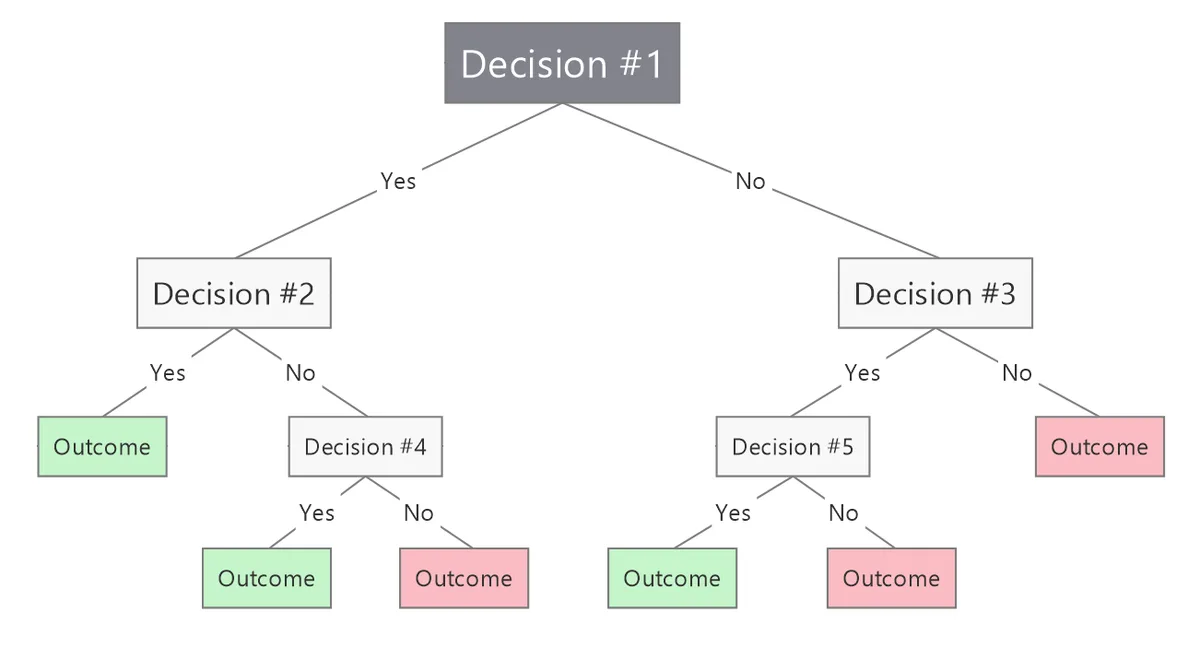
Image source: Bing (Web (fair-use with source credit))
| Your Goal | Starting Incline | Suggested Session |
|---|---|---|
| Weight loss | 3% to 5% | 30 minutes steady walking |
| Endurance | 1% | 20 to 40 minutes running |
| Glute strength | 6% to 10% | 15 to 20 minutes walking |
| Hill training | 8% to 12% | 20 to 30 minute interval workout |
How to Build Your Incline Workout Without Overdoing It
Knowing your starting point is only half the equation. Progression is where results actually happen. Jumping straight to 10% will crush your motivation and possibly your shins.
Slow wins this race.
Start with 10 minutes at your baseline incline. If your goal is walking, use 3%. For running, use 1%.
Every week, add 0.5% to your incline before increasing speed. This gives your tendons and cardiovascular system time to adapt.
Ramp up through interval sessions. Warm up on flat ground for five minutes. Then alternate one minute at your target incline with two minutes at 1%.
Do this for 10 to 15 minutes and cool down. Monitor your perceived effort on a 1 to 10 scale. A comfortable workout should feel like a 5 or 6.
Once a given incline starts feeling easy, bump it up another half percent.
Image source: Web (Bing) / studythebook.org (Web image (fair-use with source credit))
If you want to keep your equipment running smoothly, regular treadmill maintenance helps. A well-maintained belt and incline motor respond better during those gradual increases.
Incline Mistakes That Sabotage Results or Cause Pain
Plenty of people hit the treadmill daily and make the same errors. Avoid these to stay comfortable and see better results.
Holding the handrails the entire time. This offloads up to 20% of your body weight and kills the calorie burn. Touch the rails for balance only. If you need to lean, your incline is too high.
Starting way too steep. A 10% grade on day one is not brave. It's a ticket to knee pain. Your glutes and back need time to adapt.
Start low and add gradually.
Leaning far forward. Slouching into the incline strains your lower back and shifts work off your glutes. Keep your chest up and your shoulders over your hips. The same proper grip and posture rules apply when you're holding dumbbells.
Changing incline and speed together. Adding both at once turns a hard workout into an injury risk. Change one variable at a time so your body knows what actually pushed you harder.
Never varying the incline. Hitting 0% every session for weeks leads to a plateau. Your body adapts within two to three sessions. Vary the grade to keep forcing progress.
When to Be Careful: Safety and Joint Protection
Incline work is safe for most people, but it isn't a free pass. Certain warning signs mean you need to back off or talk to a doctor.
Knee pain usually signals your incline is too steep or your stride is too long. Shorten your steps, lower the grade by 1% to 2%, and see if that helps. Shin splints are another red flag.
They tend to appear when you ramp up either incline or speed too quickly.
Lower back strain often happens when you hunch forward. Keep your core tight and stand tall. If you have a history of joint issues or heart problems, check with a medical professional before starting an incline program.
Per CDC physical activity guidelines, most adults need at least 150 minutes of moderate-intensity cardio each week. A treadmill incline workout counts toward that goal, but only if your body handles it well.
If you feel sharp joint pain, stop immediately. Muscle burn is fine. Sharp or sudden pain is not.
Listen to your body, and you'll keep making progress without setbacks.
Treadmill Incline FAQs, Answered Without the Fluff
Straight answers to the questions treadmill owners ask most. Short and specific.
Does a higher incline burn more belly fat?
No. Spot reduction is a myth. A steeper incline burns more calories overall, which supports total-body fat loss.
Pair it with a calorie deficit and consistent strength work for visible results.
Can you walk on a 10% incline every day?
Not ideal. Daily steep incline walking overworks your calves, Achilles tendons, and knees. Alternate 10% days with flat or 1% days.
That gives your lower legs time to recover while keeping cardio consistent.
What is the best starting incline for beginners?
Start at 1% for week one. Add 0.5% each week after that. For walking, 3% is a comfortable entry point after the first few sessions.
Gradual increases protect joints and build tolerance.
Should you hold the handrails on an incline?
No. Gripping the rails cuts calorie burn and shifts load off your legs. Use rails only for balance checks.
If you can't move without leaning on them, reduce the grade.
How long should you walk on an incline?
Start with 15 to 20 minutes at your target grade. Add 5 minutes each week, up to 45 minutes. Keep a pace where you can still say a few words.
That pace signals aerobic work.
Is incline walking better than running flat?
It depends on your body and your goals. Running burns more calories per minute. Incline walking builds lower-body strength with less impact.
Many people alternate both across the week, or add a no-impact alternative for variety.
The Bottom Line: Start Smart, Progress Slow
There's no universal magic number for treadmill incline. Your goal sets the range. Walkers use 3% to 5%.
Runners use 1%. Glute and hill work sits at 6% to 10%. If you're unsure where to start, use 3% and adjust from there.
Progression drives results. Add 0.5% per week, and most people adapt within three to four sessions. If you feel strong, hold the same incline for two weeks before bumping.
If your knees ache, drop back a full percent and stay longer. As of 2026, home treadmills top out between 12% and 15%, giving you plenty of headroom.
Protect your joints with tall posture and a light handrail touch. Sharp pain means stop. Muscle burn means keep going.
A solid weekly format looks like this: warm up flat for five minutes, hit your target incline for 20 to 30 minutes, then cool down at 1% for three minutes.
Cross-training on a different cardio machine helps when your legs feel beat up. Match your training schedule to your recovery, not your ego. Your ideal incline will shift as you get stronger.
That's the whole point.