Why Is My Treadmill Making a Clicking Noise
If you've been asking yourself why is my treadmill making a clicking noise, you're not alone. Clicking seems worse than a squeak, but it's usually a simple fix. The key is finding the exact source before you reach for tools.
A few minutes of listening can save you a service call.
In our research, most early treadmill noises come from maintenance issues, not major failures. Loose hardware, trapped debris, a dry belt, and worn bearings cause the bulk of clicks. The ASTM F2115 standard for motorized treadmill safety stresses regular owner inspection and maintenance.
As of 2026, that advice still holds.
Quick Answer
The cause is usually one of four things. Loose bolts cause a click with each step. Debris under the belt causes a random click.
A dry belt clicks as it passes over the deck. Worn roller bearings or motor brushes follow a steady rhythm. Listen for where the sound comes from.
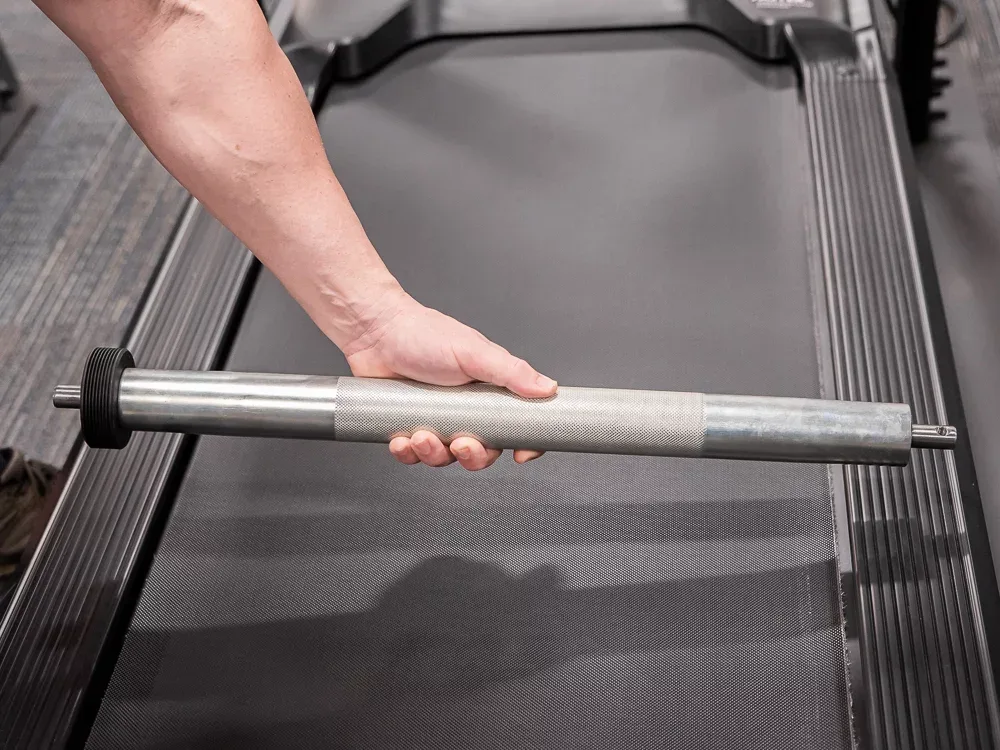
Image source: Bing (Web (fair-use with source credit))
Core Explanation: The Main Causes of Treadmill Clicking
Treadmills have a simple design. The belt rides over two rollers. A motor spins them through a drive belt.
Any component in that chain can click.
- Loose hardware. Frame bolts, motor cover screws, and incline linkages work loose over time. The vibration of each stride makes them tap against the frame.
- Debris under the belt. Bits of plastic, dust clumps, or small stones get caught between the belt and deck. They click randomly as the belt carries them around.
- Dry belt or deck. Without silicone, the belt sticks to the deck. A dry spot creates a click or squeak each time it passes.
- Worn bearings or motor brushes. Roller bearings wear into rough spots. Motor brushes spark and click inside the motor housing. Both are mechanical wear items, not maintenance oversights.
| Cause | Sound signature | Location |
|---|---|---|
| Loose hardware | Click with each stride | Frame, uprights, motor cover |
| Debris | Random, occasional | Under the belt or rollers |
| Dry deck | Rhythmic, follows the belt | Center of the deck |
| Worn bearing | One click per rotation | Front or rear roller |
| Motor brush | Fast clicking, changes with speed | Motor compartment |
Set the treadmill to a slow speed. Use the side rails to step onto the belt. If the click stops when your weight is on the deck, the issue is often a dry deck or debris under the belt.
If it stays steady, it's likely a roller or motor issue. The rhythm matters.
Step-by-Step Diagnosis: Find the Source Before You Fix
Work through these steps in order. Each one eliminates a cause.
- Step 1: Unplug and inspect. Safety first. Pull the plug. Remove the motor cover if it's held by a few screws. Look for obvious problems like loose wires or debris.
- Step 2: Listen while it runs. Plug back in. Stand on the rails and run the treadmill at 1 to 2 mph. Ask a friend to walk on it if possible. Note the location of the click.
- Step 3: Spin the rollers by hand. Unplug again. Lift the belt at the center. Reach in and rotate the front roller with your hand. Feel for grinding or catching. The rollers should spin smoothly.
- Step 4: Tighten loose bolts. Use the correct wrench or Allen key. Go over the uprights, frame, and incline linkage. Tighten firmly, but do not force.
- Step 5: Check for debris. Slide your hand under the belt. Remove anything stuck to the underside or trapped near the rollers.
- Step 6: Inspect the belt and seam. Look for cuts, frayed edges, and a raised seam. A seam can click every time it passes over a roller.
- Step 7: Lubricate if dry. If the deck feels dry, apply a silicone treadmill lubricant. Follow the owner's manual for the exact method.
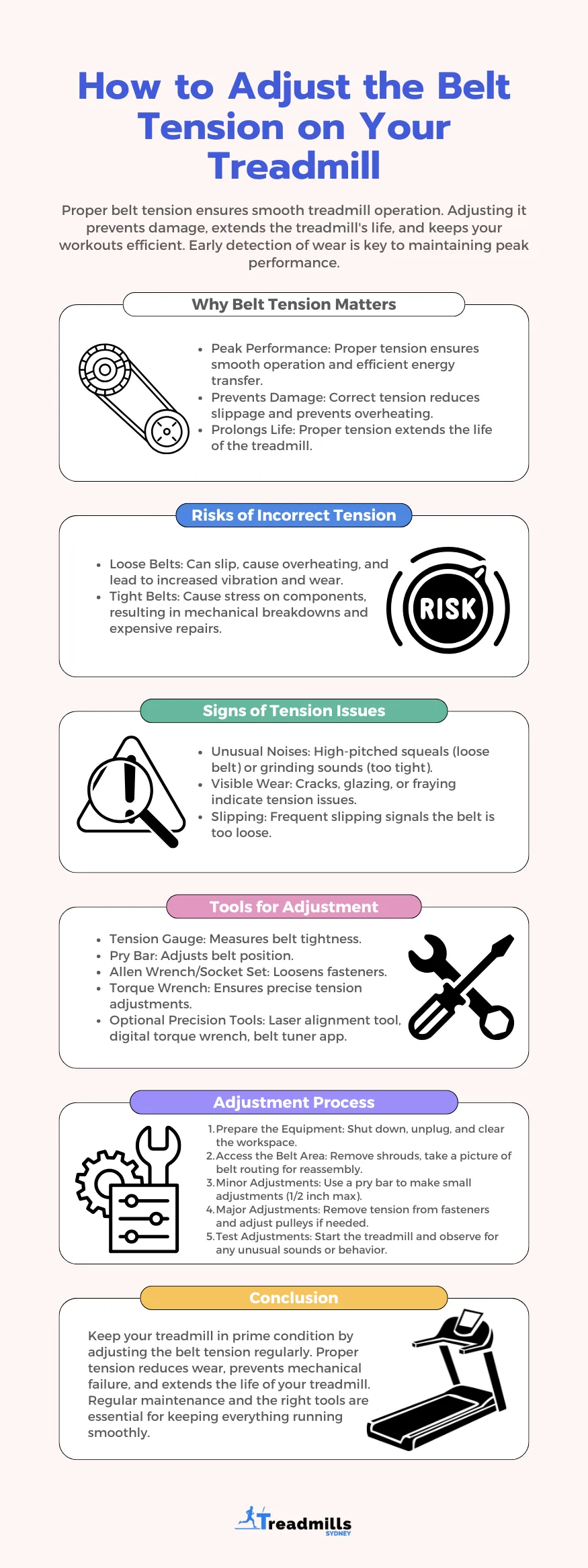
Image source: Bing (Web (fair-use with source credit))
If the click matches your footsteps, inspect the frame bolts first. If it follows the belt's rotation, check the rollers and seam. If it comes from the motor cover, check the brushes and motor. If it only happens at higher speed, check the drive belt and pulley. This if/then logic narrows the fix.
Mistakes to Avoid: Don't Make It Worse
A few common errors turn a small problem into a costly repair.
- Overtightening the belt. A belt that is too tight wears bearings and pulls the motor hard. The standard test is to lift the center of the belt 1.5 to 2 inches. It should lift with some resistance, not fight you.
- Using the wrong lubricant. WD-40, cooking spray, and petroleum-based products break down the belt material. Use only 100% silicone treadmill lubricant.
- Ignoring a worn bearing. A small click in a roller can become a loud grind. Once a bearing feels rough, replacement is safer than continued use.
- Forgetting the motor cover. A loose cover rattles and creates a new click. Always re-seat all screws before a test run.
- Stripping bolts with force. Tighten until snug, then give a quarter-turn. Forcing a bolt can crack plastic and strip threads.
- Skipping the manual spin test. The fastest way to isolate a roller problem is by hand. Skipping this step leads to guesswork.
Safety should be your first priority. The Consumer Product Safety Commission reminds owners to follow the manufacturer's maintenance plan. That includes unplugging the unit before any cleaning or repair.
These simple steps keep you safe and prevent accidental startup.
Maintenance That Prevents Clicks From Coming Back
A quiet treadmill is a maintained treadmill. The fix you just did will last longer if you stay on a simple schedule.
- Monthly. Wipe dust off the deck edges. Check belt tracking. Make sure the belt stays centered and doesn't rub the frame.
- Every 3 months. Lift the belt and feel the deck. If it's dry, lubricate. This often aligns with the 150-mile mark for regular runners.
- Every 6 months. Remove the motor cover and inspect carbon motor brushes. If they're worn below a quarter-inch, replace them. Tighten every accessible bolt.
- After moving. Always check for shipping bolts and recheck belt tension before your first run.
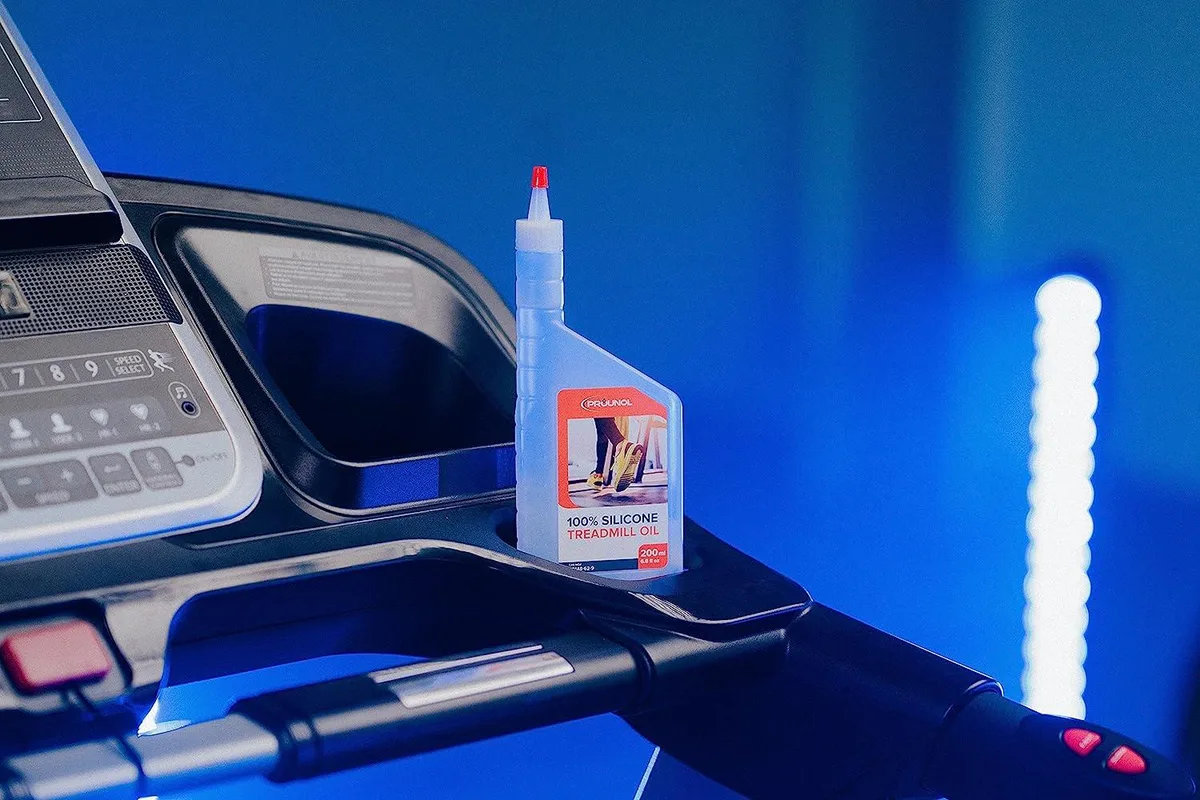
Image source: Bing (Web (fair-use with source credit))
These habits transfer to the rest of your home gym. The same upkeep logic applies to other cardio equipment. A regular workout routine makes equipment changes easier to notice.
Understanding basic drive mechanics helps with diagnosis. And if you own an elliptical, a similar clicking sound has the same type of causes.
Real Scenarios: What Other Treadmill Owners Actually Found
Scenario 1: The loose frame bolt.
A runner heard a click with every footstrike. The noise came from the left upright. Ten minutes of checking exposed a loose bolt.
Tightening it fixed the treadmill completely.
Scenario 2: The rhythmic roller click.
Another owner described a click that repeated every time the belt made a full loop. The manual spin test showed a rough spot in the front roller bearing. Replacing the roller assembly solved the issue.
The belt and deck were fine.
Scenario 3: The incline-only click.
One treadmill only clicked when the incline changed. The noise came from the lift motor area. The linkage had a dry pivot joint.
A small amount of silicone grease fixed it.
Scenario 4: The click after a move.
A treadmill that clicked right after relocation had shipping bolts still installed. These bolts lock the deck for transport. Removing them restored normal operation and stopped the noise.
The pattern is always the same. Listen, isolate, and confirm before replacing parts. A rhythmic click follows the rotation.
A weight-dependent click points to the frame or deck. A click tied to incline points to the lift system.
Frequently Asked Questions
Can I keep using my treadmill while it clicks?
A minor click from a loose bolt is low risk for a short run. Stop if the click is loud, grinding, or followed by belt slippage. Running on a worn bearing or a dry deck can cause major damage.
Fix the cause before your next workout.
What lubricant should I use on the deck?
Use only 100% silicone treadmill lubricant. It is clear and safe for the belt. Avoid WD-40, grease, and any petroleum-based product.
These break down the belt over time. Check your owner's manual for the right method.
Why does my new treadmill click but my old one didn't?
Check for shipping bolts first. Many new units are locked for transport. Loose assembly bolts are another common cause.
If the click persists after 20 to 30 hours of use, contact the manufacturer. It may be a warranty issue.
How do I tell if the belt needs replacing instead of lubrication?
Inspect the belt edges. Look for fraying, cracks, or a shiny glazed surface. A stretched belt that will not stay centered also needs replacement.
Lubrication fixes a dry deck. It will not fix a physically worn belt.
Is a clicking treadmill safe to use?
It depends on the cause. A loose bolt is safe to use for a short period. A failing roller bearing or motor brush is a safety risk.
The belt could break or the motor could fail. Always fix the root cause before normal use.
Final Verdict: Find the Fix That Matches Your Skill
Start with the fastest checks. Tighten every visible bolt. Clean debris from under the belt.
Lubricate if the deck feels dry. These three steps solve most clicking problems in under 20 minutes.
The next tier is for handy owners. Replacing a roller bearing or motor brushes is a straightforward job on most treadmills. You just need the owner's manual and basic tools.
If you're comfortable doing routine upkeep on similar home gym equipment, this is a learnable skill.
Call a technician when the noise follows the motor or when you've already done the basics and the click remains. Electrical issues, drive motor failures, and structural damage need professional eyes. Service fees vary by market.
The cost of a simple repair is usually far below a replacement.
Replace the treadmill when the frame is cracked, the deck is worn through, or the repair estimate is close to half the cost of a new unit. A reliable machine is worth protecting. The same diagnostics also help you compare options before you buy.
Knowing which equipment fits your routine matters just as much as fixing the noise.