What Treadmill Speed Do I Need
If you've ever stood on a treadmill, poked at the console, and asked, "what treadmill speed do I need," you're not alone. There's no single magic number. Your ideal pace depends on your goal, your fitness level, and how long you plan to stay on the belt.
Manufacturer specifications indicate most home treadmills range from 0.5 to 12 mph, with 0.1 mph increments. Fitness research shows beginners often settle around 3 to 5 mph. As of 2026, the American College of Sports Medicine still recommends guiding your pace by perceived effort.
Let's break it down so you can choose your number with confidence.
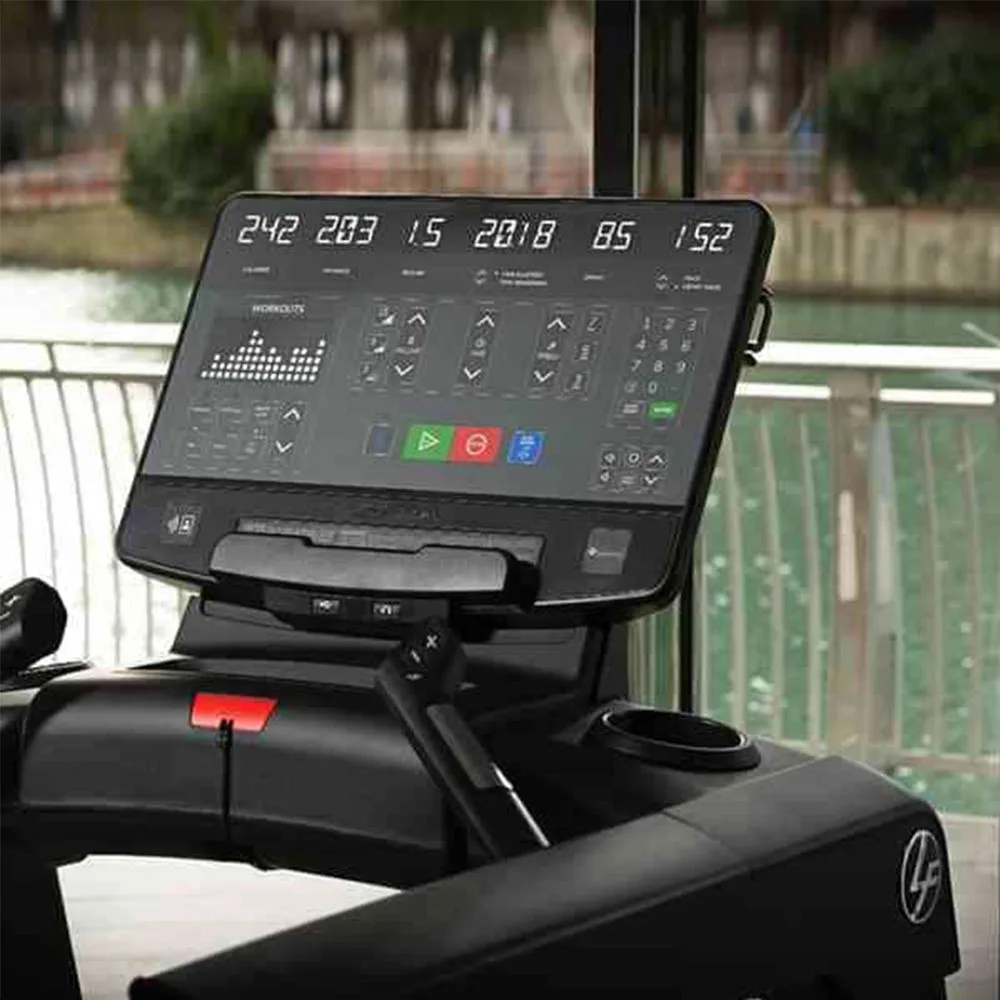
Image source: Bing (Web (fair-use with source credit))
Quick Answer
The treadmill speed you need depends on your goal. Walking uses 2 to 4 mph. Jogging uses 4 to 6 mph.
Running uses 6 to 9 mph. Incline changes the effort.
Know Your Target: What Should This Speed Actually Do For You?
Before you touch any speed setting, ask what this workout should deliver. Different goals pull the dial in opposite directions. A recovery walk and a tempo run are both valid, but they need very different numbers.
For steady-state cardio aimed at heart health, you want a pace you can sustain for 30 to 60 minutes. That usually lands in brisk walking zones. For fat loss, incline often matters more than raw speed, which we'll cover shortly.
For race prep, you need specific pace bands tied to your target finish time. For interval work, you'll alternate between a hard effort and a slower recovery speed.
If you're comparing treadmill work to other equipment, you might wonder how it stacks up against a low-impact machine like an elliptical. An elliptical lets you move faster with less joint stress, but a treadmill forces you to carry your full body weight. That difference matters for training specificity.
The Baseline Speed Chart: Walk, Jog, or Run?
Use this as your starting point. It shows the standard mph ranges for each movement pattern and what they should feel like.
| Effort | Speed (mph) | How It Should Feel |
|---|---|---|
| Restorative walk | 2.0 – 3.0 | Easy, breathing stays normal |
| Brisk walk | 3.5 – 4.5 | Can talk, but you feel your heart rate rise |
| Light jog | 4.0 – 5.0 | Short sentences between breaths |
| Moderate run | 5.0 – 7.0 | Talking takes real effort |
| Fast run | 7.0 – 9.0 | Single words, not sentences |
| Sprint | 9.0 – 12.0 | All-out effort, short bursts only |
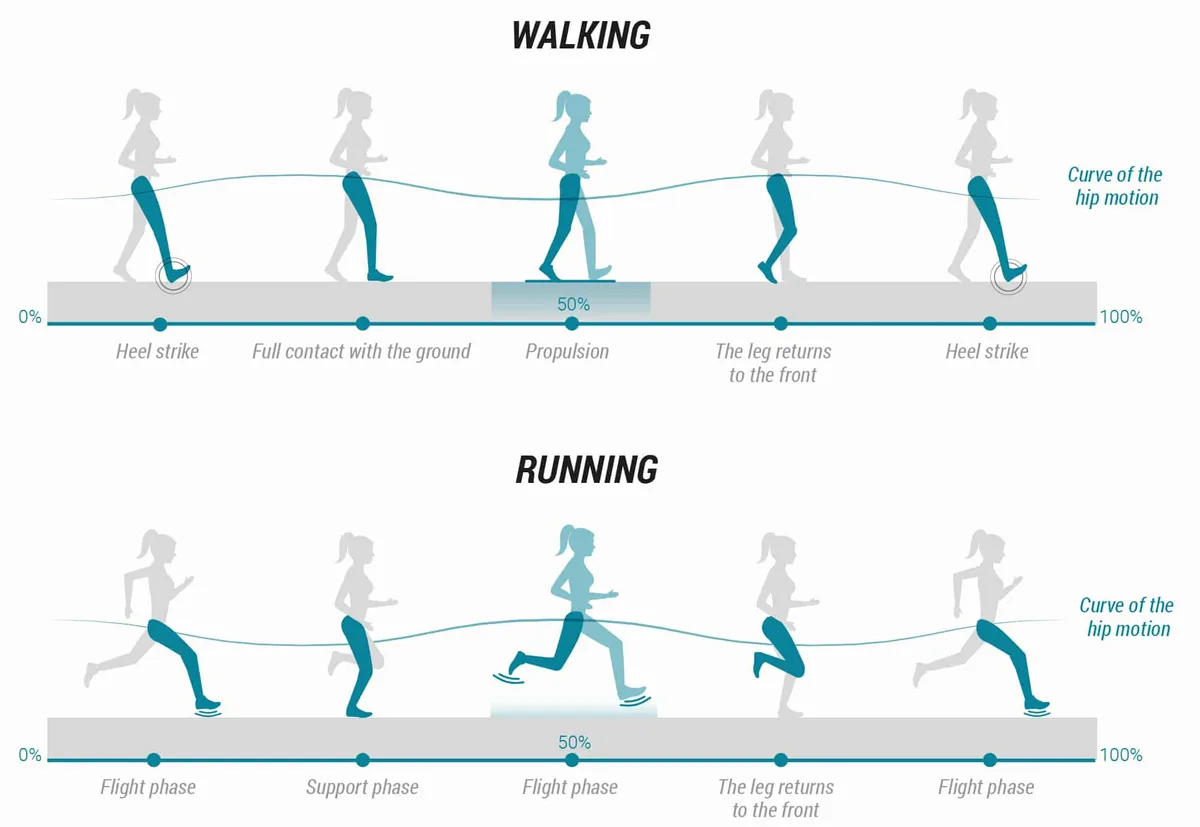
Image source: Bing (Web (fair-use with source credit))
A simple rule: if you can sing, speed up. If you can't speak comfortably, slow down. The Rate of Perceived Exertion scale, often called RPE, is a useful guide here.
Aim for a 4 to 6 on a 10-point scale for easy sessions.
The Decision Tree: Picking Your Speed by Goal
Now let's match your situation to a speed range. Follow the branch that fits you.
- Brand new to exercise? Start at 2.5 to 3.5 mph. Walk for 20 minutes at a brisk pace. Do this three times a week before going faster.
- Training for a 5K or longer race? Use a pace calculator to convert your target finish time into mph. For a 30-minute 5K, that's about 6.2 mph.
- Want fat loss? Keep it at 3.5 to 4 mph and raise the incline instead. A steep walk burns serious calories without pounding your joints.
- Coming back from an injury? Stay around 2 to 3 mph. Watch how your body responds. Stop if you feel sharp pain.
The talk test is your best friend. If you finish the workout too breathless to hold a conversation, you've pushed past the useful zone. Drop the speed by 0.5 mph and keep your effort conversational.
The Incline Factor: Why MPH Isn't the Whole Story
Speed is only half the equation. Incline is the other dial, and it changes everything.
A common rule in running research says a 1% treadmill incline better mimics outdoor running effort. That's because outdoor running includes air resistance. So if your treadmill stays at 0%, your workout is slightly easier than the same pace outside.
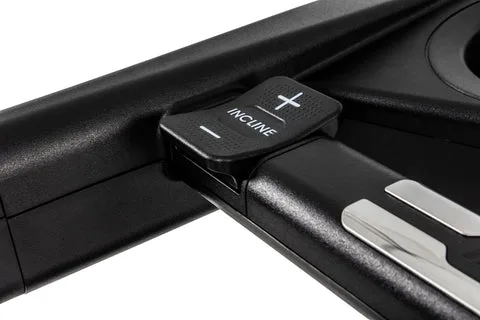
Image source: Bing (Web (fair-use with source credit))
Incline also turns walking into a serious workout. A 3.5 mph walk at a 10% incline raises your heart rate to the same zone as a moderate run. Many people find that far more comfortable than running faster.
Just raise the incline gradually. Starting at 10% on day one is a painful mistake. Try 3 to 5% first, then adjust.
Common Speed Mistakes and How to Fix Them
These are the pitfalls that derail treadmill workouts. Avoid them and your pace will feel much more manageable.
- Holding the handrails. This removes up to 30% of your body weight from the effort. It also bends your posture. Let go and set the speed low enough to run freely.
- Starting too fast. A common trap on hotel gym treadmills. Always warm up at 2 to 3 mph for five minutes, then build your speed.
- Staring at the console. Looking down shifts your neck and shoulders. Look forward, like you would outdoors.
- Jogging at 0% incline all the time. Your legs need the slight grade to prepare for real-world running.
- Sprinting to a dead stop. Never jump off a moving belt. Use the cool-down feature or slow your pace gradually first.
If you're fighting your speed every workout, check your stride. Short, quick steps beat long, overreaching lunges. Keep your cadence around 160 to 180 steps per minute.
The Practical Guide to Adjusting Your Pace Over Time
Progress comes from small nudges, not wild jumps. Most treadmill consoles let you adjust speed in 0.1 mph increments. That tiny bump is all you need to build real fitness without spiking your heart rate.
Start with a pace you can hold for 20 minutes. Stay there for two weeks. Then add 0.1 mph each week.
It feels slow at first, but it compounds into serious gains.
Use RPE as your check engine light. If your effort sits at a 4 or 5 out of 10, you have room to push. If you're at an 8, hold that pace until it feels comfortable.
Research from the American College of Sports Medicine supports using perceived effort over raw numbers.
Mix in intervals once per week. Do a hard speed for one minute, then a walking recovery for two. That builds speed without burning you out.
Track your numbers each session. It's the same principle as tracking your training frequency to stay consistent.
Keep your session length steady too. Thirty minutes at a slightly faster pace beats twenty minutes at a sprint. Consistency wins every race.
FAQs: Answers to Your Quick Speed Questions
What speed is a 10-minute mile?
A 10-minute mile is exactly 6 mph. Divide 60 by your target minutes to get your speed. A 12-minute mile is 5 mph.
An 8-minute mile is 7.5 mph.
What treadmill speed should I use for fat loss?
A brisk walk at 3.5 to 4.5 mph with a 5% to 10% incline works best. This raises your heart rate without heavy impact. You can also alternate with short jogging intervals at 5 mph.
Is it better to increase speed or incline?
Incline is safer and easier to recover from. A 1% incline mimics outdoor running, while 5% and above turns walking into a leg-burning session. Faster speed adds more impact, so use incline to raise effort first.
What is Zone 2 training in mph?
Zone 2 typically falls between 3.5 and 5 mph for most walkers and joggers. It's the effort where you can speak in full sentences but not sing. Use a heart rate monitor to confirm.
Should I run at 0% or 1% incline?
Run at 1%, not 0%, to better match outdoor effort. A 0% grade is slightly easier on your calves, but it under-trains you for real-world hills. Set 1% for all standard workouts.
Your Verdict: The Exact Speed Strategy to Start With
Here's your starting line. Match your goal and current fitness to the chart below.
| Goal | Starting Speed | Notes |
|---|---|---|
| First workout | 2.5 mph | Walk for 20 minutes |
| Fat loss | 3.5 mph + incline | Raise incline to 5% |
| Race prep | 5 to 6 mph | Use a pace calculator |
| Intervals | 3 mph recovery | Add 6 mph sprints |
Start low and increase slowly. Consistency beats intensity every single time. Your body will adapt, and your lungs will catch up.
Keep your treadmill well maintained. A clean belt and smooth rollers make speed control feel effortless. The same maintenance logic applies to other cardio gear, like following an elliptical maintenance routine.
And if joints start complaining, cross-training helps. An elliptical can target your lower body without the pounding. Save the heavy miles for deck days and let the treadmill speed work for you, not against you.