Why Is My Treadmill Belt Not Moving
It's a frustrating moment. You're ready to run, you hit start, and nothing happens. You're left staring at the console, wondering why is my treadmill belt not moving while the screen lights up like everything's fine.
This is one of the most common treadmill complaints, and the fix is often faster than you'd think.
Manufacturer specifications indicate that most consumer treadmill motors last roughly 1,000 to 2,000 running hours before the brushes need attention. As of 2026, that's still the most common failure point on machines under $1,500. The good news is you don't need a repair tech for most of these issues.
Let's walk through the diagnosis step by step.
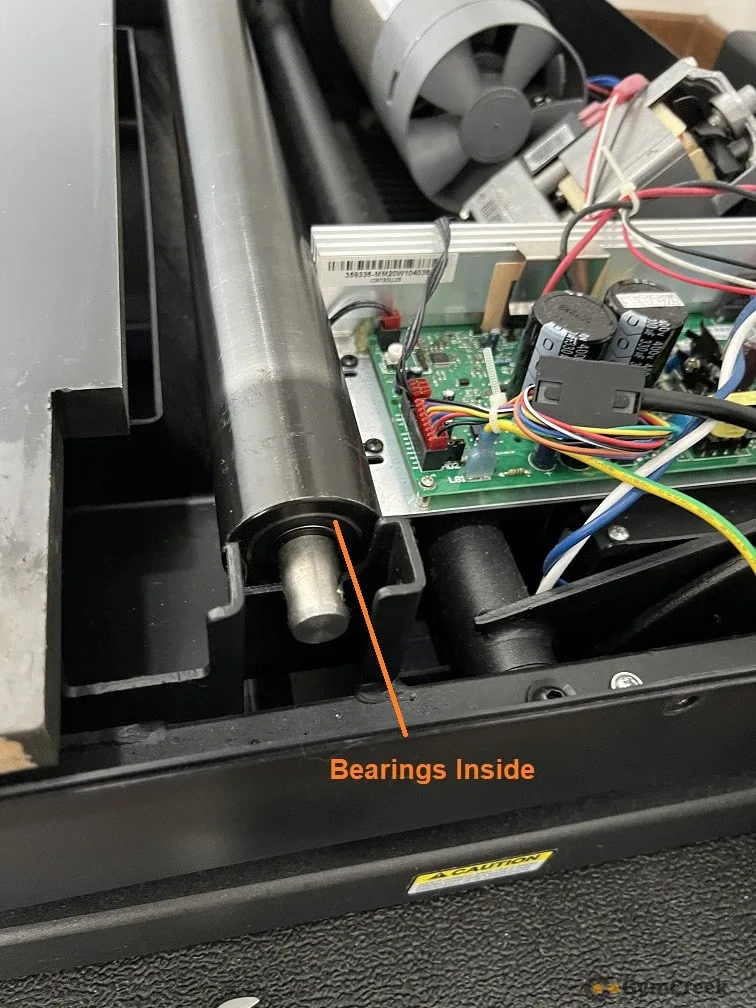
Image source: Bing (Web (fair-use with source credit))
Quick Answer
Your treadmill belt stops for five common reasons. The safety key is out, or the lanyard didn't seat. A breaker tripped, and the outlet is dead.
The drive belt snapped or slipped off its pulley. The walking belt is jammed, or the motor controller burned out.
Start With the 5-Minute Checks: Safety Key, Wall Outlet, Breaker, and Console Display
Before you take the motor hood off, do the boring checks first. You'd be surprised how many "broken" treadmills just need a safety key re-seated or a breaker flipped.
- Insert the safety key fully. Some consoles show an error code if the key isn't making contact.
- Test the wall outlet with a phone charger or a lamp. Plug the treadmill directly into the wall, not an extension cord.
- Find the reset breaker on the motor or frame. It's a small round button or switch, and it can trip with no warning.
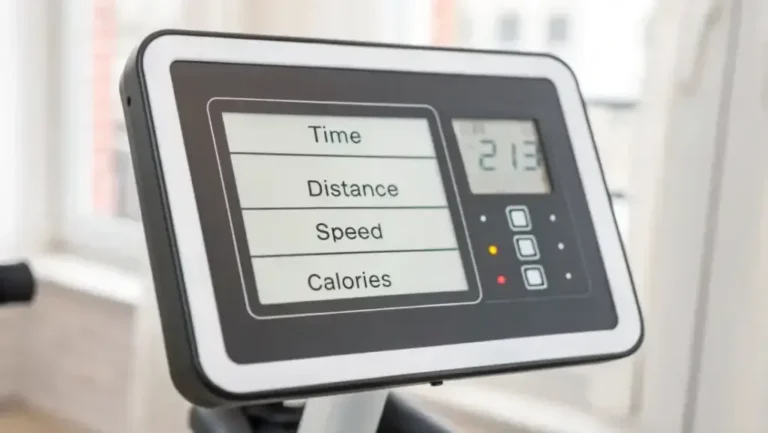
- Look at the console display. Codes like E1 or E2 usually point to the speed sensor, not the motor.
Per the safety guidelines from the U.S. Consumer Product Safety Commission, treadmills are built to stop when the safety key is removed. That's not a failure.
It's a design feature. If you've got other cardio gear at home, this kind of checkup is exactly the same discipline as maintaining other equipment before it breaks.
Decision Tree: Match Your Symptom to the Real Cause
Motor Humming But Belt Won't Budge
If the motor hums, it has power. That means the problem is mechanical. Check the drive belt for cracks or slack.
If it looks fine, remove the walking belt and turn the front roller by hand. A stuck roller usually means bad bearings.
No Sound at All When You Hit Start
If you hear nothing, start with the safety key and the outlet. Both good? Look for a tripped breaker on the motor.
Still nothing? Check the control board for voltage output. A dead controller often leaves a burnt smell behind.
Belt Jerks, Slips, or Clicks
If the walking belt jerks, it's usually tracking wrong or over-lubricated. Slipping means the walking belt is too loose. Clicking points to a worn drive belt, bad roller bearings, or debris under the deck.
You can apply a similar troubleshooting mindset to find the exact cause before spending any money.
Motor and Controller Checks: Drive Belt, Brushes, Speed Sensor, and Control Board
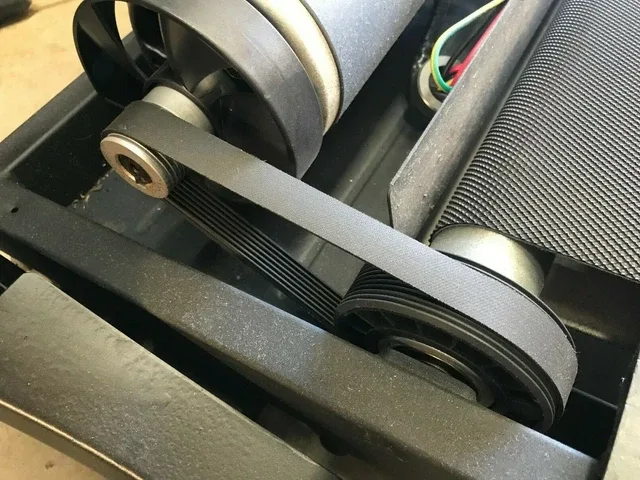
Image source: Bing (Web (fair-use with source credit))
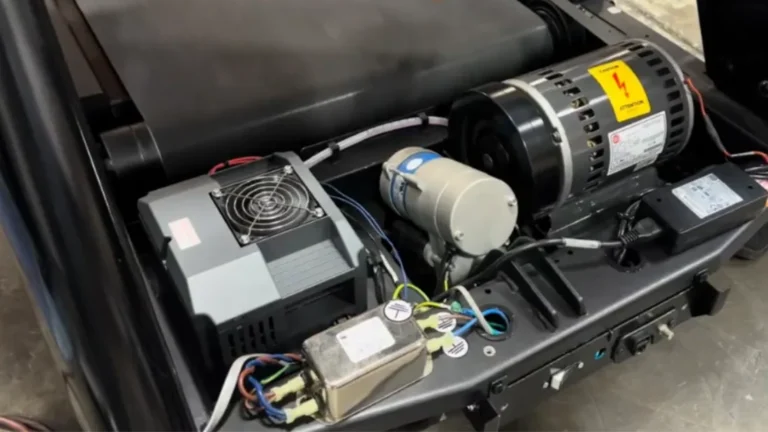
Once you're inside the motor hood, work through these components in order.
- Drive belt: This is the smaller belt connecting the motor to the front roller. If it's frayed, shiny, or won't tighten, replace it.
- Motor brushes: On most home DC motors, they're a cheap replacement part. Wear them out around 1,000 to 2,000 hours and the motor just stops.
- Speed sensor: A small magnetic or optical pickup sits near the motor. If it's dirty, misaligned, or broken, the console reads zero speed and refuses to run.
- Control board: Look for burn marks, swelling, or a strong electrical smell. That's the classic sign of a failed motor controller.
You can test the motor directly with a multimeter if you're comfortable with basic wiring. But if the control board shows damage, the board is usually the culprit, not the motor. The same goes for your other machines: a regular checkup of belts and rollers prevents bigger repairs.
A consistent cleaning routine does the same thing for your other gear.
Walking Belt and Roller Troubleshooting: Tension, Tracking, Lubrication, and Obstructions
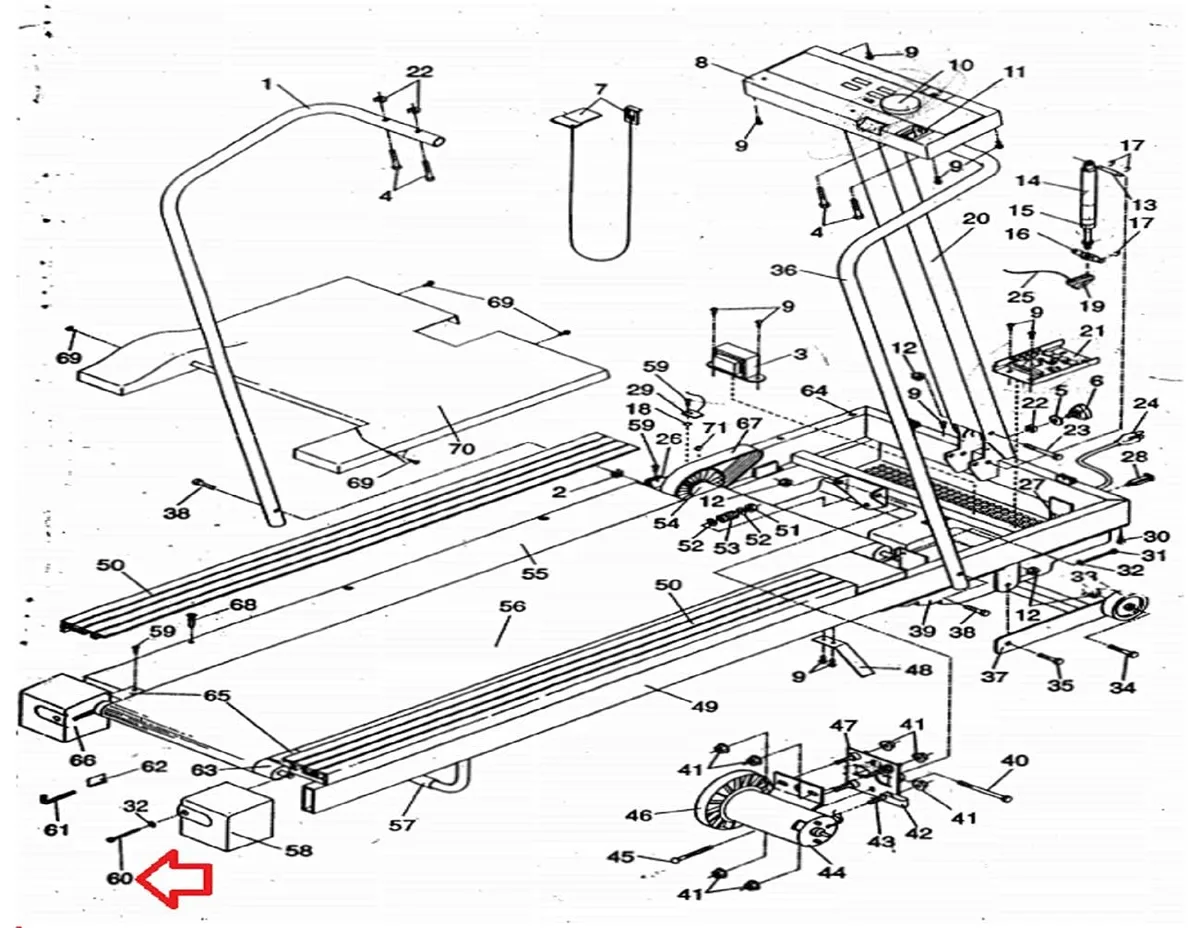
Image source: Bing (Web (fair-use with source credit))
If the motor spins and the front roller turns, the problem is under the deck. The walking belt itself can stop for four reasons.
- Tension: A belt that's too tight drags against the deck and stalls the motor. Tighten the rear roller bolts evenly, and check the lift at the center. It should rise about 3 to 5 inches, or 7.6 to 12.7 cm.
- Tracking: If the belt drifts to one side, it can catch on the roller edge. Tighten the left bolt to move it left, and the right bolt to move it right.
- Lubrication: Most decks need silicone-based lube every 3 to 6 months. Too much lube makes the belt slip. Too little makes it drag.
- Obstructions: Socks, dog toys, and small dumbbells can wedge under the deck. Also check the floor underneath, a soft mat can pull up and press against the belt.
A quick visual check of the rear roller tells you a lot. If the roller is covered in black rubber dust or doesn't spin freely, the bearings are worn. Replace the roller instead of trying to grease it.
Mistakes to Avoid When Troubleshooting a Treadmill
A few wrong moves can turn a $20 fix into a $300 repair. Learn from the mistakes that show up in aggregate repair reports.
- Don't run the motor with the walking belt overtightened. It drags the armature and burns out the motor controller.
- Don't use WD-40 or household oil on the deck. Treadmills need silicone-based lube. Petroleum products break down the belt material.
- Don't ignore error codes. E codes like E1 or E2 point to the speed sensor or motor. Guessing wastes time.
- Don't skip the safety key test. A loose lanyard switch mimics a dead console and sends people shopping for new treadmills.
- Don't crank the drive belt until it's guitar-string tight. It needs about half an inch of flex in the middle.
- Don't test the motor with the speed sensor unplugged. The controller reads zero RPM and won't deliver power.
If you're not sure whether your machine is worth saving, compare the repair cost against the treadmill's real value. The same logic applies when you're weighing gym equipment purchases before you spend a cent. Fixing smart beats fixing fast.
Frequently Asked Questions
Why is my treadmill belt not moving but the motor runs?
The motor is fine, so the problem is mechanical. Check the drive belt for cracks or slippage on the motor pulley. Then look at the front roller.
If the motor spins but the roller stays still, the keyed shaft or pulley is worn.
How do I reset my treadmill motor?
Unplug the treadmill for five minutes. Find the small reset breaker near the motor or on the frame. Press it until it clicks back into place.
Plug the machine in, insert the safety key, and test at 1 mph.
Why won't my treadmill belt move after sitting unused?
Moisture and dust make the belt stick to the deck. Try lifting the belt and sliding a dry cloth under it. Then apply a fresh layer of silicone treadmill lube.
If the rollers are stiff, spin them by hand to break free corrosion.
Should I use silicone spray or treadmill lube?
Use a product designed for treadmill decks. Silicone spray works if you spray it on a cloth first, never directly on the belt. Cheap lubricants can leave sticky residue that attracts dust and kills the belt.
DIY or Call a Pro? The Final Decision Guide
Here's the honest breakdown of when to grab a screwdriver and when to pick up the phone.
| Scenario | DIY? | Why |
|---|---|---|
| Safety key or breaker issue | Yes | Free and takes two minutes |
| Loose or misaligned walking belt | Yes | Shop manual and an Allen wrench usually solve it |
| Worn drive belt | Yes | Around $10 to $30 and 30 minutes of work |
| Burnt motor controller | Maybe | If you can solder and use a multimeter safely |
| Seized motor or bad bearings | No | Requires specialty tools and safe disposal |
The math is simple. If the repair quote exceeds half of what the treadmill is worth, it's smarter to replace the machine. Parts pricing confirms that a new control board plus labor often matches the cost of a comparable treadmill.
And if you're weighing fitness options entirely, don't forget that a rowing machine offers a different feel than a treadmill under your feet. Whatever you decide, unplug first, test safely, and keep the maintenance routine on schedule.