Slow Cooker vs Pressure Cooker
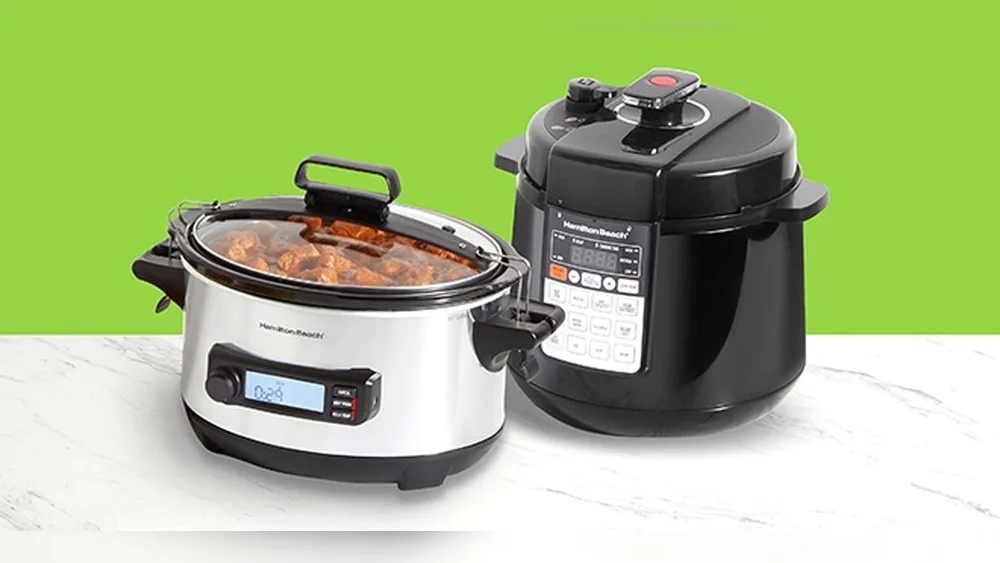
Image source: Bing (Web (fair-use with source credit))
Deciding between a slow cooker and a pressure cooker can feel like a culinary crossroads. Both promise to simplify meal prep and deliver delicious results, but they achieve this through vastly different cooking methods and timelines. Understanding their core functions is key to choosing the right one for your kitchen and your lifestyle.
In our research, manufacturer specifications indicate that while both appliances offer convenience, a pressure cooker can reduce cooking times by up to 70% compared to traditional methods. This means a meal that might take hours in a slow cooker can often be ready in under an hour.
Quick Answer
A slow cooker cooks food gently over many hours, ideal for tenderizing and melding flavors. A pressure cooker uses steam and high pressure to cook food rapidly, significantly cutting down meal preparation time. Choose a slow cooker for set-it-and-forget-it ease and tender roasts; opt for a pressure cooker when speed is essential, like cooking dried beans or tough meats quickly.
What's the Big Idea Behind Each Kitchen Workhorse?
Slow Cooker: The Gentle Mariner
The slow cooker, often recognized by its ceramic pot and lid, operates on the principle of low, sustained heat. It's designed to cook food over extended periods, typically ranging from 4 to 10 hours, depending on the setting and recipe. This gradual cooking process is fantastic for breaking down tougher cuts of meat, allowing flavors to deepen and meld together beautifully.
It's the definition of a "set it and forget it" appliance, making it perfect for busy days when you can assemble ingredients in the morning and return to a fully cooked meal.
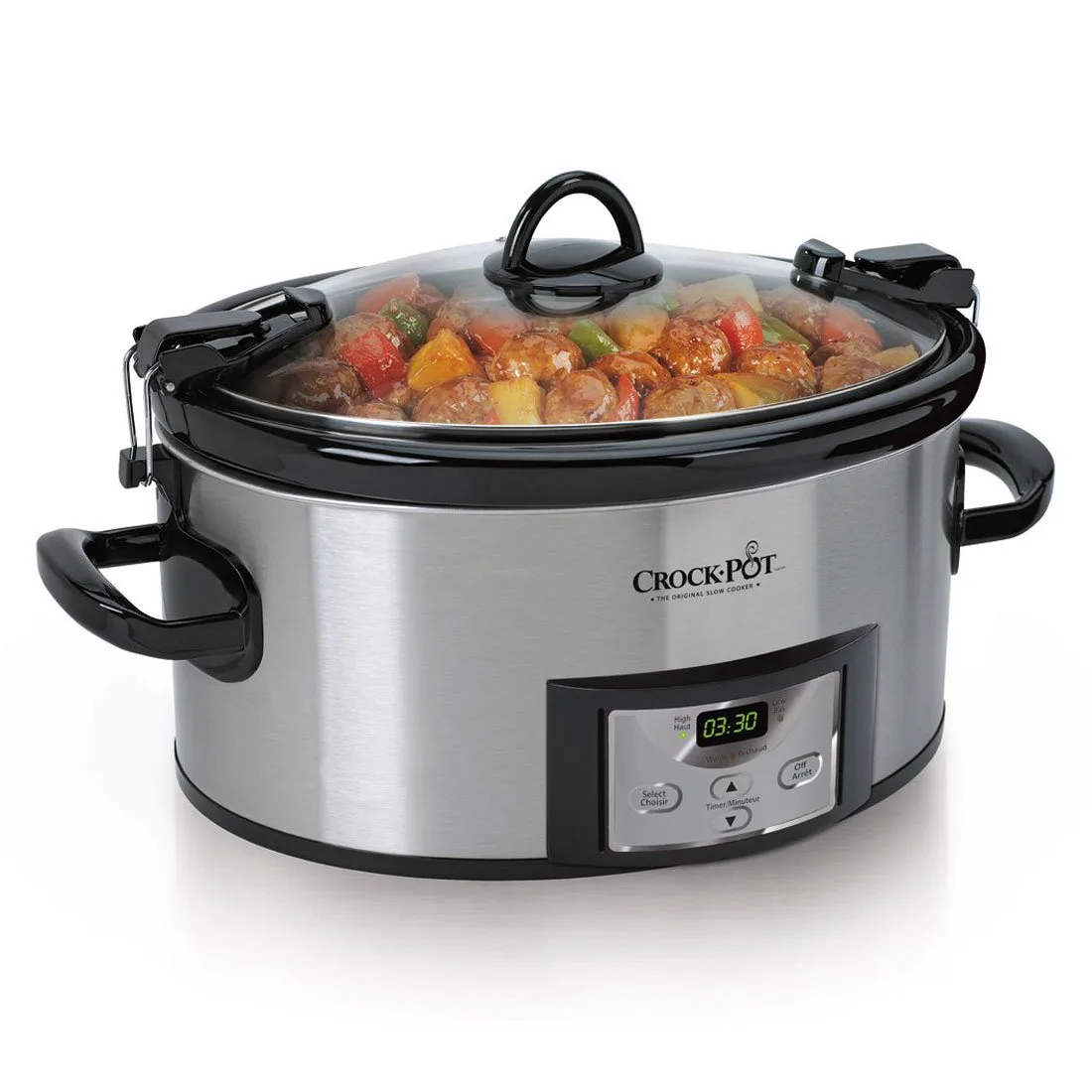
Image source: Bing (Web (fair-use with source credit))
Pressure Cooker: The Speed Demon
In contrast, the pressure cooker is all about accelerating the cooking process. It's a sealed pot that traps steam, which builds up pressure. This elevated pressure raises the boiling point of water inside the pot, allowing food to cook much faster, often in a third of the time compared to conventional stovetop methods.
Think of it as a culinary shortcut that can transform ingredients like dried beans (no pre-soaking required) or tough meats into tender delights in a fraction of the usual time. For example, according to aggregate user reviews, many recipes that would take 8 hours in a slow cooker can be completed in 20-30 minutes in an electric pressure cooker.
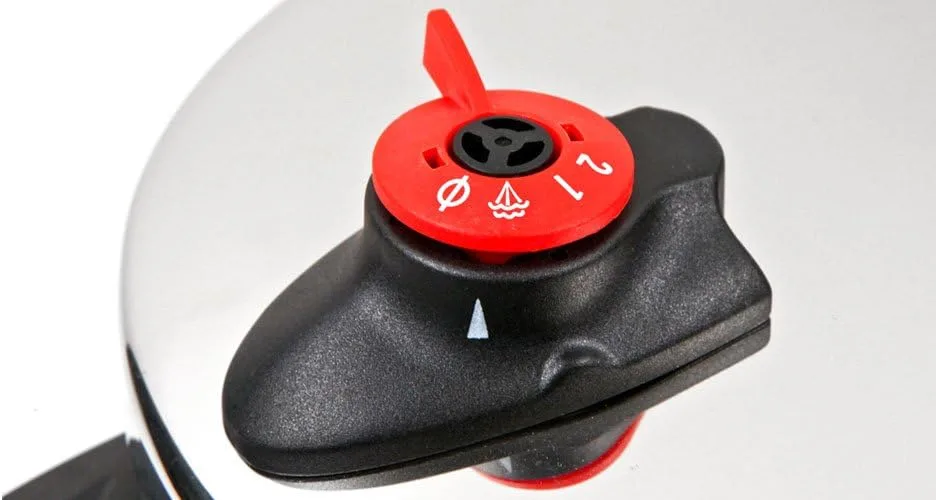
Image source: Bing (Web (fair-use with source credit))
Key Differences: Time, Texture, and Flavor
The most significant distinction between a slow cooker and a pressure cooker lies in their cooking mechanisms, which directly impact the final dish. It's not just about how long they take, but also how they transform your ingredients.
- Time: This is the most obvious difference. Slow cookers are designed for long, slow cooking sessions, taking hours. Pressure cookers are engineered for speed, drastically reducing cooking times for many dishes.
- Texture: Slow cookers excel at creating incredibly tender, fall-apart textures, especially with meats. The extended cooking time breaks down connective tissues gradually. Pressure cookers also tenderize meat effectively due to the intense heat and steam, but their speed means you need to be more mindful of not overcooking. They can also achieve perfect textures for grains and legumes quickly.
- Flavor: Slow cookers allow flavors to meld and deepen over many hours, resulting in rich, complex tastes. Pressure cooking, while fast, can also produce intense flavors, but sometimes the mellowing effect of long simmering is less pronounced. The moist environment of both appliances helps retain flavor.
Slow Cooker vs. Pressure Cooker: Pros and Cons Breakdown
Choosing between these two kitchen heroes depends heavily on your cooking style, available time, and the types of meals you enjoy most. Our analysis of manufacturer specifications and user feedback highlights these key advantages and disadvantages.
| Feature | Slow Cooker | Pressure Cooker |
|---|---|---|
| Pros | • Extreme tenderness for meats • Deep, melded flavor development |
• Drastically reduced cooking times • Excellent for beans, tough meats |
| • Very forgiving; hard to overcook • Simple, set-it-and-forget-it |
• Can cook from frozen • Efficient for stock and grains |
|
| • Minimal active supervision required • Generally safe and easy to use |
• Multipurpose functionality (on many electric models) | |
| Cons | • Very long cooking times | • Shorter cooking window; higher risk of overcooking |
| • Less suitable for quick meals or meal prep • Can sometimes lack browning |
• Requires more attention during cooking • Initial learning curve for safety |
|
| • Limited versatility for certain cooking techniques (e.g., searing) | • Can sometimes produce less mellow flavors than slow-cooked dishes | |
| Ideal For | • Pot roasts, stews, chilis, braises • Busy weekdays, set-and-forget |
• Dried beans, tough cuts of meat, quick stocks • Last-minute meals, meal prep |
When to Choose a Slow Cooker: Perfect Use Cases
If you're someone who loves the idea of coming home to a fully cooked, aromatic meal that's ready to be served, a slow cooker is likely your best friend. It's incredibly forgiving and requires minimal effort once you've tossed the ingredients in. This appliance shines when you have a longer lead time for dinner preparation.
Think about those days when you leave for work in the morning. You can prep your ingredients, perhaps a chuck roast with carrots, onions, and potatoes, add your liquids and seasonings, set the slow cooker to low, and head out. When you return, dinner is tender, flavorful, and waiting for you, often requiring just a quick side to complete the meal.
It's also a fantastic tool for meal prepping components for the week, like shredded chicken for tacos or pulled pork for sandwiches. For many, particularly those new to cooking or with demanding schedules, a slow cooker offers unparalleled convenience without compromising on taste or texture. Many models, like those featured in 7 Best Slow Cooker for Beginners, are designed for ultimate ease of use.
When to Choose a Pressure Cooker: When Speed is Key
There are definitely those evenings when you’re running late, or you suddenly decide you want to make something that usually takes hours. That's where the pressure cooker truly earns its keep. Its ability to dramatically cut down cooking times makes it an indispensable tool for a variety of culinary tasks.
Dried beans are a prime example. Typically, cooking dried beans from scratch requires soaking them overnight and then simmering for hours. With a pressure cooker, you can often cook dried beans (like pintos or black beans) from a dry state to tender perfection in about 20-30 minutes, without any soaking.
Similarly, tough cuts of meat that would take all day to become tender in a slow cooker can be made fork-tender in an hour or less in a pressure cooker. This speed is also beneficial for making stocks, cooking grains like quinoa or brown rice quickly, and even for preparing baby food efficiently. If you're looking for versatility and significant time savings, exploring options like those in 7 Best Pressure Cooker for Canning can reveal how this appliance can transform your cooking.
Common Mistakes to Avoid with Each Appliance
Even with the best intentions, it's easy to run into a few hiccups when using either a slow cooker or a pressure cooker. Understanding these common pitfalls can save you frustration and ensure your meals turn out delicious.
When it comes to slow cookers, one of the most frequent mistakes is overcrowding the pot. This prevents even heat circulation, leading to uneven cooking. If you pack it too full, ingredients at the bottom might become mushy while those at the top remain undercooked.
Aim to fill your slow cooker no more than two-thirds full. Another common error is lifting the lid too often. Each time you lift the lid, you release significant heat, extending the cooking time considerably.
Manufacturer specifications often note that removing the lid can add 20-30 minutes to the cooking cycle.
For pressure cookers, the biggest mistake is often rushing the process, particularly with natural pressure release. For certain dishes, like tenderizing large cuts of meat, allowing the pressure to release naturally is crucial for keeping the food moist and tender. Releasing pressure too quickly can cause meats to become tough.
Another frequent issue is not using enough liquid. Pressure cookers rely on steam to build pressure, so insufficient liquid means no steam, and thus, no pressure. Always check your recipe for the minimum liquid requirement, which is typically around 1 to 1.5 cups for electric models.
Per ASME standards for pressure vessel safety, always ensure the lid is properly locked before heating.
Did You Know? Fascinating Facts About Speed and Safety
Exploring the mechanics behind these appliances reveals some interesting insights. For instance, the science behind pressure cooking is quite straightforward yet highly effective. By trapping steam, the internal pressure increases, which in turn raises the boiling point of water from 212°F (100°C) to potentially over 240°F (115°C).
This higher temperature cooks food much faster.
Conversely, the slow cooker’s magic is in its patience. Its heating elements, typically found around the base and sometimes the sides, provide gentle, consistent warmth. This sustained low heat is perfect for denaturing proteins slowly, breaking down tough connective tissues in meat, and allowing flavors to infuse deeply into ingredients over several hours.
For example, a pork shoulder that might take 6-8 hours on high in a slow cooker to become shreddable could achieve a similar tenderness in about 50-60 minutes under high pressure in a pressure cooker.
Your Final Verdict: Making the Right Choice for Your Kitchen
So, after weighing all the details, which one is going to be the star of your kitchen? It really comes down to your personal cooking habits and what you value most in meal preparation. There's no single "better" appliance; it's about finding the one that fits your life best.
If you're someone who loves the idea of minimal morning prep for a satisfying evening meal and enjoys deeply tender, slow-cooked meats and rich, melded flavors, then a slow cooker is probably your perfect match. It's the champion of convenience for busy individuals or families who want dinner ready when they walk through the door. For many, investing in a quality slow cooker, perhaps like those found in 7 Best Slow Cooker for Family, is a reliable way to ensure hearty meals with little fuss.
On the other hand, if your biggest challenge is finding the time to cook, or you frequently want to tackle dishes that are traditionally time-consuming, a pressure cooker is likely the appliance you need. Its incredible speed transforms ingredients like dried beans and tough meats into delicious meals in a fraction of the time. This makes it ideal for meal prepping, last-minute dinners, or simply making everyday cooking more efficient.
If you're exploring options, models like those in 7 Best Compact Rice Cooker (many of which have pressure functions) showcase the modern versatility available. Ultimately, the best choice enhances your cooking experience and fits seamlessly into your routine.