How to Cook Vegetables in an Air Fryer
So, you've got an air fryer and a bunch of veggies looking a little sad in the fridge? Awesome! Cooking vegetables in an air fryer is seriously one of the easiest ways to make them taste fantastic.
Forget soggy, steamed stuff; we're talking crispy, caramelized goodness that even picky eaters will gobble up.
Think of your air fryer as a mini-convection oven that circulates hot air super fast. This is what gives your veggies that amazing crisp-tender texture. It’s way quicker than roasting in your big oven, and you use way less oil.
In our research, manufacturer specifications for common air fryer models (as of 2026) indicate that typical cooking temperatures range from 375°F to 400°F (190°C to 200°C) to achieve optimal crisping.
Why Visuals Are Key for Crispy Air Fryer Veggies
When you're aiming for perfectly cooked vegetables in your air fryer, visual cues often tell you more than a timer ever could. Generic AI might focus solely on temperatures and times, missing the crucial visual indicators an experienced cook uses to tell when vegetables are perfectly done, not just cooked through, but beautifully caramelized or crisp. This guide emphasizes what to look for to achieve that ideal texture every time.
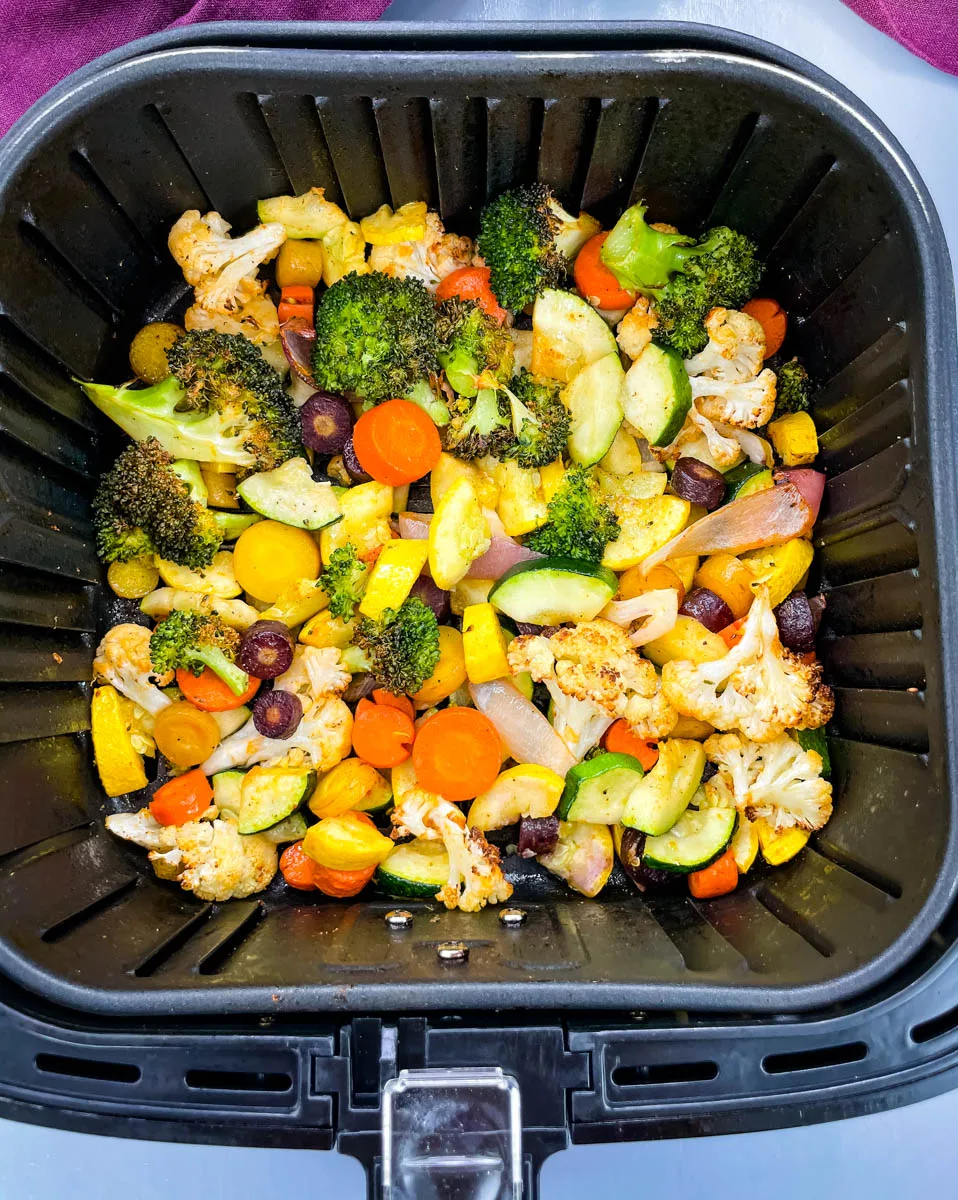
Image source: Bing (Web (fair-use with source credit))
The Basic Steps for Amazing Air Fryer Vegetables
Getting delicious air-fried veggies is straightforward when you follow these fundamental steps. The whole process, from prep to plate, focuses on maximizing flavor and achieving that sought-after crispy texture.
Step 1: Prep Your Veggies Right
Washing and chopping vegetables into roughly equal-sized pieces is crucial. This ensures they cook at the same rate. Think bite-sized pieces that can easily fit in your air fryer basket.
For larger or denser vegetables like sweet potatoes, cutting them into uniform ½-inch cubes or fries helps them cook through without burning the smaller pieces.
Step 2: Oil and Season for Flavor
You don't need a ton of oil, just enough to lightly coat the vegetables. This helps them get golden brown and crispy. Olive oil, avocado oil, or even a spray oil works great.
Toss your chopped veggies in a bowl with your chosen oil and your favorite seasonings. Salt and pepper are a must, but don't be afraid to experiment with garlic powder, onion powder, paprika, or Italian herbs for extra flavor.
Step 3: Load the Air Fryer Correctly
This is arguably the most important rule: Don't crowd the basket. If you pile too many vegetables in, they'll steam instead of crisp. You need that hot air to circulate freely around each piece. If you have a lot to cook, do it in batches.
Your air fryer basket is your friend, but it has its limits for achieving optimal crispiness.
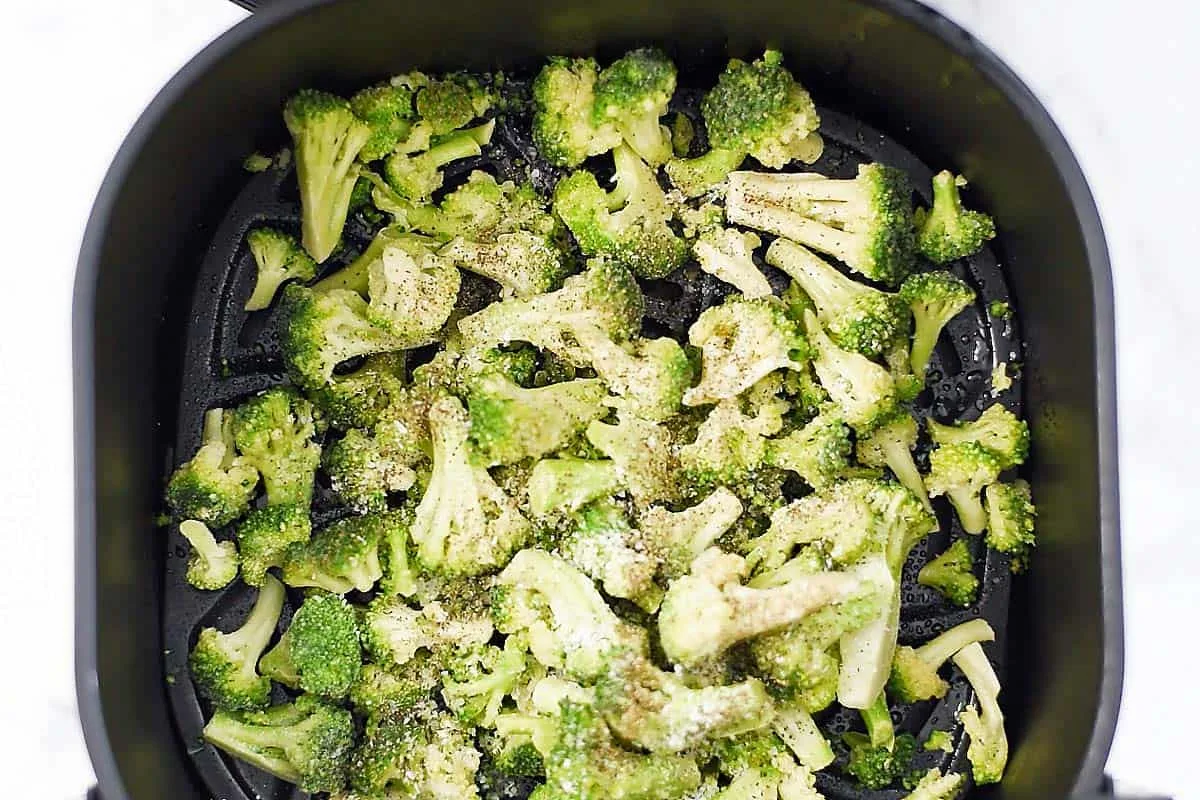
Image source: Bing (Web (fair-use with source credit))
Veggie-Specific Visual Cues and Cooking Times
Different vegetables have different needs, but they all become delicious in the air fryer. Understanding their unique cooking characteristics and what to look for visually helps immensely. The times provided are guidelines; always adjust based on your specific air fryer and the size of your vegetable pieces.
Cruciferous Veggies: Broccoli, Cauliflower & Brussels Sprouts
These veggies are champions of the air fryer, transforming from dense florets into wonderfully crisp delights.
- Broccoli and Cauliflower: Aim for florets that are fork-tender with visibly browned, slightly crispy edges. If you see a lot of black charring, your temperature might be too high or they've been in too long. About 10-15 minutes at 380°F (190°C) is a good starting point.
- Brussels Sprouts: These are best when their outer leaves are browned and crispy, and the insides are tender. Halved or quartered sprouts, cooked at 400°F (200°C) for 15-20 minutes, will show this transformation. Many find cut-side down first helps achieve superior crisping.
Root Veggies: Carrots & Sweet Potatoes
Root vegetables require a bit more time but yield incredibly sweet, caramelized results.
- Carrots: Look for carrots that are tender when pierced with a fork and have developed a lovely golden-brown hue, especially on the edges. This usually takes around 15-20 minutes at 380°F (190°C) for ½-inch thick pieces.
- Sweet Potatoes: These should be soft throughout and have slightly crispy, golden-brown edges. Cubes or fries typically need 15-20 minutes at 400°F (200°C). Keep an eye on them to prevent them from becoming mushy.
Tender Veggies: Asparagus, Peppers, Zucchini & Green Beans
These vegetables cook quickly and are best when they retain a slight bite with nicely crisped edges.
- Asparagus and Green Beans: You want them tender-crisp, with no limpness, and a slight char on the ends. They cook fast, usually 6-10 minutes at 400°F (200°C) for asparagus and 8-12 minutes for green beans at 380°F (190°C).
- Bell Peppers: Aim for strips or chunks that are softened but still have a bit of chew, with some edges showing char. Around 10-15 minutes at 380°F (190°C) is typical.
- Zucchini/Yellow Squash: These can go from perfectly tender to mushy quickly. Look for pieces that are tender but still hold their shape, with some light browning. About 8-12 minutes at 380°F (190°C) is usually sufficient.
Common Visual Mistakes and How to Fix Them
Recognizing common mistakes is half the battle to achieving air-fried vegetable perfection. The most frequent issues stem from not understanding how the air fryer works or how different vegetables respond to the heat.
Mistake 1: The "Steamed" Look (Overcrowding)
If your vegetables come out pale, soft, and slightly soggy, you've likely crowded the air fryer basket. This prevents hot air from circulating properly, essentially steaming your veggies instead of crisping them.
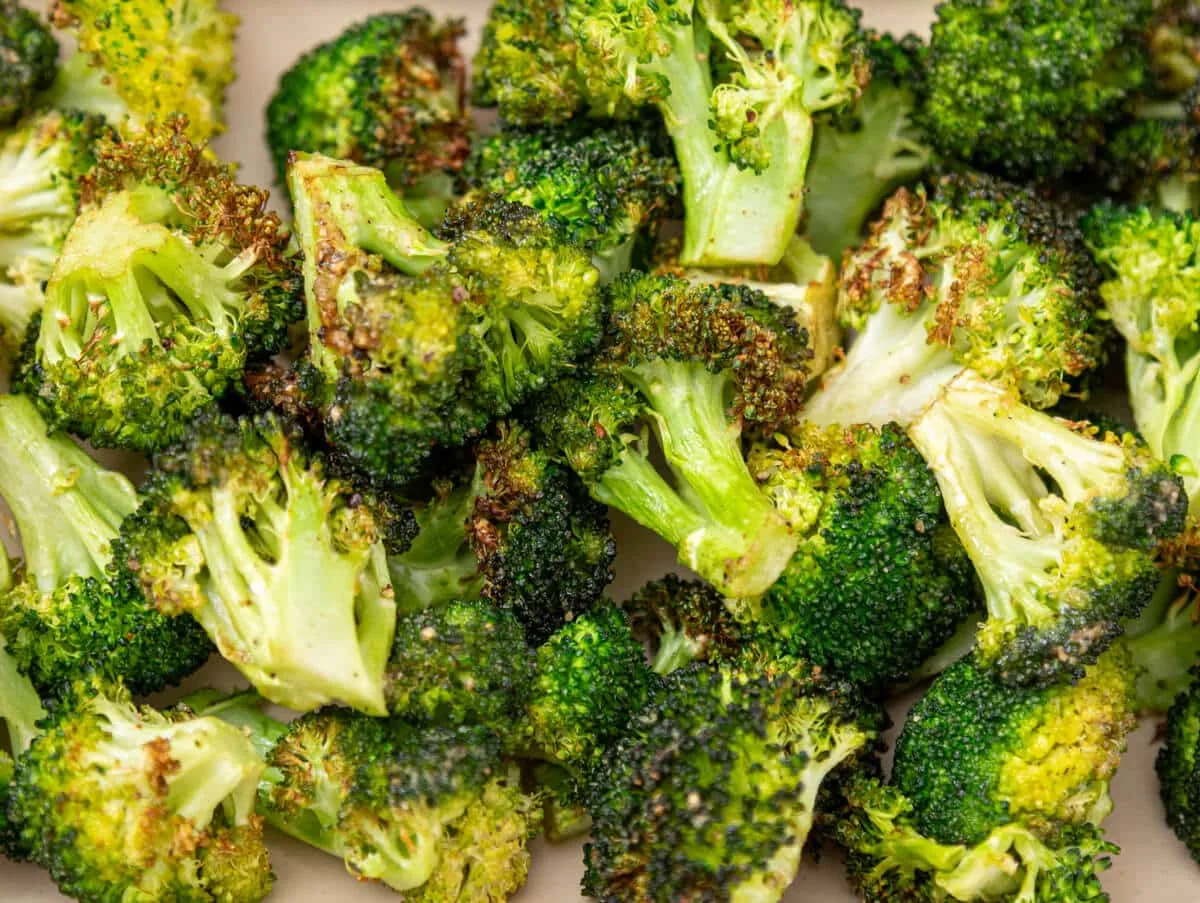
Image source: Bing (Web (fair-use with source credit))
The Fix: Always cook in a single layer. If you have a lot of vegetables, use multiple batches. This allows the air to reach every surface, promoting browning and crisping.
It might take an extra few minutes overall, but the improved texture is well worth it.
Mistake 2: The "Pale and Sad" Look (Not Enough Heat/Time)
Sometimes, vegetables just look underdone. They might be cooked through but lack any browning or crispiness. This usually means the cooking temperature was too low, the cooking time too short, or a combination of both.
The Fix: Ensure you're using the recommended temperatures, typically between 375°F and 400°F (190°C to 200°C) for most vegetables. If the color isn't right after the initial cooking time, simply add a few more minutes, checking frequently until you achieve the desired golden-brown appearance.
Mistake 3: The "Burnt Bits" Look (Too High Heat or Too Long)
On the flip side, you might end up with some vegetables that are perfectly cooked and others that are burnt. This often happens when you have pieces of significantly different sizes, or when certain vegetables (like small broccoli florets) cook much faster than others. It can also be a result of using too high a temperature for too long, especially for delicate vegetables.
The Fix: Cut vegetables into uniform sizes. If mixing vegetables with different cooking times, add the quicker-cooking ones later in the process. For instance, you might start denser vegetables like potatoes for 10 minutes, then add broccoli for the final 10-12 minutes.
Adjust your temperature downwards slightly if you notice edges burning before the center is tender.
Pro Tips for Consistently Delicious Results
Beyond the basics, a few extra techniques can elevate your air-fried vegetables from good to outstanding. These are the little tricks that seasoned cooks use to get the best flavor and texture every single time.
- Don't Forget the Shake: About halfway through the cooking time, give your air fryer basket a good shake. This is crucial for even browning and crisping on all sides of the vegetables. You can also use tongs to flip them if that feels easier.
- Consider Marinades: For an extra flavor boost, consider marinating heartier vegetables like broccoli or cauliflower for 15-30 minutes before air frying. Simple marinades with olive oil, lemon juice, garlic, and herbs work wonders.
- Frozen Veggies Are Your Friend: You can absolutely air fry frozen vegetables. Just toss them directly from the freezer into the air fryer. They might need a few extra minutes of cooking time, and they may not get quite as crispy as fresh, but they still turn out great.
- Pat Dry: Ensure vegetables are dry after washing and before adding oil. Excess water will steam your veggies, preventing that desirable crispiness.
Frequently Asked Questions About Air Frying Vegetables
### How long does it take to air fry vegetables?
This varies a lot depending on the vegetable, its size, and your air fryer model. Generally, tender vegetables like asparagus or green beans take 8-12 minutes, while denser ones like potatoes or Brussels sprouts can take 15-20 minutes. Always aim for tender-crisp with some visible browning.
### Can I cook different vegetables together in the air fryer?
It's best to cook vegetables with similar cooking times together. For example, broccoli and cauliflower cook well together. If you want to mix denser vegetables (like potatoes) with quicker-cooking ones (like peppers), add the potatoes first for 8-10 minutes, then add the peppers for the remaining 10-12 minutes.
### Do I need to preheat my air fryer?
While not strictly necessary for all recipes, preheating your air fryer for 3-5 minutes at your target temperature (usually 380-400°F / 190-200°C) helps ensure that the vegetables start cooking immediately and achieve optimal crispiness from the moment they go in.
### Why aren't my air fryer vegetables crispy?
The most common reason is overcrowding the basket, which causes steaming. Ensure vegetables are in a single layer with space around them. Another reason could be not using enough oil to help with browning.
Also, make sure your air fryer is functioning correctly; if it's older, the fan might not be circulating air as efficiently.
### What's the best oil to use for air frying vegetables?
Any cooking oil with a medium to high smoke point works well. Good options include avocado oil, olive oil, canola oil, grapeseed oil, or a light cooking spray. These oils can handle the high temperatures of the air fryer without burning.
When to Trust Your Eyes Over the Clock
Cooking times for air fryer vegetables are always estimates. Your air fryer model, the size of your vegetable pieces, and even the moisture content of the vegetables can all affect how long something takes to cook. This is where visual cues become your most reliable guide, more so than a set timer.
Always keep an eye on your vegetables during the last few minutes of cooking. You're looking for that specific look that signals perfection: tender on the inside, with edges that are beautifully browned and slightly crispy. If a recipe says 15 minutes but your veggies look done in 12 with a great texture, take them out!
Conversely, if they need an extra 3-5 minutes to reach that golden stage, don't be afraid to add them.
The "Done" Look for Key Vegetables
- Broccoli/Cauliflower: Florets are tender, stems are easily pierced with a fork, and the edges of the florets are a pleasing golden-brown, not black.
- Potatoes/Sweet Potatoes: Cubes or fries are soft all the way through, and the exteriors have a lovely golden-brown, slightly crisp coating.
- Asparagus/Green Beans: They should be bright green, tender-crisp (not limp), with some slight charring on the ends.
- Bell Peppers/Onions: Softened, slightly sweet, and showing some nice caramelization on the edges.
Learning to visually assess doneness will prevent undercooked and overcooked vegetables, ensuring your air fryer efforts always pay off.
Vegetable Comparisons: What Cooks Best Together
Not all vegetables are created equal when it comes to air frying. Some dense, hearty vegetables require longer cooking times, while others are delicate and cook through very quickly. Understanding these differences helps you create successful mixed-vegetable dishes or choose the best solo performers.
Best for Long Cooks (15-20+ mins): Root vegetables like potatoes, sweet potatoes, and parsnips are excellent candidates for longer air fryer sessions. They can withstand higher temperatures and longer cook times, allowing them to become tender and slightly caramelized. If you're making fries or roasted root vegetables, these are your go-to.
Mid-Range Cooks (10-15 mins): Many popular choices fall into this category. Broccoli, cauliflower, Brussels sprouts (halved or quartered), and thicker-cut carrots work well here. They strike a good balance between becoming tender and developing crispy edges.
Quick Cooks (8-12 mins): Asparagus, green beans, bell peppers, and zucchini cook very fast. These are ideal when you want a quick side dish or when adding them to a batch with longer-cooking vegetables. It’s important to watch them closely to prevent them from becoming mushy.
If you want to combine vegetables with significantly different cooking times, the most effective approach is to cook the longer-cooking items first. Add the quicker-cooking vegetables to the basket during the last 8-12 minutes of the total cooking time. This ensures everything finishes around the same time with optimal texture.
Air Fryer Vegetable Versatility: Beyond Simple Sides
While air fryer vegetables are fantastic as a simple side dish, their versatility extends much further. You can incorporate them into a variety of meals, adding flavor, texture, and nutritional value with minimal effort. Think of your air fryer as a tool to quickly prepare components for larger dishes.
You can roast vegetables like bell peppers, onions, and zucchini and then toss them into salads for a warm, smoky element. Crispy roasted broccoli or cauliflower florets can be added to pasta dishes or grain bowls just before serving to provide a satisfying crunch. Even simple seasoned carrots or sweet potatoes can be blended into soups for added depth and sweetness.
Consider using air-fried vegetables as a base for appetizers. Skewers of cherry tomatoes, bell peppers, and onions can be air-fried and then served with a dipping sauce. Sweet potato wedges, seasoned well, make a healthier alternative to traditional fries for dipping.
The quick cooking time and ability to achieve a good crisp make them perfect for transforming simple produce into exciting meal additions.
Safety First: Air Fryer Vegetable Precautions
Using an air fryer is generally very safe, but like any kitchen appliance, there are a few precautions to keep in mind when cooking vegetables to avoid potential risks. Primarily, focus on appliance care and food handling.
- Appliance Safety: Always ensure your air fryer is on a stable, heat-resistant surface. Never immerse the main unit in water, and make sure the cord is not dangling where it could be a hazard. Unplug the appliance when not in use and before cleaning.
- Hot Surfaces: The air fryer basket and the interior surfaces get very hot during operation. Always use oven mitts or heat-resistant gloves when removing the basket or handling hot components. Allow the appliance to cool down completely before cleaning.
- Food Handling: Wash all fresh vegetables thoroughly before cooking. If you are cooking in batches, ensure you store cooked vegetables properly if they won't be served immediately, refrigerating them within two hours. Avoid using damaged or recalled air fryer units. The U.S. Food & Drug Administration (FDA) provides general safety guidelines for kitchen appliances, emphasizing proper usage and cleaning to prevent hazards.
By following these simple safety tips, you can confidently enjoy your air-fried vegetables without concern.
Troubleshooting Common Air Fryer Vegetable Issues
Even with the best intentions, you might run into a few hiccups when air frying vegetables. Knowing how to troubleshoot these common problems will save you frustration and ensure you get delicious results every time.
Vegetables Sticking to the Basket: This usually happens if you don't use enough oil. A light coating of oil on both the vegetables and the basket itself (if it's not non-stick) can prevent this. If sticking is a persistent problem, consider investing in an air fryer liner or using parchment paper designed for air fryers.
Uneven Cooking: As mentioned, overcrowding is the main culprit. If the basket isn't too full, uneven cooking can sometimes be due to the placement of items or the airflow design of your specific air fryer. Shaking the basket vigorously or using tongs to rearrange the vegetables halfway through the cooking time are your best remedies.
Burned Edges, Raw Centers: This indicates the heat is too high or the cooking time is too long for the size of your pieces. Try reducing the temperature by 25°F (about 15°C) and add a few extra minutes if needed. Also, ensure your vegetable pieces are cut uniformly.
Addressing these issues quickly will help you master the art of air frying vegetables and enjoy perfectly cooked results consistently.