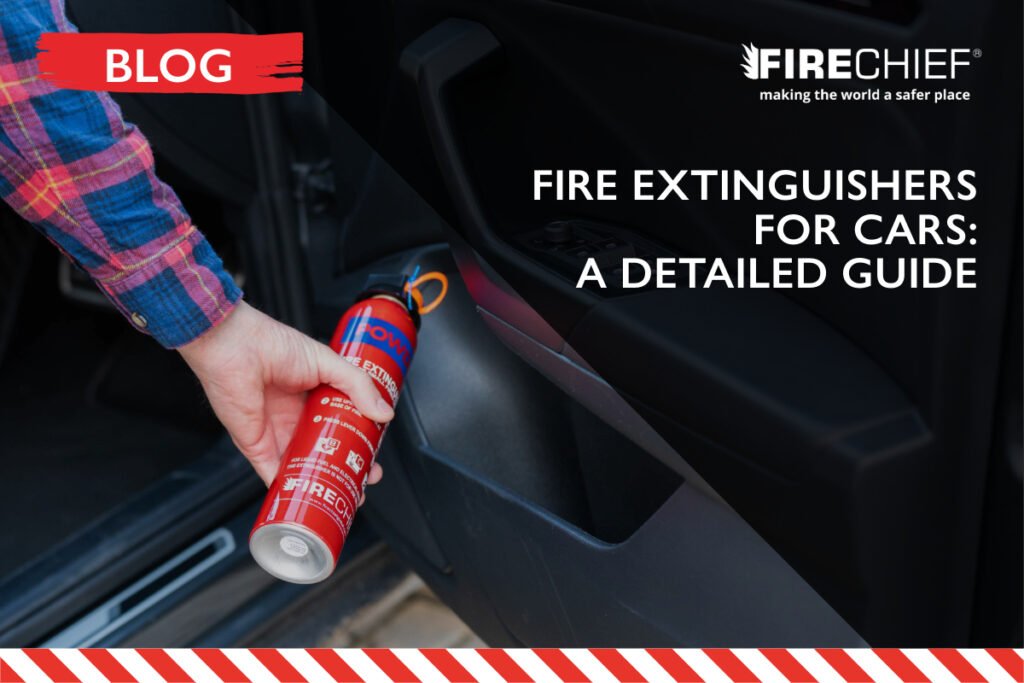
How To Use A Car Fire Extinguisher: Quick Safety Guide
A car fire extinguisher works best when you know where it is, how to pull it, aim low, and sweep fast.
If you drive long enough, you learn that a small fire can turn serious in seconds. I’ve seen how fast a dashboard spark, a fuel leak, or an overheated engine bay can change a normal day into a stressful one. That is why knowing how to use a car fire extinguisher is not just helpful; it can be a real safety skill that protects you, your passengers, and your vehicle.

What a car fire extinguisher is and why it matters
A car fire extinguisher is a portable safety tool made to stop small fires before they spread. In most vehicles, the best choice is a dry chemical extinguisher rated for Class B and Class C fires, and sometimes Class A as well. That means it can help with fuel, electrical, and some common material fires inside a vehicle.
The main point is simple: a fire extinguisher gives you time. It is not meant to fight a large, fast-moving fire. But if you catch the fire early, it can prevent a small problem from becoming a total loss.
From a practical point of view, I always tell drivers to think of it like a seat belt for fire risk. You hope you never need it, but when you do, you need it fast and it needs to work.
When you should use a car fire extinguisher
You should use a car fire extinguisher only when the fire is small and you can leave the vehicle safely. If flames are already large, if smoke is thick, or if the fire is near the fuel tank, back away and call emergency services right away.
Good times to act include:
• A small electrical fire under the dash or in a panel
• A tiny engine compartment fire that has just started
• A minor fire near a tire or brake area that is still manageable
• A small fire in the trunk or cabin that has not spread
Do not try to be a hero. If the fire is growing fast, your safest move is to get out, move people away, and wait for firefighters.
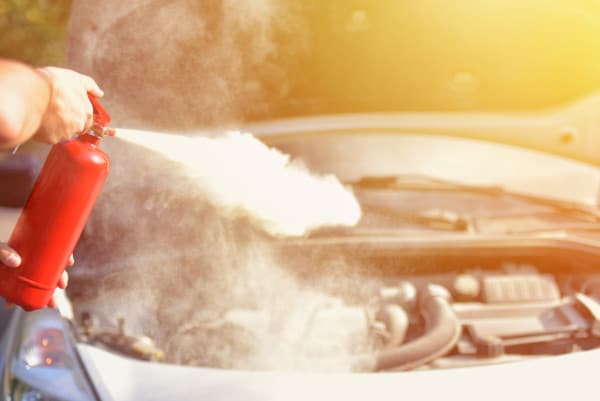
How to use a car fire extinguisher step by step
The basic method is simple, but calm action matters. I like to remember it as “stop, aim, squeeze, sweep.” That pattern helps people stay focused when their nerves are racing.
1. Pull over and turn off the engine
If you notice smoke, flames, or a burning smell, pull over as safely as possible. Turn off the engine right away to reduce fuel flow and electrical power. If the keys are still in the ignition, remove them if you can do it quickly and safely.
2. Get everyone out of the car
Move all passengers away from the vehicle first. If the fire spreads, you do not want anyone trapped inside or standing too close. Keep people upwind if possible so they are not breathing smoke.
3. Call emergency services
Even if you plan to use the extinguisher, call 911 or your local emergency number. A fire can seem small and then flare up again. Fire crews can also check for hidden heat, fuel leaks, or electrical damage.
4. Check the fire from a safe distance
Look at the size and location of the fire before you act. If the flames are under the hood, open it only slightly if needed and only if you can do so without getting burned. If the hood is hot or already lifting with flames, stand back.
5. Use the PASS method
PASS is the easiest way to remember how to use a car fire extinguisher:
• Pull the pin
• Aim at the base of the fire
• Squeeze the handle
• Sweep side to side
Aim low, not at the flames themselves. Fire needs fuel and heat at the base, so that is where you want the powder or agent to hit.
6. Use short bursts
Do not empty the extinguisher all at once unless you must. Short, controlled bursts help you manage the agent better. Sweep from side to side until the fire looks out, then watch the area closely for smoke or re-ignition.
7. Back away if the fire returns
A fire may seem out and then come back if hot material is still burning. If the flames return or get bigger, step away immediately. This is the point where the extinguisher has done its job and the fire has moved beyond what you should handle.
Choosing the right fire extinguisher for a car
Not every extinguisher is ideal for a vehicle. A compact dry chemical extinguisher is usually the most common choice because it is effective on many auto-related fires and easy to store in the car. Make sure it has the proper ratings for vehicle use.
Things to look for:
• A clear rating for Class B and Class C fires
• A size that is easy to reach and carry, often 2.5 to 5 pounds
• A pressure gauge in the green zone
• A secure bracket or mount for the vehicle
• A recent inspection date or a unit that is still fully charged
I’ve seen people buy a fire extinguisher and toss it in the trunk under bags and tools. That defeats the purpose. If you cannot grab it in seconds, it is not in the right place.
Where to store a car fire extinguisher
The best place is one you can reach fast without digging through clutter. Many drivers mount it under the front seat, on a seat bracket, or in another secure spot near the driver.
A good storage spot should:
• Keep the extinguisher stable during driving
• Protect it from rolling around
• Allow quick access from the driver’s seat
• Stay out of direct heat when possible
Do not store it loose in the trunk if you want it ready for an emergency. In a fire, every second matters, and a buried extinguisher can be nearly useless.
Common mistakes to avoid
Using a car fire extinguisher sounds simple, but a few mistakes can make things much worse. I have seen drivers wait too long, stand too close, or spray the wrong area.
Avoid these errors:
• Trying to fight a large fire by yourself
• Opening a hot hood all the way before checking for flames
• Aiming at the top of the fire instead of the base
• Standing too close to the heat and smoke
• Forgetting to call emergency services
• Using an extinguisher that is expired or empty
Another mistake is assuming the fire is gone after one quick burst. Keep watching the area, because hidden heat can bring the fire back.
Best practices for staying safe while using one
Safety should always come first. A fire extinguisher is a tool, not a guarantee. Your goal is to control a small fire just long enough to protect people and reduce damage.
Follow these safety tips:
• Stay low if smoke is heavy
• Keep the wind at your back when possible
• Do not open the hood fully if flames are already present
• Keep a safe escape path behind you
• Leave the scene if the fire is spreading fast
If you have ever been near a car fire, you know how fast heat and panic rise together. Staying calm is as important as aiming the extinguisher correctly.
What kinds of car fires a extinguisher can and cannot handle
A car fire extinguisher is useful for small, early-stage fires, but it has limits. It works best on fuel, electrical, and minor interior fires. It is not a fix for major engine fires, explosion risk, or a vehicle that is already engulfed.
It can help with:
• Small wiring faults
• Minor fluid leaks that catch fire
• Tiny upholstery or carpet fires
• Early engine bay flames
It cannot reliably handle:
• Large fuel-fed fires
• Fully involved vehicle fires
• Fire near a damaged fuel tank
• Situations where flames are spreading under the vehicle
This is where honest judgment matters. The smartest driver knows when to act and when to retreat.
How to inspect and maintain your extinguisher
A car fire extinguisher only helps if it works when you need it. Check it often, just like you would check tire pressure or oil. A quick monthly look can save you a lot of regret later.
Inspect for:
• A pressure gauge in the ready zone
• No visible rust, dents, or damage
• A clear label and readable instructions
• An intact safety pin and seal
• A current inspection or replacement date
Shake or follow the manufacturer’s guidance only if the label says to do so. Some units need occasional checking to prevent powder from compacting. If you are not sure, replace it sooner rather than later.
Real-world lessons from emergency preparedness
One thing I have learned is that people often buy safety gear after they see a close call. That is human nature. But a car fire extinguisher is one of those tools that is much more valuable before the emergency than during it.
In real life, preparation is what matters most. If you know where the extinguisher is, can reach it fast, and understand how to use a car fire extinguisher, you are already ahead of most drivers. That confidence can make the difference between a small scare and a major loss.
I also recommend practicing the motions with the extinguisher in a safe, non-emergency setting. You do not need to discharge it. Just learn the grip, the pin, and the sweep motion so your hands know what to do under stress.
Frequently Asked Questions of How to use a car fire extinguisher
How do you use a car fire extinguisher safely?
Pull over, turn off the engine, get everyone out, and call emergency services first. Then use the PASS method and aim at the base of the fire with short bursts.
What type of extinguisher is best for a car?
A dry chemical extinguisher rated for Class B and Class C fires is usually the best choice for vehicles. It handles fuel and electrical fires well, which are common in cars.
Can a car fire extinguisher stop an engine fire?
Yes, but only if the fire is small and caught early. If flames are spreading fast under the hood, move away and wait for firefighters.
Where should I keep a car fire extinguisher?
Keep it somewhere you can reach quickly, such as under the front seat or in a secure mount near the driver. Do not bury it in the trunk under luggage.
How often should I check my car fire extinguisher?
Check it at least once a month. Make sure the pressure gauge is in the green zone and that the extinguisher is not damaged, expired, or blocked by clutter.
Conclusion
Knowing how to use a car fire extinguisher gives you a real safety edge when seconds matter. The key steps are simple: stay calm, get people out, call for help, and use the extinguisher only on a small fire that you can safely manage. With the right unit, the right storage, and a little practice, you can turn a scary situation into a controlled one.
Take a few minutes today to check your extinguisher, make sure you can reach it, and learn the PASS method by heart. If you want, keep exploring car safety tips, share this guide with another driver, or leave a comment with your own emergency prep habits.