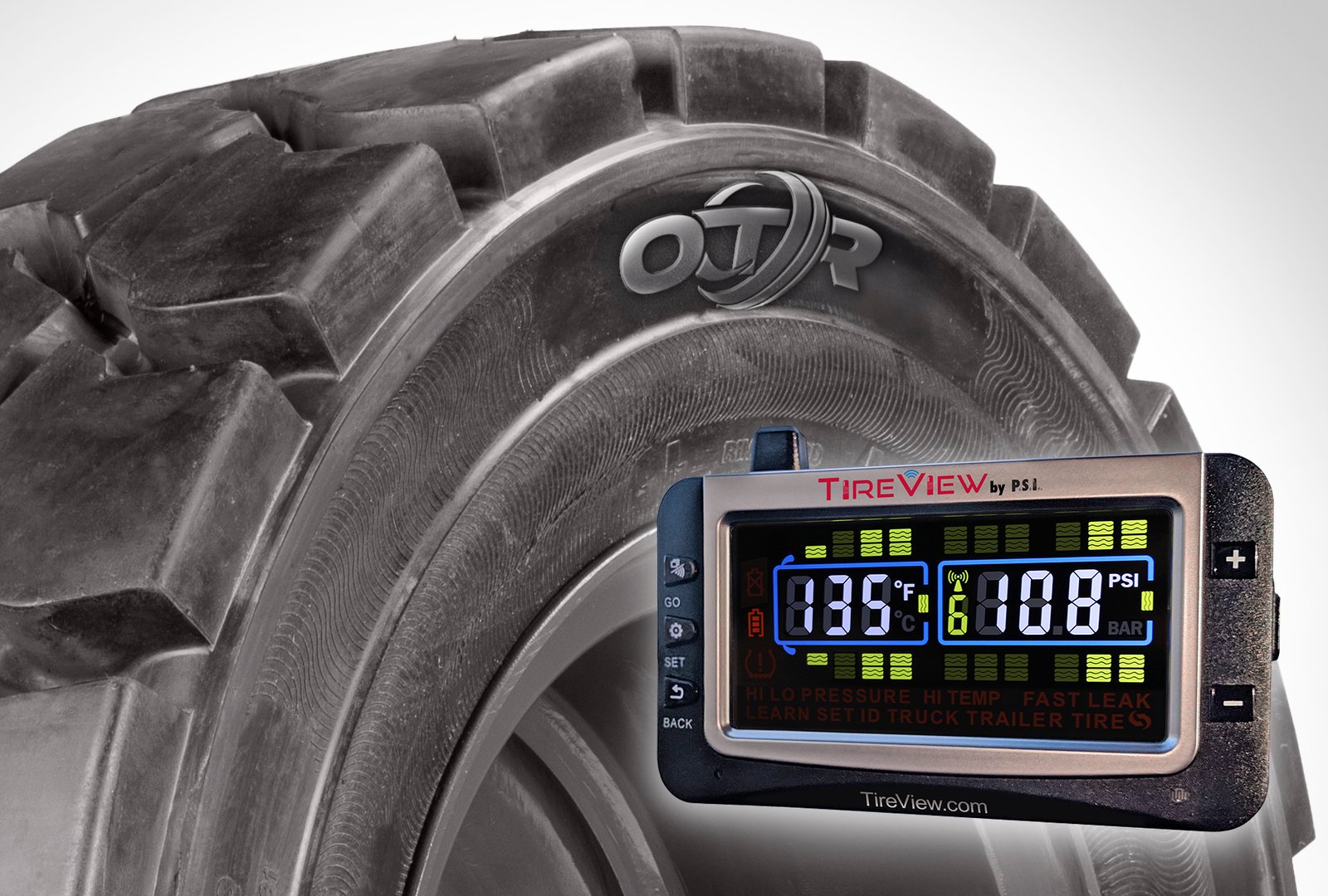
How To Use A Tire Pressure Monitoring System: Easy Guide
A tire pressure monitoring system shows real-time tire pressure, helping you catch low air before it becomes a problem.
If you know how to use a tire pressure monitoring system the right way, it can save you gas, extend tire life, and make every drive safer. I’ve seen too many drivers ignore warning lights until they were already dealing with a flat, shaky steering, or uneven tire wear. This guide breaks down how to use a tire pressure monitoring system in a simple, practical way so you can read it, apply it, and drive with more confidence.

What a tire pressure monitoring system does
A tire pressure monitoring system, or TPMS, checks the air pressure in your tires and alerts you when one or more tires are underinflated. Some systems also warn you if pressure rises too high, but low pressure is the main concern for most drivers.
There are two common types of TPMS:
• Direct TPMS uses sensors inside each tire to measure pressure directly
• Indirect TPMS estimates pressure by tracking wheel speed through the ABS system
Direct systems are more precise, while indirect systems are usually cheaper and rely on recalibration after tire changes or pressure adjustments. In my experience, the key is not just having TPMS, but knowing how to use a tire pressure monitoring system so the alert means something to you right away.
A TPMS is not a replacement for a manual gauge. It is more like a smoke alarm for your tires. It gives you early warning, but you still need to check the source and fix the issue.

How to use a tire pressure monitoring system step by step
Using TPMS is simple once you understand what the alerts and readings mean. The system works best when you treat it as part of your regular tire routine, not just as a dashboard light you notice once in a while.
Here is the basic process:
-
Check the recommended tire pressure
Look at the driver’s door sticker, owner’s manual, or vehicle placard for the correct PSI. Do not use the number printed on the tire sidewall, since that is the tire’s maximum limit, not your car’s target. -
Inflate tires to the correct pressure
Use a reliable tire gauge and an air compressor if needed. I always check tires when they are cold, because driving heats the air and can raise the reading. -
Reset or recalibrate the TPMS if required
Some vehicles need a reset after adjusting tire pressure or rotating tires. This teaches the system what “normal” looks like again. -
Watch the dashboard display or warning light
If your car has a digital TPMS screen, check it regularly. If it only has a warning light, learn the symbol so you know when pressure is low. -
Respond quickly to alerts
Pull over safely, inspect the tires, and check pressure with a gauge. If a tire keeps losing air, inspect it for nails, valve stem damage, or sidewall punctures. -
Recheck after temperature changes
Cold weather often causes pressure to drop. I’ve seen a tire alert pop up on a winter morning even though the tire was fine the day before.
A good rule of thumb: use TPMS as your early warning, but confirm with a manual check when something looks off.
How to read TPMS warnings and tire pressure data
The warning light is useful, but it only helps if you know what it means. Most vehicles use a yellow horseshoe-shaped icon with an exclamation point to signal low tire pressure.
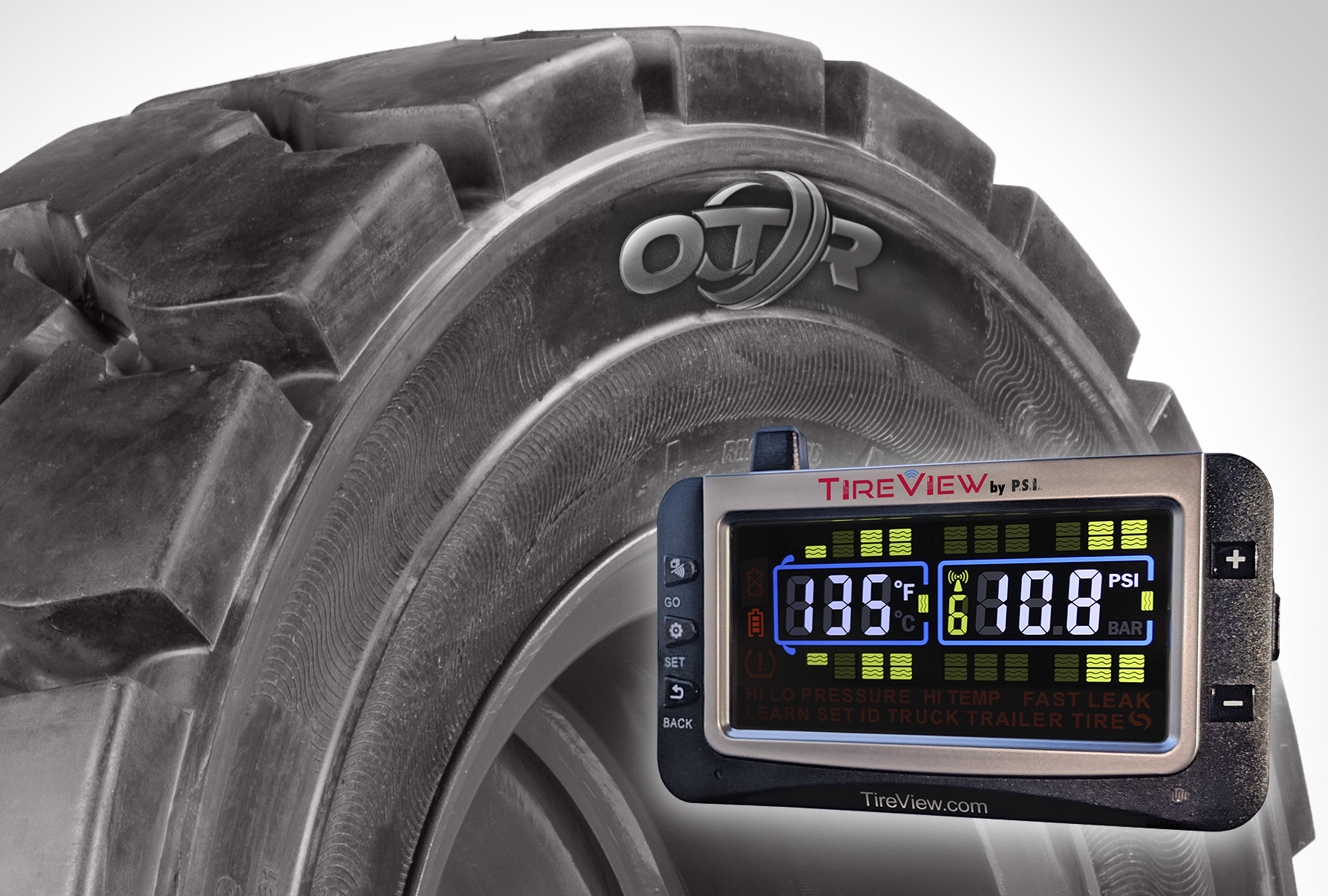
If you have a display with exact numbers, pay attention to:
• PSI readings for each tire
• Temperature changes if your system shows them
• Which tire is dropping faster than the others
• Whether the warning is steady or flashing
A steady light usually means one or more tires are underinflated. A flashing light often points to a TPMS malfunction, like a sensor battery failure or communication problem.
One mistake I made early on was assuming a TPMS light always meant a puncture. Sometimes it was just a 5 to 7 PSI drop after a cold snap. That’s why it helps to understand both the warning and the actual pressure reading before panicking.
Best practices for accurate TPMS use
To get the most out of your system, use it with a few simple habits. These small steps make a big difference in safety and tire life.
• Check pressure monthly, even if TPMS looks fine
TPMS helps, but it is not perfect. Tires can still lose air slowly without triggering a warning right away.
• Check before long trips
Heat, highway speed, and load all affect tires. A quick check before travel can prevent road trouble.
• Keep tires matched when possible
Mixed tire sizes or uneven wear can confuse some systems, especially indirect TPMS.
• Reset the system after tire service
Rotation, replacement, or pressure changes may require recalibration. Skipping this step can lead to false alerts.
• Replace sensor batteries when needed
Many direct TPMS sensors last 5 to 10 years, depending on driving habits and design. If your warning light stays on, the sensor may be nearing the end of its life.
• Don’t ignore repeated alerts
A tire that keeps losing pressure may have a slow leak, bad valve, or rim issue.
A TPMS works best when you pair it with routine care. Think of it like a seatbelt warning chime: helpful, but only if you pay attention.

Common mistakes to avoid when using TPMS
Even good systems can lead people astray if they trust them too much or use them the wrong way. These are the biggest mistakes I see drivers make.
• Ignoring the recommended PSI
Some people fill tires to whatever number feels “close enough.” That can hurt handling, fuel economy, and tread wear.
• Checking hot tires and assuming the reading is exact
Tire pressure rises after driving. If you compare hot and cold readings without context, you may overinflate or underinflate.
• Resetting the system before correcting pressure
If you reset too early, the system may learn the wrong baseline.
• Relying only on the dashboard light
TPMS warns you, but it does not tell you the reason. A gauge and visual inspection still matter.
• Forgetting the spare tire
Many vehicles do not monitor the spare tire. If you carry a full-size spare, check it manually.
• Assuming all tire problems are sensor problems
Sometimes the tire is the issue, not the TPMS. A leak, damaged wheel, or worn valve stem can be the real cause.
These mistakes are easy to avoid once you understand how to use a tire pressure monitoring system as a tool, not a full solution.
Why TPMS matters for safety, fuel use, and tire life
Proper tire pressure affects far more than comfort. It changes how your car brakes, steers, and handles sudden turns.
Here’s why TPMS matters:
• Safety
Underinflated tires can overheat and are more likely to fail. That matters most on highways and in hot weather.
• Fuel economy
Low tire pressure increases rolling resistance, which can reduce gas mileage.
• Tire lifespan
Incorrect pressure causes uneven wear. That means you may replace tires sooner than expected.
• Better handling
Tires with the right PSI respond more predictably in rain, snow, and emergency moves.
Industry safety groups and vehicle experts consistently point out that low tire pressure is one of the most common and preventable tire issues. From my own experience, even a small pressure drop can make a car feel sluggish and less stable, especially in wet weather.

How TPMS works with different vehicles and climates
Not every car uses TPMS the same way. That matters when you’re learning how to use a tire pressure monitoring system on your specific vehicle.
In colder climates, pressure often drops as temperatures fall. For every 10°F drop, tire pressure can fall by about 1 PSI. That’s why TPMS warnings show up more often in winter.
For SUVs, trucks, and loaded vehicles, tire pressure becomes even more important. Extra weight puts more stress on the tires, so the correct PSI is not optional.
Electric vehicles can be especially sensitive too. EVs are heavier than many gas cars, so tire pressure affects range and wear even more. If you drive an EV, checking TPMS regularly can help preserve efficiency.
If you use aftermarket wheels or sensors, compatibility matters. A mismatch can cause false warnings or sensor errors. In those cases, a tire shop or dealership can help confirm the correct setup.
Maintenance tips for long-term TPMS performance
TPMS does not need a lot of attention, but it does need some care. A little maintenance keeps the system accurate and reliable.
• Have sensors checked during tire rotations
• Replace valve stems if they are cracked or corroded
• Ask about sensor battery life when buying new tires
• Relearn or resync the system after wheel changes
• Keep the inside of the wheel area clean during service
• Use quality replacement sensors when needed
I always recommend asking the tire technician whether the system was reset after service. That one question has saved me from false alerts more than once.
Frequently Asked Questions
How often should I check tire pressure if I have TPMS?
You should still check tire pressure at least once a month, even with TPMS. The system is helpful, but a manual check gives you the most accurate picture.
Can TPMS tell me exactly which tire is low?
Many direct TPMS systems can show the exact tire with low pressure. Some basic systems only show a warning light, so you may need to check all four tires with a gauge.
Why is my TPMS light on when my tires look fine?
The tires may still be low even if they look normal by eye. A tire can lose a few PSI without looking flat, so use a pressure gauge to confirm.
Do I need to reset TPMS after rotating tires?
Yes, many vehicles need a reset or relearn after tire rotation. This helps the system track each sensor in the correct position.
Can cold weather trigger a TPMS warning?
Yes, cold weather can lower tire pressure and trigger the warning light. This is common in fall and winter, and it usually means you should add air to the correct PSI.
How long do TPMS sensors last?
Many TPMS sensors last about 5 to 10 years, but battery life depends on the vehicle and driving conditions. If a light keeps flashing or won’t clear, a sensor may need replacement.
Conclusion
Learning how to use a tire pressure monitoring system is one of the easiest ways to become a safer, smarter driver. When you understand the warnings, check pressure the right way, and reset the system when needed, TPMS becomes a simple tool that protects your tires, fuel economy, and peace of mind.
The real win is not just avoiding a flat. It is catching small problems early, before they turn into bigger repair bills or roadside stress. Take a few minutes this week to check your tire pressure, confirm your TPMS works properly, and make it part of your regular car care routine.
If you found this guide useful, keep exploring tire maintenance tips and share your own TPMS experience in the comments.