Can a Treadmill Damage the Floor
Can a treadmill damage the floor? Yes, but only under certain conditions. The risk depends on your treadmill's weight, your floor type, and how long the machine sits in one spot.
The good news is that most damage is completely preventable with the right setup.
Most residential treadmills weigh between 150 and 300 pounds assembled. When you add your body weight and the impact of running, the force per square inch under each support foot can exceed 50 psi. That is real pressure on a small area.
Here is how to protect your floor.
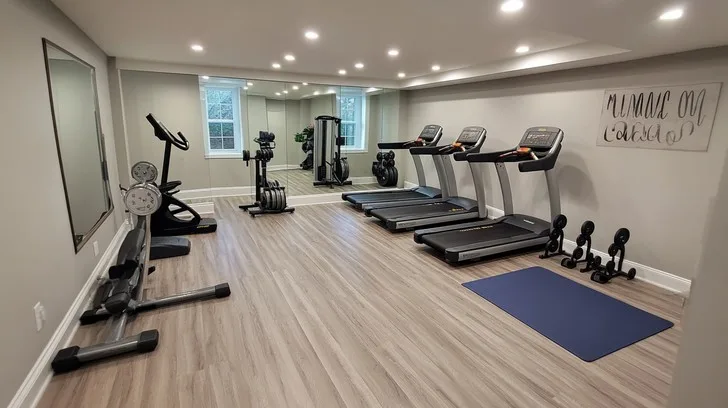
Image source: Bing (Web (fair-use with source credit))
Quick Answer: Yes, But It Depends On These 3 Things
Can a treadmill damage your floor? Yes, it absolutely can. Hardwood, vinyl, and laminate are the most vulnerable surfaces.
Three factors decide the level of risk. They are your treadmill's weight, your floor's material, and your setup method.
A 300-pound treadmill with a 200-pound user creates over 500 pounds of static weight. That load concentrates on four small rubber feet. Running adds dynamic impact, multiplying the force dramatically.
Most damage is preventable. Use a proper mat and ensure level placement, and you eliminate the risk for almost every home setup. The key is matching your protection to your specific floor type.
How Treadmills Actually Damage Floors
Understanding the specific mechanisms helps you choose the right protection. It is not just about weight. It is about how that weight is applied.
Point Loading: The Biggest Culprit
Point loading happens when heavy weight sits on a tiny surface area. A treadmill's four rubber feet each support a portion of the total weight. Each foot might only contact 4 to 12 square inches of floor.
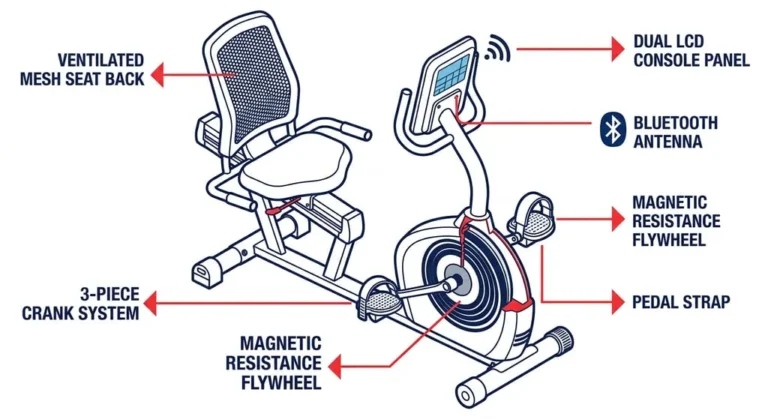
That creates enormous pressure at those exact spots. Over time, this pressure causes permanent indentations in softer materials like vinyl, laminate, and some woods. For reference, low-impact cardio alternatives like exercise bikes distribute weight much more evenly.
Dynamic Force: Running vs. Standing
When you run, the impact force is several times your body weight. A 180-pound runner can generate over 500 pounds of impact with each stride. This dynamic force travels through the treadmill frame and into the floor.
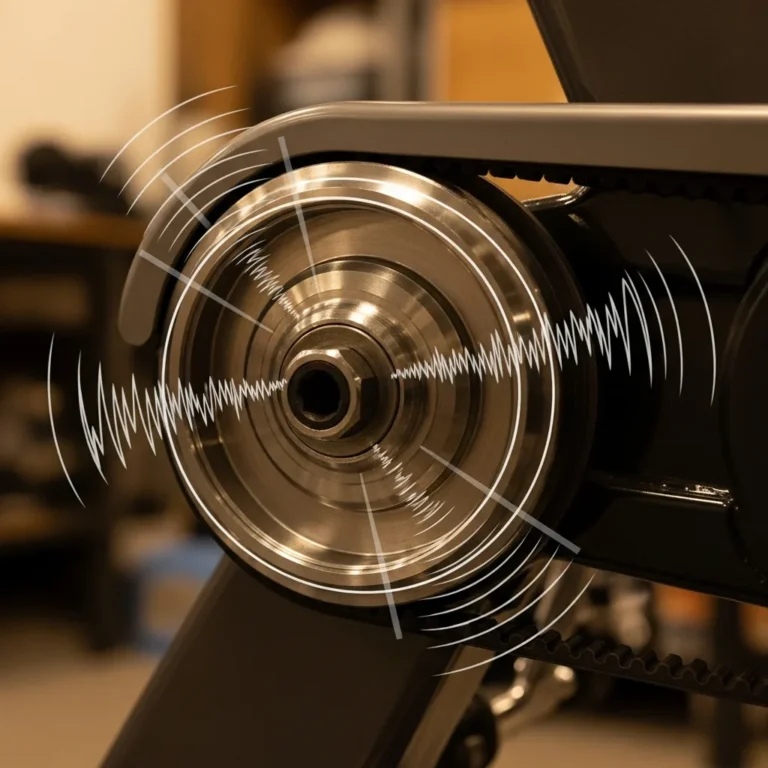
The rubber feet absorb some vibration, but not all of it. This repeated pounding can loosen floorboards, crack grout, and damage subflooring over months of use.
Vibration and Structural Wear
Vibration travels through your floor joists and can cause problems far from the treadmill itself. Neighbors in apartments often complain about noise and vibration before visible floor damage appears.
As of 2026, most building codes still do not specifically address vibration from home gym equipment. The National Floor Safety Institute provides general guidelines on safe floor surfaces worth reviewing.
Moisture: The Silent Destroyer
Sweat drips off runners and pools under the treadmill. On unprotected wood, this moisture causes warping, staining, and finish damage. Even with a mat, trapped sweat can discolor certain floor finishes.
Rubber mats can trap moisture against the floor. This is especially problematic for solid hardwood floors that need to breathe. Lift and clean under the mat regularly to avoid permanent damage.
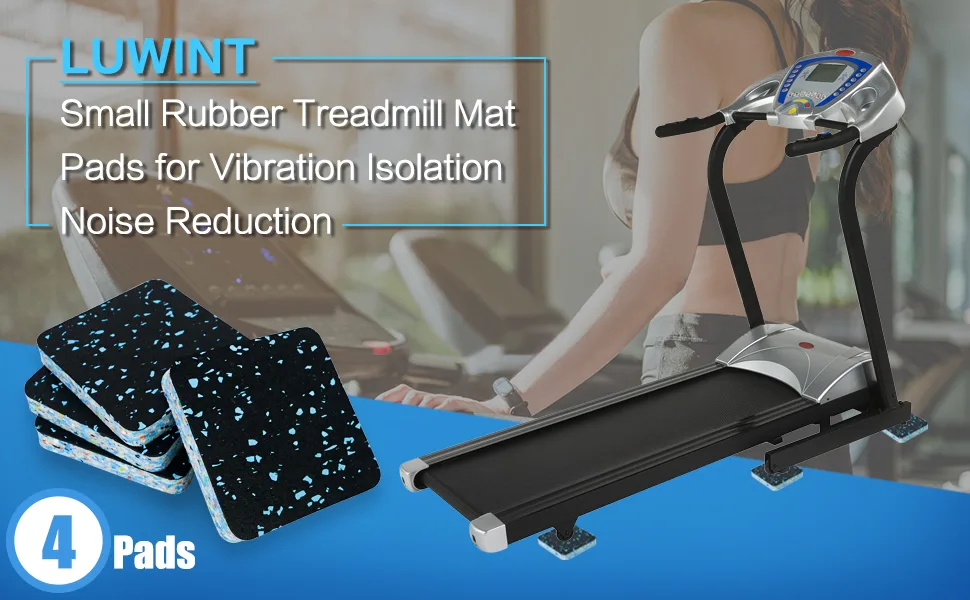
Image source: Bing (Web (fair-use with source credit))
Assess Your Floor: What You're Working With
Not all floors face the same risk. Here is a breakdown of common flooring materials and their vulnerability to treadmill damage.
| Floor Type | Risk Level | Primary Concern |
|---|---|---|
| Solid Hardwood | High | Scratching, indentations, moisture damage |
| Engineered Wood | High | Veneer damage, warping from heat and moisture |
| Laminate | Medium-High | Surface scratches, plank separation, edge damage |
| Vinyl Plank (LVP) | Medium | Compression marks, heat sensitivity |
| Ceramic/Porcelain Tile | Low-Medium | Grout cracking from vibration |
| Carpet | Low | Pile crushing, pad compression |
| Concrete | Very Low | Surface marking, dust generation |
Solid Hardwood: Highest Risk
Solid hardwood dents easily under point loading. Finish scratches from moving the treadmill are common. Sweat stains penetrate quickly if not cleaned right away.
Exotic hardwoods like Brazilian cherry are harder but still vulnerable. Softwoods like pine or fir dent under much lighter loads. If you have hardwood, a quality mat is not optional.
It is essential.
Laminate and Vinyl: The Modern Challenge
Laminate flooring has a photographic layer that scratches easily. Once that layer is damaged, you cannot refinish it. Vinyl plank is more forgiving but can show permanent compression marks from heavy equipment.
Both materials can be damaged by rubber mats that trap heat. Always check your flooring manufacturer's warranty about equipment mats before installation. Planning your workout area ahead of time helps you avoid these issues.
Carpet: The Deceptive Surface
Carpet seems protective, but treadmills cause specific problems. The pad underneath compresses permanently under static weight. That creates visible dents that do not bounce back.
High-pile carpets mat down quickly. Vibration transfers through the padding to the subfloor anyway. A mat still protects the carpet from permanent crushing.
Assess Your Treadmill: The Risk Factors You Bring
Your treadmill's specifications determine how much stress it puts on your floor. Here is what to examine.
Weight Matters More Than You Think
Check your treadmill's assembled weight in the manual or on the manufacturer's website. Typical residential models range from 150 to 300 pounds. Commercial-grade home treadmills can exceed 350 pounds.
Add your body weight to get the total static load. A 200-pound person on a 250-pound treadmill creates 450 pounds of weight. That is distributed across four small contact points.
Foot Design and Contact Area
Measure the diameter of your treadmill's rubber feet. Most are between 1.5 and 3 inches in diameter. A 2-inch diameter foot has about 3 square inches of contact.
Four feet with 3 square inches each create 12 total square inches of contact. That means 450 pounds on 12 square inches equals 37.5 psi per foot. That is enough to dent softwood.
Folding vs. Non-Folding Designs
Folding treadmills often have smaller footprints when deployed. Their weight distribution can be less stable. When folded, the weight shifts entirely to the rear feet, increasing pressure dramatically.
Non-folding models have larger, more stable bases. Their weight distributes more evenly across the floor. For floor protection, non-folding designs are generally safer.
Transport Wheels: The Hidden Hazard
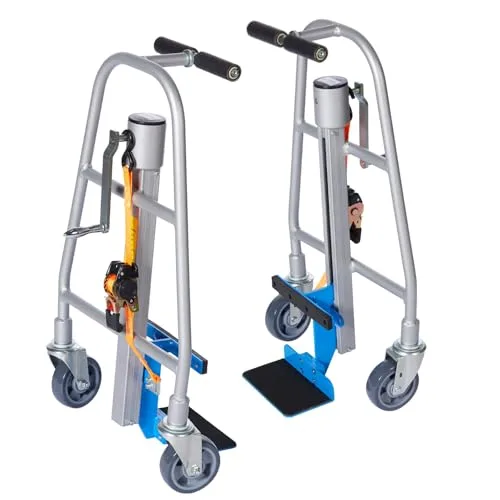
Many treadmills have transport wheels for moving. Those wheels concentrate enormous pressure on a tiny contact point. Rolling a treadmill across hardwood can cause deep scratches instantly.
Always lift when moving your treadmill. If you must roll it, place plywood or thick cardboard underneath. The same routine upkeep that protects your machines also applies to protecting floors.
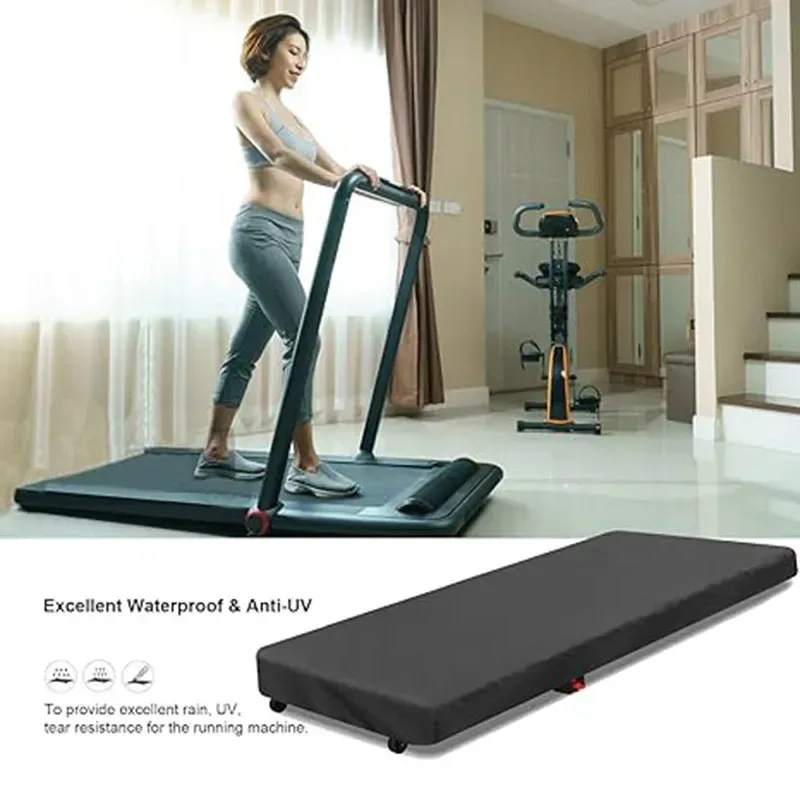
Image source: Bing (Web (fair-use with source credit))
The Right Way To Protect Your Floor
Once you have assessed both the floor and the treadmill, choose your protection strategy. Here is a practical decision framework.
Decision Branch 1: Hard Surface Floors
If you have any hard surface flooring, you need protection. The question is what type and thickness to use.
For solid hardwood or engineered wood, use a mat at least 5mm thick. Choose TPE or PVC material to avoid rubber staining on light-colored floors. The mat should extend 2 to 3 inches beyond the treadmill on all sides.
For laminate or vinyl, a 3 to 5mm mat provides adequate protection. Make sure the mat has a non-slip backing to prevent movement. Check your flooring warranty before choosing a mat material.
Decision Branch 2: Carpeted Floors
On carpet, a mat prevents pad compression and pile crushing. It also stabilizes the treadmill during use.
Use a firmer mat on carpet, at least 4mm thick. This stops the treadmill from rocking on soft padding. For high-pile carpets, place thin plywood under the mat for extra stability.
Decision Branch 3: Old or Soft Floors
If you have older, softer wood floors or any structural concerns, take extra precautions. A 1/4-inch plywood layer under your mat distributes weight over a much larger area.
Cut the plywood to match your mat size. It adds minimal height but significantly reduces point loading. This is cheap insurance for expensive flooring.
Choosing the Right Mat Material
TPE, or thermoplastic elastomer, is generally safest for floors. It does not stain and provides good grip. PVC is durable but may discolor some finishes.
Rubber works well but can stain light floors.
Thickness matters more than material. A 5mm TPE mat protects better than a 3mm rubber mat. Balance thickness with treadmill stability, since overly thick mats can create instability.
Step-by-Step Setup Checklist
- Sweep and vacuum the floor completely.
- Lay your chosen mat into position.
- Center the treadmill on the mat.
- Use a level to check stability.
- Adjust the treadmill feet until it is perfectly level.
- Check for any wobble or movement.
- Mark the mat position with tape for easy repositioning.
- Set a monthly reminder to inspect the mat and surrounding floor.
Real-World Scenarios: What Different Setups Need
Real situations often combine several factors. Here are four common setups and what they require.
Scenario 1: Heavy Treadmill on Hardwood in a Home Gym
A 300-pound folding treadmill sits on solid oak hardwood. The owner runs three times per week at 6 mph. Without protection, the rubber feet will create indentations within months.
The fix is a 5mm TPE mat plus a 1/4-inch plywood base. This spreads the 500-plus-pound dynamic load and prevents permanent grooves. Check the level after the first week to account for mat compression.
Scenario 2: Budget Treadmill in an Upstairs Apartment
A 150-pound compact treadmill is used on laminate flooring in a second-floor apartment. The main concern is noise and vibration for the neighbor below, not just floor damage.
Use a 6mm mat with strong vibration-dampening properties. Position the treadmill perpendicular to the floor joists to reduce movement. A denser mat also stops the laminate from shifting under load.
Scenario 3: Walking Treadmill on Carpet in a Bonus Room
A manual walking treadmill is placed on medium-pile carpet over standard padding. The unit weighs only 90 pounds. Damage here comes from rocking and pile crushing.
Use a firm 4mm mat under the treadmill base. This prevents the machine from wobbling and keeps carpet fibers from matting down. The pad underneath still compresses slowly, so rotate the mat 180 degrees every month.
Scenario 4: Manual Treadmill on Vinyl Plank Flooring
A manual treadmill weighs around 70 pounds, but the user is 220 pounds. Total static weight reaches 290 pounds. Vinyl plank floors can show compression marks from that amount of pressure.
A 3mm mat may seem sufficient, but a 5mm mat is better. The extra thickness absorbs the impact of each stride. Use a mat with a smooth bottom rather than a textured one to avoid imprinting the vinyl.
FAQ: Quick Answers To What People Actually Ask
Can I just use a yoga mat or rug instead of a treadmill mat?
Not really. A yoga mat is too thin to absorb impact or distribute weight. Most yoga mats are only 2 to 3mm thick.
A rug can shift under the treadmill and become a tripping hazard. Invest in a purpose-built treadmill mat with at least 3mm of durable material.
Is a 3mm mat enough for a 300-lb treadmill?
Barely. A 3mm mat works best for light walking treadmills under 200 pounds assembled. For a 300-pound treadmill with a running user, go with 5mm or thicker.
The heavier the machine, the more material you need to absorb dynamic force.
Do I need a mat on carpet or can I skip it?
Use a mat on carpet too. Carpet padding compresses under heavy static weight. A mat also stops the treadmill from rocking and keeps carpet fibers from matting.
Without a mat, visible divots will form in the carpet and padding over time.
How do I remove existing indentations from my floor?
For minor dents, try applying steam with a damp cloth and a household iron. This raises the wood grain gradually. For deeper damage, a floor refinishing service can sand and reseal the affected area.
Vinyl and laminate indentations usually cannot be repaired and may require replacing the damaged planks.
Will my treadmill warranty be void if I don't use a mat?
It depends on the manufacturer. Many brands require a mat to keep the frame stable and prevent debris from entering the motor. Check your owner's manual under warranty terms.
If it specifies a mat, skipping one can void coverage. Follow the manual's requirements to be safe.
Final Decision Guide: Floor Type + Treadmill Weight = Your Answer
Use this reference table as a quick shortcut. Find your floor type and treadmill weight class to see what protection you need.
| Floor Type | Treadmill Under 200 lbs | Treadmill 200-300 lbs | Treadmill Over 300 lbs |
|---|---|---|---|
| Solid Hardwood | 3-5mm mat | 5mm mat + plywood | 5mm mat + plywood |
| Engineered Wood | 3-5mm mat | 5mm mat | 5mm mat + plywood |
| Laminate | 3mm mat | 5mm mat | 5mm mat |
| Vinyl Plank | 3mm mat | 3-5mm mat | 5mm mat |
| Tile | 3mm mat | 3mm mat | 3mm mat |
| Carpet | 4mm mat | 4-5mm mat | 5mm mat + plywood |
| Concrete | No mat required | No mat required | No mat required |
The bottom line is simple. Match your protection to the heaviest component of your home gym setup, not just the one you think matters most. A few extra dollars on a mat today is much cheaper than refinishing a floor later.
If you are still deciding between workout equipment for your space, compare other low-impact machines to see which one makes sense for your floor and your fitness goals. And if you already own gear, remember that proper adjustment prevents both injury and equipment strain.