How Long Do Treadmill Belts Last
If you're asking how long do treadmill belts last, the honest short answer is 3 to 5 years for most home treadmills. But that's just a rough average. The real lifespan depends on how many miles you log, how well you maintain the belt, and the quality of the machine.
Budget belts can fail in under a year, and a well-cared-for belt on a quality treadmill can still run smoothly past the seven-year mark.
Manufacturer specifications for residential treadmills typically rate walking belts for 500 to 1,000 hours of actual running time. Commercial belts, with thicker construction and better backing, are designed for several thousand hours. As of 2026, most OEM belt warranties cover one to two years of normal use.
Belt life really comes down to friction and maintenance, which is exactly where we'll start.
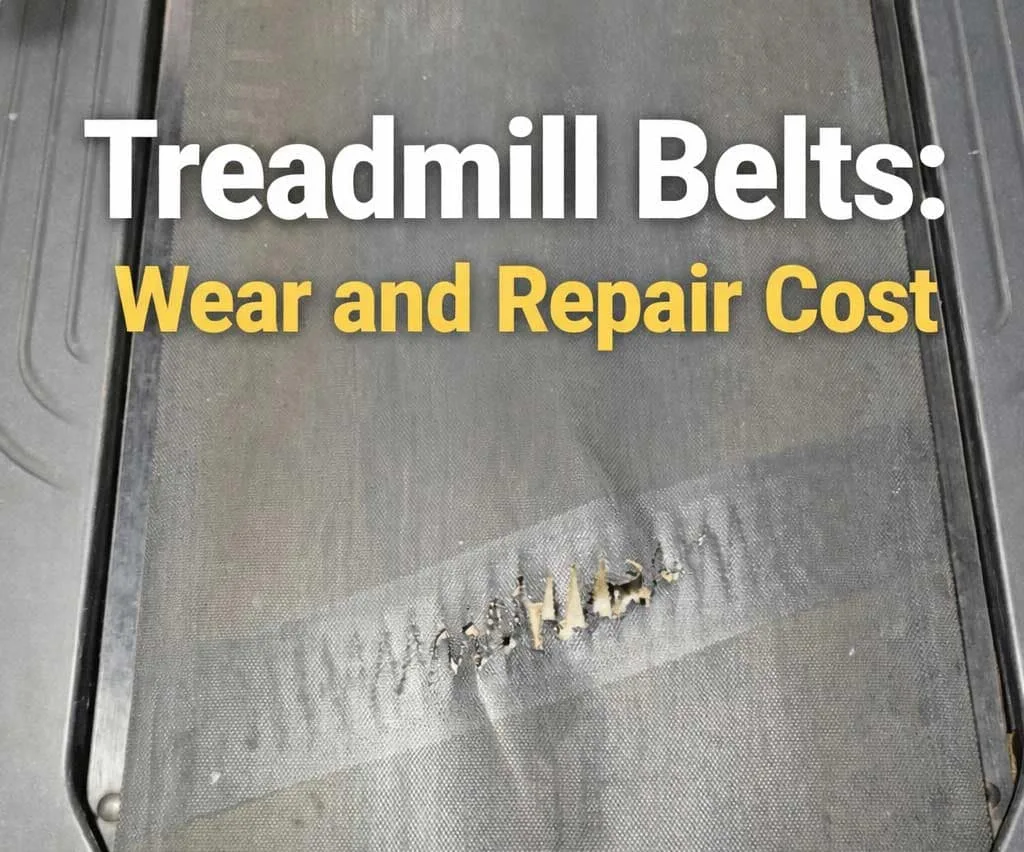
Image source: Bing (Web (fair-use with source credit))
How Long Does a Treadmill Belt Actually Last? (The Quick Answer)
Why "3 to 5 Years" Isn't the Full Story
The popular answer of "3 to 5 years" is just an average. It mixes different treadmills and different users. A belt used for gentle weekly walks can last 7 years.
A belt used for daily running may fail in 18 months. The real variable is friction events: miles, speed, and maintenance.
Hours Matter More Than Years: A Simple Reference Range
You'll get a much better estimate by tracking hours on the belt. Most home treadmill manufacturers rate their walking belts at 500 to 1,000 hours. Commercial belts are thicker and can often run 2,000 hours or more.
Here's a simple range based on service data and manufacturer specifications.
| Usage Level | Typical Belt Lifespan | What It Feels Like |
|---|---|---|
| Light home use (walking, 2–4 hrs/week) | 5–8 years / 500–800 hours | Fewer friction events, less heat buildup |
| Moderate home use (jogging, 4–6 hrs/week) | 3–5 years / 600–1,000 hours | Steady wear, regular lubrication essential |
| Heavy home use (daily running, 6+ hrs/week) | 1.5–3 years / 300–600 hours | Frequent high-speed friction, more dust and wear |
| Commercial / gym use | 1–2 years / 1,000–2,000+ hours | Constant running, but better belt material and maintenance |
These ranges assume you're using silicone lubricant and keeping the belt properly tensioned. The same cost-versus-lifespan decision comes up when comparing home cardio machines.
What Really Wears Down a Treadmill Belt (and How Fast)
The Three Biggest Factors: Mileage, Maintenance, and Machine Quality
Belt life comes down to three things. First, total mileage. Every mile creates friction between the belt and the deck.
Second, lubrication. A dry belt drags, glazes, and heats up. Third, build quality.
A thicker two-ply belt with a smooth low-friction backing simply lasts longer than a thin one. The same wear patterns show up across other home fitness options.
Residential vs. Commercial Belts: Built for Different Workloads
Residential treadmill belts are typically 1.6 to 2.0 millimeters thick. They use lighter PVC or rubber compounds. Commercial belts are often 2.5 millimeters or thicker.
They also have a better backing material that reduces drag and resists splitting. That's why a gym belt can survive daily abuse for years, while the same use destroys a budget home belt.
The Deck Behind the Belt: Why Friction Is the Real Enemy
The belt doesn't wear out on its own. It wears against the deck. The walking deck has a slick coating that allows the belt to slide gently.
When that coating wears off, friction rises. The belt heats up, and the surface glazes over. Eventually you'll notice slipping and squeaking.
Cleaning the deck and inspecting its coating is part of belt care.
How to Inspect Your Treadmill Belt in 5 Minutes
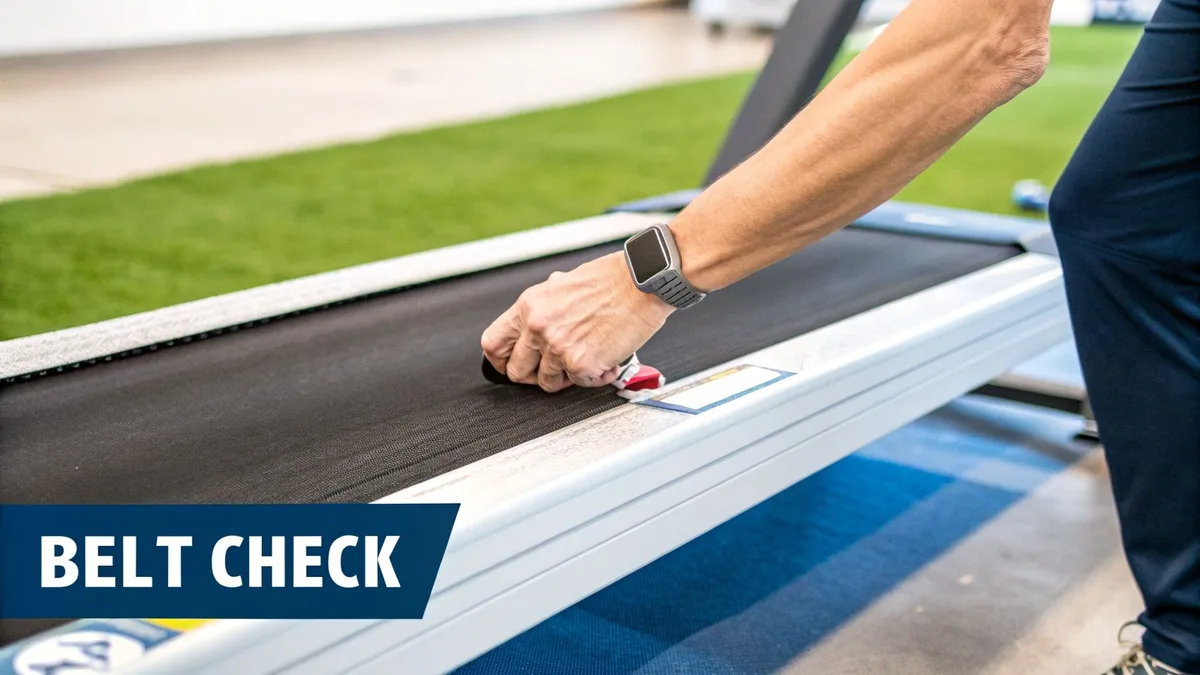
Image source: Bing (Web (fair-use with source credit))
The Visual Check: Fraying, Glazing, Cracks, and Debris
Power off the treadmill and unplug it. Lift the belt along the side edge. Look for frayed fibers, cracks, and dark shiny patches.
Glazing appears as a smooth, polished strip on the belt surface. That's a sign of heat from slipping. Also look for black powder or rubber dust along the rails.
That's the belt shedding material.
The Touch Test: Feeling for Stringing and Rough Spots
Run your hand along the underside of the belt. It should feel smooth. If you feel stringing, rough threads, or small pitting, the belt is starting to break down.
A rough belt will grind against the deck and eventually fail. This test takes only a minute. It's the same kind of early warning you'd catch with an elliptical that starts squeaking.
The Tracking and Tension Check
Watch the belt while it runs at about 2 miles per hour. It should stay centered. If it drifts toward one side, the tracking needs adjustment.
Then press down on the middle of the belt. You should be able to lift the edge about 2 to 3 inches. If it's tighter or looser than that, adjust the rear roller bolts.
When to Check the Deck for Wear or Scorching
With the belt pulled aside, inspect the deck surface. Scorching looks like dark burn marks. A worn deck shows a dull, rough area where the belt slides.
If the deck coating is gone, the belt will keep wearing out quickly. In that case, you may need to replace the deck too.
The Decision Tree: Replace, Adjust, or Just Lubricate?
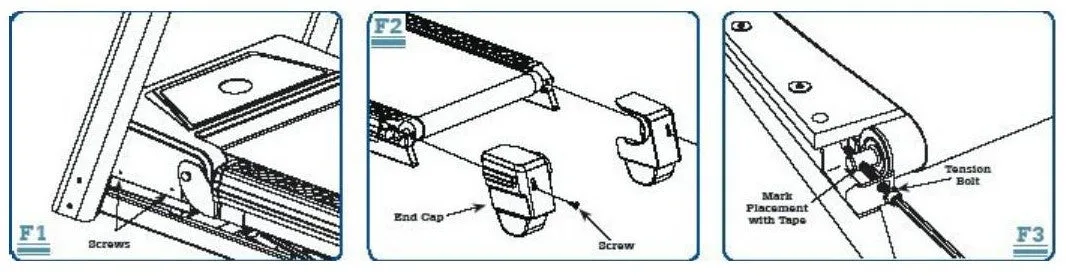
Image source: Bing (Web (fair-use with source credit))
Branch 1: Belt Slipping Underfoot → Tension
If the belt pauses or drags underfoot, it's usually too loose. First, try tightening it. Turn both rear roller bolts equally.
Then test running at 3 mph. A properly tensioned belt shouldn't slip but should still allow a slight lift. If the belt still slips, then the belt or deck may be worn.
Branch 2: Belt Drifts to One Side → Tracking
A belt that moves toward one rail needs a tracking adjustment. This is not a belt-wear issue yet. Turn the rear roller bolt on the side the belt is drifting toward a quarter turn clockwise (or counterclockwise, depending on the model) to bring it back.
If you can't get it centered after two or three attempts, a stretched belt might be the culprit.
Branch 3: Squeaking or Sluggish → Lubrication
Squeaking often means the belt is dry. Apply silicone treadmill lubricant lightly across the top of the deck. Then run the belt for a few minutes.
If the squeak disappears, you just needed maintenance. If it returns within a week, check for excessive friction or worn bearings. That's exactly why routine upkeep matters.
The same principles appear in this home upkeep routine.
Branch 4: Frayed, Glazed, or Shredded → Replace
If the belt has visible fraying, cracks, or a glazed strip, replacement is the answer. Lubricating will only hide the problem temporarily. A worn belt also stresses the motor, accelerating wear.
If the deck looks scorched, replace the deck as well. Don't forget to inspect the drive belt (motor belt) for cracks or glazing.
Common Mistakes That Kill Treadmill Belts Early
Over-Tightening and Stretching the Belt
Too much tension puts constant strain on the belt and the motor. You'll notice the front roller heating up. A belt that's too tight also stretches unevenly, causing tracking issues.
You only need enough tension to prevent slipping. Test after every adjustment.
Using the Wrong Lubricant (or Too Much of It)
Most manufacturers require 100% silicone lubricant. Don't use petroleum-based sprays or furniture polish. They can break down the rubber and deck coating.
Also, avoid soaking the belt. A thin layer across the deck is enough. Excess lubricant collects dust, turning into an abrasive paste.
Ignoring Tracking Issues Until It's Too Late
A belt that runs off-center grinds against the side rails. That shreds the edges quickly. A misaligned belt also adds stress to the rollers.
Fix the tracking as soon as you notice drift. A few seconds of adjustment now can save you a full belt replacement later.
Skipping the Deck Inspection
Many people replace the belt without checking the deck. If the deck's low-friction coating is gone, the new belt will wear just as fast. Over time, the deck's surface also develops a slight groove from the belt, which makes tracking hard.
Always inspect the deck before installing a new belt. Per ISO 20957 testing standards, stationary training equipment is tested under controlled load conditions. That's why proper friction control matters so much in the real world.
How to Make Your Treadmill Belt Last Longer
A Simple Lubrication Schedule
Lubricate every 3 months for moderate home use. Heavy runners should do it every 6 to 8 weeks. Apply a thin strip of 100% silicone along the top of the deck.
Run the belt for a few minutes to spread it. Over-lubricating is worse than under-lubricating. Excess lube attracts dust.
Cleaning the Belt and Deck the Right Way
Wipe the belt and exposed deck monthly. Use a dry cloth. Vacuum dust from the motor hood and rollers.
Dirt and pet hair act like sandpaper on the deck. Never use water or all-purpose cleaners. They can break down the belt backing.
This is the same approach you'd use to tidy up a home elliptical.
Smart Usage Habits for Home Treadmills
Start with a slow walk to warm up the belt. Avoid sudden speed jumps. Let the belt cool before folding the treadmill.
Folding a hot belt can crease it permanently. These small habits add years to its life.
Treadmill Belt Replacement: Real Costs and What to Expect
Belt Prices: OEM vs. Aftermarket
OEM belts cost $80 to $200 plus shipping. Aftermarket belts run $50 to $150. OEM belts match the original specs exactly.
Aftermarket belts can work well, but check the thickness and ply. Some cheap belts wear out in a year. Paying a bit more for the right fit is worth it.
DIY or Hire a Technician?
DIY replacement takes 1 to 2 hours. You'll need a socket set, screwdrivers, and patience. Proper tension and tracking are tricky for first-timers.
Hiring a technician costs $100 to $300 in labor. That's often worth the peace of mind. Mistakes can also damage the motor or deck, leading to bigger repair bills.
Is It Worth Replacing the Belt, or Should You Buy a New Treadmill?
Compare the total cost to your treadmill's value. If the belt replacement plus deck repair exceeds half the price of a new treadmill, consider upgrading. New budget treadmills start around $300.
A belt and deck combo can cost $250. Replacement is only worth it on a solid, higher-end frame. For cheaper machines, the smarter money is often a fresh start.
Frequently Asked Questions
How do I know if my treadmill belt needs replacing?
Signs include frayed edges, cracks, glazing, and persistent slipping. If the belt won't stay centered after adjustment, or it feels rough to the touch, replacement is usually needed. Still, inspect the deck too.
A worn deck can cause belt failure quickly.
Can I flip the treadmill belt over to get more life?
No. Flipping a treadmill belt is not recommended. Treadmill belts are designed for one direction.
The backing is built to glide on the deck. Flipping exposes the wrong surface to the deck, causing accelerated wear and motor strain. Replace the belt instead.
How often should I lubricate my treadmill belt?
Most manufacturers recommend every 3 months for light home use. For heavier use, lubricate every 6 to 8 weeks. Use 100% silicone lubricant.
Applying more than a thin layer will attract dirt. Check your owner's manual for the exact schedule. Consistent lubrication is the single best way to extend belt life.
How tight should the treadmill belt be?
You should be able to lift the belt about 2 to 3 inches in the middle. If it's tighter, the motor works too hard. If it's looser, slipping occurs.
Always test the tension at multiple spots along the belt. A properly tensioned belt also tracks better.
Does walking or running wear the belt faster?
Running wears the belt faster because it creates more friction and heat. Each stride at a higher speed also increases the impact on the belt. That's why heavy runners often need replacement in 1.5 years.
Walkers can often get 5 to 8 years from the same belt. Similarly, frequent use of any machine accelerates wear, so it helps to know how much use your equipment can handle.