How Often Should You Lubricate a Treadmill Belt
Ever had your treadmill start squeaking right in the middle of a run? It's annoying, and it almost always points to one thing: your belt needs attention. So how often should you lubricate a treadmill belt?
It depends on how much you use the machine, the type of belt and deck, and what your manufacturer says in the manual.
Most manufacturer specifications suggest lubrication every 3 months, 150 miles, or 30 to 40 hours of use. But those numbers shift based on usage and treadmill design. As of 2026, most home treadmills still use a manual drip system.
Skipping that step is the main reason belts wear out early. Let's break down the conditions that decide your real schedule.
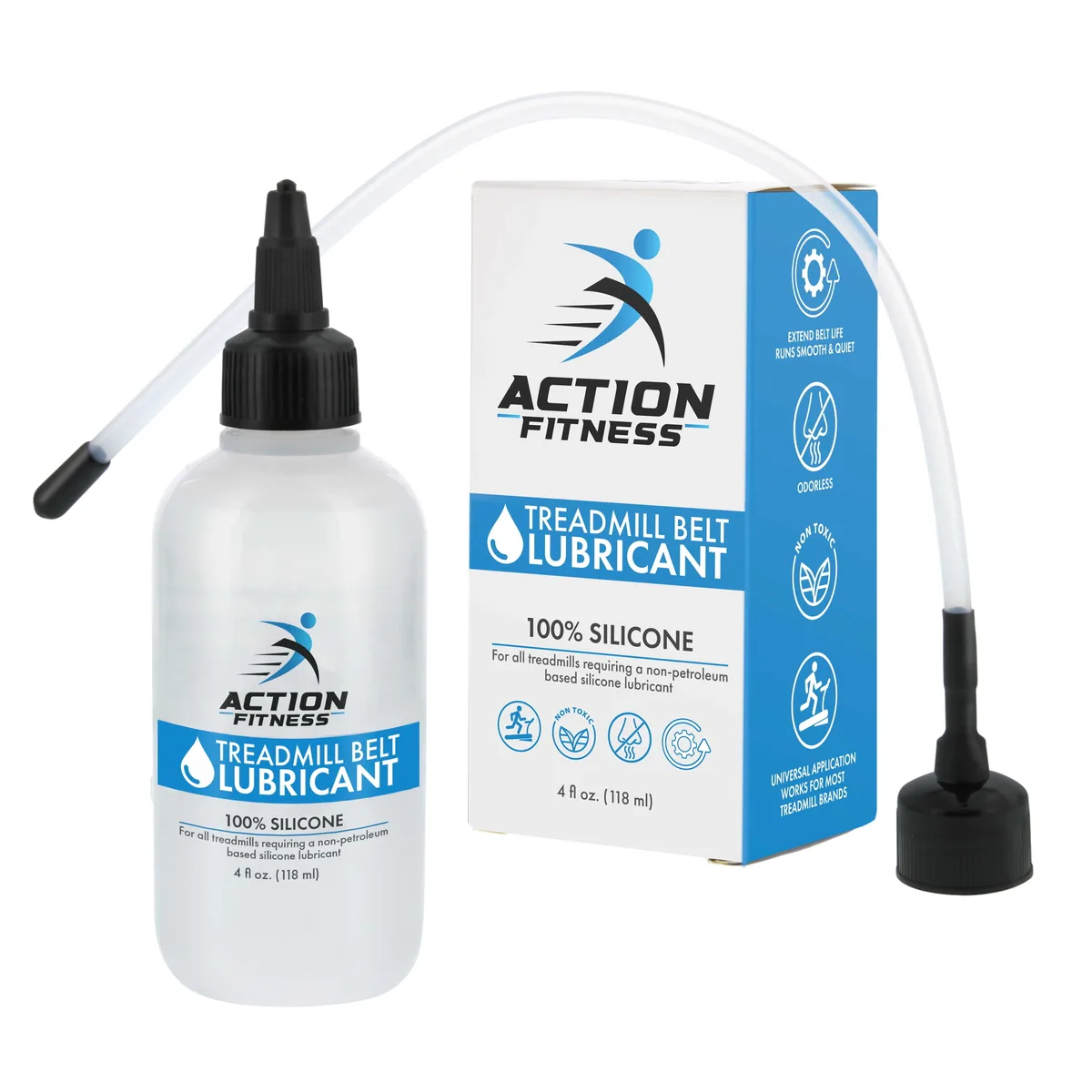
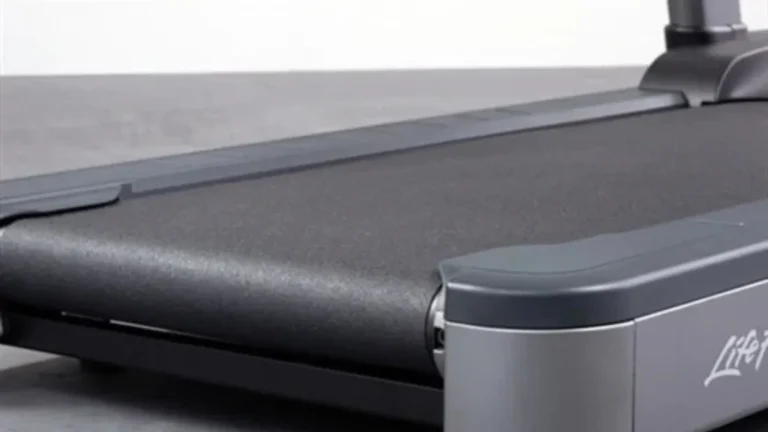
Image source: Bing (Web (fair-use with source credit))
Why Generic Lubrication Schedules Usually Miss the Mark
The classic advice to lube every three months treats every treadmill the same. That's not how it works. Your neighbor's treadmill might sit idle for weeks.
Yours might be the family workhorse.
If you log one light walk per day, a quarterly schedule is fine. If you run five miles daily, three months is far too long. The belt and deck rub together constantly.
Lubricant gets wiped away faster with heavy use.
The right schedule depends on three things: usage hours, belt and deck materials, and what your manufacturer tested. Your owner's manual is the only source that combines all three. Manufacturers design the belt and deck as a system.
Their interval reflects the actual materials they used.
Some newer machines come with self-lubricating belts. The deck has a built-in wax layer that releases lubrication gradually. Adding silicone to these can cause slipping.
If your manual says "self-lubricating," you likely never need to add oil. That's why reading the manual beats trusting a calendar date.
Different cardio machines have different maintenance needs. The mechanics of a treadmill aren't the same as the drive systems on other equipment, as we explain in our elliptical vs. rowing breakdown. Once you understand that, the generic "three months" advice starts to fall apart.
Quick Answer: How Often to Lubricate Based on Your Usage
Lubricate your treadmill belt every three months, every 150 miles, or every 30 hours of use. Light walkers can stretch that to six months. Daily runners should check monthly.
Heavy treadmill users need lube every four to six weeks. Always follow your owner's manual first.
| Usage Level | Typical Hours Per Week | Recommended Interval |
|---|---|---|
| Light walking | Under 3 | Every 6 months |
| Regular running | 3 to 7 | Every 3 months or 150 miles |
| Heavy use / daily training | 7+ | Every 4 to 6 weeks |
These numbers align with aggregate manufacturer documentation. The more you run, the faster silicone breaks down. A self-lubricating belt changes the picture, so check the manual before applying anything.
Many manuals also suggest a first lubrication check after about 30 hours of use. That's when the belt settles onto the deck and factory residue wears away. Mark that date, then count 30 more hours for the next round.
If you're figuring out the right workout schedule, our guide on how often to use an elliptical follows similar usage logic.
How to Tell If Your Belt Actually Needs Lubricant Right Now
Your treadmill will tell you when it's dry. You just need to know what to look for.
The touch test. Unplug the machine. Lift the belt on one side. Slide your finger along the deck.
If it feels rough, dry, or powdery, it's time. If it feels slick or waxy, leave it alone.
The sound test. A squeaking or loud rubbing noise means friction is building. Ignore it and the motor works harder. A burning rubber smell is more serious.
That means the belt is heating up from drag.
The visual test. Look for dark streaks, fine gray powder, or lint under the belt. That's the belt surface wearing away. Check the edges for cracks, fraying, or glazing.
Any of those mean you're past due.
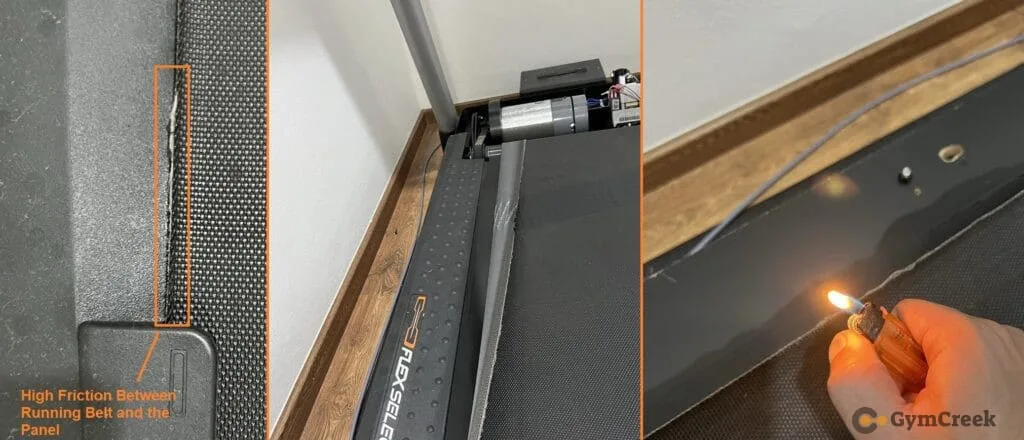
Image source: Bing (Web (fair-use with source credit))
If you're hearing similar squeaks from an elliptical, the troubleshooting logic overlaps. We covered squeaky elliptical causes in another guide. Friction always leaves clues.
Listening early saves you from bigger repairs later.
Step-by-Step: How to Lubricate a Treadmill Belt Correctly
Doing it wrong is almost as common as forgetting to do it. Here's the process that works for most manual belts.
| Tool | Why You Need It |
|---|---|
| 100% silicone lubricant | The only type most owners' manuals approve |
| Clean, dry cloth | Wiping away dust, hair, and old residue |
| Applicator bottle or spray | Getting a precise line on the deck |
| Allen wrench / screwdriver | Adjusting tension if needed |
Step 1: Unplug the treadmill. Never work on a live machine.
Step 2: Check belt tension. If it's loose, tighten first. If it's stiff, loosen slightly.
Step 3: Clean the deck and belt edges. Debris becomes grinding paste when the belt starts moving.
Step 4: Lift the belt and apply a thin line of silicone down the center of the deck.
Step 5: Run the belt at low speed for one minute so the lubricant spreads across the full surface.
Step 6: Wipe off any excess from the belt, sides, and deck edges. Sticky residue attracts dust.
Cleaning first is the part most people skip. That same principle applies to other home cardio equipment. Our elliptical maintenance guide walks through the same logic.
Newer silicone bottles come with a narrow nozzle, which makes the job far easier.
Belt Slipping? Squeaking? Lubrication vs. Tension Troubleshooting
Sometimes lubrication isn't the fix. If the belt still slips or makes noise after lubing, the tension might be wrong.
If the belt slips mid-stride, it's too loose. Tighten both rear roller bolts by a quarter-turn each. Test again.
Repeat until the slip stops.
If the belt drags and the motor sounds strained, it's too tight. Loosen the bolts a quarter-turn and retest.
If it squeaks only on start-up, that's usually a dry spot. A quick lube fixes that.
Never over-tighten the belt. It shouldn't be drum-tight. There should be a little give when you press down on the center.
You're looking for about one to two inches of lift, depending on the model.
| Symptom | Likely Cause | Action |
|---|---|---|
| High-pitched squeak | Dry belt or deck | Apply silicone |
| Belt slips mid-stride | Loose belt | Tighten rear bolts |
| Motor labors, odd smell | Belt too tight | Loosen rear bolts |
| Gray dust under belt | Worn belt or deck | Inspect and likely replace |
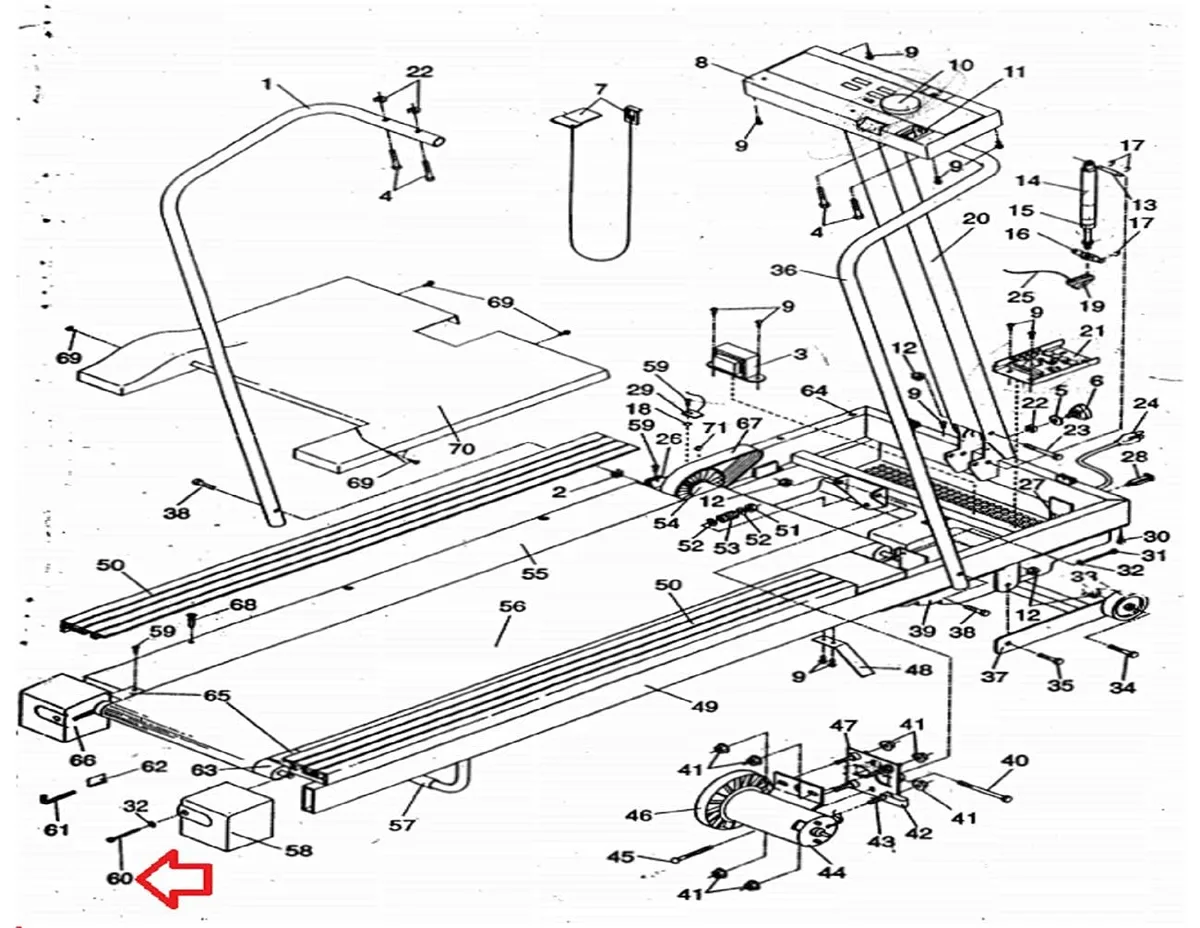
Image source: Bing (Web (fair-use with source credit))
If you've adjusted tension and still can't get a smooth stride, the belt or deck may be worn out. That's a different project. The adjustment steps here follow similar principles to what we outline in our elliptical adjustment guide.
Small quarter-turn changes make a big difference.
The Most Common Treadmill Lubrication Mistakes to Avoid
Over-lubricating is the top mistake. Too much silicone makes the belt slip. Your stride skips, the motor strains, and the deck feels sticky.
A thin line is enough. Service records from treadmill repair technicians consistently list this as a leading cause of premature belt failure.
Using the wrong lubricant is second. Petroleum-based oils, WD-40, and multipurpose greases break down rubber backing. They can also creep toward the motor and electronics.
Official support pages from manufacturers like NordicTrack repeat this warning in their documentation.
Skipping the manual causes problems too. Many people trust a generic three-month schedule that doesn't fit their machine. The manual accounts for belt length, deck coating, and motor design.
Forgetting to clean before lubrication is another miss. Dust and pet hair mix with silicone and form a grinding paste. That accelerates wear instead of preventing it.
Vacuum first, then apply lubricant.
Lubricating while the treadmill runs is dangerous and ineffective. A moving belt drags silicone unevenly. It also puts your fingers too close to moving machinery.
Always unplug first.
Self-Lubricating Belts, Commercial Gyms, and Other Special Cases
Even with a self-lubricating belt, you still need to clean the deck regularly. Dust builds up regardless of whether the belt has a wax layer.
Commercial gyms track maintenance through operating hours. Most facility managers lubricate every 30 to 40 hours of use. That's roughly weekly for a busy machine.
Home users sharing one treadmill should follow the same logic. Track hours with the console timer instead of guessing by calendar date.
A simple maintenance log makes it easy to see when the last dose went on. For home users, a phone reminder works just as well. Your environment can shorten the interval too.
Dusty basements, homes with pets, or humid garages break down silicone faster. In those spaces, move your schedule up by a few weeks.
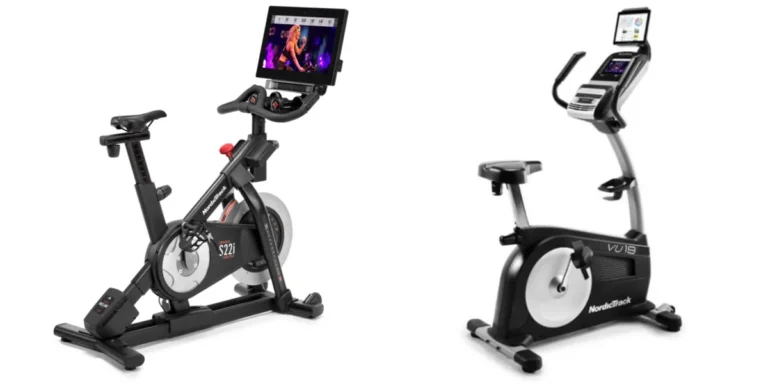
Cross-training on other cardio machines brings different maintenance needs. Exercise bikes and ellipticals don't rely on friction-driven belts, so their care routines look entirely different.
Frequently Asked Questions
Should I lubricate a new treadmill right away?
No. Most new treadmills arrive pre-lubricated from the factory. Many manuals recommend waiting about 30 hours of use before the first application.
Check your manual before touching the bottle.
What happens if I lubricate too often?
Excess silicone pools under the belt. The belt slips, the deck feels sticky, and the motor works harder. You also end up wiping away a sticky mess that attracts dust.
Can I use WD-40 to lubricate my treadmill belt?
No. WD-40 is a solvent and water displacer, not a true lubricant. It degrades the rubber backing and can damage the belt.
Stick with 100% silicone.
Do treadmill lubricant sprays work?
Yes, if the spray contains only silicone. Avoid products listing PTFE, petroleum distillates, or general grease. Read the ingredient list before buying.
Should I lubricate the belt edges?
No. Lift the belt edge and apply silicone to the deck underneath. Lubricating the belt edges just creates messy residue along the sides.
Final Decision Guide
- If your belt squeaks, start with lubrication.
- If it slips, tighten the rear roller bolts slightly.
- If you see gray dust or frayed edges, replace the belt and inspect the deck.
- If your manual says self-lubricating, skip the silicone and focus on cleaning.
Your exact schedule comes from the manual. Your usage hours refine it. Your ears and fingers confirm it.
When in doubt, clean first, lubricate second, and adjust tension last.