Why Is My Treadmill Belt Making Noise
If you're staring at your treadmill and asking why is my treadmill belt making noise, you're not alone. That squeak, thump, or grind turns a simple morning run into a guessing game. The good news is most treadmill noises are fixable at home with basic tools and a little patience.
Here's a calming fact. Treadmill belts usually last 2 to 7 years, and noise tends to show up long before the belt wears out. In most cases the belt isn't the problem at all.
It's friction, alignment, or roller bearings. Per ASTM F2115, the standard specification for motorized treadmills, proper tension and upkeep are part of the safety guidelines. A noisy belt is your machine asking for a tune-up, not a replacement.
Quick Answer
Most treadmill belt noise comes from friction, not the belt itself. A dry deck squeaks, a loose belt thumps, and worn roller bearings grind. Chirps usually point to the drive belt or motor.
Match the sound to the cause, then fix that part.

Image source: Bing (Web (fair-use with source credit))
Does Your Treadmill Belt Actually Explain the Problem?
Here's the twist. Most treadmill noise has nothing to do with the belt. The belt is just the part you hear.
The real source is usually the deck underneath it, the rollers at each end, or the drive motor.
That's why "why is my treadmill belt making noise" is a bit of a trick question. The belt is the messenger, not the culprit.
If the noise is a steady squeak, you're looking at friction. A dry deck or a belt that's lost its lubrication will do that. If the noise repeats with every rotation, check the front or rear roller for bearing wear.
If it changes with speed, the motor or drive belt is the likely source. For a closer look at how these problems show up on other cardio gear, what squeaking usually means is worth a read.
The belt itself has telling signs. Run your hand along the underside with the machine unplugged. Look for fraying, glazing, or cracks.
A worn belt feels hard and glossy on the bottom. A healthy belt keeps a fabric texture.
So the first question isn't "how do I fix the noise?" It's "what is the belt telling me?"
Wait, Is That A Squeak, A Thump, Or A Grind?
Stop and listen before you touch anything. The exact sound is your best diagnostic tool. Each noise points to a different component, and getting this right saves hours of wasted effort.
- Squeak or shriek: almost always friction. The belt is rubbing a dry deck, or it's too tight. It usually shows up after months of regular use.
- Thump or slap: the belt is too loose or uneven. It's catching on the deck or a roller as it rotates.
- Grind or click: mechanical trouble. Worn roller bearings, debris under the belt, or a failing motor will all grind. Don't keep running on this one.
- Chirp or whistle: often the drive belt, the smaller belt linking the motor to the front roller. A dry motor bearing can chirp too.
| Noise Type | Likely Cause | Urgency |
|---|---|---|
| Squeak | Dry deck or tight belt | Low |
| Thump | Loose or misaligned belt | Medium |
| Grind | Roller bearings or debris | High |
| Chirp | Drive belt or motor bearing | Medium |
Pitch and rhythm matter as much as the sound itself. A noise that speeds up with the belt is rotational. A noise that stays constant while speed changes points to the motor.
Use that to guide the steps below.
Step-by-Step Troubleshooting Workflow: From First Noise to Final Test
Once you've identified the sound, work through these steps in order. Each one is quick, and most need no tools. Always unplug the treadmill before touching the belt, deck, or rollers.
- Check the belt surface. Look for shiny spots, frayed edges, or cracking. Dig out any small stones stuck in the tread. If the belt is visibly damaged, skip ahead to replacement.
- Check alignment and tension. The belt should sit centered on the deck. If it's shifted left or right, adjust the rear roller bolts in small, equal turns. For tension, the belt should lift about 2 to 3 inches off the deck when you press down.
- Lubricate the deck. Lift one side of the belt and apply a silicone-based treadmill lubricant to the center of the deck. Run the belt at low speed for a few minutes to spread it. This fixes most squeaks.
- Spin the rollers by hand. With the belt off, rotate the front and rear rollers. They should spin freely and quietly. Grinding or a rough feel means the bearings are worn.
- Inspect the drive belt and motor. Look for cracks or a loose fit. A worn drive belt is cheap to replace. If the motor hums or vibrates oddly, call a technician.
- Run a test session. Reassemble, plug it back in, and walk on the treadmill. Start slow, then build speed. Listen again. If the noise is gone, you're done. If not, go back to step 4.
This order matters. It moves from the easiest fix to the most complex, so you avoid needless part swaps.
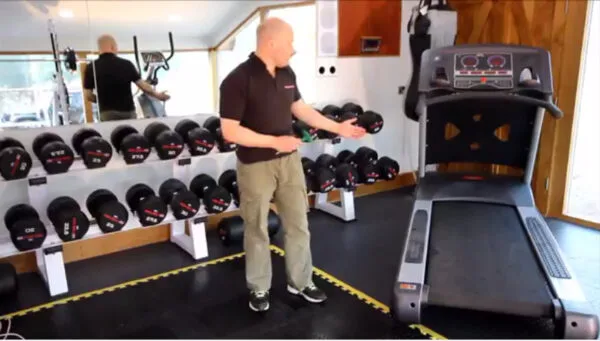
Image source: Bing (Web (fair-use with source credit))
Common Mistakes That Make Treadmill Noise Worse (Or Damage Your Machine)
A few traps catch people when their treadmill starts making noise. Some mistakes make the noise worse. Others can permanently damage the deck, belt, or motor.
- Reaching for WD-40 or household oil. This is the big one. WD-40 is a solvent, not a lubricant. It breaks down the rubber belt and leaves residue that traps dust. Use a silicone-based treadmill lubricant only.
- Over-tightening the belt to quiet it down. A tight belt might stop the squeak for a day, but it strains the motor and rollers. It also speeds up belt wear. Stay in the 2 to 3 inch deflection range.
- Replacing the belt too soon. A dry deck or a worn roller is often the real cause. A new belt costs $50 to $200 and won't fix the noise on its own.
- Skipping the unplug step. Never work on a treadmill while it's plugged in. One bumped power button can start the belt moving.
- Lubricating over a dirty deck. Fresh lubricant on top of dust and old residue traps everything under the belt. That turns into extra friction and grinding. Wipe the deck first.
Most of this damage is reversible. Wipe off the wrong lubricant, clean the deck, and start again with the proper silicone formula. A burned-out motor isn't so forgiving, so respect the maintenance steps.
When DIY Isn't Enough: Roller, Motor, Or Drive Belt Issues
Some noises won't quit with lubrication or a tension tweak. If you've worked through the steps and the treadmill still sounds bad, you're likely looking at a component failure.
Worn roller bearings are the most common hidden culprit. Remove the belt and spin the rollers by hand to test them. A healthy roller coasts for a second.
A worn one grinds, hesitates, or feels loose. Replacing rollers is doable at home with a basic socket set.
Drive belt wear shows up as chirping or squealing. This is the small belt between the motor and the front roller. It's a $15 to $30 part and an easy swap on most machines.
Take a photo of the belt path before removing it so you don't lose the routing.
Motor problems are where DIY stops. If the motor hums electrically, smells burnt, or heats up fast, don't open it. Motors hold a charge in their capacitors.
A professional service call is safer and often cheaper than the fire risk.
| Issue | Part Cost | DIY Feasibility |
|---|---|---|
| Belt replacement | $50-$200 | High |
| Roller replacement | $40-$120 | Medium |
| Drive belt | $15-$30 | High |
| Motor repair or replace | $150-$400 | Low |
| Professional service call | $100-$300 | N/A |
If your treadmill is under 5 years old, check the warranty before opening anything. Many brands void coverage once you take apart the motor housing. For older machines, a $120 roller replacement still beats an $800 new treadmill.
That same math applies when you're weighing whether an older machine is worth repairing.
Keeping The Noise Away Long-Term
A quiet treadmill today won't stay quiet without a little routine. Aggregate user reviews show that noise complaints often return within 6 to 12 months when lubrication gets skipped. The fix is simple.
Build a rhythm and stick to it.
How often should you lubricate? Every 150 miles or every 3 to 6 months, whichever comes first. If you run daily in a humid climate, lean toward the shorter end.
Dry homes can stretch to 6 months. Manufacturers like NordicTrack and Sole print these numbers in their manuals, and the same logic applies to a steady upkeep plan on any cardio machine.
| Task | Frequency | Time Needed |
|---|---|---|
| Lubricate deck | Every 150 miles or 3-6 months | 10 minutes |
| Check belt tension | Monthly | 2 minutes |
| Inspect belt surface | Monthly | 2 minutes |
| Vacuum under belt | Every 3 months | 10 minutes |
| Check rollers | Every 6 months | 5 minutes |
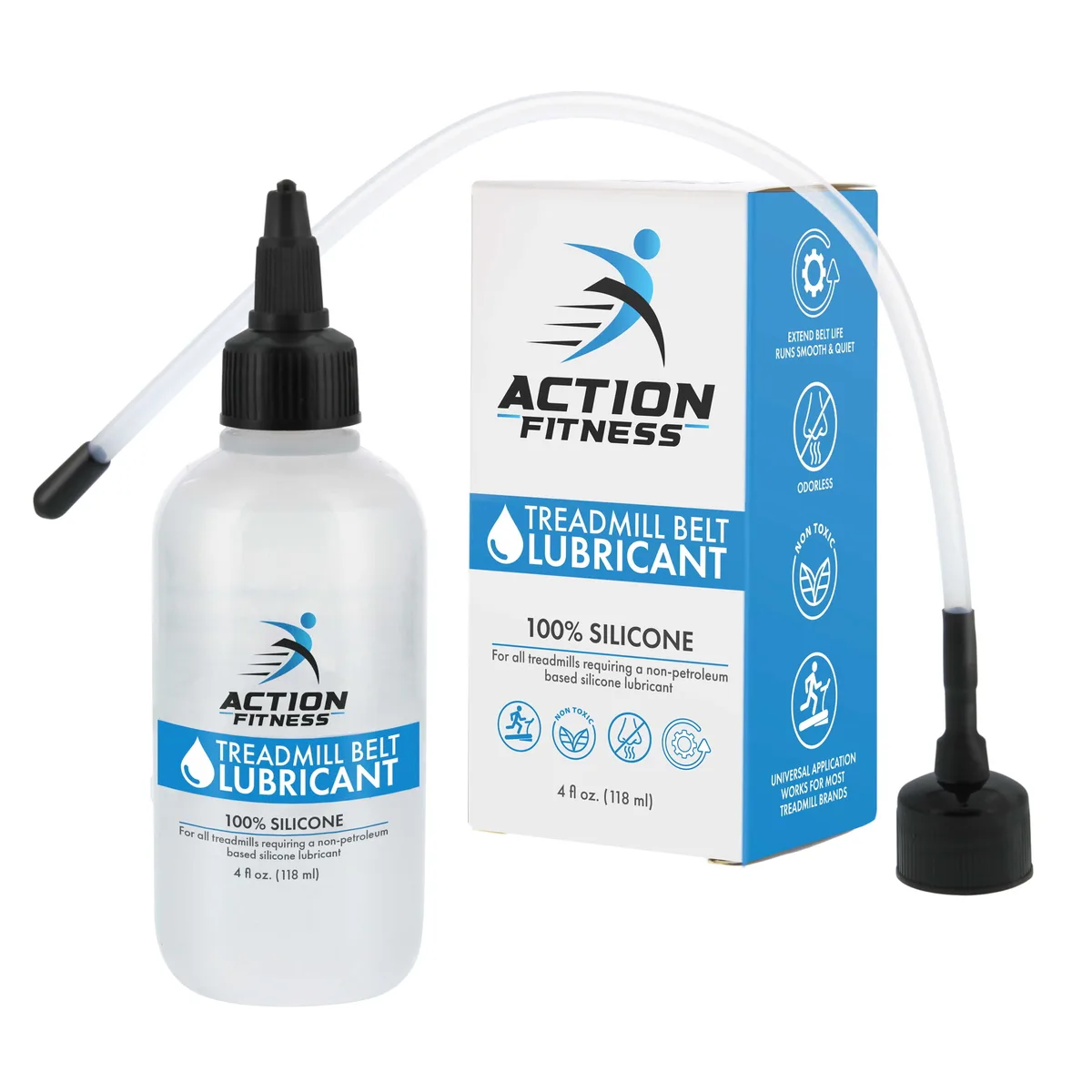
Image source: Bing (Web (fair-use with source credit))
Dust is a hidden troublemaker. If your treadmill sits in a garage or near an open window, dust works its way into the rollers and under the deck. A quick vacuum every few months stops that buildup.
Skipping the cleaning routine is how most machines end up noisy by year three.
Climate plays a role too. Humid air accelerates belt wear and calls for more frequent lubrication. Very dry air causes static and cracking on older belts.
If you notice either pattern, tighten your schedule instead of waiting for a squeak. And if your weekly mileage climbs, shorten the interval again.
Here's a 60-second monthly check worth doing:
- Press the belt at the center. Does it lift 2 to 3 inches? Good.
- Look for shiny patches on the underside.
- Listen during the first 30 seconds of a low-speed walk.
- Wipe the deck edges with a dry cloth.
Follow that rhythm and you'll catch most issues long before they turn into noise. The same habit keeps other home cardio machines in your setup running quietly.
Frequently Asked Questions
Why does my treadmill make noise after I oil it?
Fresh oil can stir up dust and old residue, which causes temporary grinding. Run the belt at low speed for 5 minutes to spread the lubricant evenly. If the noise stays, you may have used too much or picked the wrong product.
Stick with silicone-based treadmill lubricant only.
How much does professional treadmill repair cost?
Most service calls run $100 to $300, depending on the part. Roller replacement averages $40 to $120 in parts, while motor repairs can reach $400. In our research, the typical home repair bill lands near $180.
On a machine over 8 years old, that money often belongs in a new treadmill instead.
Can I use any treadmill lubricant?
No. Use a silicone-based lubricant made specifically for treadmills. WD-40, petroleum jelly, and wax-based compounds damage the belt and deck.
Manufacturer specs confirm that the wrong lubricant voids most warranties. A $10 bottle of the right silicone is the only safe choice.
How tight should a treadmill belt really be?
The belt should lift about 2 to 3 inches off the deck when you press down at the center. Under 2 inches means it's too tight and straining the motor. Over 3 inches means it will slip.
Adjust both rear roller bolts in small, equal turns.
Is it safe to run on a treadmill that's making noise?
It depends on the sound. Squeaks and chirps are usually safe for a short session. Grinding, clicking, or metal-on-metal noise is not.
Those point to failing bearings or motor trouble that can cause a sudden belt stop. Unplug the machine and inspect it before your next run.
Can a noisy treadmill be a fire risk?
Yes, if the noise comes from the motor or drive belt. A grinding motor can overheat and spark, especially in a dusty room. The [U.S.
Consumer Product Safety Commission](https://www.cpsc.gov) tracks treadmill-related incidents every year. Any burning smell paired with noise means stop using it immediately.